 Easy
Easy
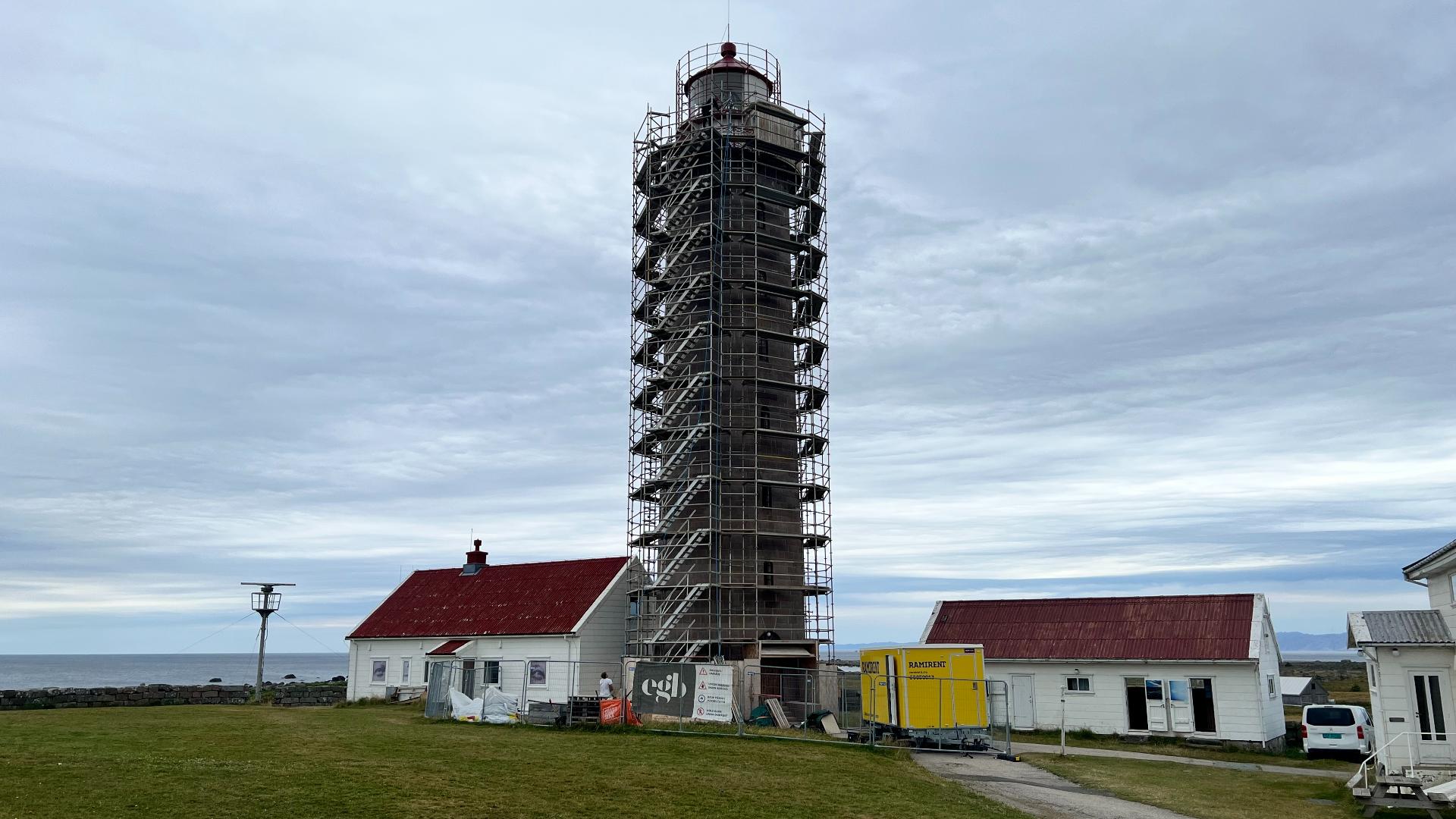
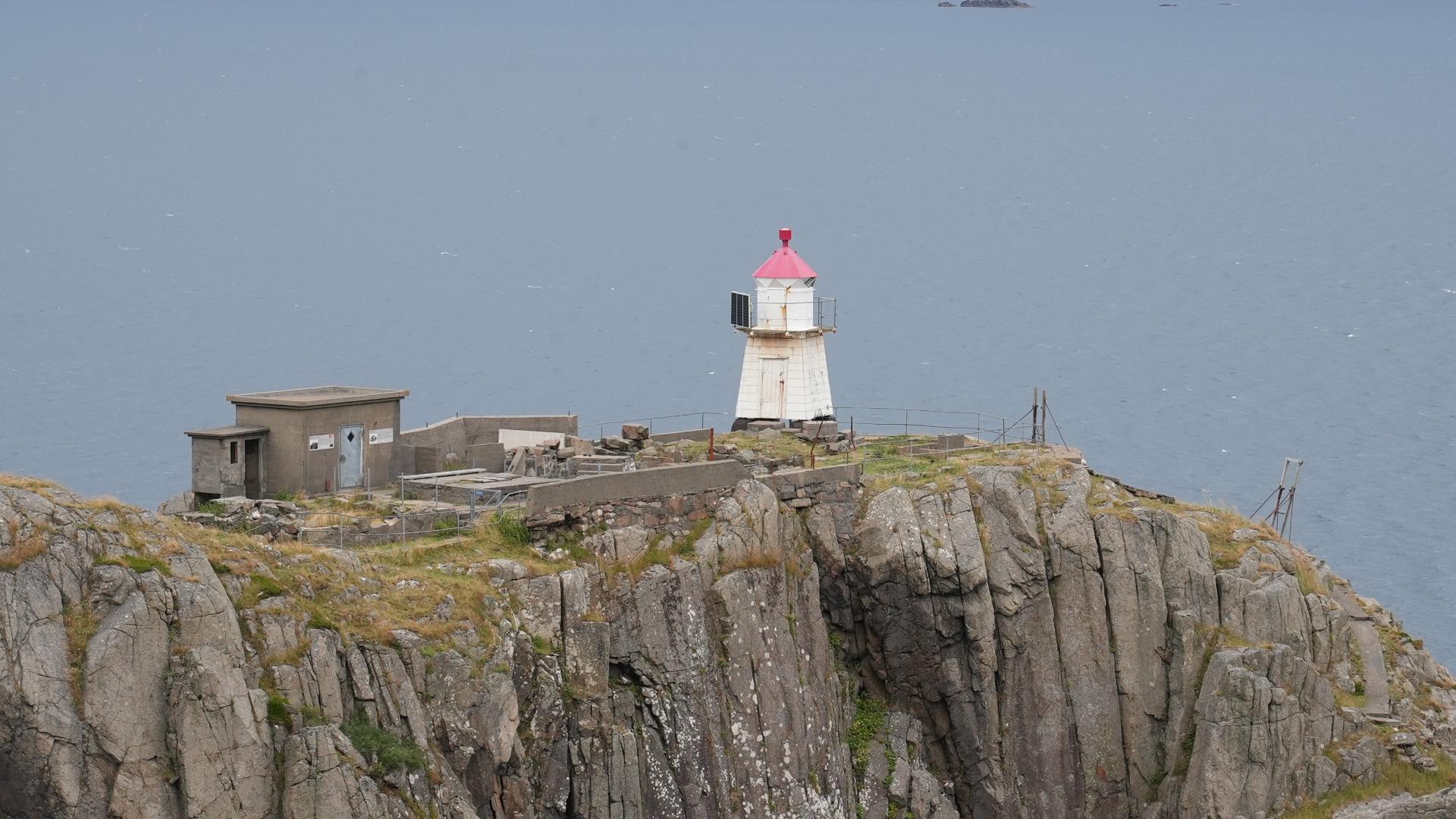
The ruins of Varnes lighthouse stand on the cliffs at the northwestern tip of Lista, about 30 metres above the sea. Built in 1836, the same year as Lista Lighthouse eight kilometres away, it was designed to make the crossing of Listafjorden safer for the many boats sailing between Lista and the trading town of Flekkefjord. The waters here had claimed countless lives, and the two lighthouses were seen as a major safety improvement for seafarers.
The lighthouse's first keeper, Lars Andersen, lost everything he and his family owned in a storm while travelling to his new post in the autumn of 1836. The dangers of the sea at Varnes would continue to shape the lives of those stationed here. In 1852, a maid named Ingeborg Osmundsdatter from Sirdal was working at the lighthouse when the steamship Neptune ran into distress offshore. The lighthouse keeper, who also served as a pilot, refused to launch a rescue, calling it certain death. Ingeborg defied his orders, took a boat out in terrible weather, and saved the entire crew. The English captain honoured her with a pearl, but she was dismissed for defying the keeper and lived the rest of her life in disgrace for doing what was considered a man's job. Today, a bronze cast of her clogs sits on a remnant of the keeper's residence staircase as a memorial.
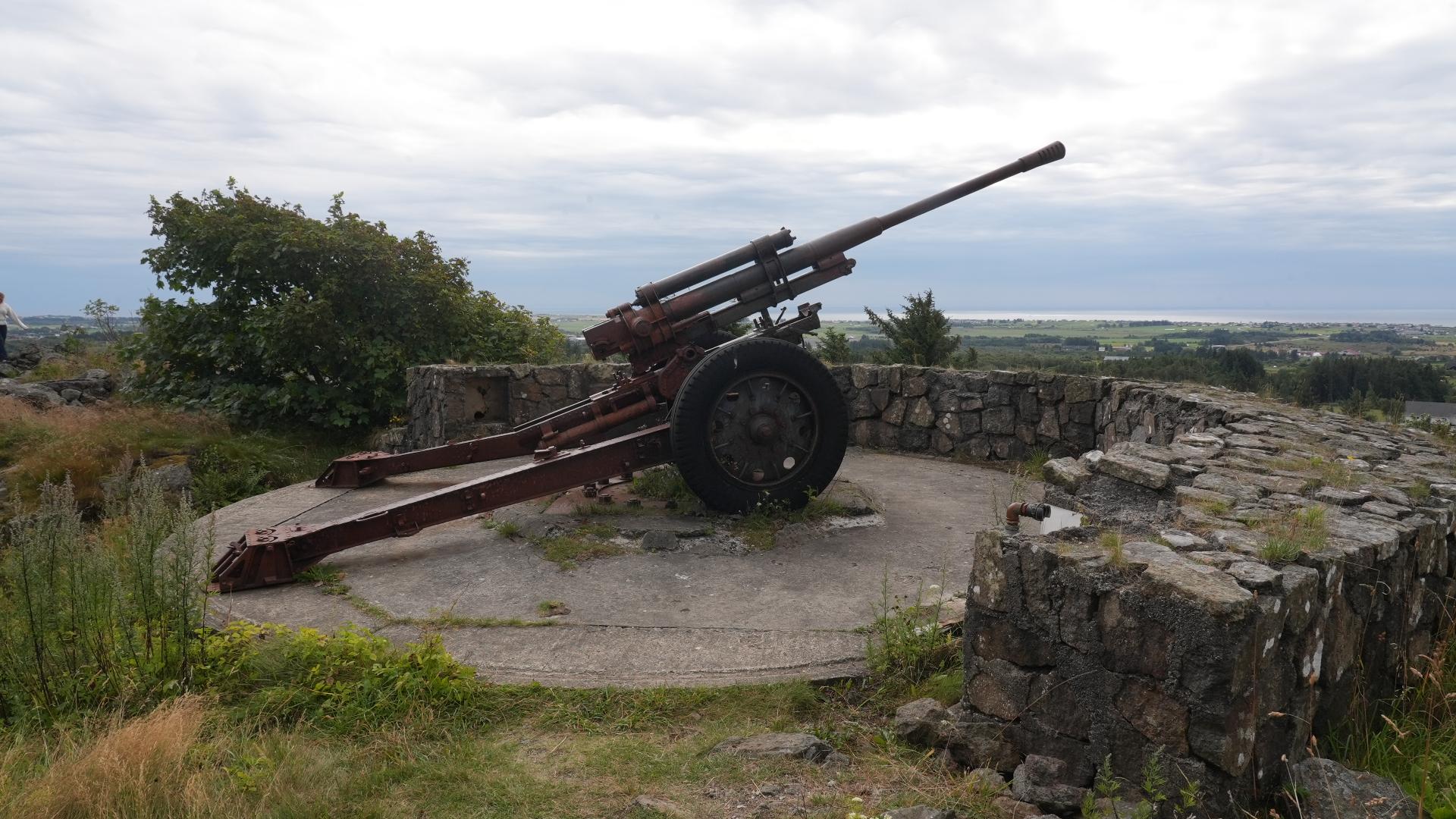
Adjacent to the lighthouse ruins, Varnes Fort is a World War II German coastal battery, part of the Atlantic Wall. Armed with four 105 mm Schneider guns with a 16-kilometre range, two were placed in cliff-side bunkers connected by tunnels to a command post. The fort was built using 150 Russian and Dutch prisoners but was never completed by the war's end and never saw combat. Two of the original guns remain in their bunkers, still accessible through a pitch-dark tunnel.
A 5.4-kilometre round trip trail leads to the lighthouse and fort through coastal heathland, with views across to the islands of Hidra and Andabeløy and over Fedafjorden. Parking is very limited; the few spots along the gravel road are narrow passing places rather than proper car parks.
The lighthouse's first keeper, Lars Andersen, lost everything he and his family owned in a storm while travelling to his new post in the autumn of 1836. The dangers of the sea at Varnes would continue to shape the lives of those stationed here. In 1852, a maid named Ingeborg Osmundsdatter from Sirdal was working at the lighthouse when the steamship Neptune ran into distress offshore. The lighthouse keeper, who also served as a pilot, refused to launch a rescue, calling it certain death. Ingeborg defied his orders, took a boat out in terrible weather, and saved the entire crew. The English captain honoured her with a pearl, but she was dismissed for defying the keeper and lived the rest of her life in disgrace for doing what was considered a man's job. Today, a bronze cast of her clogs sits on a remnant of the keeper's residence staircase as a memorial.
Adjacent to the lighthouse ruins, Varnes Fort is a World War II German coastal battery, part of the Atlantic Wall. Armed with four 105 mm Schneider guns with a 16-kilometre range, two were placed in cliff-side bunkers connected by tunnels to a command post. The fort was built using 150 Russian and Dutch prisoners but was never completed by the war's end and never saw combat. Two of the original guns remain in their bunkers, still accessible through a pitch-dark tunnel.
A 5.4-kilometre round trip trail leads to the lighthouse and fort through coastal heathland, with views across to the islands of Hidra and Andabeløy and over Fedafjorden. Parking is very limited; the few spots along the gravel road are narrow passing places rather than proper car parks.