Oslo is the capital and largest city of Norway, home to over 700,000 people, or more than a million if you count the surrounding municipalities. It sits at the head of the Oslofjord, wedged between the water and the forested hills of Nordmarka and Østmarka. By area, it is one of the largest capitals in Europe, but two thirds of that area is protected forest, lakes and hills. The city itself is relatively compact and easy to get around.
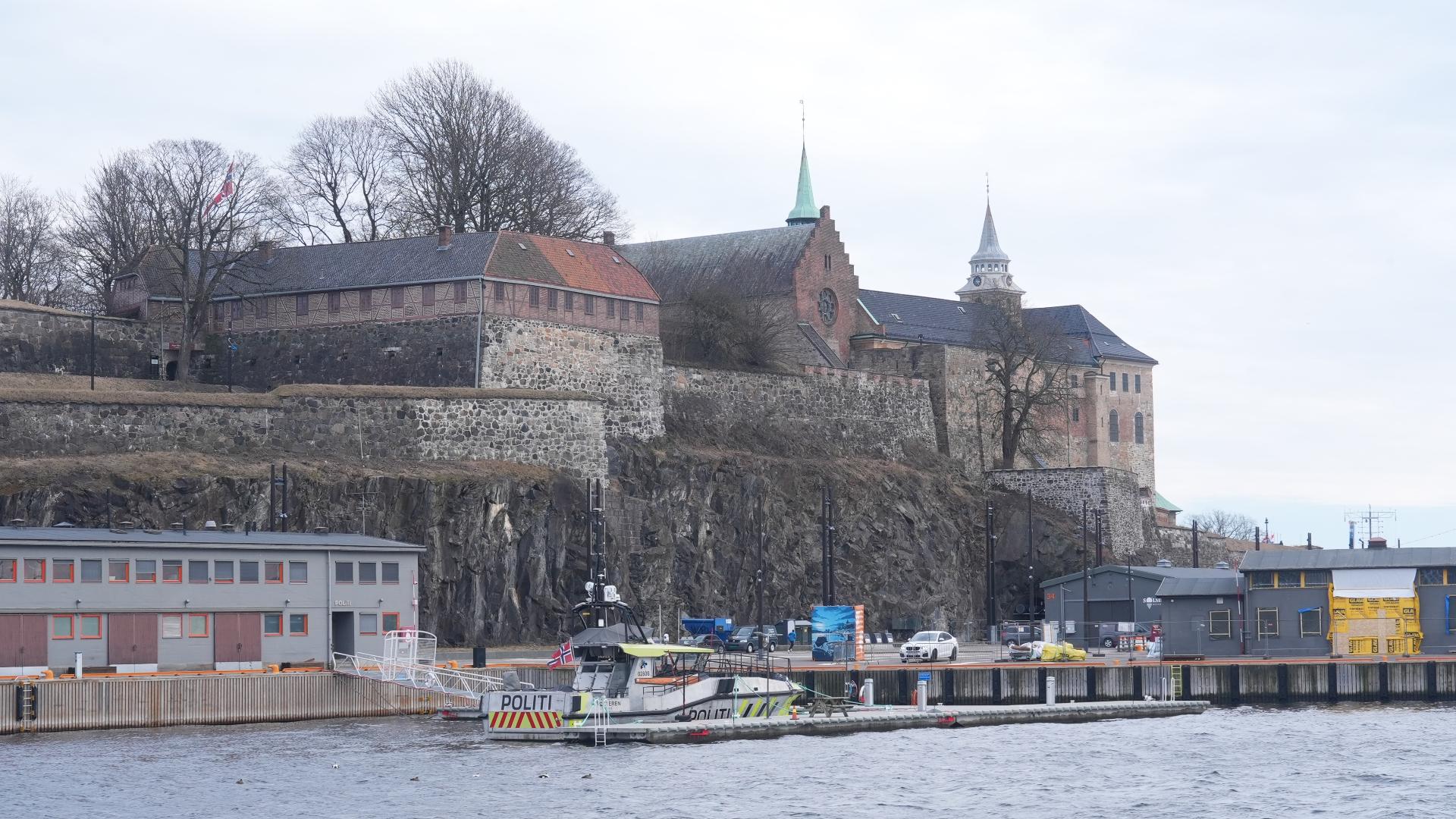
Oslo dates back to the eleventh century. A small settlement grew into a trading town, and by the late Middle Ages it was Norway's capital. After a devastating fire in 1624, King Christian IV moved the city next to Akershus Festning and renamed it Christiania. The Renaissance grid he laid out, Kvadraturen, is still visible today. In 1925, the city was renamed back to Oslo. The original medieval settlement became known as Gamlebyen, the Old Town.
The city is informally divided into a west end and an east end, separated by Akerselva. To this day, the west is considered the wealthier side and the east more working-class and multicultural. The divide is cultural rather than dangerous; both sides are safe, they just have different characters and even slightly different dialects.
Oslo has the largest public transport system in Norway, consisting of metro, trams, buses, ferries and commuter trains. The metro is called T-bane, short for Tunnelbane. It runs mostly underground in the centre but above ground in the suburbs. Each line runs every fifteen minutes with extra trains during rush hour. Single tickets are valid for 60 minutes; day passes are worth it if you ride three or more times. Tickets are easiest to buy through the Ruter app. For tourists, the Oslo Pass includes public transport and free entry to most museums; to make it worthwhile, you need to visit at least three museums per day.
The climate is humid continental with warm summers and cold winters. Expect around 19 hours of daylight in June and 7 in December. It never gets truly dark in midsummer. Snow usually arrives in December but the city centre is cleared quickly. The weather is unpredictable year-round; the only safe prediction is that it will change.
Oslo dates back to the eleventh century. A small settlement grew into a trading town, and by the late Middle Ages it was Norway's capital. After a devastating fire in 1624, King Christian IV moved the city next to Akershus Festning and renamed it Christiania. The Renaissance grid he laid out, Kvadraturen, is still visible today. In 1925, the city was renamed back to Oslo. The original medieval settlement became known as Gamlebyen, the Old Town.
The city is informally divided into a west end and an east end, separated by Akerselva. To this day, the west is considered the wealthier side and the east more working-class and multicultural. The divide is cultural rather than dangerous; both sides are safe, they just have different characters and even slightly different dialects.
Oslo has the largest public transport system in Norway, consisting of metro, trams, buses, ferries and commuter trains. The metro is called T-bane, short for Tunnelbane. It runs mostly underground in the centre but above ground in the suburbs. Each line runs every fifteen minutes with extra trains during rush hour. Single tickets are valid for 60 minutes; day passes are worth it if you ride three or more times. Tickets are easiest to buy through the Ruter app. For tourists, the Oslo Pass includes public transport and free entry to most museums; to make it worthwhile, you need to visit at least three museums per day.
The climate is humid continental with warm summers and cold winters. Expect around 19 hours of daylight in June and 7 in December. It never gets truly dark in midsummer. Snow usually arrives in December but the city centre is cleared quickly. The weather is unpredictable year-round; the only safe prediction is that it will change.