The Munchmuseet is home to the world's largest collection of works by Edvard Munch, the Norwegian painter whose tortured, emotionally raw style made him one of the founders of Expressionism. When Munch died in 1944, he left everything he owned to the city of Oslo: paintings, prints, drawings, sculptures, photographs and notebooks, over 28,000 items in total. It was one of the most generous artist bequests in history.
For decades, the collection was housed in a modest building in Tøyen, opened in 1963. But the old museum became notorious for two spectacular thefts. In February 1994, on the very morning the Winter Olympics opened in Lillehammer, two thieves broke into the National Gallery and stole a version of The Scream, leaving a mocking note about the poor security. The painting was recovered three months later. Then in August 2004, masked gunmen walked into the Munch Museum in broad daylight, threatened the unarmed guards with pistols, and ripped The Scream and Madonna right off the walls. Both paintings were eventually recovered, though not without damage.
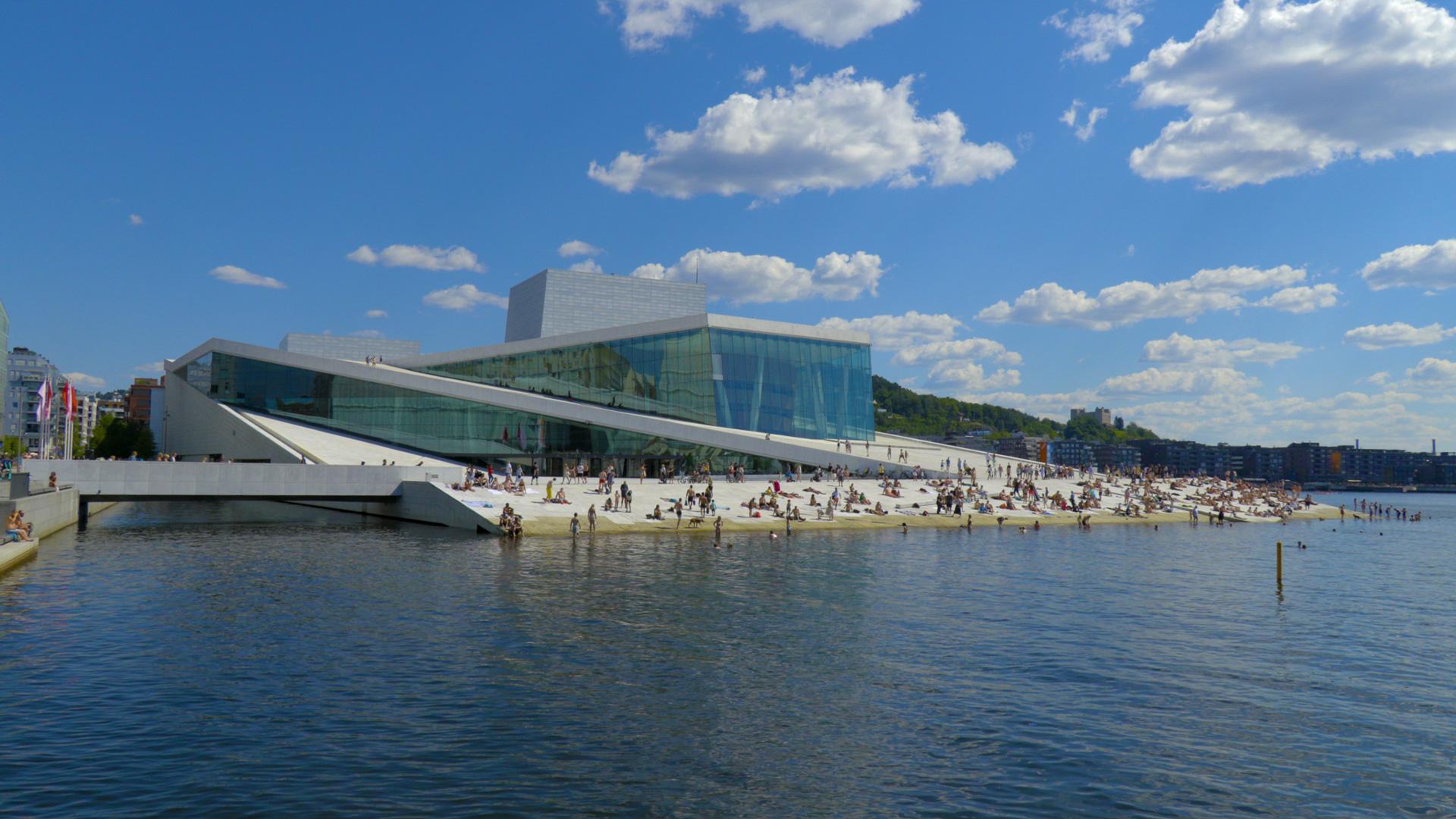
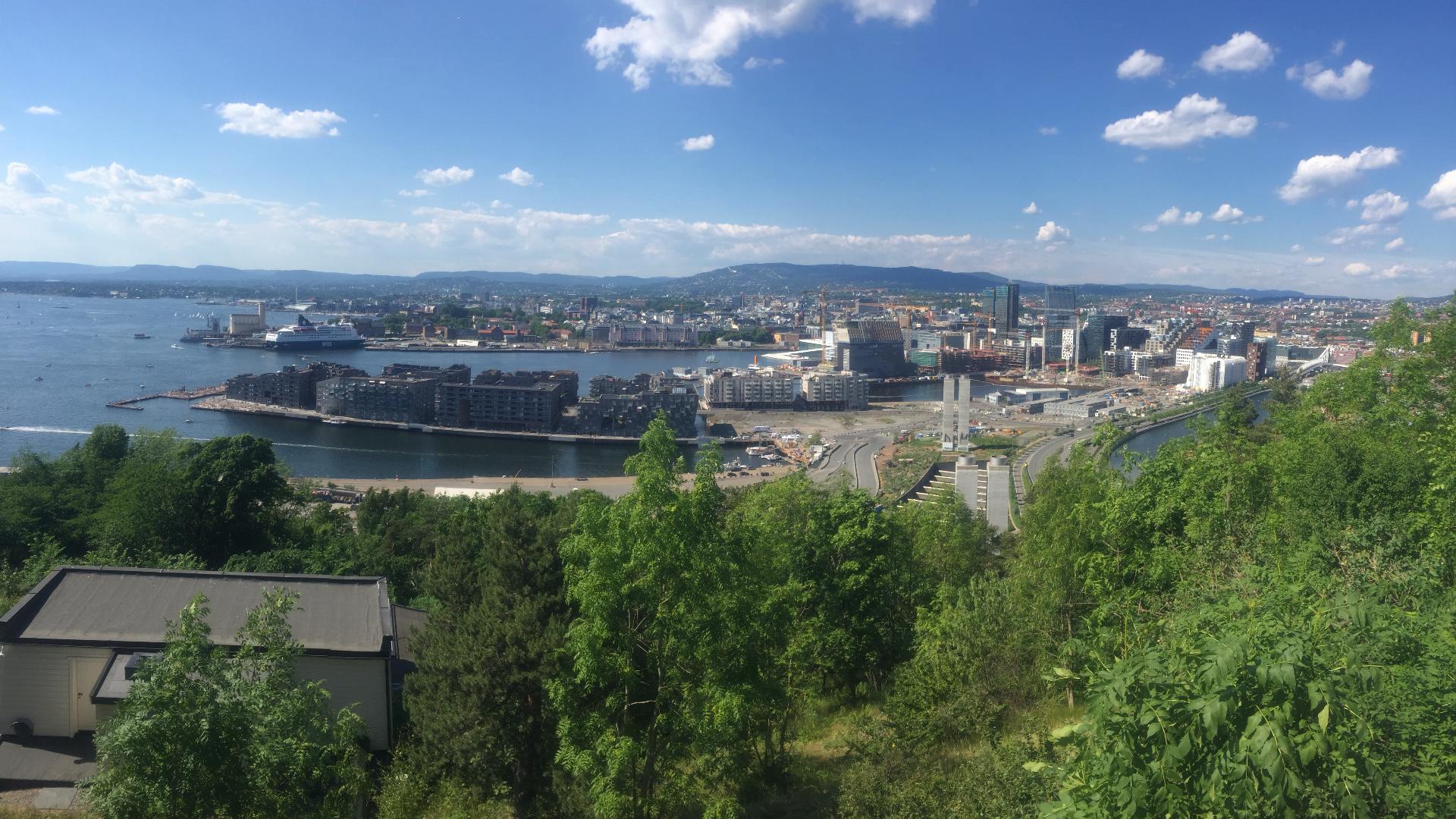
The need for a new, more secure museum was obvious, but getting it built turned into one of Oslo's longest running political battles. The central question was where to put it. The left-leaning parties wanted to keep the museum in Tøyen, investing in a neighbourhood that needed it. The right-leaning parties wanted to move it to the waterfront in Bjørvika, next to the Opera House. In 2008, an architectural competition was launched for the Bjørvika site, won by Spanish architect Juan Herreros with a leaning tower design that was quickly nicknamed Lambda. But in December 2011, the Progress Party withdrew its support over costs, and the city council voted to kill the project entirely. The museum seemed dead.
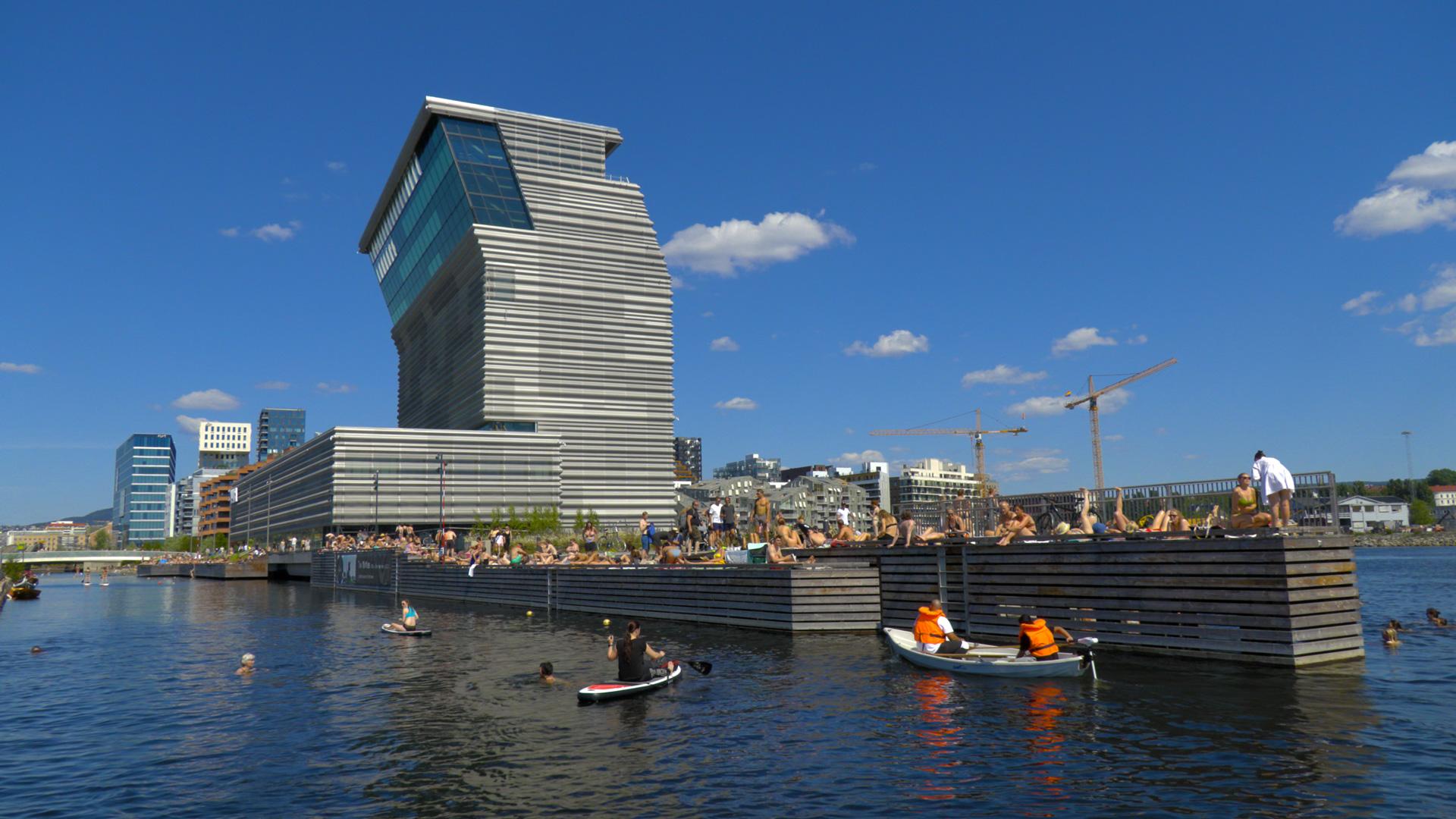
Then came the deal-making. In May 2013, the centre-right coalition convinced the Socialist Left to support Lambda in Bjørvika in exchange for a major investment package for Tøyen, including a new swimming complex and cultural facilities. The museum was back on, but the controversy did not end there. The construction budget ballooned to 2.7 billion kroner, and operating costs were projected at 344 million kroner per year, roughly triple the old museum. Critics also attacked the building itself; in 2021, the Norwegian Architecture Revolt awarded it their "Horror Medal" for being the ugliest new building in Norway. Defenders countered that the bold design gave Munch's art the world-class home it deserved.
The museum opened on 22 October 2021, inaugurated by King Harald V. The building rises 60 metres with 13 floors, and the concrete core was built using a slip form technique over just 33 days. Security is, understandably, considerably better than at the old museum.
Most visitors come to see The Scream, but there is an important detail to know. Munch created four versions of the composition, two paintings and two pastels. The versions held by the museum were drawn on paper, making them extremely fragile. Light and humidity damage them over time, so only one version is displayed at any given moment, and the painting on show rotates every full hour. Which version you see at any particular time is essentially random, so you may need to check back if you want to see them all.
Beyond The Scream, the museum covers the full breadth of Munch's life and career, from his early realist works through the deeply personal paintings of loss, anxiety and love that made him famous. On the top floor there is a bar and restaurant with views across Bjørvika and the Oslofjord. Plan at least ninety minutes for a visit, more if you want to take your time with the collection.
For decades, the collection was housed in a modest building in Tøyen, opened in 1963. But the old museum became notorious for two spectacular thefts. In February 1994, on the very morning the Winter Olympics opened in Lillehammer, two thieves broke into the National Gallery and stole a version of The Scream, leaving a mocking note about the poor security. The painting was recovered three months later. Then in August 2004, masked gunmen walked into the Munch Museum in broad daylight, threatened the unarmed guards with pistols, and ripped The Scream and Madonna right off the walls. Both paintings were eventually recovered, though not without damage.
The need for a new, more secure museum was obvious, but getting it built turned into one of Oslo's longest running political battles. The central question was where to put it. The left-leaning parties wanted to keep the museum in Tøyen, investing in a neighbourhood that needed it. The right-leaning parties wanted to move it to the waterfront in Bjørvika, next to the Opera House. In 2008, an architectural competition was launched for the Bjørvika site, won by Spanish architect Juan Herreros with a leaning tower design that was quickly nicknamed Lambda. But in December 2011, the Progress Party withdrew its support over costs, and the city council voted to kill the project entirely. The museum seemed dead.
Then came the deal-making. In May 2013, the centre-right coalition convinced the Socialist Left to support Lambda in Bjørvika in exchange for a major investment package for Tøyen, including a new swimming complex and cultural facilities. The museum was back on, but the controversy did not end there. The construction budget ballooned to 2.7 billion kroner, and operating costs were projected at 344 million kroner per year, roughly triple the old museum. Critics also attacked the building itself; in 2021, the Norwegian Architecture Revolt awarded it their "Horror Medal" for being the ugliest new building in Norway. Defenders countered that the bold design gave Munch's art the world-class home it deserved.
The museum opened on 22 October 2021, inaugurated by King Harald V. The building rises 60 metres with 13 floors, and the concrete core was built using a slip form technique over just 33 days. Security is, understandably, considerably better than at the old museum.
Most visitors come to see The Scream, but there is an important detail to know. Munch created four versions of the composition, two paintings and two pastels. The versions held by the museum were drawn on paper, making them extremely fragile. Light and humidity damage them over time, so only one version is displayed at any given moment, and the painting on show rotates every full hour. Which version you see at any particular time is essentially random, so you may need to check back if you want to see them all.
Beyond The Scream, the museum covers the full breadth of Munch's life and career, from his early realist works through the deeply personal paintings of loss, anxiety and love that made him famous. On the top floor there is a bar and restaurant with views across Bjørvika and the Oslofjord. Plan at least ninety minutes for a visit, more if you want to take your time with the collection.