Bygdøy is the green peninsula on the western side of Oslo that concentrates more museums per square metre than almost anywhere else in Norway. The name comes from Old Norse and means something like "built district on the island"; the peninsula was actually an island in earlier times, but the land has risen and connected it to the mainland.
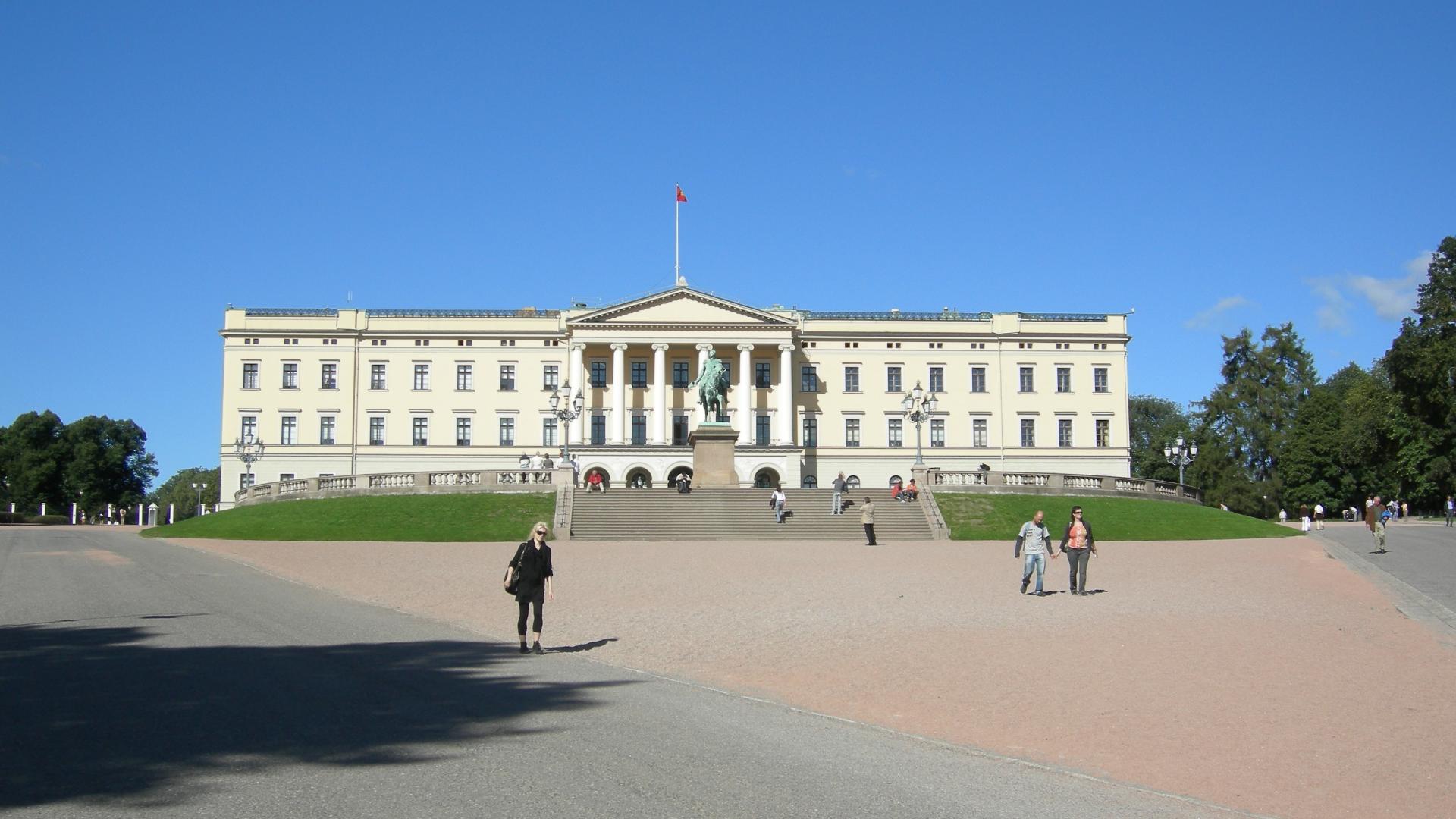
The area has been royal property almost continuously since 1305, when it served as a farm supplying provisions to Akershus Festning. King Oscar I built the summer palace Oscarshall here in the 1840s, and King Oscar II established what would become the Norsk Folkemuseum. After Norwegian independence in 1905, King Haakon VII and Queen Maud lived on the royal estate while the palace in the city centre was being refurbished. The Bygdøy Kongsgård, the royal farm, is still used as a summer residence by the royal family.
Bygdøy is also one of the most exclusive residential areas in Norway. The waterfront properties here are among the most valuable in the entire country. In 2024, a waterfront estate on Bygdøy sold for 590 million kroner, the most expensive residential property sale in Norwegian history. Prices for seafront plots can approach one million kroner per square metre. The peninsula is dotted with large villas, many hidden behind hedges and fences, and several embassies have their residences here.
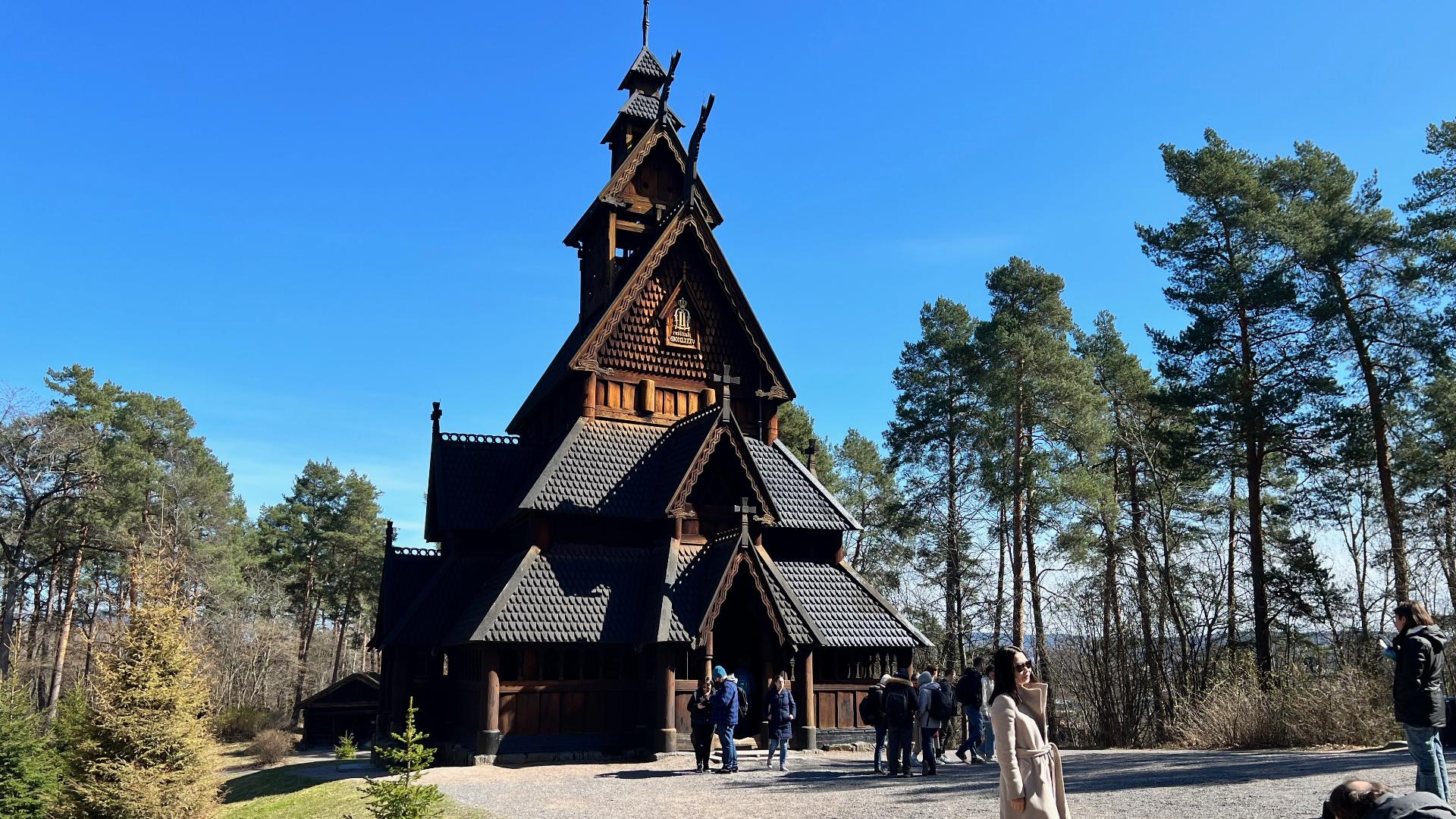
Today the peninsula hosts several major museums. At Bygdøynes, the tip of the peninsula, you will find the Fram Museum, the Kon-Tiki Museum and the Norwegian Maritime Museum, all within a few minutes' walk of each other. Further inland is the Norsk Folkemuseum, the open-air museum with buildings from all over Norway. The Museum of the Viking Age is currently closed for a major expansion and is expected to reopen as a significantly larger museum. On the quieter southern side, the Holocaust Center at Villa Grande occupies the former residence of Vidkun Quisling during the war.
Bygdøy also has some of Oslo's best beaches. Huk is the most famous, with a regular beach on one side of the small headland and a nudist beach on the other. Nearby are Paradisbukta and Bygdøy Sjøbad. Between the museums, the beaches and the royal estate, Bygdøy can easily fill an entire day.
You can reach Bygdøy by bus 30, which stops at both Folkemuseum and Bygdøynes. During summer there is also a ferry from Aker Brygge that crosses in about ten minutes, though it is not part of the regular public transport system, so a separate ticket or Oslo Pass is needed.
The area has been royal property almost continuously since 1305, when it served as a farm supplying provisions to Akershus Festning. King Oscar I built the summer palace Oscarshall here in the 1840s, and King Oscar II established what would become the Norsk Folkemuseum. After Norwegian independence in 1905, King Haakon VII and Queen Maud lived on the royal estate while the palace in the city centre was being refurbished. The Bygdøy Kongsgård, the royal farm, is still used as a summer residence by the royal family.
Bygdøy is also one of the most exclusive residential areas in Norway. The waterfront properties here are among the most valuable in the entire country. In 2024, a waterfront estate on Bygdøy sold for 590 million kroner, the most expensive residential property sale in Norwegian history. Prices for seafront plots can approach one million kroner per square metre. The peninsula is dotted with large villas, many hidden behind hedges and fences, and several embassies have their residences here.
Today the peninsula hosts several major museums. At Bygdøynes, the tip of the peninsula, you will find the Fram Museum, the Kon-Tiki Museum and the Norwegian Maritime Museum, all within a few minutes' walk of each other. Further inland is the Norsk Folkemuseum, the open-air museum with buildings from all over Norway. The Museum of the Viking Age is currently closed for a major expansion and is expected to reopen as a significantly larger museum. On the quieter southern side, the Holocaust Center at Villa Grande occupies the former residence of Vidkun Quisling during the war.
Bygdøy also has some of Oslo's best beaches. Huk is the most famous, with a regular beach on one side of the small headland and a nudist beach on the other. Nearby are Paradisbukta and Bygdøy Sjøbad. Between the museums, the beaches and the royal estate, Bygdøy can easily fill an entire day.
You can reach Bygdøy by bus 30, which stops at both Folkemuseum and Bygdøynes. During summer there is also a ferry from Aker Brygge that crosses in about ten minutes, though it is not part of the regular public transport system, so a separate ticket or Oslo Pass is needed.