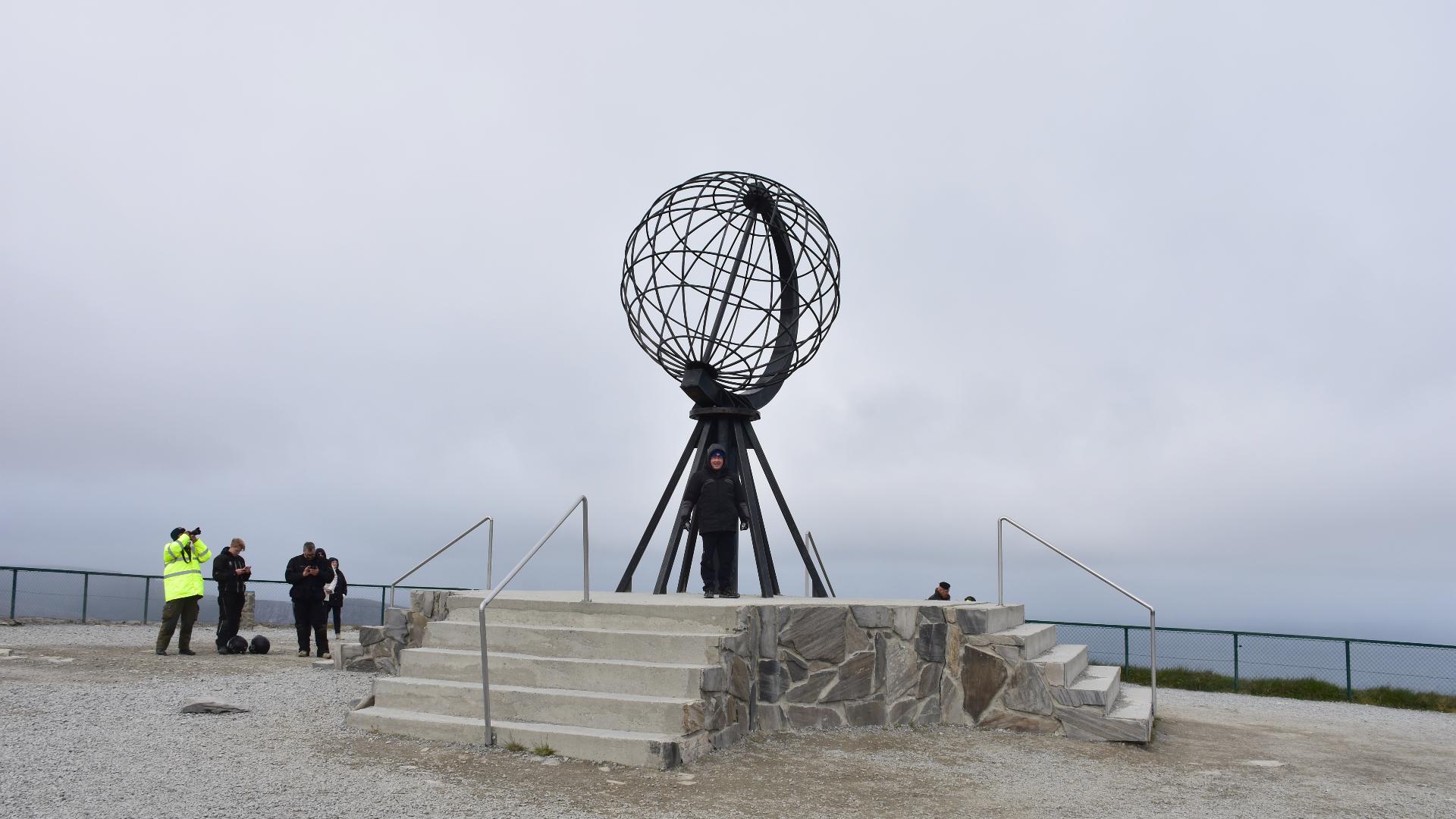
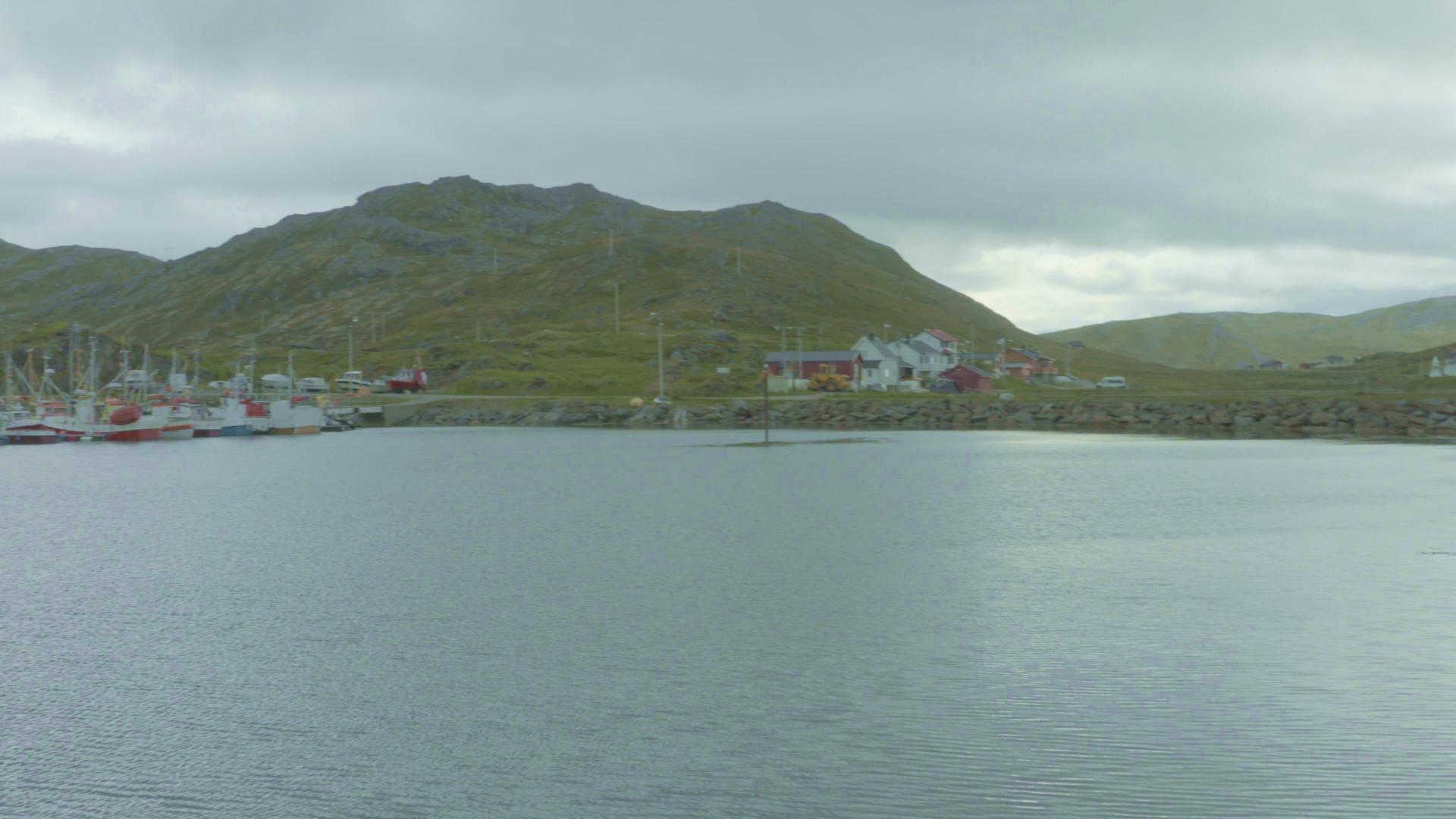
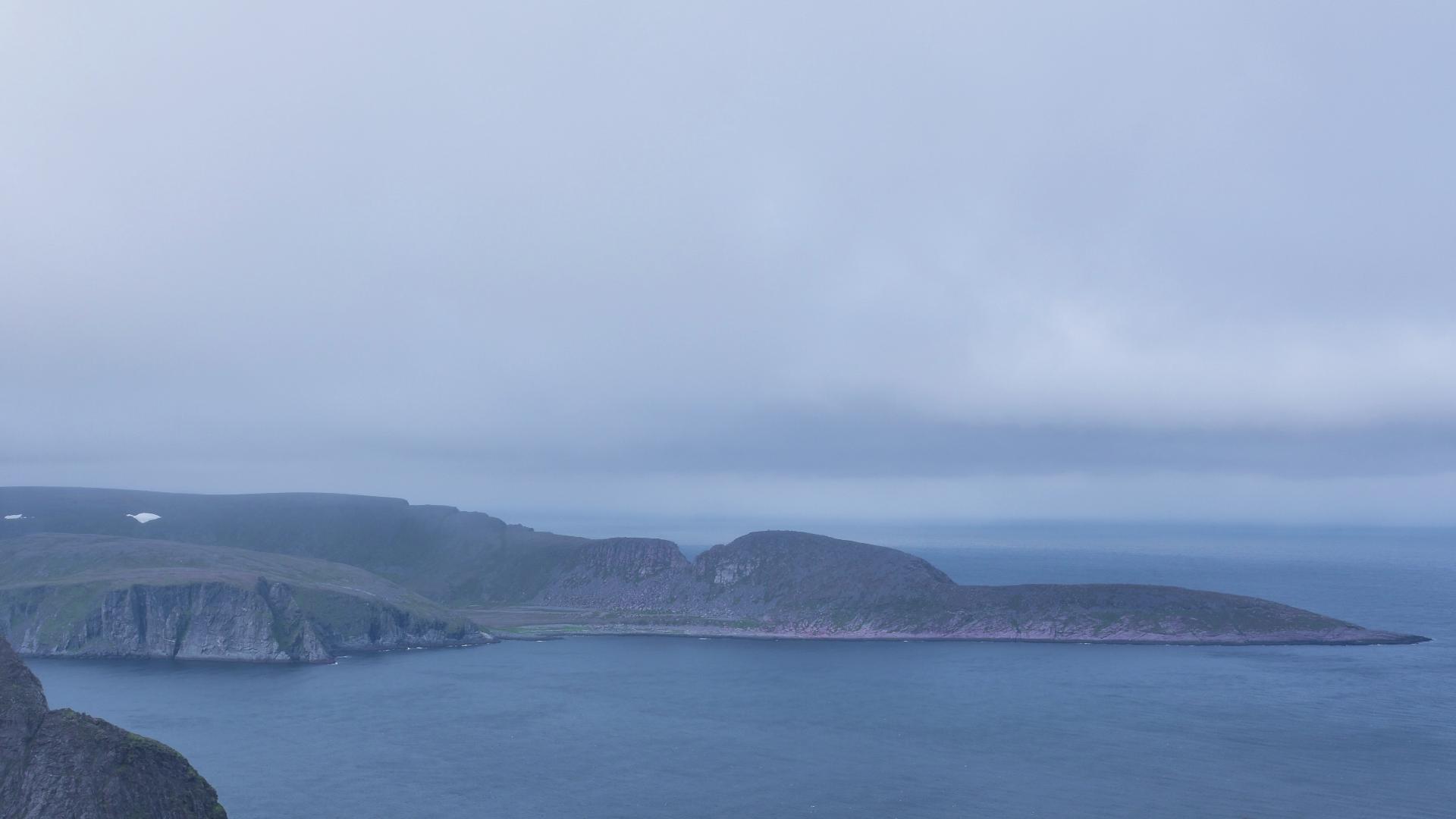
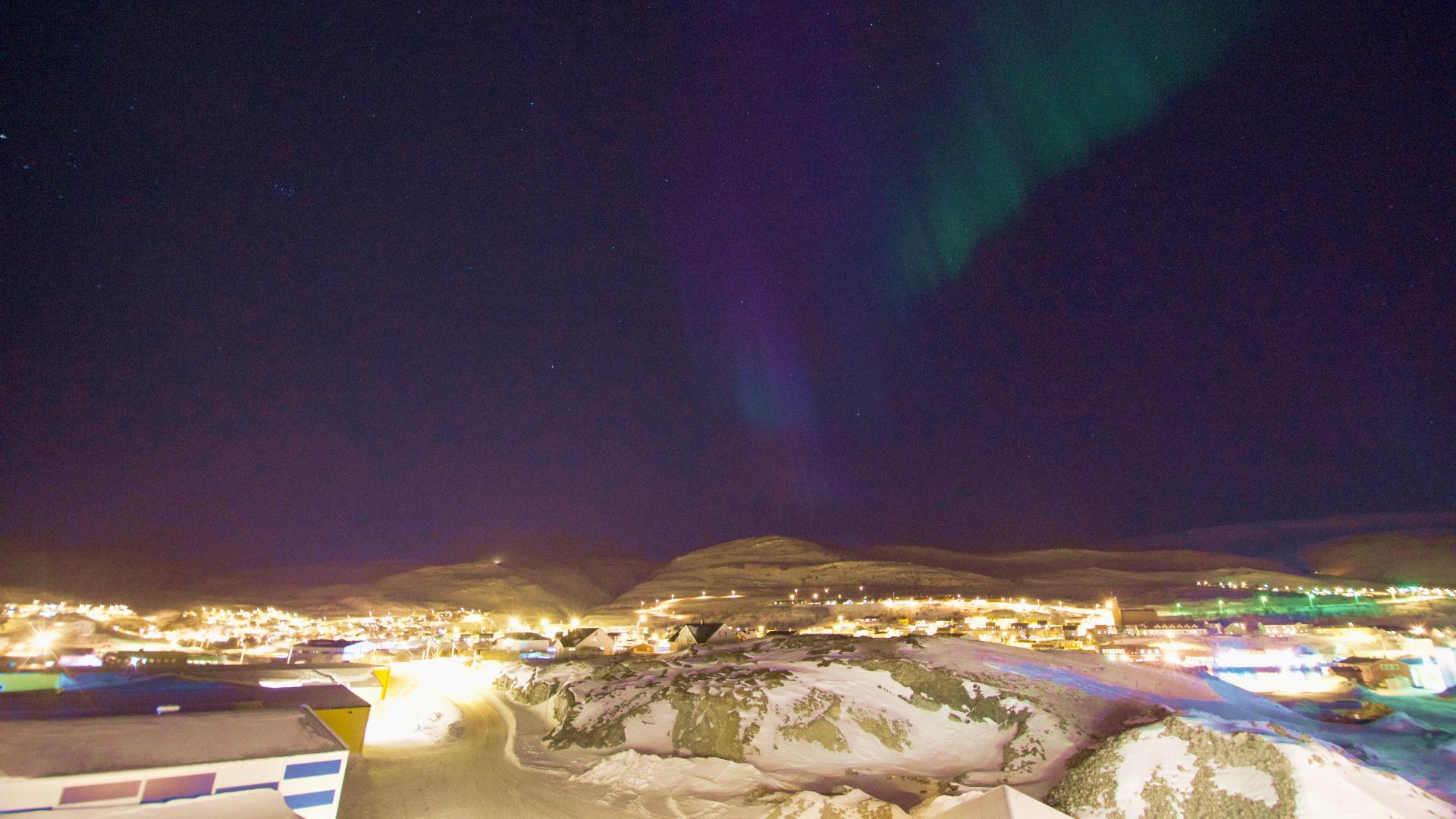
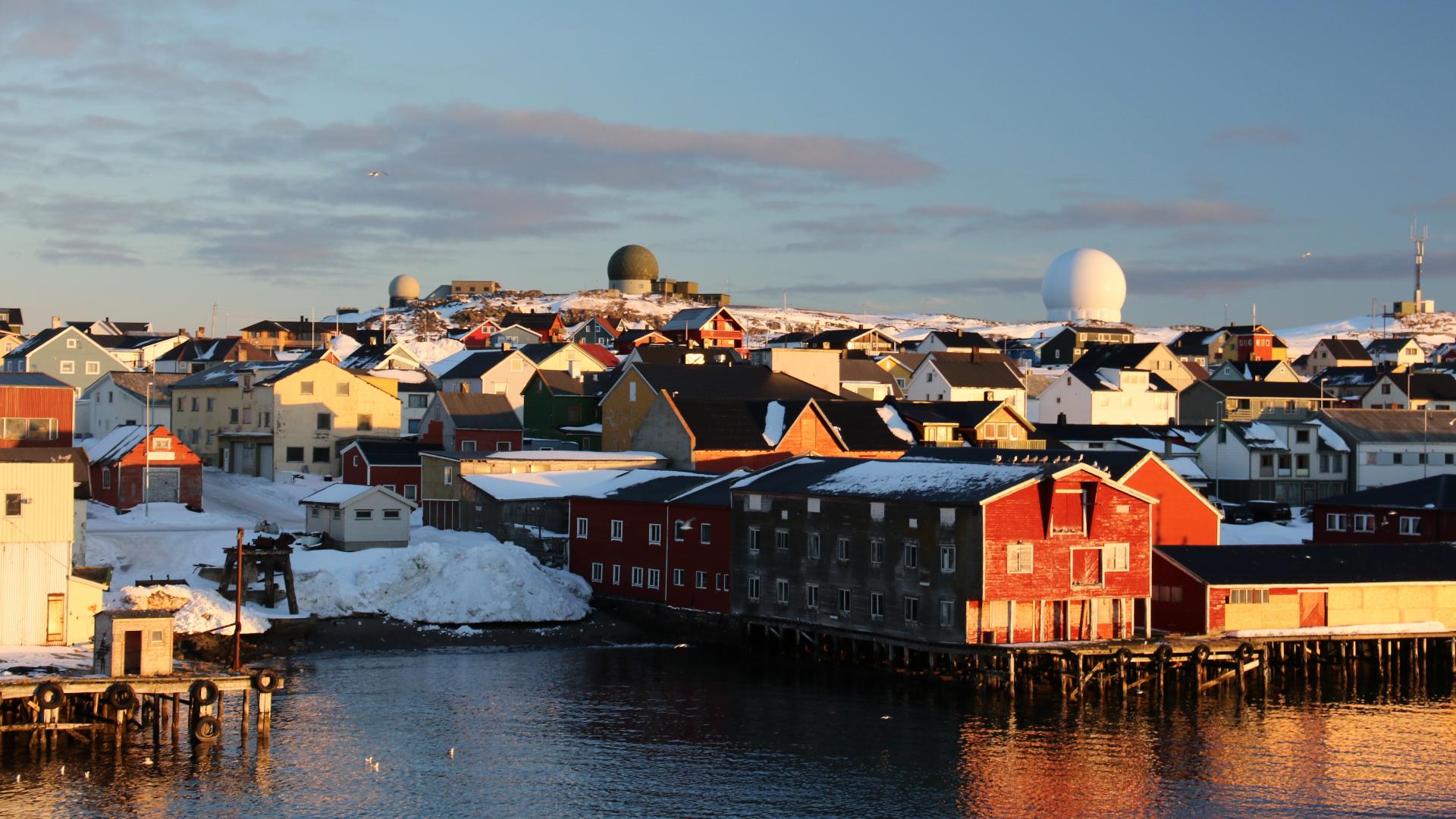
Mehamn is a fishing village of roughly 800 people on the Nordkyn peninsula, and it holds a geographic truth that embarrasses Nordkapp: the real northernmost point of mainland Europe is Kinnarodden, 23 kilometres to the north. Nordkapp sits on an island; Kinnarodden, at 71 degrees 8 minutes north, is the genuine end of the continent.
Reaching Kinnarodden requires a 46-kilometre round-trip hike across scree, boulder fields, and loose rock, taking ten to twelve hours one way in good conditions. There is no car park, no gift shop, no monument, just raw landscape shaped by ice and wind. Most hikers camp overnight. For those who make it, the experience is the polar opposite of the Nordkapp spectacle: silence, solitude, and reindeer for company.
Mehamn itself carries layers of dramatic history. In 1903, local fishermen who blamed whaling for the collapse of cod and capelin stocks attacked and razed the local whaling station to the ground on Whit Sunday. Soldiers were summoned from Vardø to restore order. The political fallout led to whale protection laws in Northern Norway and the election of the first Labour Party members of parliament that autumn, a pivotal moment in Norwegian working-class history.
On 11 March 1982, Widerøe Flight 933, a Twin Otter carrying 15 people, crashed into the Barents Sea off Gamvik. All aboard were killed. NATO was running the military exercise Alloy Express in the area at the time, and almost 50 ground witnesses independently reported seeing military aircraft near the crash site. A retired air traffic controller later stated that a Harrier pilot had requested an emergency landing immediately after the Twin Otter went down. Four official investigations attributed the crash to structural failure and turbulence. But a schoolteacher named Grete Mortensen told the first commission the day after the crash that she had seen a fighter jet flying west from the site; when she repeated this in 1988, the commission refused to publish it. Investigators denied she had ever mentioned aircraft, until she obtained the original 1982 audio recording proving otherwise. A fifth investigation was ordered in 2002. To this day, the Norwegian government has not acknowledged military involvement. It remains one of Norway's greatest unsolved mysteries.
The town also boasts one of the Arctic's more improbable attractions: Nissehuset, the Christmas House, with over 27,000 Christmas artifacts, the world's largest private collection, open in summer.
Reaching Kinnarodden requires a 46-kilometre round-trip hike across scree, boulder fields, and loose rock, taking ten to twelve hours one way in good conditions. There is no car park, no gift shop, no monument, just raw landscape shaped by ice and wind. Most hikers camp overnight. For those who make it, the experience is the polar opposite of the Nordkapp spectacle: silence, solitude, and reindeer for company.
Mehamn itself carries layers of dramatic history. In 1903, local fishermen who blamed whaling for the collapse of cod and capelin stocks attacked and razed the local whaling station to the ground on Whit Sunday. Soldiers were summoned from Vardø to restore order. The political fallout led to whale protection laws in Northern Norway and the election of the first Labour Party members of parliament that autumn, a pivotal moment in Norwegian working-class history.
On 11 March 1982, Widerøe Flight 933, a Twin Otter carrying 15 people, crashed into the Barents Sea off Gamvik. All aboard were killed. NATO was running the military exercise Alloy Express in the area at the time, and almost 50 ground witnesses independently reported seeing military aircraft near the crash site. A retired air traffic controller later stated that a Harrier pilot had requested an emergency landing immediately after the Twin Otter went down. Four official investigations attributed the crash to structural failure and turbulence. But a schoolteacher named Grete Mortensen told the first commission the day after the crash that she had seen a fighter jet flying west from the site; when she repeated this in 1988, the commission refused to publish it. Investigators denied she had ever mentioned aircraft, until she obtained the original 1982 audio recording proving otherwise. A fifth investigation was ordered in 2002. To this day, the Norwegian government has not acknowledged military involvement. It remains one of Norway's greatest unsolved mysteries.
The town also boasts one of the Arctic's more improbable attractions: Nissehuset, the Christmas House, with over 27,000 Christmas artifacts, the world's largest private collection, open in summer.