Vardø is Norway's easternmost town, sitting further east than Istanbul, Kyiv, and St. Petersburg. It is a place layered with extraordinary stories, from medieval witch burnings to Cold War surveillance to a present-day identity crisis that street art is trying to solve.
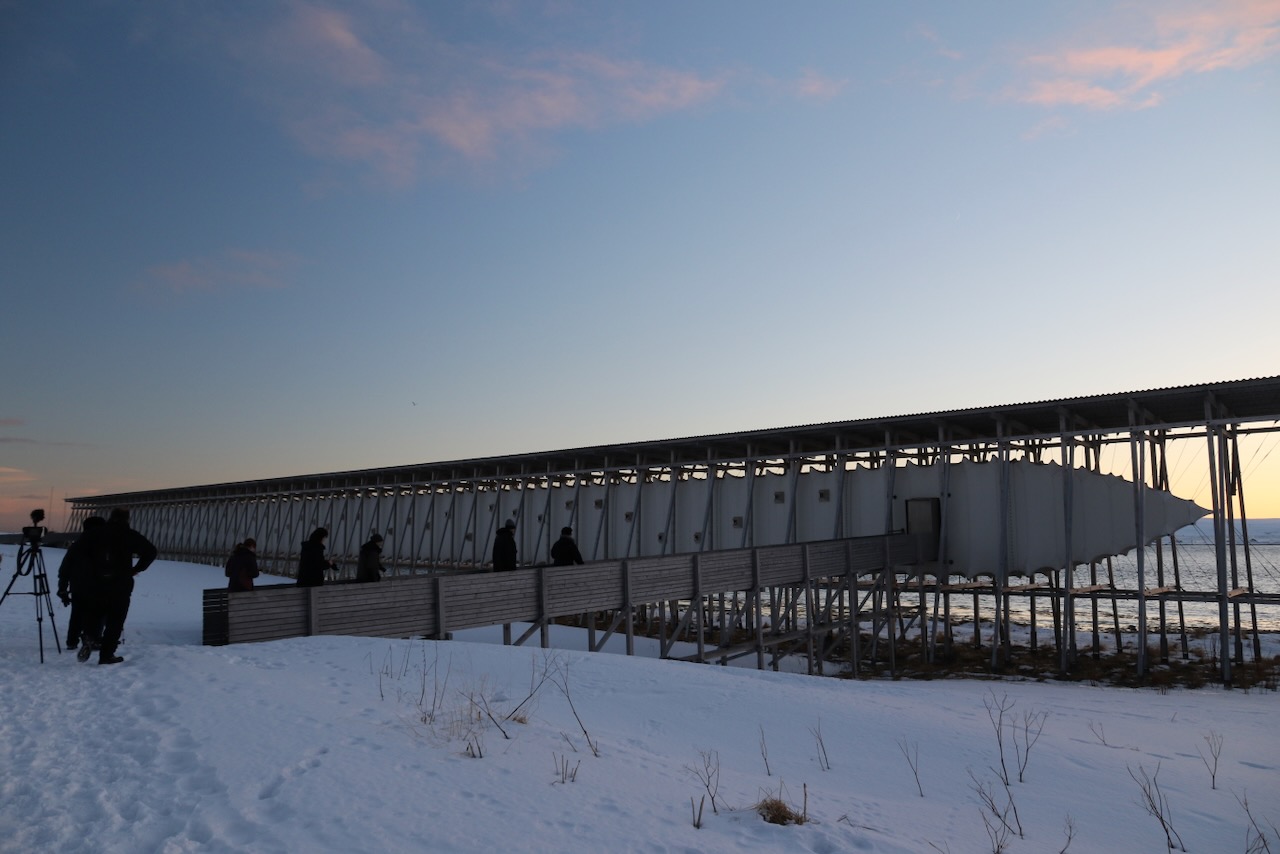
The darkest chapter began on Christmas Eve 1617, when a catastrophic storm sank ten fishing boats and drowned 40 men, a majority of the village's males. Locals blamed witchcraft. What followed were the deadliest witch trials in Norwegian history, running from 1621 to 1663 across three waves. Ninety-one people, 77 women and 14 men, including several Sami, were burned at the stake, roughly one-third of all witch trial executions in Norway's entire history. Vardøhus Fortress, a star-shaped fortification still standing in the harbour, served as the judicial seat for these proceedings. Domen, the hill above town, was where witches allegedly met the devil.
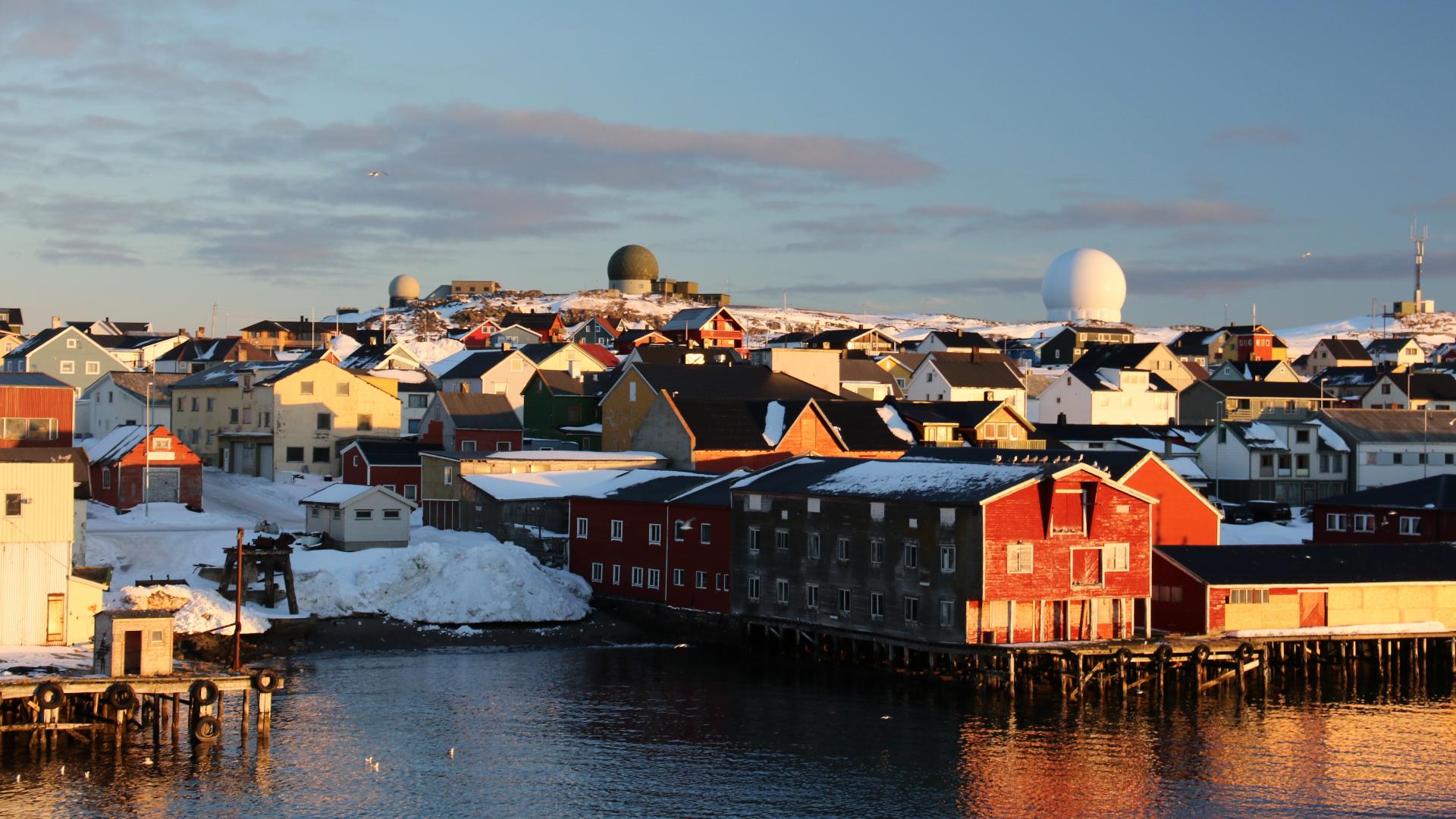
The GLOBUS radar station, looming over town behind its enormous white radomes, is arguably the most provocative piece of Cold War hardware still operating in Europe. Norway and the United States began cooperating on it in the 1950s, and the first array became operational in 1988, just 50 kilometres from the Soviet border with a direct line of sight to the Kola Peninsula's nuclear submarine bases. Raytheon, the company that built the upgraded Globus II dish in California and shipped it to Vardø in 1999, once described it on their website as "originally designed to collect intelligence data against ballistic missiles." The US Department of Defense later asked Raytheon to remove that page. In 2000, a storm tore the protective radome clean off, exposing the dish for all to see, pointed directly at Russia. Norwegian intelligence acknowledged the obvious: "If you use a small part of the brain, you know this also has an intelligence mission." Russian general Leonid Ivashov confirmed to Norwegian media that tactical nuclear weapons had been programmed to target the station, making Vardø a designated nuclear target throughout the Cold War. The tensions never stopped. In March 2017, nine Russian bombers flew in attack formation toward the radar, turning back just before Norwegian airspace. Russia then deployed a Bal anti-ship missile system to the Sredny Peninsula, just 70 kilometres away. The Cold War never quite ended here.
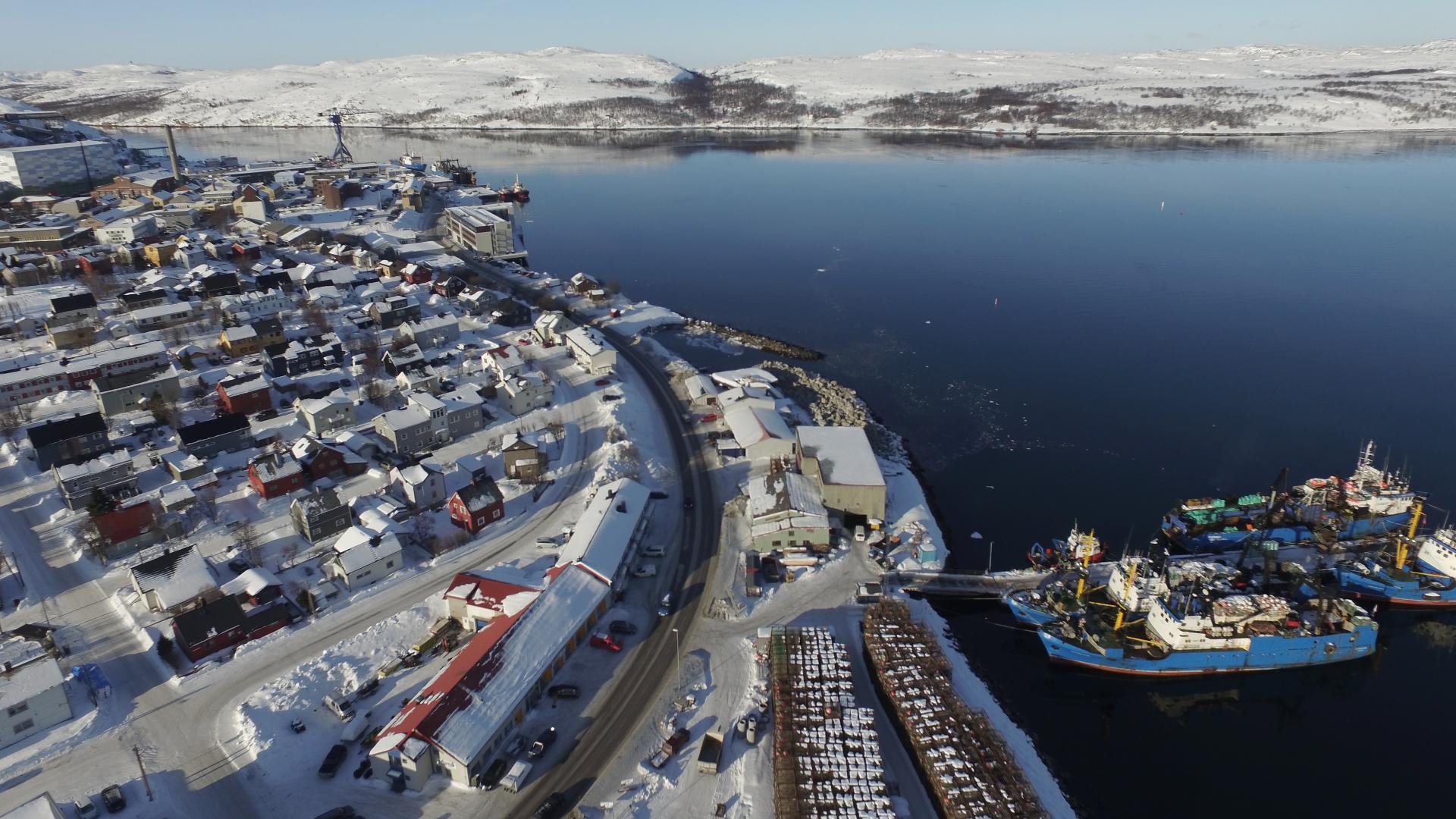
Vardø's population halved from the 1960s onward as the fishing industry collapsed. The town was widely described as dying. Then in 2012, the Komafest art festival invited twelve international street artists to paint the abandoned warehouses and buildings. The murals sparked a small revival, drawing visitors and inspiring some buildings to be renovated. Tourism increased, and the town began to reimagine itself as something beyond a former fishing port.
A short ferry ride away, the island of Hornøya hosts one of the richest seabird colonies in Northern Europe. And the nearby village of Kiberg, once called "Little Moscow" for its ties to Russia, has its own partisan museum telling the story of fishermen who fled to the Soviet Union during WWII and returned as resistance fighters, only to be surveilled by Norwegian intelligence for decades afterward. King Harald V apologised on behalf of the state in 1992.
The darkest chapter began on Christmas Eve 1617, when a catastrophic storm sank ten fishing boats and drowned 40 men, a majority of the village's males. Locals blamed witchcraft. What followed were the deadliest witch trials in Norwegian history, running from 1621 to 1663 across three waves. Ninety-one people, 77 women and 14 men, including several Sami, were burned at the stake, roughly one-third of all witch trial executions in Norway's entire history. Vardøhus Fortress, a star-shaped fortification still standing in the harbour, served as the judicial seat for these proceedings. Domen, the hill above town, was where witches allegedly met the devil.
The GLOBUS radar station, looming over town behind its enormous white radomes, is arguably the most provocative piece of Cold War hardware still operating in Europe. Norway and the United States began cooperating on it in the 1950s, and the first array became operational in 1988, just 50 kilometres from the Soviet border with a direct line of sight to the Kola Peninsula's nuclear submarine bases. Raytheon, the company that built the upgraded Globus II dish in California and shipped it to Vardø in 1999, once described it on their website as "originally designed to collect intelligence data against ballistic missiles." The US Department of Defense later asked Raytheon to remove that page. In 2000, a storm tore the protective radome clean off, exposing the dish for all to see, pointed directly at Russia. Norwegian intelligence acknowledged the obvious: "If you use a small part of the brain, you know this also has an intelligence mission." Russian general Leonid Ivashov confirmed to Norwegian media that tactical nuclear weapons had been programmed to target the station, making Vardø a designated nuclear target throughout the Cold War. The tensions never stopped. In March 2017, nine Russian bombers flew in attack formation toward the radar, turning back just before Norwegian airspace. Russia then deployed a Bal anti-ship missile system to the Sredny Peninsula, just 70 kilometres away. The Cold War never quite ended here.
Vardø's population halved from the 1960s onward as the fishing industry collapsed. The town was widely described as dying. Then in 2012, the Komafest art festival invited twelve international street artists to paint the abandoned warehouses and buildings. The murals sparked a small revival, drawing visitors and inspiring some buildings to be renovated. Tourism increased, and the town began to reimagine itself as something beyond a former fishing port.
A short ferry ride away, the island of Hornøya hosts one of the richest seabird colonies in Northern Europe. And the nearby village of Kiberg, once called "Little Moscow" for its ties to Russia, has its own partisan museum telling the story of fishermen who fled to the Soviet Union during WWII and returned as resistance fighters, only to be surveilled by Norwegian intelligence for decades afterward. King Harald V apologised on behalf of the state in 1992.