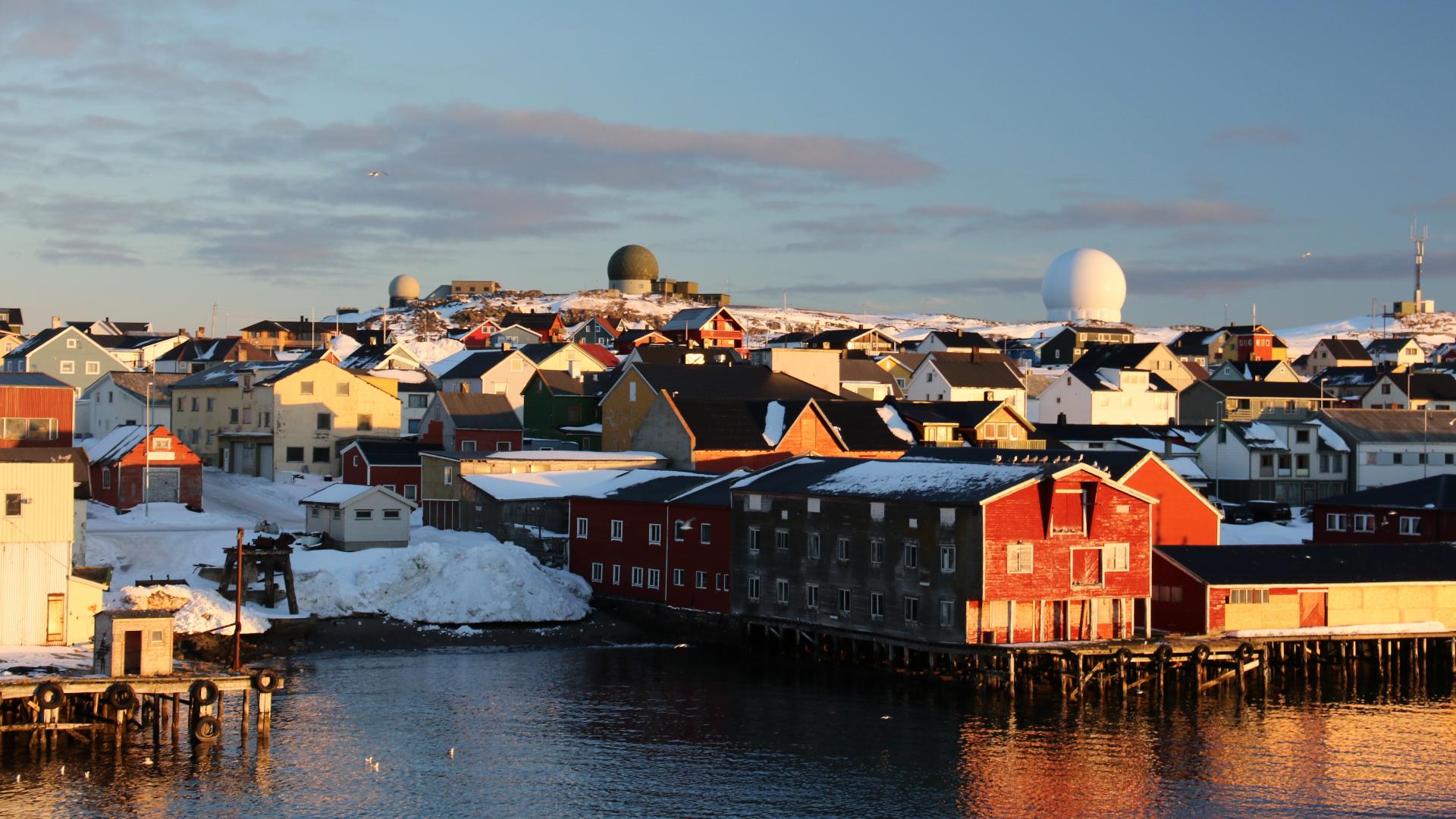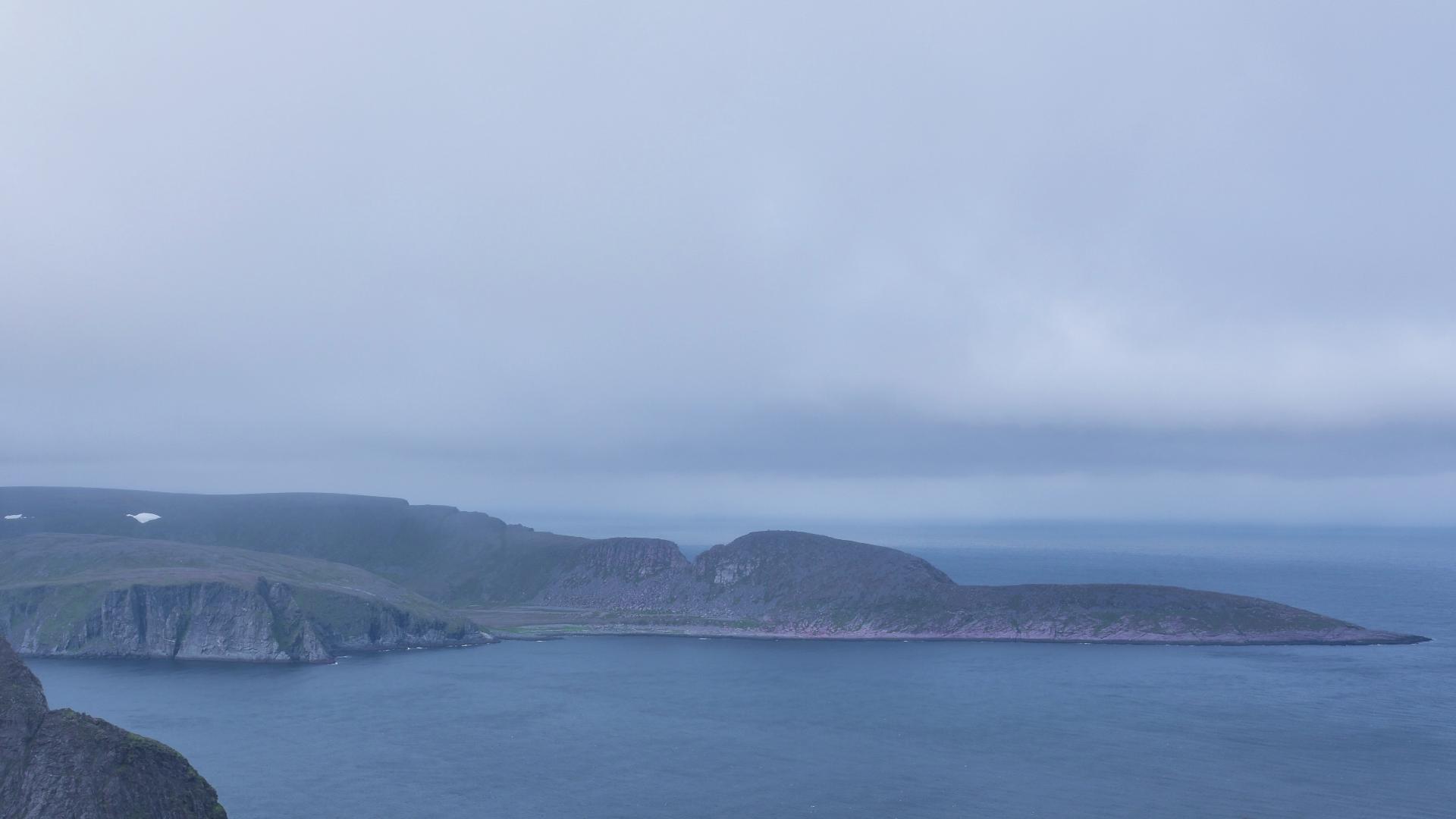
On the windswept coast of Vardø stands one of Norway's most powerful monuments. The Steilneset Memorial commemorates 91 people who were executed for witchcraft in Finnmark between 1600 and 1692. This was the worst witch persecution in Norwegian history.
At the time, Finnmark had only about 3,000 inhabitants, yet it accounted for a third of all death sentences in Norwegian witchcraft trials. The trials were triggered by a catastrophic storm on Christmas Eve 1617.
Forty men drowned when ten boats sank in the Barents Sea. Several women were accused of creating the storm through sorcery. Under torture, they confessed to making pacts with the devil, flying to sabbaths on the nearby mountain Domen, and causing the deaths of their neighbours.
Most of those executed were Norwegian women, but Sami men were also targeted. The authorities, many of whom came from Scotland, Germany and Denmark, viewed the indigenous Sami and their shamanic traditions with suspicion. They believed that evil came from the north.
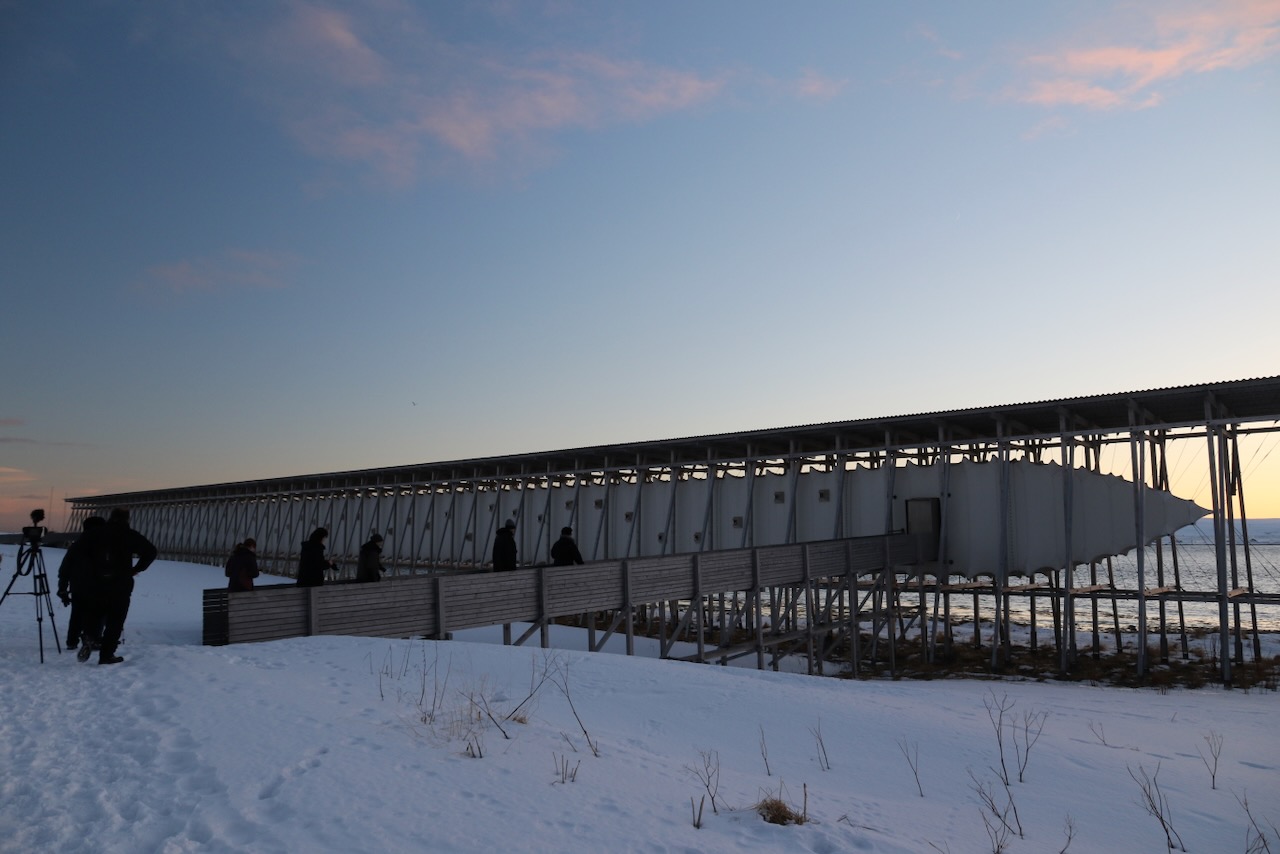
The memorial opened in 2011, designed by Swiss architect Peter Zumthor and French-American artist Louise Bourgeois. It was Bourgeois's last major work before her death. The two structures could not be more different, yet together they create something haunting. Zumthor's building is a long wooden frame, 125 metres in length, resembling the fish-drying racks found throughout northern Norway.
Inside, a suspended silk cocoon contains a corridor with 91 small windows, each holding a light bulb and a plaque telling the story of one victim. The texts are based on original court records. You walk through the names of the dead, reading their confessions and the accusations made against them. Bourgeois's installation sits nearby in a black glass cube. Inside is a steel chair with flames burning through its seat, surrounded by seven oval mirrors arranged like judges circling the condemned. There is no comfort here.
The memorial cost around $15 million, funded jointly by the town of Vardø, Finnmark County, the Varanger Museum and the Norwegian Public Roads Administration as part of the National Tourist Routes programme.
For a town of just 2,000 people struggling economically, this was a substantial investment. Not everyone in Vardø welcomed the memorial. Some locals felt shame about this chapter of their history and didn't want it commemorated.
The memorial stands on Steilneset itself, where the executions took place. It's a short walk from the town centre and free to enter. Descriptions are in Norwegian, but English leaflets are sometimes available.
At the time, Finnmark had only about 3,000 inhabitants, yet it accounted for a third of all death sentences in Norwegian witchcraft trials. The trials were triggered by a catastrophic storm on Christmas Eve 1617.
Forty men drowned when ten boats sank in the Barents Sea. Several women were accused of creating the storm through sorcery. Under torture, they confessed to making pacts with the devil, flying to sabbaths on the nearby mountain Domen, and causing the deaths of their neighbours.
Most of those executed were Norwegian women, but Sami men were also targeted. The authorities, many of whom came from Scotland, Germany and Denmark, viewed the indigenous Sami and their shamanic traditions with suspicion. They believed that evil came from the north.
The memorial opened in 2011, designed by Swiss architect Peter Zumthor and French-American artist Louise Bourgeois. It was Bourgeois's last major work before her death. The two structures could not be more different, yet together they create something haunting. Zumthor's building is a long wooden frame, 125 metres in length, resembling the fish-drying racks found throughout northern Norway.
Inside, a suspended silk cocoon contains a corridor with 91 small windows, each holding a light bulb and a plaque telling the story of one victim. The texts are based on original court records. You walk through the names of the dead, reading their confessions and the accusations made against them. Bourgeois's installation sits nearby in a black glass cube. Inside is a steel chair with flames burning through its seat, surrounded by seven oval mirrors arranged like judges circling the condemned. There is no comfort here.
The memorial cost around $15 million, funded jointly by the town of Vardø, Finnmark County, the Varanger Museum and the Norwegian Public Roads Administration as part of the National Tourist Routes programme.
For a town of just 2,000 people struggling economically, this was a substantial investment. Not everyone in Vardø welcomed the memorial. Some locals felt shame about this chapter of their history and didn't want it commemorated.
The memorial stands on Steilneset itself, where the executions took place. It's a short walk from the town centre and free to enter. Descriptions are in Norwegian, but English leaflets are sometimes available.