The Tanaelva, the Tana River, is one of the great Atlantic salmon rivers of Europe. At over 360 kilometres from its source in Finland to the Tanafjorden, it forms the border between Norway and Finland for much of its length and has supported Sami communities for thousands of years. Salmon exceeding 30 kilograms have been caught here.
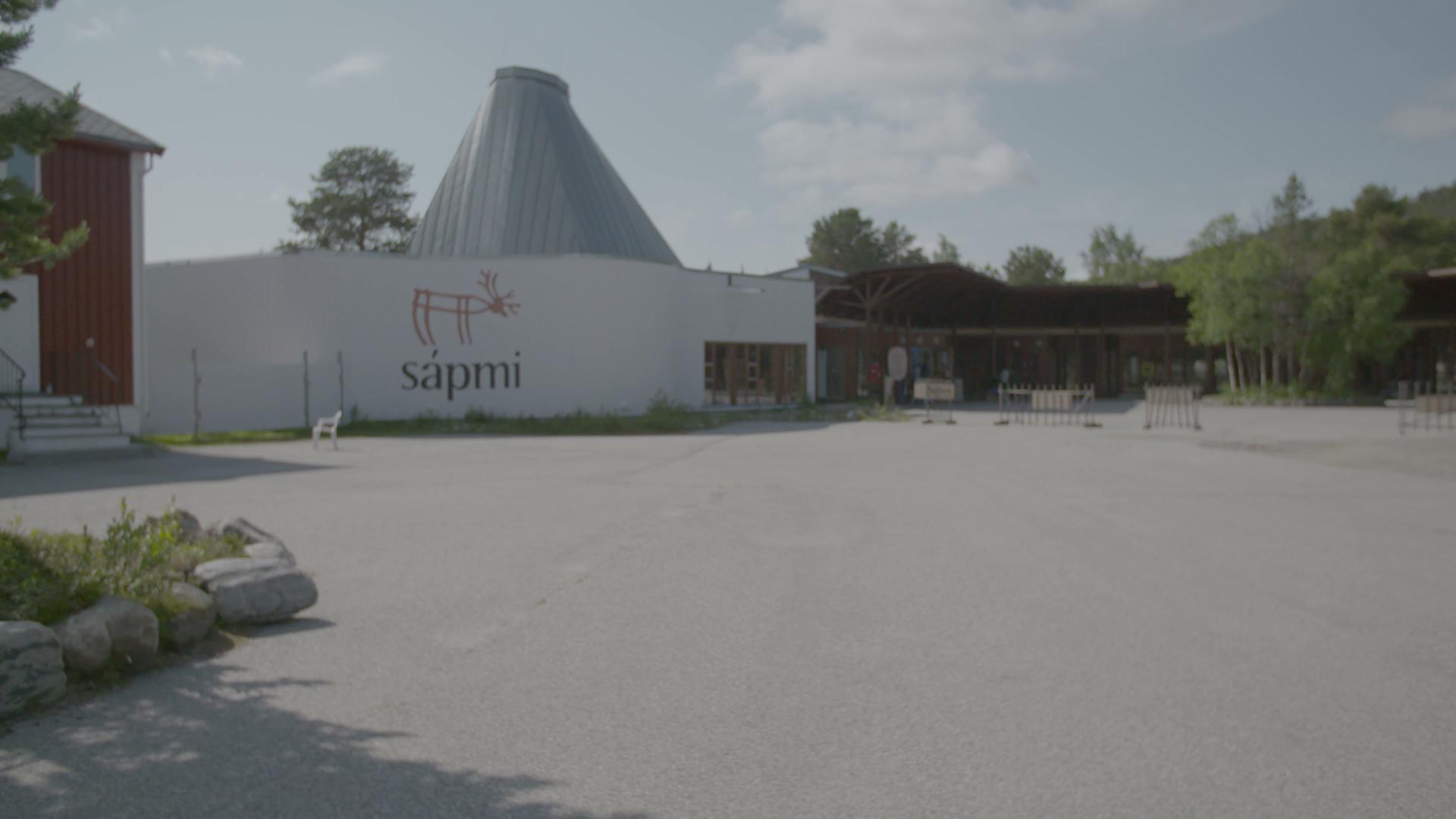
Tana bru, the main settlement, sits at the bridge where the E6 crosses the river. The area is a Sami heartland, with traditional reindeer herding still shaping the landscape and culture. The river itself is the centre of life: fishing rights along the Tana have been a source of both livelihood and conflict, with recent restrictions on catches causing tension between traditional Sami fishing practices and conservation measures. The debates over fishing quotas here are not just about biology; they touch on indigenous rights, traditional knowledge, and the question of who gets to manage a resource that predates the Norwegian state.
The municipality carries a darker recent chapter. After the collapse of the Soviet Union, Russian women were trafficked across the border into Finnmark. At Skiippagurra, a small Sami village in the Tana valley, a campground became the centre of organized prostitution through the late 1990s. Russian women and girls, some very young, were bused in and sold to local and visiting men. The trade became so normalized that it warped the social fabric of the community: schoolboys lost their virginity with the trafficked women, sexual harassment of local girls escalated, and neighbours felt powerless to intervene. It took the combined effort of Sami women's organizations from Norway, Finland, and Russia, along with the activist group Kvinnegruppa Ottar, to confront what was happening. The campground owner was convicted for facilitating prostitution, and the municipality eventually shut the establishment down. The scandal was one of the catalysts for Norway's 2009 law criminalizing the purchase of sex.
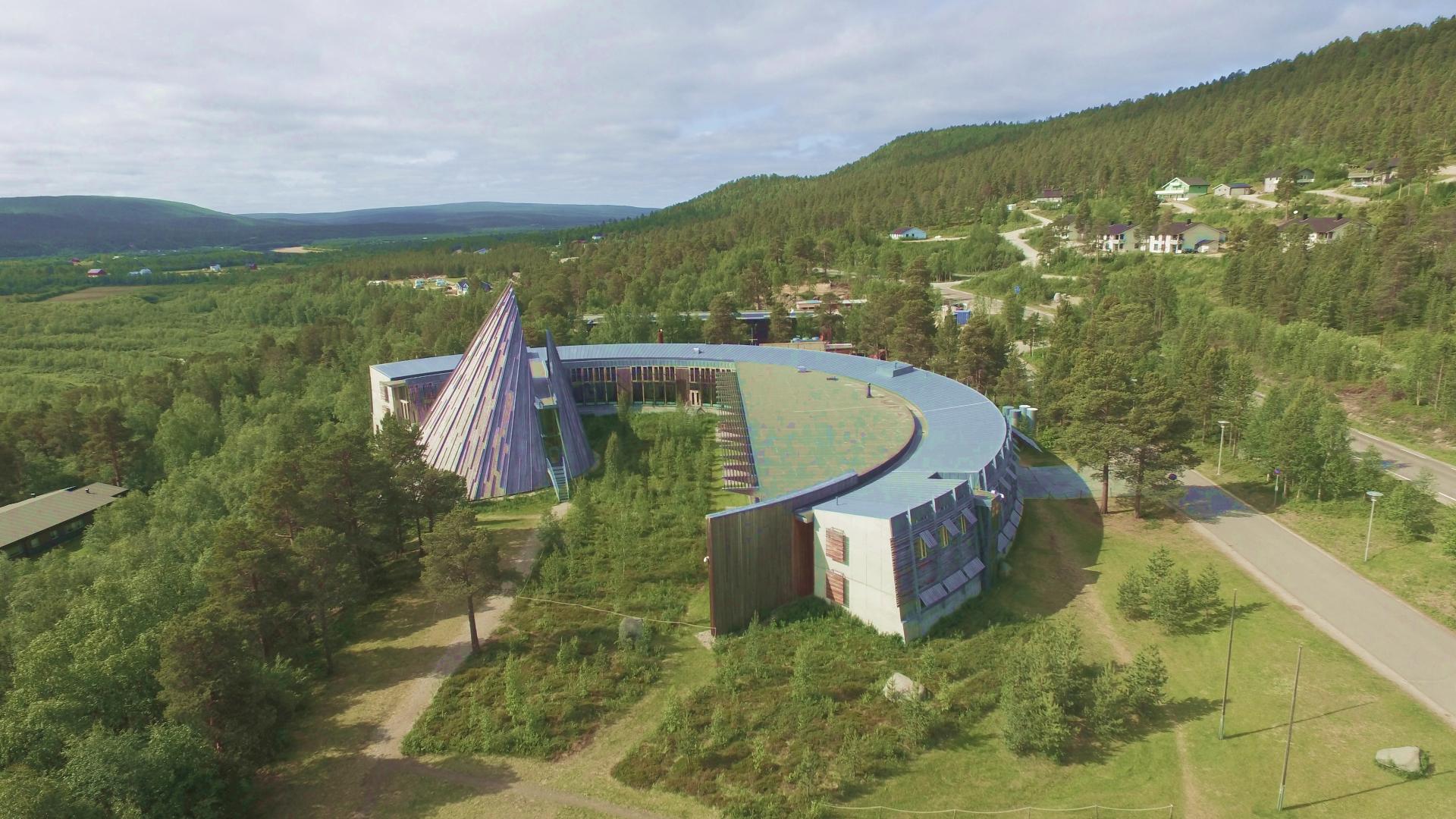
The surrounding landscape is vast and open, with birch forest giving way to the Finnmarksvidda plateau. The Tana valley is a natural corridor between the coast and the interior, and in summer the midnight sun turns the river to gold.
Tana bru, the main settlement, sits at the bridge where the E6 crosses the river. The area is a Sami heartland, with traditional reindeer herding still shaping the landscape and culture. The river itself is the centre of life: fishing rights along the Tana have been a source of both livelihood and conflict, with recent restrictions on catches causing tension between traditional Sami fishing practices and conservation measures. The debates over fishing quotas here are not just about biology; they touch on indigenous rights, traditional knowledge, and the question of who gets to manage a resource that predates the Norwegian state.
The municipality carries a darker recent chapter. After the collapse of the Soviet Union, Russian women were trafficked across the border into Finnmark. At Skiippagurra, a small Sami village in the Tana valley, a campground became the centre of organized prostitution through the late 1990s. Russian women and girls, some very young, were bused in and sold to local and visiting men. The trade became so normalized that it warped the social fabric of the community: schoolboys lost their virginity with the trafficked women, sexual harassment of local girls escalated, and neighbours felt powerless to intervene. It took the combined effort of Sami women's organizations from Norway, Finland, and Russia, along with the activist group Kvinnegruppa Ottar, to confront what was happening. The campground owner was convicted for facilitating prostitution, and the municipality eventually shut the establishment down. The scandal was one of the catalysts for Norway's 2009 law criminalizing the purchase of sex.
The surrounding landscape is vast and open, with birch forest giving way to the Finnmarksvidda plateau. The Tana valley is a natural corridor between the coast and the interior, and in summer the midnight sun turns the river to gold.