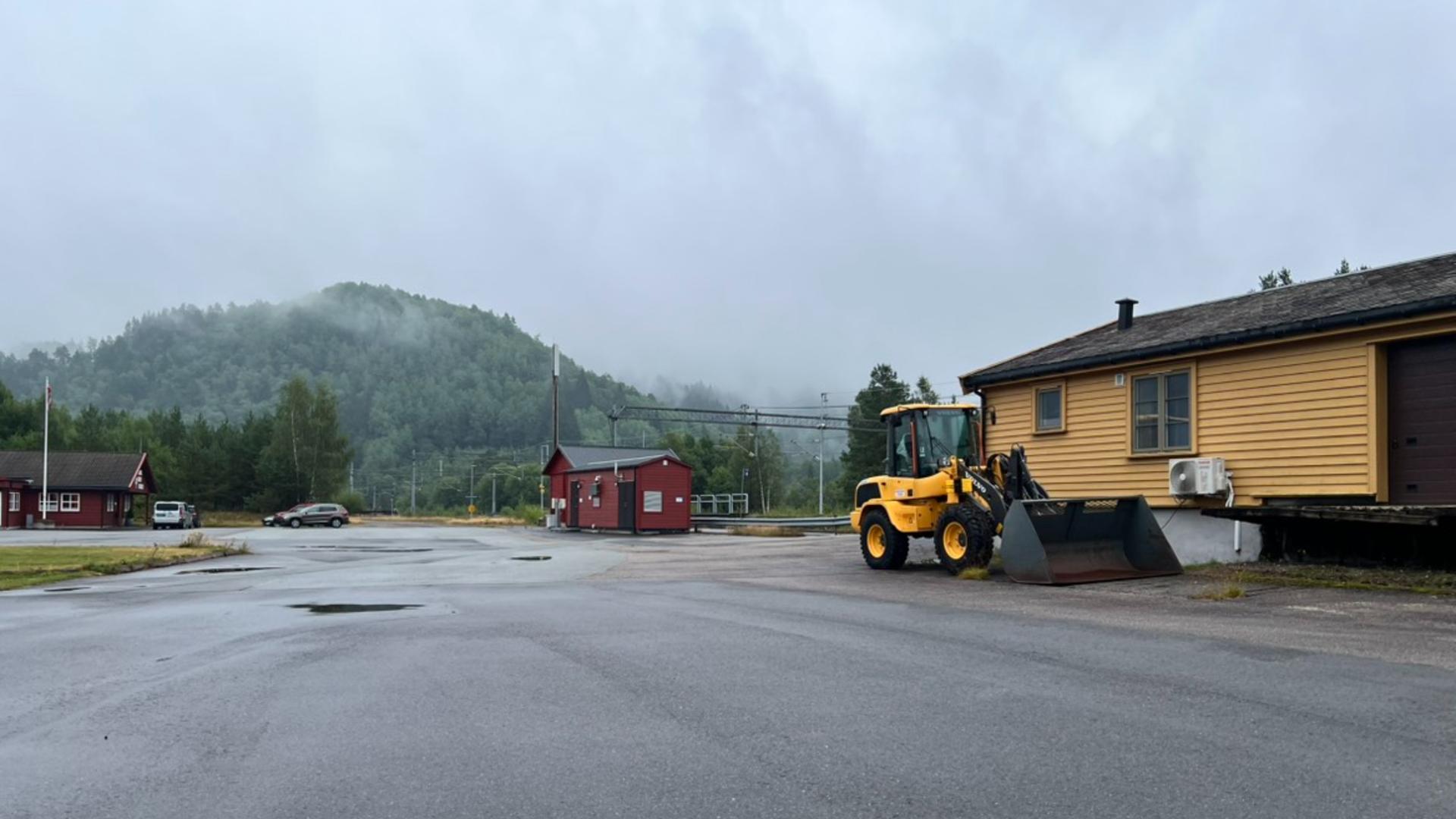
Marnardal station sits along the river Mandalselva, about 1.5 kilometres north of Heddeland, the former administrative centre of Marnardal municipality (merged into Lindesnes in 2020). The Old Norse name Marnardalr combines the river name Marna with dalr, valley.
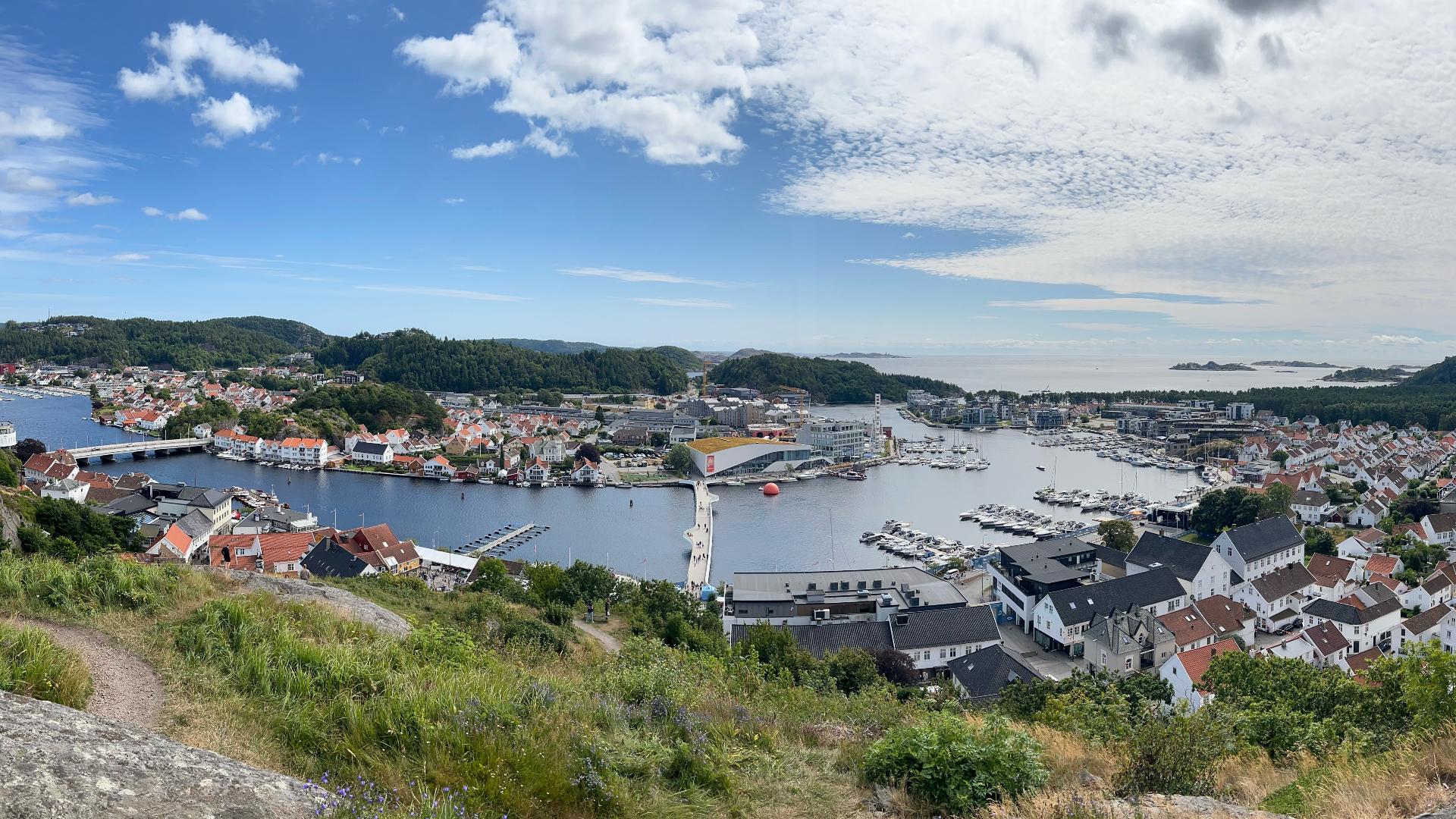
If you look out the window and wonder why this railway runs through empty valleys instead of connecting the actual towns of Southern Norway, you are not the first to ask. Where the Sørlandsbanen should go was a fifty-year debate in the Norwegian parliament. A coastal route through Mandal, Lyngdal, Farsund, and Flekkefjord would have served far more people, but the interior won out. The inland line was shorter and cheaper to build. Coastal towns already had shipping, while the interior had almost no transport links. And a railway away from the sea could not be shelled by warships.
Parliament chose this so-called middle line, and the German occupiers completed it during World War II. The stretch between Kristiansand and Sira opened in December 1943, and the full Oslo-Stavanger service began on 1 May 1944. The Germans used it for troop and material transport.
The result is a railway that bypasses every major Sørlandet town west of Kristiansand. Those coastal towns are served by buses instead. Whether the interior route was the right choice remains debated to this day.
If you look out the window and wonder why this railway runs through empty valleys instead of connecting the actual towns of Southern Norway, you are not the first to ask. Where the Sørlandsbanen should go was a fifty-year debate in the Norwegian parliament. A coastal route through Mandal, Lyngdal, Farsund, and Flekkefjord would have served far more people, but the interior won out. The inland line was shorter and cheaper to build. Coastal towns already had shipping, while the interior had almost no transport links. And a railway away from the sea could not be shelled by warships.
Parliament chose this so-called middle line, and the German occupiers completed it during World War II. The stretch between Kristiansand and Sira opened in December 1943, and the full Oslo-Stavanger service began on 1 May 1944. The Germans used it for troop and material transport.
The result is a railway that bypasses every major Sørlandet town west of Kristiansand. Those coastal towns are served by buses instead. Whether the interior route was the right choice remains debated to this day.