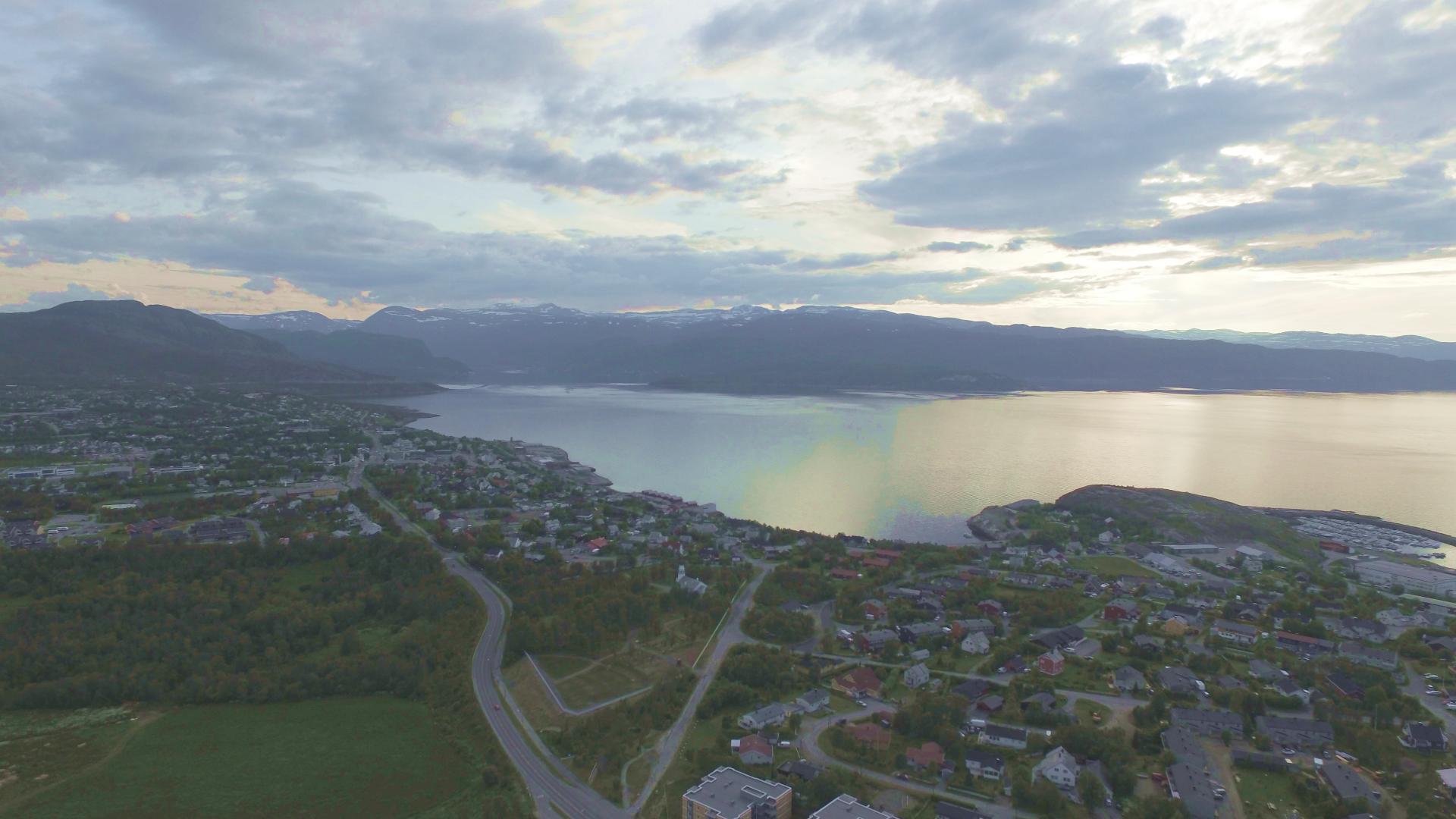
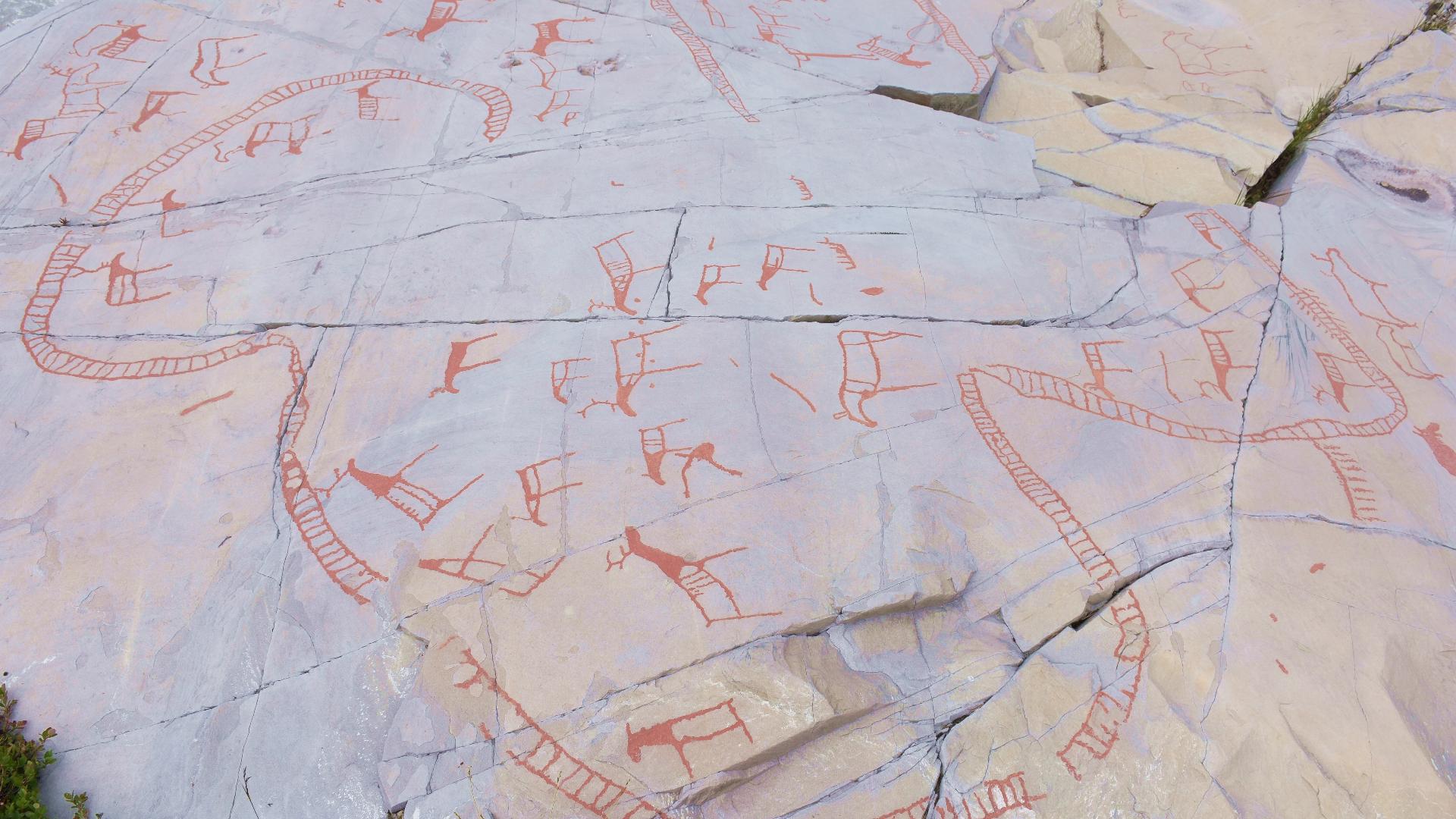
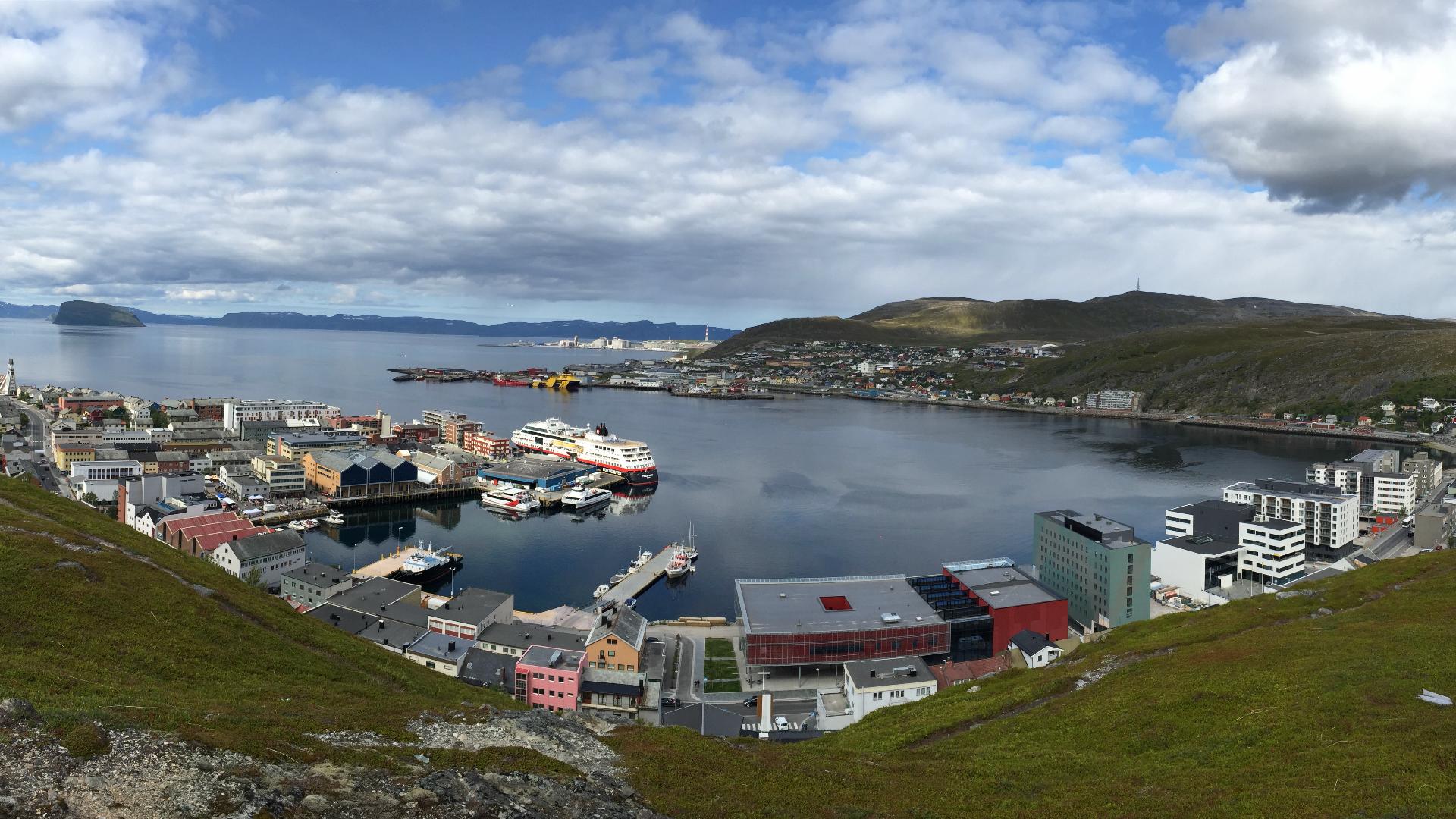
Lakselv sits at the head of the Porsangerfjord, one of Norway's longest fjords at 123 kilometres, stretching from the Finnmarksvidda plateau all the way to the Arctic Ocean. The town is the administrative centre of Porsanger municipality and a crossroads where three cultures meet daily: Norwegian, Sami, and Kven, the descendants of Finnish immigrants who settled here centuries ago.
Lakselv is not a destination in itself, but it is the gateway to almost everything else. Banak Airport, just 1.5 kilometres from the town centre, is the main air hub for inner Finnmark. The E6 passes through on its way between Karasjok and the North Cape, and the Rv98 branches east toward Tana. Nearly every road trip through Finnmark passes through Lakselv at some point.
The Porsangerfjord itself is worth attention. On calm, windless days it looks like a vast Arctic pond, deceptively gentle for something that reaches deep into the interior of Finnmark. The western shore holds the most to see: Trollholmsund and its 700-million-year-old dolomite rock formations, the Stabbursnes nature centre, and the world's northernmost pine forest in Stabbursdalen. King crab fishing is available in the fjord, and salmon runs up the Lakselva river draw fly fishers from across Europe.
The town was destroyed in 1944 along with the rest of Finnmark and rebuilt from scratch. The Porsanger Museum documents the three-culture heritage of the area.
Lakselv is not a destination in itself, but it is the gateway to almost everything else. Banak Airport, just 1.5 kilometres from the town centre, is the main air hub for inner Finnmark. The E6 passes through on its way between Karasjok and the North Cape, and the Rv98 branches east toward Tana. Nearly every road trip through Finnmark passes through Lakselv at some point.
The Porsangerfjord itself is worth attention. On calm, windless days it looks like a vast Arctic pond, deceptively gentle for something that reaches deep into the interior of Finnmark. The western shore holds the most to see: Trollholmsund and its 700-million-year-old dolomite rock formations, the Stabbursnes nature centre, and the world's northernmost pine forest in Stabbursdalen. King crab fishing is available in the fjord, and salmon runs up the Lakselva river draw fly fishers from across Europe.
The town was destroyed in 1944 along with the rest of Finnmark and rebuilt from scratch. The Porsanger Museum documents the three-culture heritage of the area.