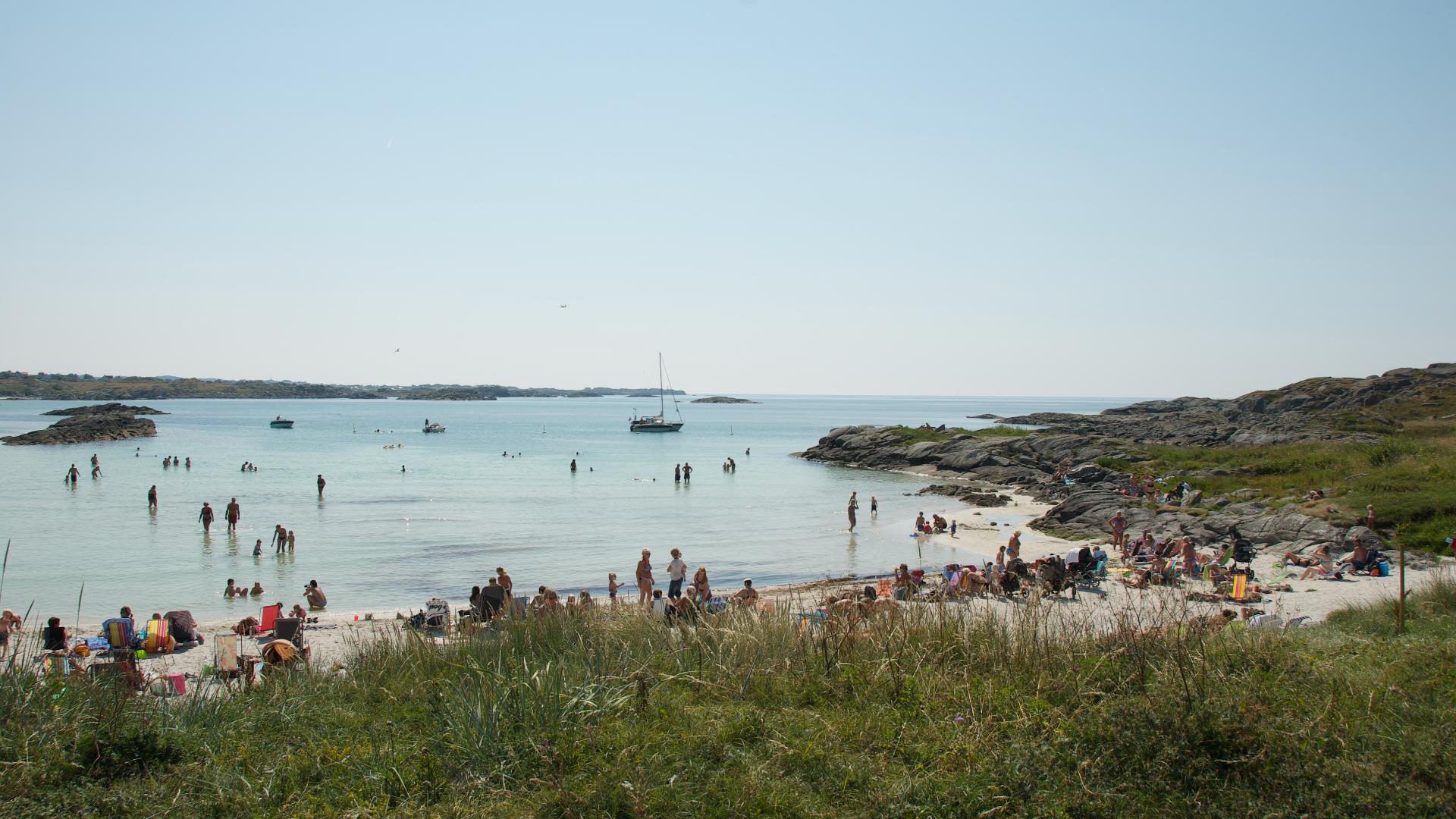
Norway's only lobster museum opened in 2013 on Kvitsøy, operated as a branch of Ryfylkemuseet. The island was once the centre of Norway's European lobster trade. From the 1700s, Kvitsøy fishermen caught lobsters and stored them alive in hummerparker, submerged stone enclosures in sheltered coves where the animals were kept until prices were right or a buyer's vessel arrived. At the trade's peak in the 1950s, eight lobster parks on the island held up to 160,000 live lobsters at a time, most destined for the British market.
The museum documents this entire cycle: how the traps were built and baited, how the parks functioned as natural holding tanks using tidal flow, and how the trade was organized through middlemen, export agents, and the English "well-smacks," sailing vessels with flooded holds that carried live lobsters to London. The collection includes original traps, tools, photographs, and oral history recordings from the last generation of commercial lobster fishermen. A reconstructed lobster park can be visited near the museum.
Since the 1960s, wild lobster stocks along the Norwegian coast collapsed from overfishing and habitat changes. Kvitsøy is now home to a volunteer-run lobster hatchery that breeds and releases juvenile lobsters to rebuild the local population. The hatchery is connected to the museum and visitors can see the rearing tanks. The island is reached by car ferry from Mekjarvik; the museum and hatchery are within walking distance of the ferry quay.
The museum documents this entire cycle: how the traps were built and baited, how the parks functioned as natural holding tanks using tidal flow, and how the trade was organized through middlemen, export agents, and the English "well-smacks," sailing vessels with flooded holds that carried live lobsters to London. The collection includes original traps, tools, photographs, and oral history recordings from the last generation of commercial lobster fishermen. A reconstructed lobster park can be visited near the museum.
Since the 1960s, wild lobster stocks along the Norwegian coast collapsed from overfishing and habitat changes. Kvitsøy is now home to a volunteer-run lobster hatchery that breeds and releases juvenile lobsters to rebuild the local population. The hatchery is connected to the museum and visitors can see the rearing tanks. The island is reached by car ferry from Mekjarvik; the museum and hatchery are within walking distance of the ferry quay.