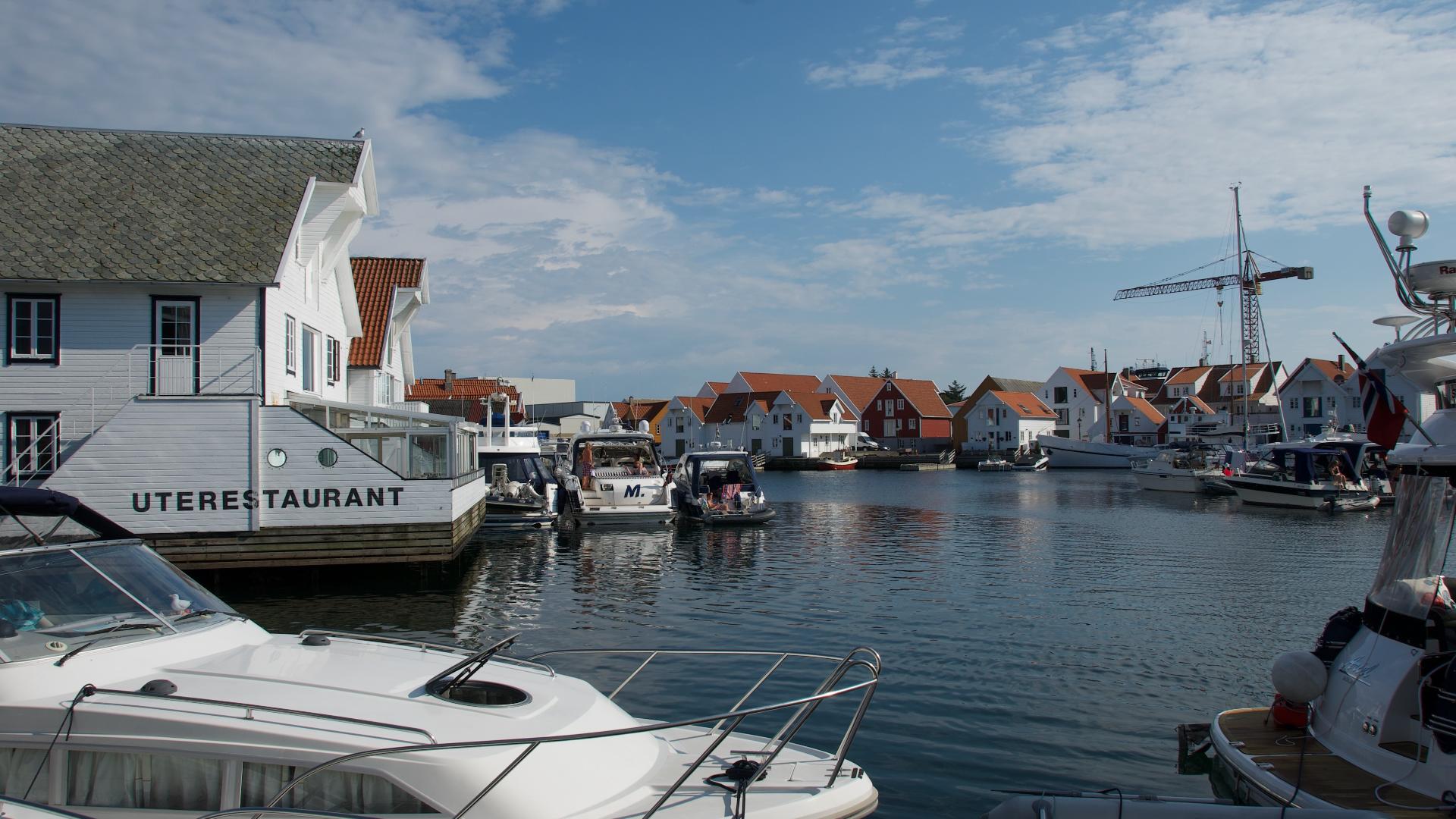
Skudeneshavn sits at the southern tip of Karmøy and is often called Norway's best-preserved small town. The old town has about 130 white wooden houses from the 1800s, most built between 1840 and 1860 when herring fishing made this place wealthy. Over 85 percent of the original buildings are still standing, which is remarkable. The whole area is protected under Norway's Cultural Heritage Act.
The town grew fast during the herring boom. Fishermen, merchants, and craftsmen from Rogaland and Agder settled here, and the houses they built, mostly in Empire style, give the streets their character today. When the herring disappeared, so did the growth, which is partly why so much was preserved. There was simply no money to tear things down and build new.
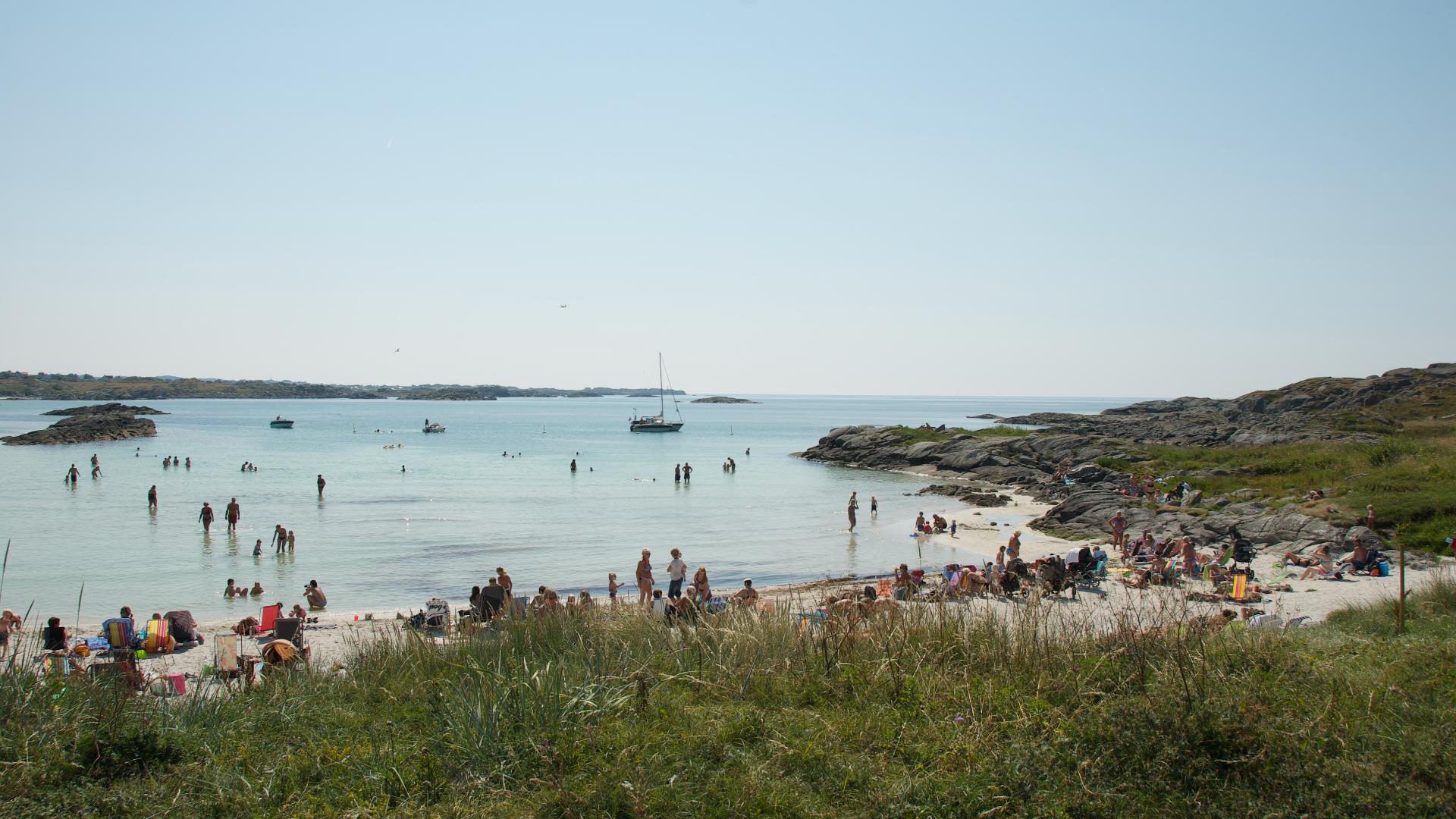
The best time to visit is on a warm summer day, when the white houses, cobblestone streets, and harbour look their best. In winter the town is quiet and most things are closed. There is a small local museum and a few cafes in the old town.
Skudeneshavn has a population of about 3,200. It is a living town, not a museum village, so the houses are actual homes. Be respectful when walking through the residential streets.
The town grew fast during the herring boom. Fishermen, merchants, and craftsmen from Rogaland and Agder settled here, and the houses they built, mostly in Empire style, give the streets their character today. When the herring disappeared, so did the growth, which is partly why so much was preserved. There was simply no money to tear things down and build new.
The best time to visit is on a warm summer day, when the white houses, cobblestone streets, and harbour look their best. In winter the town is quiet and most things are closed. There is a small local museum and a few cafes in the old town.
Skudeneshavn has a population of about 3,200. It is a living town, not a museum village, so the houses are actual homes. Be respectful when walking through the residential streets.