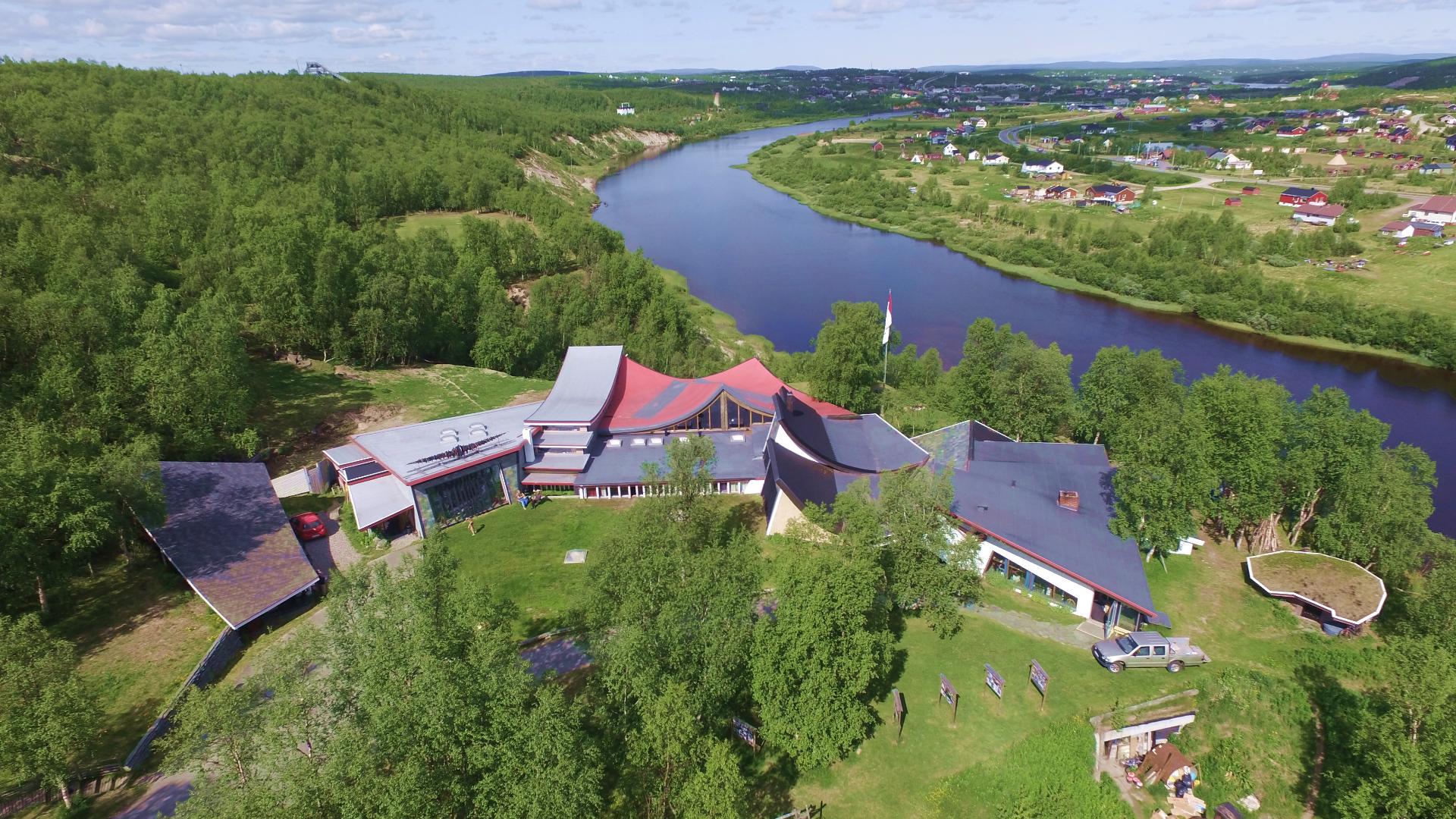
The Kautokeino Municipal Museum sits on the banks of the Kautokeinoelva in the town centre, part of the RiddoDuottarMuseat foundation that manages Sami cultural heritage across Finnmark.
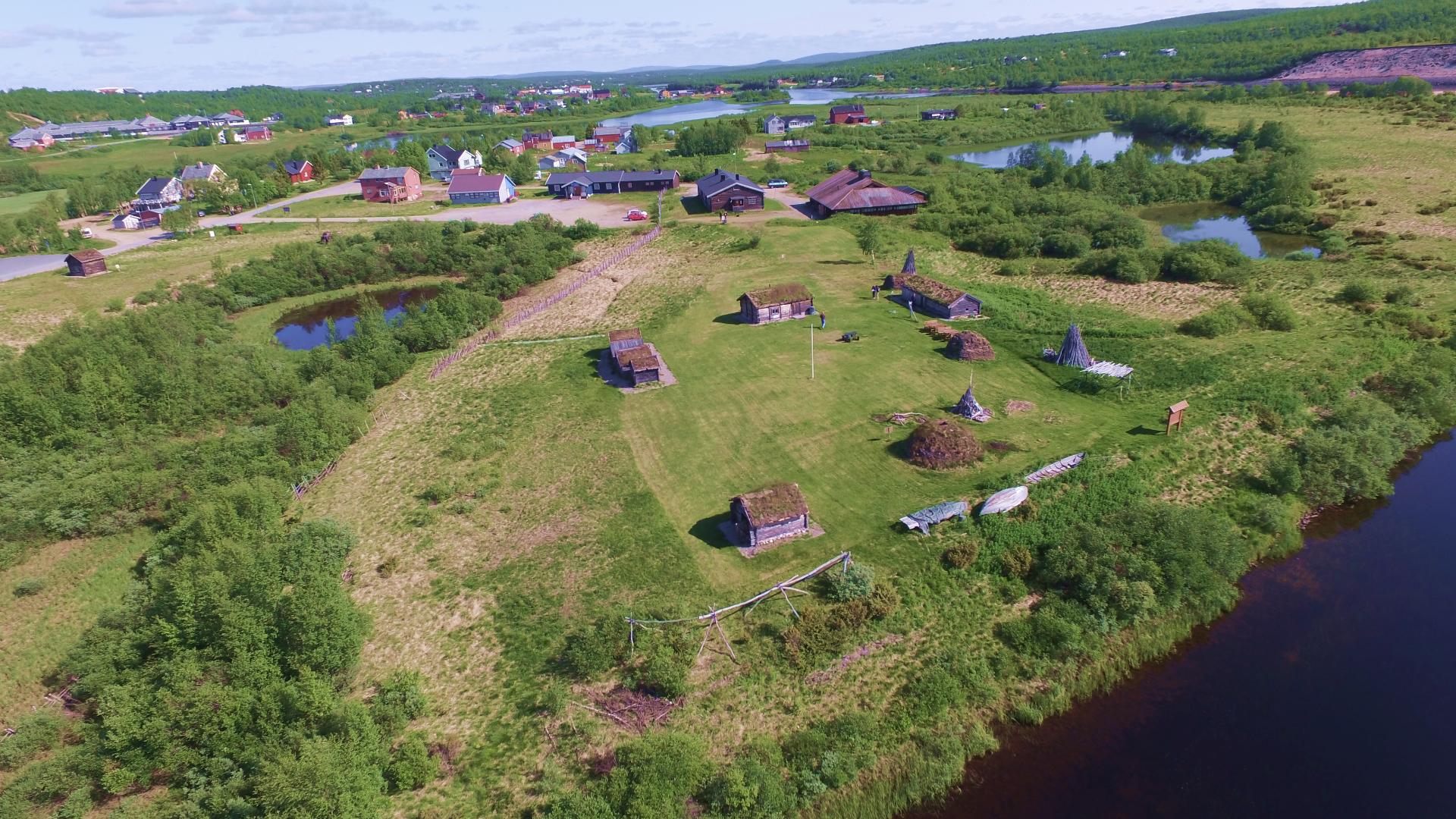
Inside, the museum focuses on local Sami art and the traditional tools that defined life on the Finnmarksvidda plateau: reindeer herding equipment, hunting gear, textile work, and the everyday objects of a semi-nomadic people. The outdoor open-air section complements the indoor exhibitions with original buildings, peat moss tents, and reindeer husbandry displays that show how life was lived here roughly a hundred years ago.
The museum provides context for what you see around Kautokeino today. The reindeer-skin tents, the herding lasso technique, the wooden storage structures built to keep provisions safe from wolverines; all of these are not just museum pieces but living traditions still practised in the surrounding landscape. For visitors coming from the coast, where Norwegian culture dominates, this is often the first encounter with how fundamentally different Sami material culture is.
Inside, the museum focuses on local Sami art and the traditional tools that defined life on the Finnmarksvidda plateau: reindeer herding equipment, hunting gear, textile work, and the everyday objects of a semi-nomadic people. The outdoor open-air section complements the indoor exhibitions with original buildings, peat moss tents, and reindeer husbandry displays that show how life was lived here roughly a hundred years ago.
The museum provides context for what you see around Kautokeino today. The reindeer-skin tents, the herding lasso technique, the wooden storage structures built to keep provisions safe from wolverines; all of these are not just museum pieces but living traditions still practised in the surrounding landscape. For visitors coming from the coast, where Norwegian culture dominates, this is often the first encounter with how fundamentally different Sami material culture is.