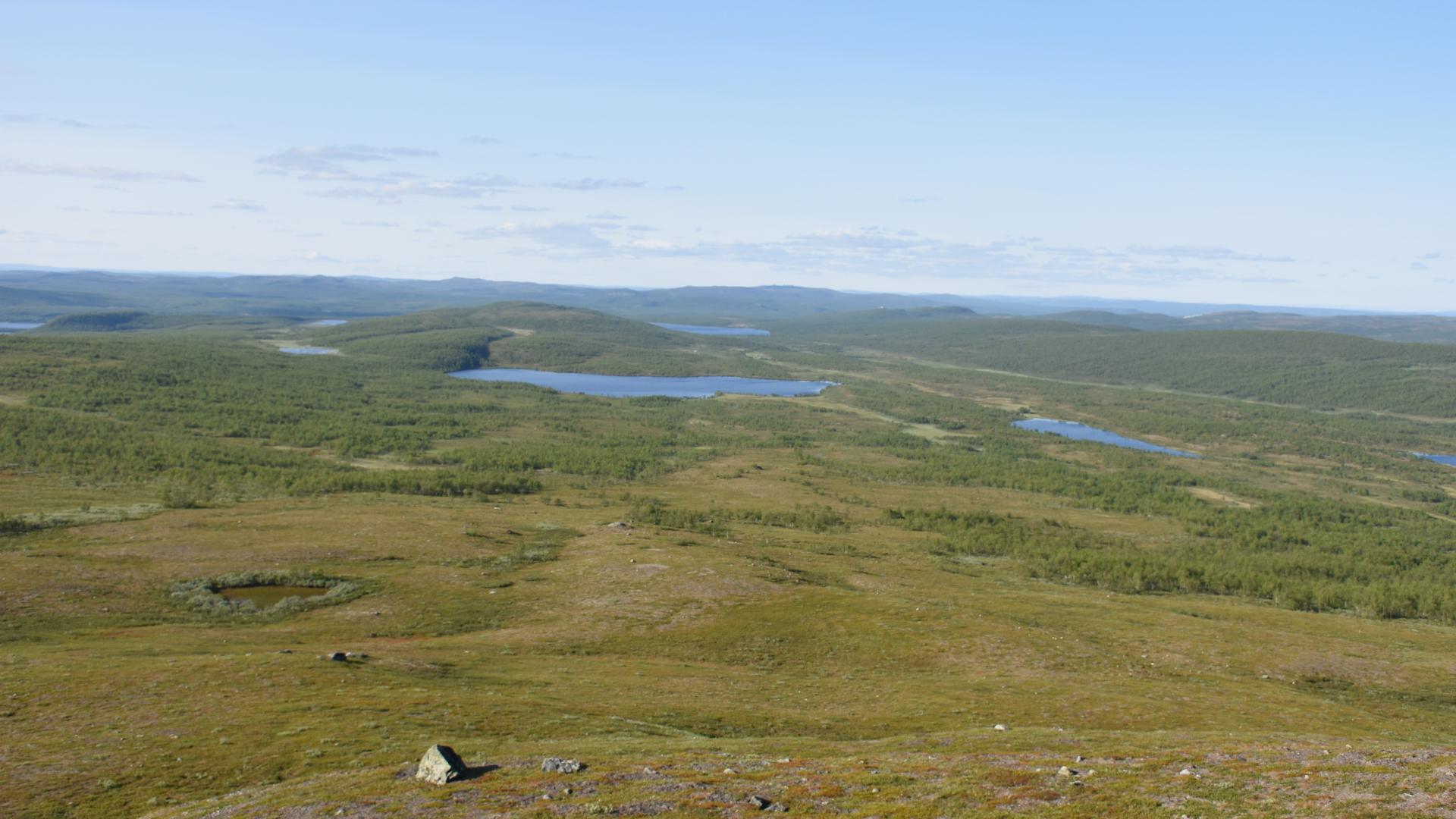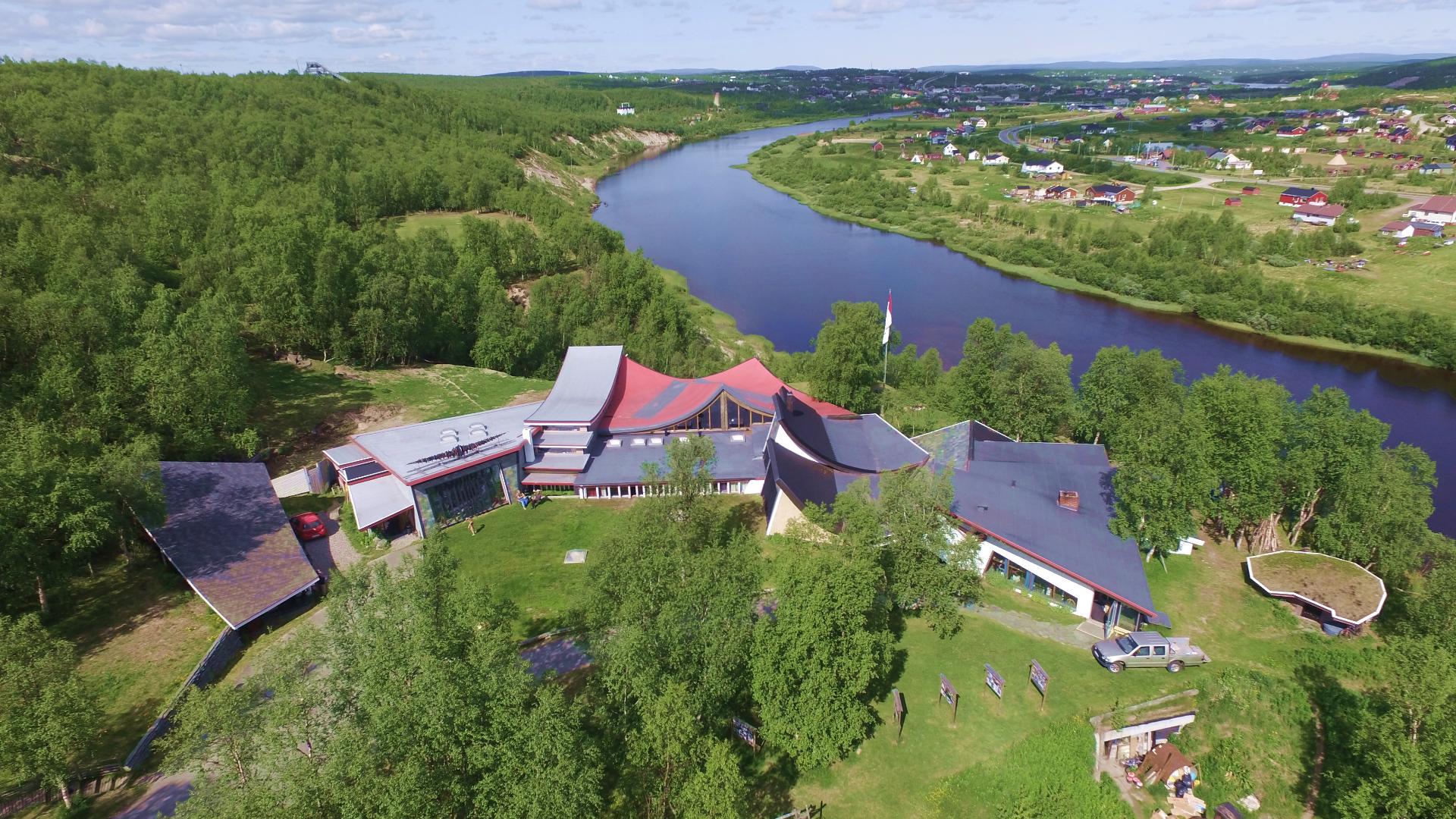
Juhls Silversmithy is Northern Europe's largest private art gallery, and it sits in one of the most unlikely locations imaginable: two kilometres south of Kautokeino, on the open Finnmarksvidda plateau.
The story begins in the 1950s, when then Danish Frank Juhls and German-born Regine found their way to Kautokeino independently and found each other. Neither was a silversmith at the time. Regine had joined a nomadic Sami family, looking after children and chopping wood. Frank had built himself a cabin by the river. The Sami traditionally wear their wealth as silver jewellery, practical for a people constantly on the move with their reindeer herds, and when locals noticed the couple's artistic abilities, they started asking Frank and Regine to repair their silver pieces. That was how two outsiders accidentally became silversmiths. They started the gallery in 1959, and a new room was added roughly each decade, growing into the sprawling complex of interconnected buildings visitors see today.
The silverwork draws on Sami design traditions but has evolved far beyond repair work. Regine's abstract jewellery designs, inspired by Arctic nature, are now considered modern classics. Juhls produces and sells their own jewellery across Norway, including a shop at Bryggen in Bergen. The gallery draws visitors year-round, though it comes especially alive during the Easter Festival, when it hosts classical concerts against the backdrop of silver, art, and the plateau landscape outside.
The building itself is worth the visit even beyond the art. Each room flows into the next with unexpected angles, natural materials, and light that changes with the Arctic seasons. It is one of those rare places where the container is as remarkable as the contents.
The story begins in the 1950s, when then Danish Frank Juhls and German-born Regine found their way to Kautokeino independently and found each other. Neither was a silversmith at the time. Regine had joined a nomadic Sami family, looking after children and chopping wood. Frank had built himself a cabin by the river. The Sami traditionally wear their wealth as silver jewellery, practical for a people constantly on the move with their reindeer herds, and when locals noticed the couple's artistic abilities, they started asking Frank and Regine to repair their silver pieces. That was how two outsiders accidentally became silversmiths. They started the gallery in 1959, and a new room was added roughly each decade, growing into the sprawling complex of interconnected buildings visitors see today.
The silverwork draws on Sami design traditions but has evolved far beyond repair work. Regine's abstract jewellery designs, inspired by Arctic nature, are now considered modern classics. Juhls produces and sells their own jewellery across Norway, including a shop at Bryggen in Bergen. The gallery draws visitors year-round, though it comes especially alive during the Easter Festival, when it hosts classical concerts against the backdrop of silver, art, and the plateau landscape outside.
The building itself is worth the visit even beyond the art. Each room flows into the next with unexpected angles, natural materials, and light that changes with the Arctic seasons. It is one of those rare places where the container is as remarkable as the contents.