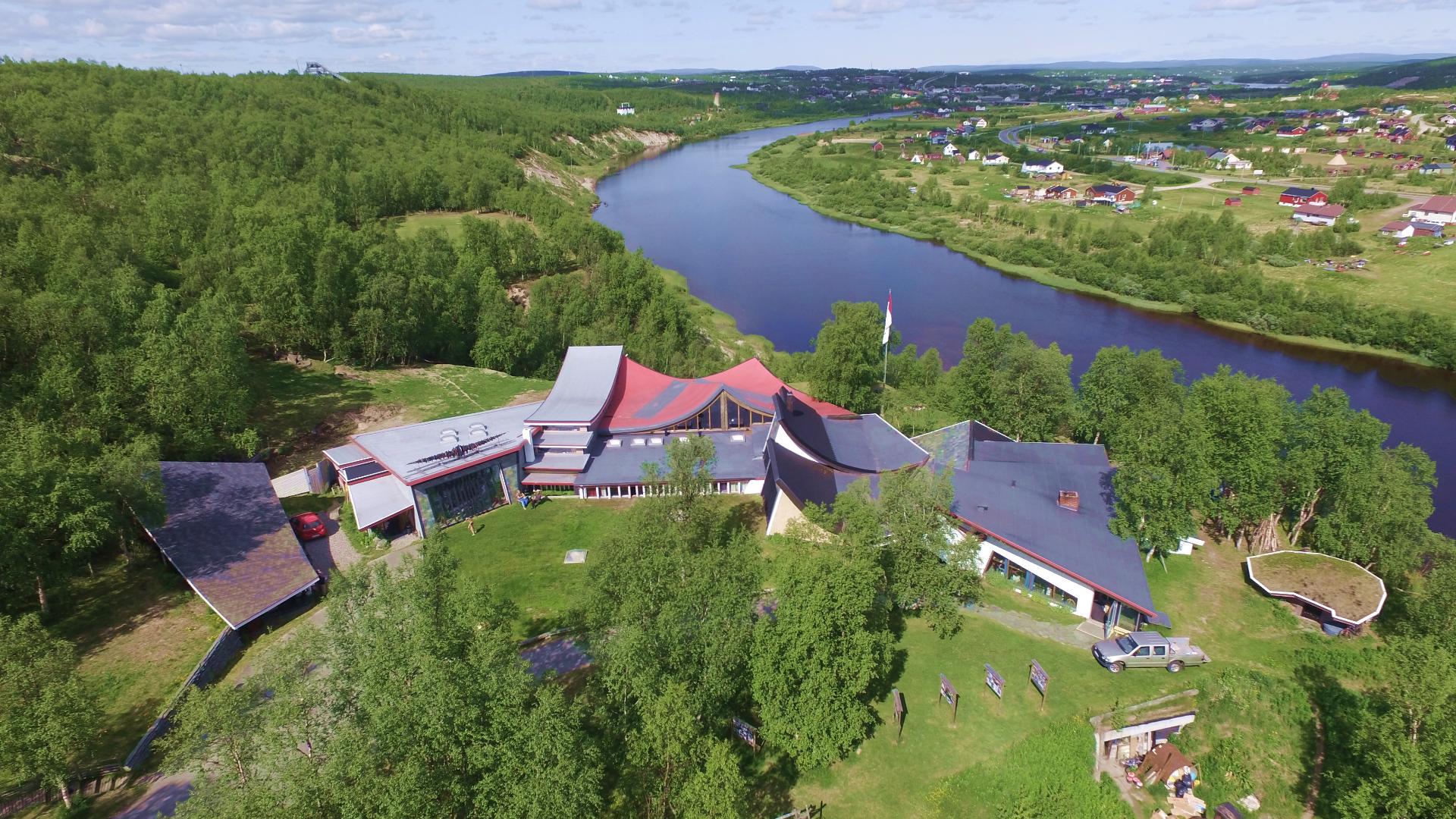
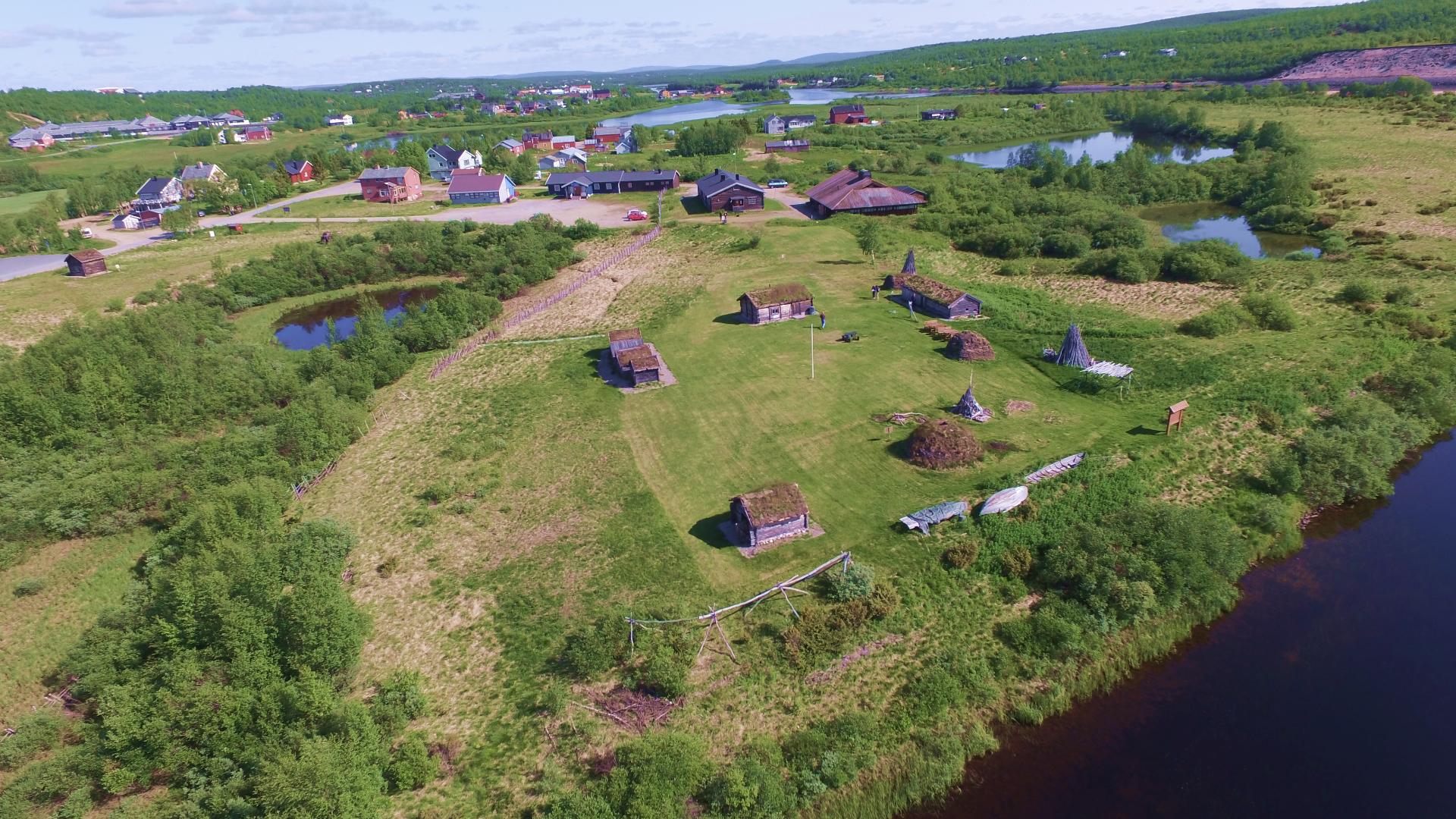
Kautokeino or Guovdageaidnu, as the Sami call it, is the heart of Sápmi. Around 90 percent of its 2,900 residents speak Sami as their first language, making it the most Sami-speaking municipality in Norway. There are more reindeer than people here, and the herders you meet are not dressed up for tourists; they are working.
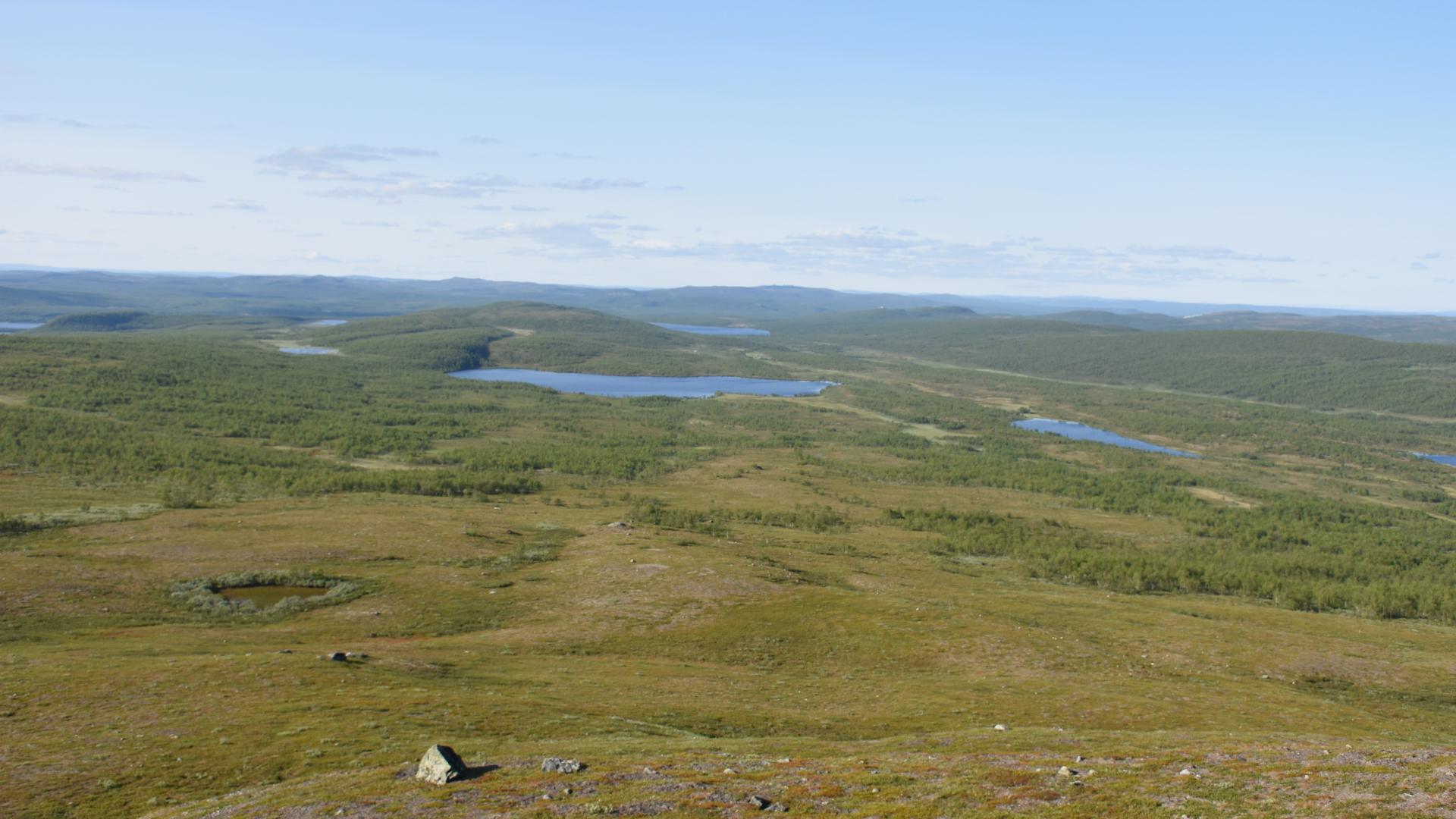
Kautokeino sits on the vast Finnmarksvidda plateau, Norway's largest municipality by area at 9,687 square kilometres, bordering Finland to the south. Winter temperatures regularly drop to minus 30 or 40 degrees. It is remote, it is extreme, and it is the real thing.
The town's darkest chapter came on 8 November 1852, when a group of Sami reindeer herders, inspired by the Laestadian religious revival, attacked the local authorities. They killed the merchant Carl Johan Ruth, who had been exploiting alcoholic Sami through liquor sales and debt traps, along with the sheriff. Two leaders, Mons Somby and Aslak Hætta, were executed, the last people put to death in Norway before abolition of the death penalty. The uprising remains the only violent confrontation between Sami and Norwegian authorities with loss of life, and director Nils Gaup turned it into a major film in 2008.
The Easter Festival, Påskefestivalen, transforms the town each spring. This is traditionally when reindeer herders gather before summer migration, a time for weddings with over a thousand guests, christenings, and confirmations. The festival features world championship reindeer racing, where competitors are pulled on skis behind charging reindeer, world championship lassoing, the Sámi Grand Prix music competition, snowmobile racing, and traditional duodji handicraft markets. Locals wear their finest traditional dress, and the entire town becomes a celebration of Sami culture. Nowhere else can you experience so much Sami culture in such a short period.
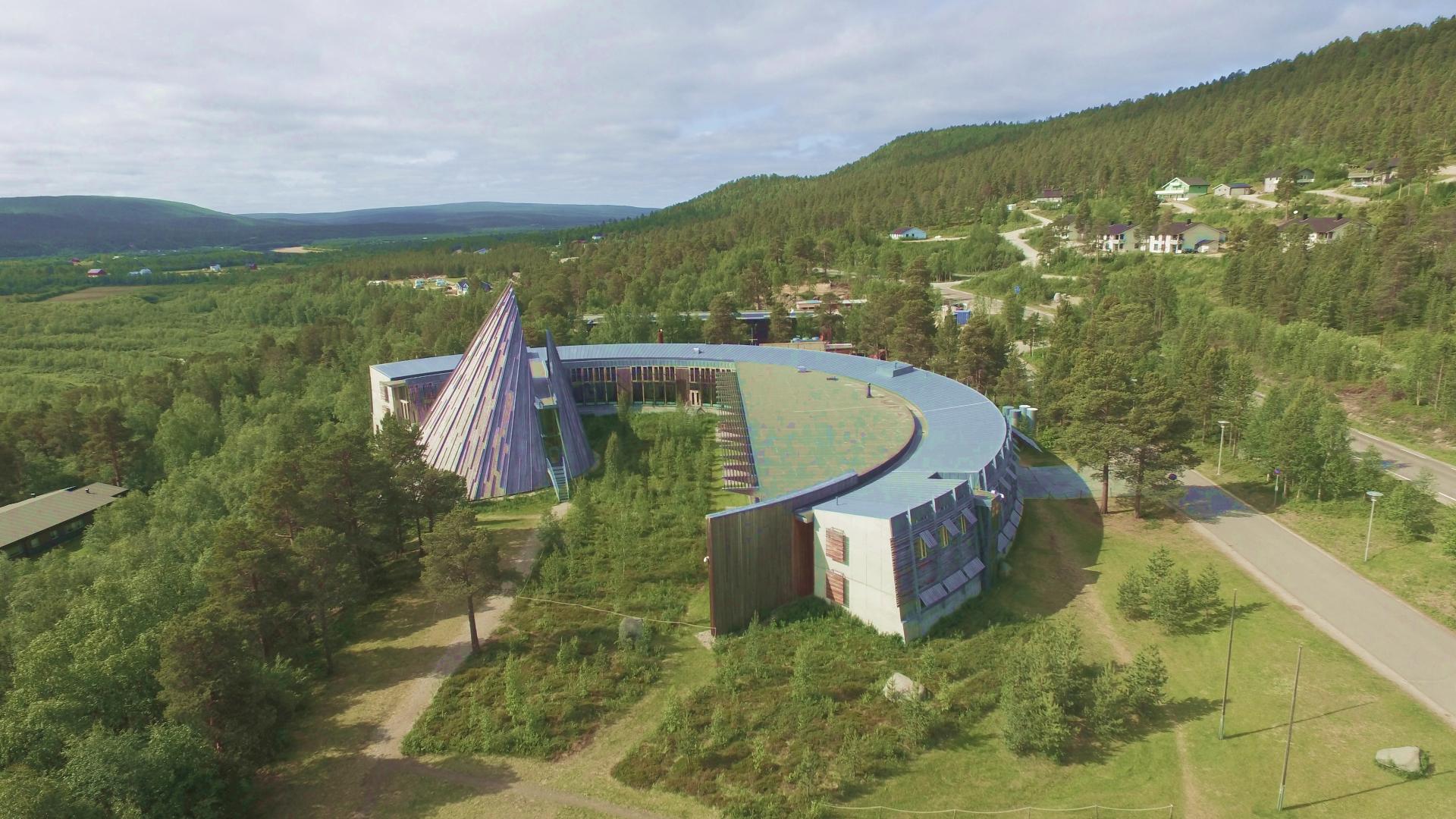
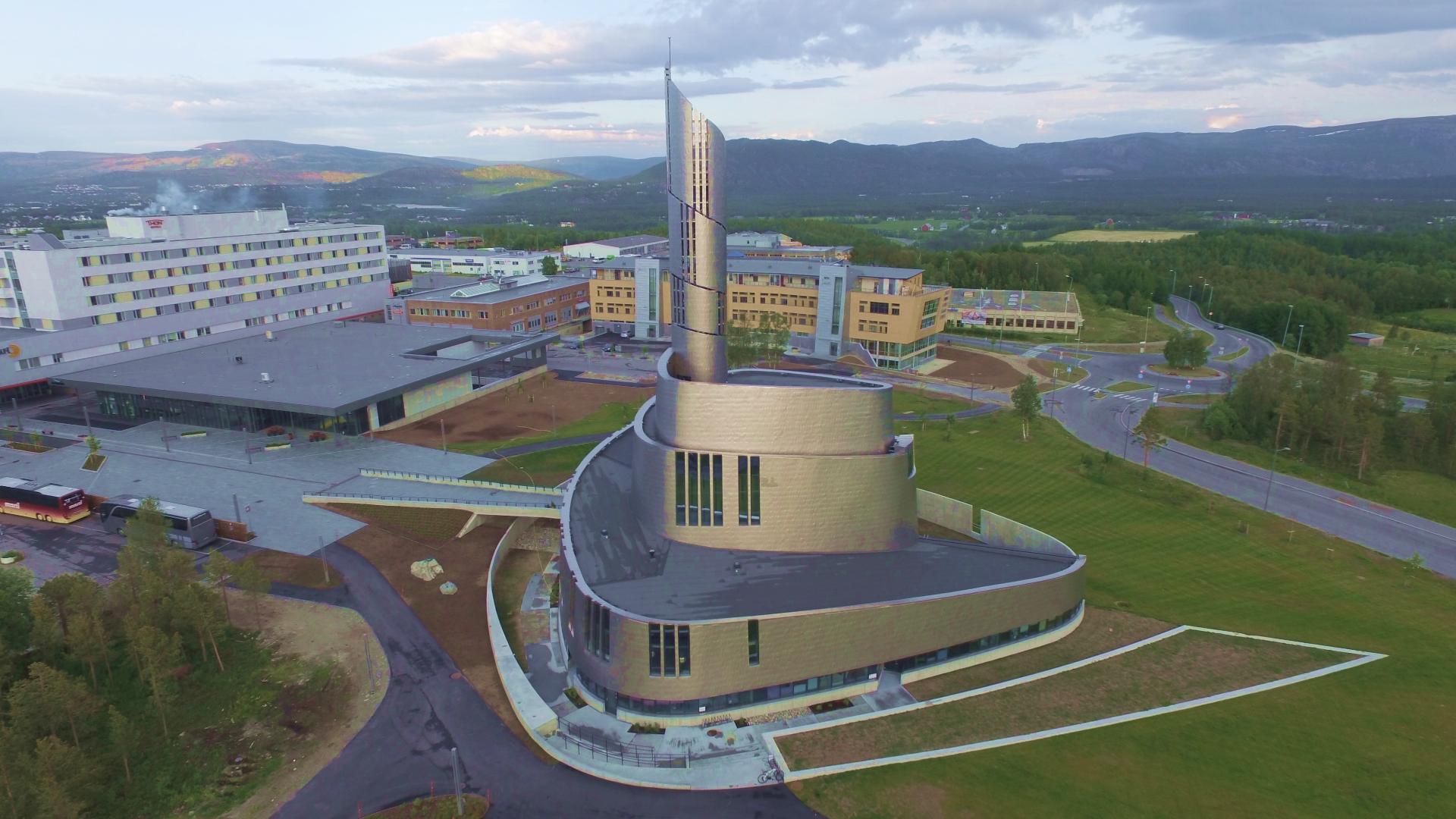
The cultural centre Čoarvemátta, designed by Snøhetta, houses the Beaivváš, the only Sami-language theatre in Norway, alongside the Sami Upper Secondary School and the Reindeer Herding School. The building's shape draws from the innermost joint of a reindeer antler and the form of a lavvu tent.
Kautokeino sits on the vast Finnmarksvidda plateau, Norway's largest municipality by area at 9,687 square kilometres, bordering Finland to the south. Winter temperatures regularly drop to minus 30 or 40 degrees. It is remote, it is extreme, and it is the real thing.
The town's darkest chapter came on 8 November 1852, when a group of Sami reindeer herders, inspired by the Laestadian religious revival, attacked the local authorities. They killed the merchant Carl Johan Ruth, who had been exploiting alcoholic Sami through liquor sales and debt traps, along with the sheriff. Two leaders, Mons Somby and Aslak Hætta, were executed, the last people put to death in Norway before abolition of the death penalty. The uprising remains the only violent confrontation between Sami and Norwegian authorities with loss of life, and director Nils Gaup turned it into a major film in 2008.
The Easter Festival, Påskefestivalen, transforms the town each spring. This is traditionally when reindeer herders gather before summer migration, a time for weddings with over a thousand guests, christenings, and confirmations. The festival features world championship reindeer racing, where competitors are pulled on skis behind charging reindeer, world championship lassoing, the Sámi Grand Prix music competition, snowmobile racing, and traditional duodji handicraft markets. Locals wear their finest traditional dress, and the entire town becomes a celebration of Sami culture. Nowhere else can you experience so much Sami culture in such a short period.
The cultural centre Čoarvemátta, designed by Snøhetta, houses the Beaivváš, the only Sami-language theatre in Norway, alongside the Sami Upper Secondary School and the Reindeer Herding School. The building's shape draws from the innermost joint of a reindeer antler and the form of a lavvu tent.