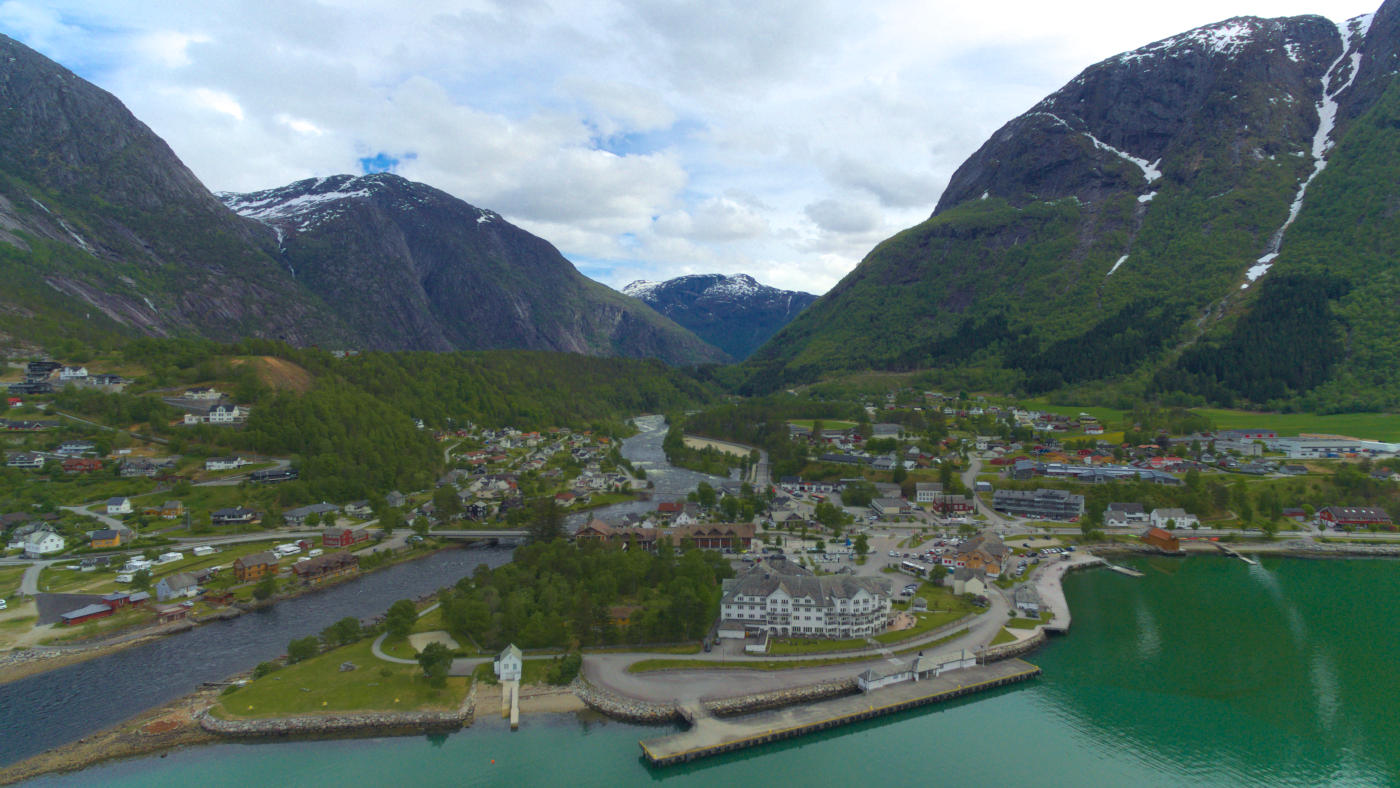
On a wide glaciofluvial terrace roughly 100 metres above Eidfjord, over 350 burial mounds are scattered across the Hæreid plateau, making this the largest prehistoric burial site in the former Hordaland county. The mounds date primarily from the Migration Period through the Viking Age, roughly 400 to 1000 AD, though some may be older. They vary from small, low cairns barely visible in the grass to substantial stone mounds several metres across.
The concentration of graves here reflects the strategic importance of Eidfjord as a junction between the fjord system and the mountain routes across Hardangervidda. The Hæreid terrace, formed by glacial meltwater deposits at the end of the last ice age, provided flat, well-drained farmland in a landscape otherwise dominated by steep valley sides. The people buried here controlled both productive land and a key trade route, the same corridor later formalised as Nordmannsslepa.
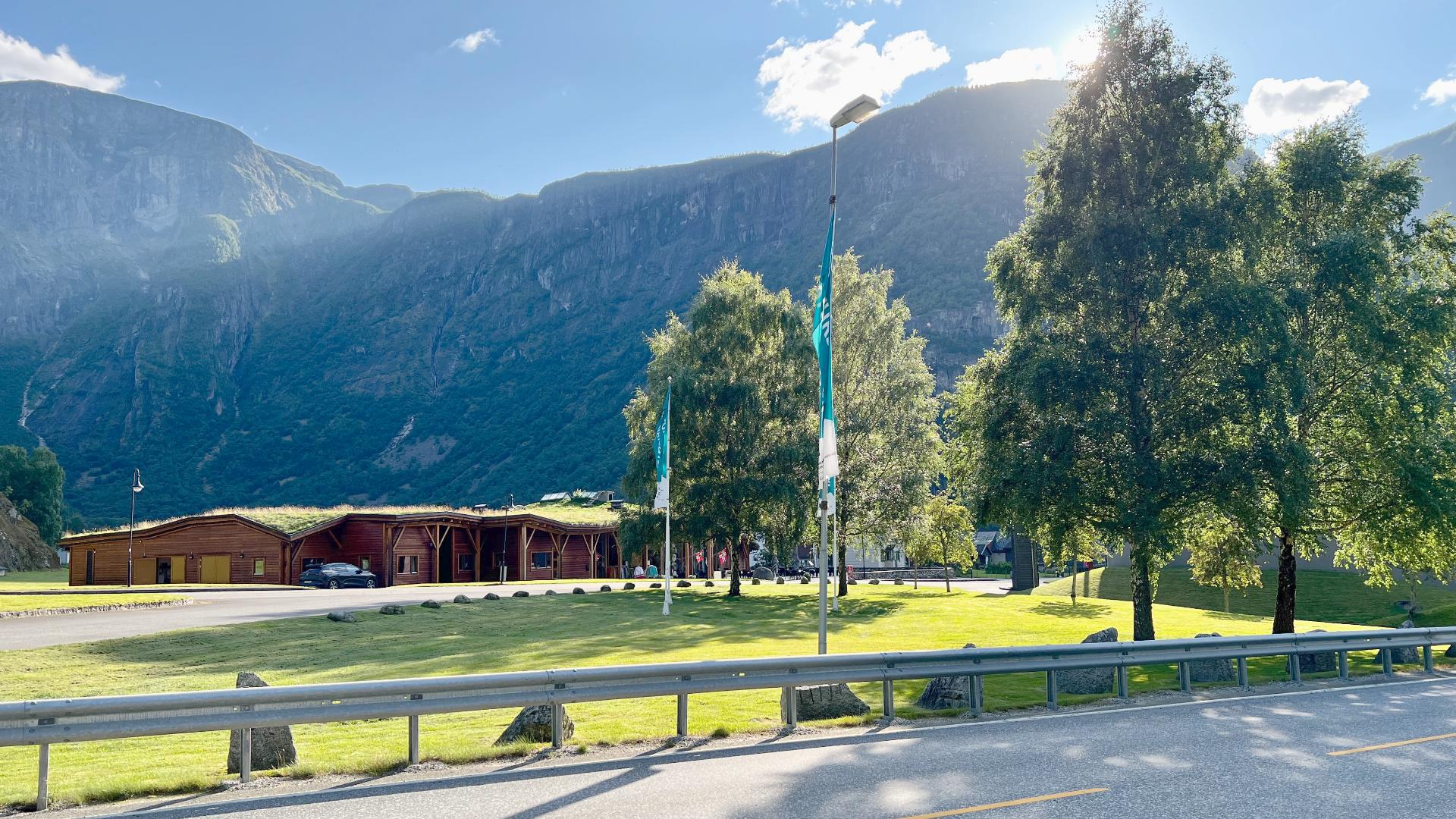
Few of the mounds have been excavated. Those that were opened in the 19th and early 20th centuries yielded weapons, jewellery, and everyday objects consistent with a farming community with connections to wider Scandinavian trade networks. The site is largely unexcavated by modern archaeological standards, meaning its full story remains underground. A marked path leads through the burial field with information boards. The terrace is accessible by a short drive from Eidfjord centre, and the flat terrain makes it an easy walk. The Hardangervidda Nature Centre in Eidfjord provides additional context on the region's cultural and natural history.
The concentration of graves here reflects the strategic importance of Eidfjord as a junction between the fjord system and the mountain routes across Hardangervidda. The Hæreid terrace, formed by glacial meltwater deposits at the end of the last ice age, provided flat, well-drained farmland in a landscape otherwise dominated by steep valley sides. The people buried here controlled both productive land and a key trade route, the same corridor later formalised as Nordmannsslepa.
Few of the mounds have been excavated. Those that were opened in the 19th and early 20th centuries yielded weapons, jewellery, and everyday objects consistent with a farming community with connections to wider Scandinavian trade networks. The site is largely unexcavated by modern archaeological standards, meaning its full story remains underground. A marked path leads through the burial field with information boards. The terrace is accessible by a short drive from Eidfjord centre, and the flat terrain makes it an easy walk. The Hardangervidda Nature Centre in Eidfjord provides additional context on the region's cultural and natural history.