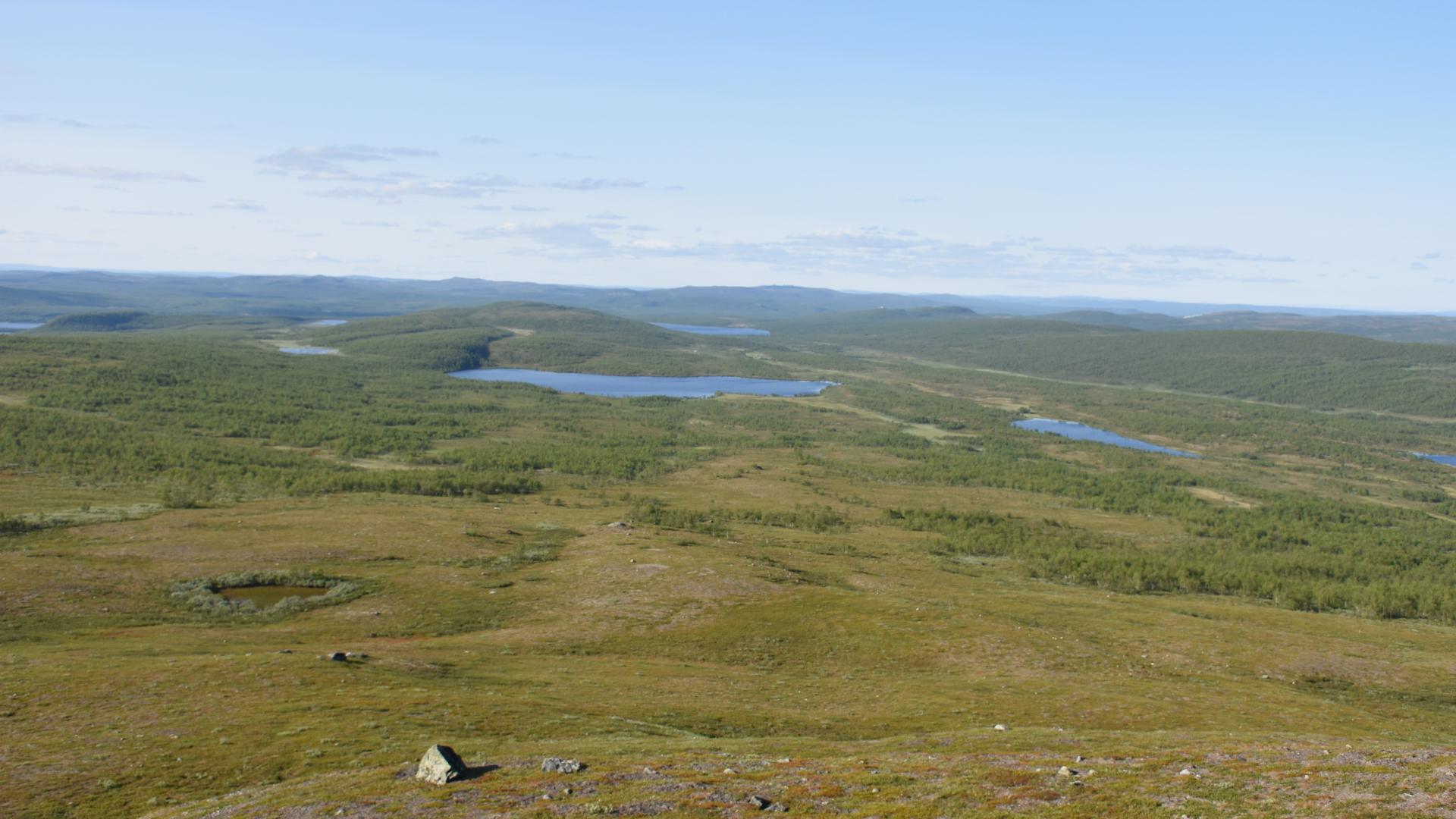
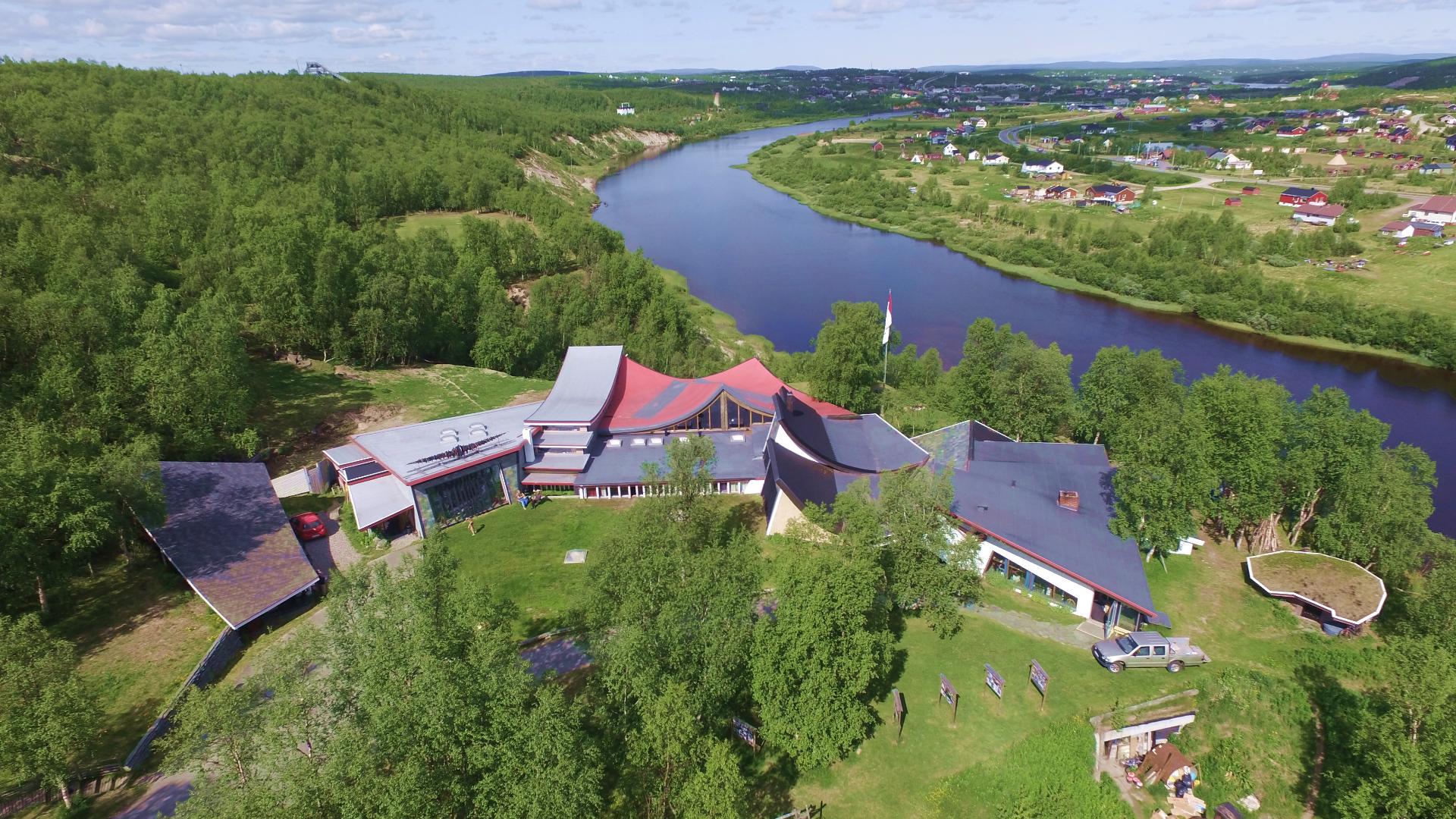
Sautso, as the Sami call it, is Northern Europe's largest canyon: 10 kilometres long and up to 420 metres deep, carved by the Altaelva through the Finnmarksvidda plateau. The canyon earned its nickname "the Grand Canyon of the North" - but the real story here is not geology.
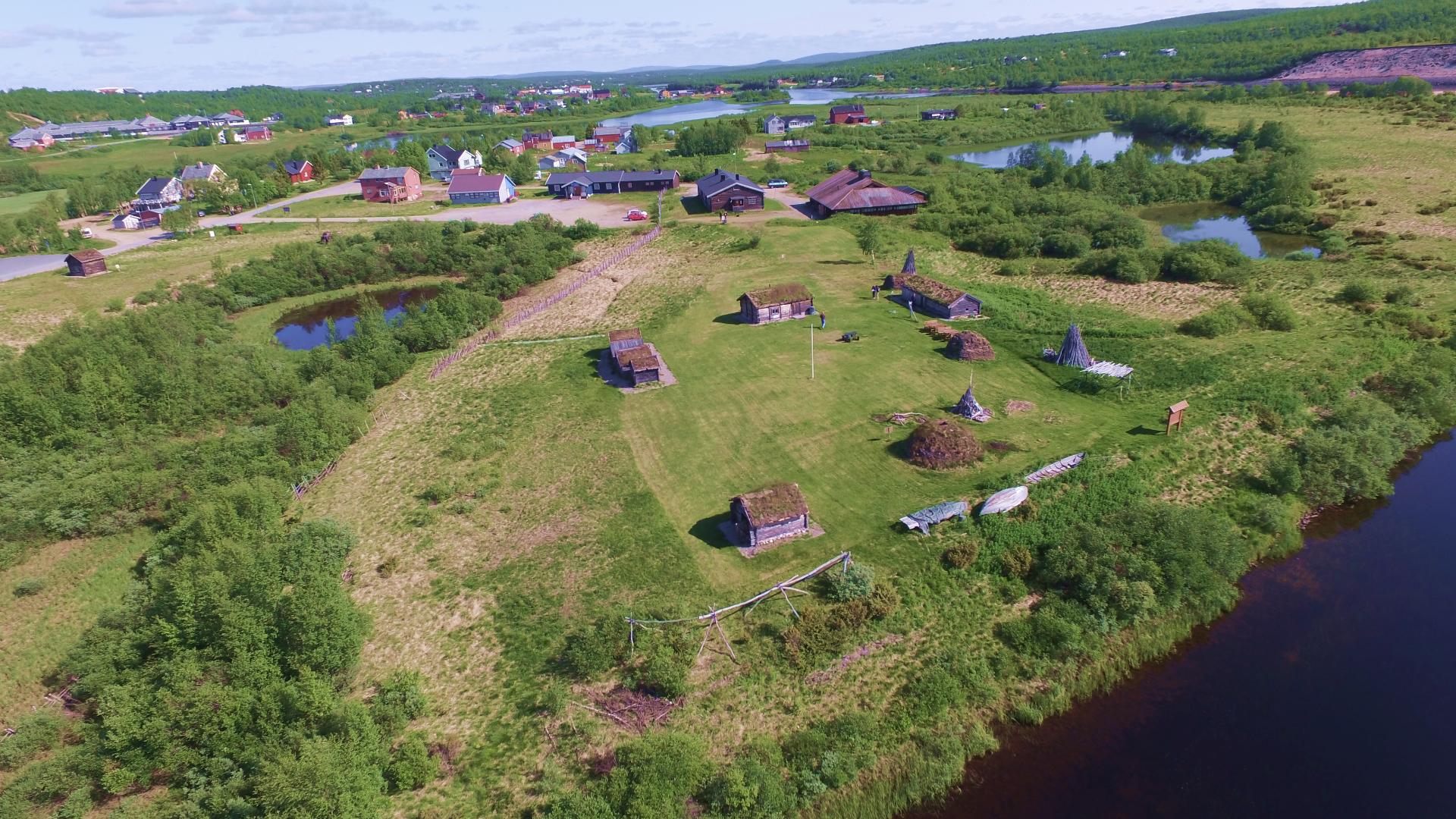
In 1970, the Norwegian government announced plans to dam the Alta-Kautokeino river. The original design would have completely submerged Masi, an entire Sami village. The dam would also disrupt reindeer migration routes and destroy one of Norway's finest salmon rivers. What followed changed the country forever.
In the summer of 1979, a protest camp at Detsika received 6,500 visitors from 20 countries. Seven Sami activists set up a lavvo tent outside Parliament in Oslo and began a hunger strike. One of those hunger strikers, Mathis Hætta, co-wrote a protest joik called Sámiid ædnan, which became Norway's Eurovision entry in 1980.
In January 1981, over 1,000 protesters chained themselves to the construction site. Ten percent of all Norwegian police were deployed to Alta, quartered on a cruise ship. It was the first time since World War II that Norwegians were arrested under anti-riot laws.
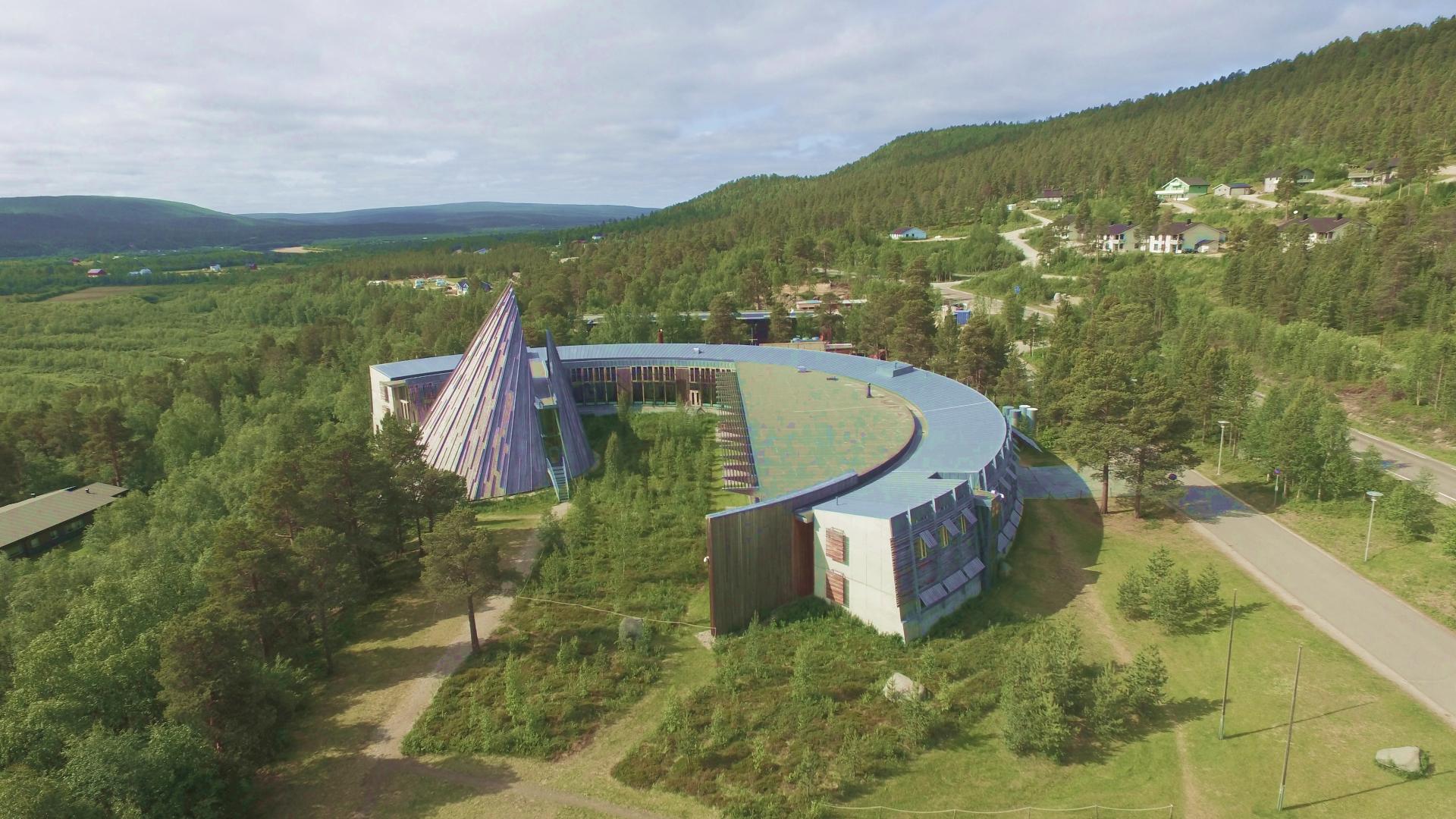
The protesters lost the immediate battle. The 110-metre dam was completed in 1987, the last major hydropower development in Norway. But the village of Masi was saved after heritage protection scaled down the plans. More importantly, the Alta controversy led directly to the establishment of the Norwegian Sami Parliament in 1989 and the Finnmark Act of 2005, which granted indigenous land rights across the county. The story even reached Disney: the subplot in Frozen II, where King Runeard's dam subjugates the Northuldra people, is widely recognised as a direct allusion to what happened here.
In 1970, the Norwegian government announced plans to dam the Alta-Kautokeino river. The original design would have completely submerged Masi, an entire Sami village. The dam would also disrupt reindeer migration routes and destroy one of Norway's finest salmon rivers. What followed changed the country forever.
In the summer of 1979, a protest camp at Detsika received 6,500 visitors from 20 countries. Seven Sami activists set up a lavvo tent outside Parliament in Oslo and began a hunger strike. One of those hunger strikers, Mathis Hætta, co-wrote a protest joik called Sámiid ædnan, which became Norway's Eurovision entry in 1980.
In January 1981, over 1,000 protesters chained themselves to the construction site. Ten percent of all Norwegian police were deployed to Alta, quartered on a cruise ship. It was the first time since World War II that Norwegians were arrested under anti-riot laws.
The protesters lost the immediate battle. The 110-metre dam was completed in 1987, the last major hydropower development in Norway. But the village of Masi was saved after heritage protection scaled down the plans. More importantly, the Alta controversy led directly to the establishment of the Norwegian Sami Parliament in 1989 and the Finnmark Act of 2005, which granted indigenous land rights across the county. The story even reached Disney: the subplot in Frozen II, where King Runeard's dam subjugates the Northuldra people, is widely recognised as a direct allusion to what happened here.