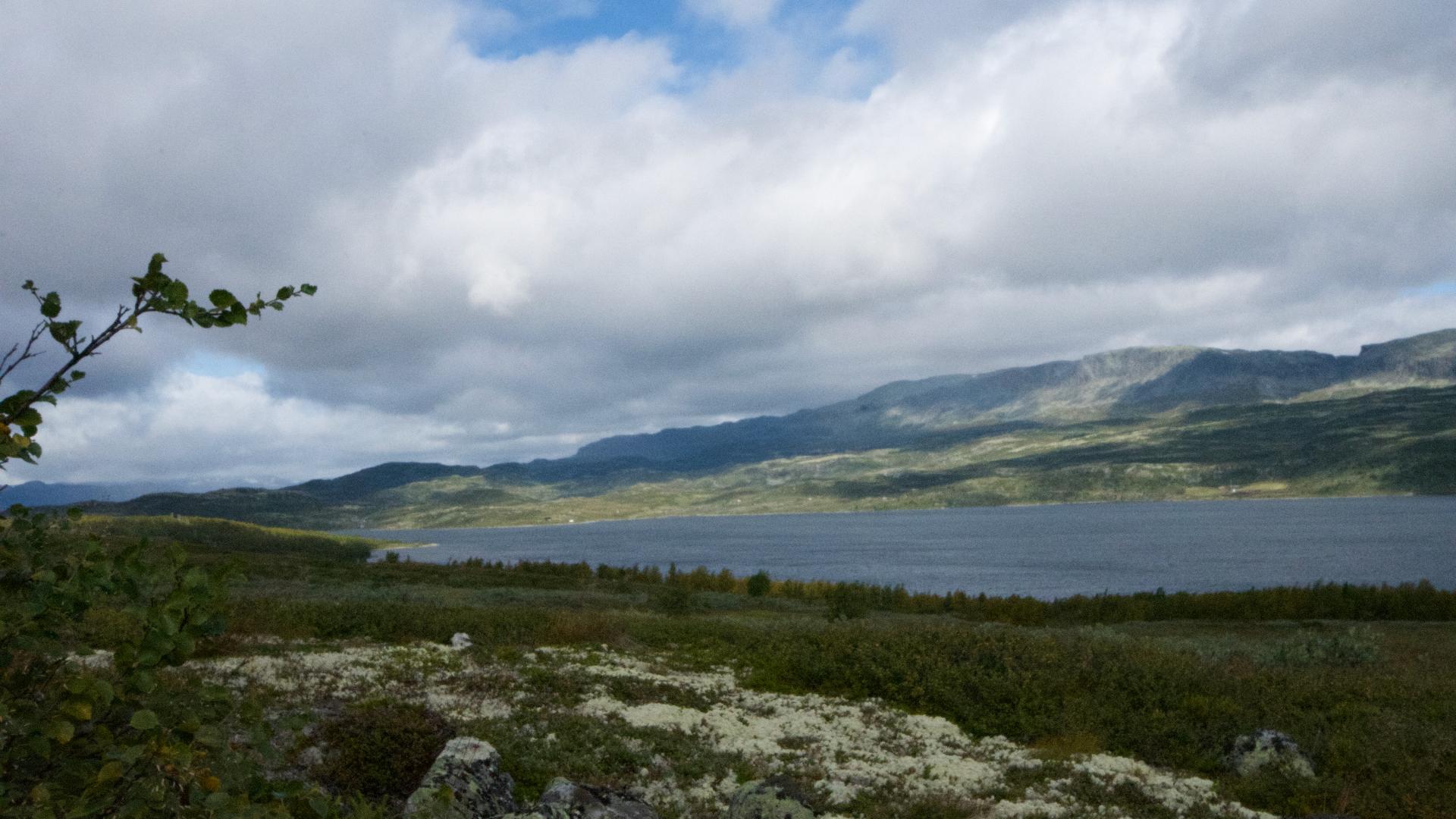
At the western end of Ustedalsjorden near Geilo, a timber bridge crosses the Usta river at the historic starting point of Nordmannsslepa, the oldest known trade and travel route across Hardangervidda. The original bridge was built in 1884 to 1885. When it became structurally unsound, a faithful replica was constructed in 1985 using traditional timber-building techniques, preserving the design of the 19th-century original.
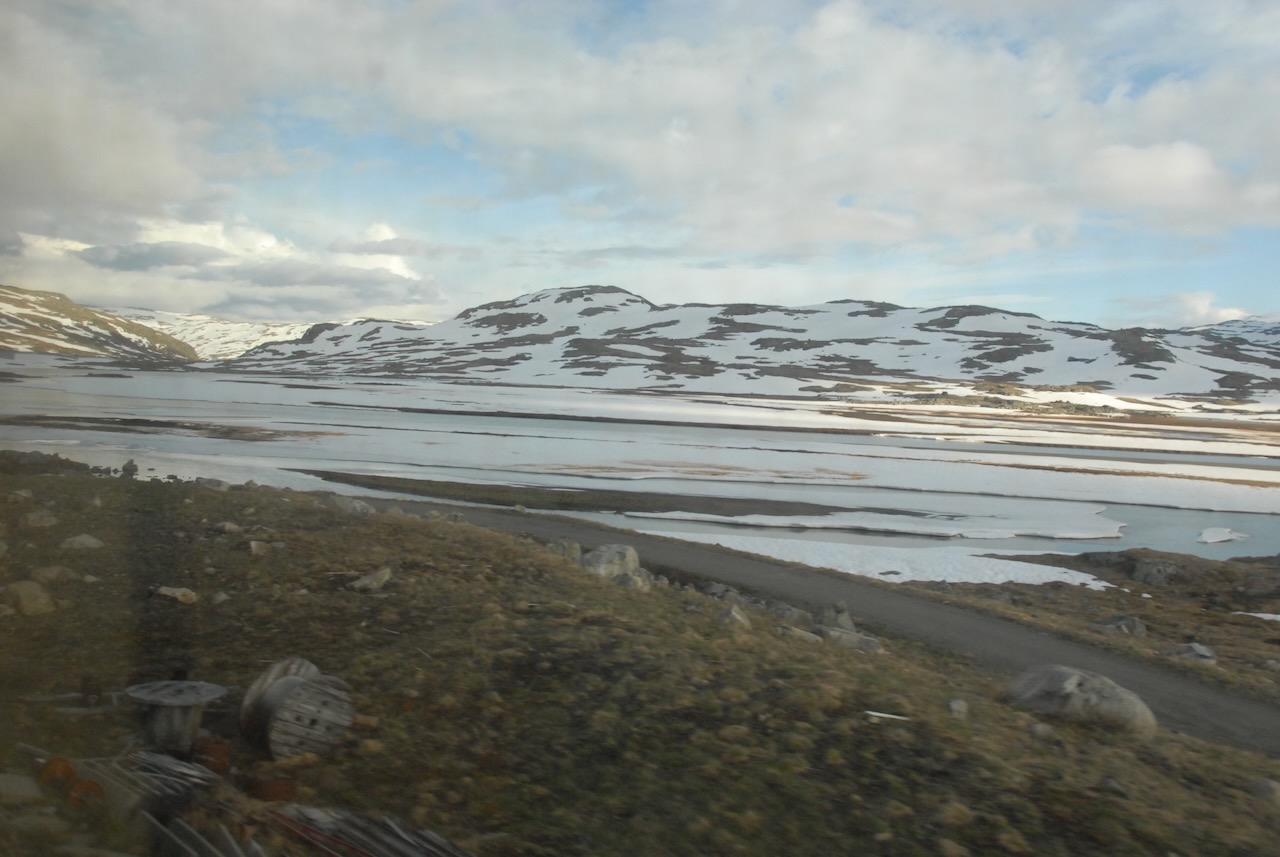
Nordmannsslepa connected eastern and western Norway for at least a thousand years. Farmers from Hallingdal and Numedal drove packhorses loaded with butter, hides, and iron across the plateau to trade with fishing communities on the Hardangerfjord coast, returning with dried fish, salt, and imported goods. The route crosses some of the most exposed terrain in southern Norway, climbing to over 1,200 metres, and the bridge at Tufte marked the last sheltered point before the open mountain. Stone cairns and cleared resting spots mark the route across the plateau, many of them centuries old.
Near the bridge lies the Fekjo burial site, a cluster of Viking Age grave mounds on a terrace above the river, evidence that this crossing point was important long before the current bridge was built. The combination of the bridge, the ancient route, and the burial mounds concentrates a thousand years of mountain travel history in a small area. The bridge is accessible by a short walk from the road along Ustedalsjorden.
Nordmannsslepa connected eastern and western Norway for at least a thousand years. Farmers from Hallingdal and Numedal drove packhorses loaded with butter, hides, and iron across the plateau to trade with fishing communities on the Hardangerfjord coast, returning with dried fish, salt, and imported goods. The route crosses some of the most exposed terrain in southern Norway, climbing to over 1,200 metres, and the bridge at Tufte marked the last sheltered point before the open mountain. Stone cairns and cleared resting spots mark the route across the plateau, many of them centuries old.
Near the bridge lies the Fekjo burial site, a cluster of Viking Age grave mounds on a terrace above the river, evidence that this crossing point was important long before the current bridge was built. The combination of the bridge, the ancient route, and the burial mounds concentrates a thousand years of mountain travel history in a small area. The bridge is accessible by a short walk from the road along Ustedalsjorden.