Rallarvegen exists because before there was a Bergen Railway, there had to be a road. Not for passengers, but for horses carrying dynamite, timber and food up to 2,400 men working on Europe's most challenging railway project. They called these migrant labourers "rallarer": Construction workers who moved from site to site, often Swedish or Norwegian, from poor backgrounds. The road they built between 1895 and 1902 took their name.
Everything had to be hauled up from the valleys during the brief snow-free months between June and October. Dynamite came by boat from the factory at Hurum nsouth of Oslo, then up from Granvin on the Hardangerfjord by horse: Loads of up to 350 kilos taking two days to reach the construction sites. Local farmers did well from the transport contracts. The road from Flåm to Hallingskeid was finished in 1898, reaching Haugastøl by 1902. This was decades before the Flåm Railway existed – that branch line only opened in 1940.
After the Bergen Railway opened in 1909, the construction road fell into disuse for over sixty years. In the late 1960s, journalist Odd Strand had the idea to reopen it for cycling. Volunteer work began in 1970, and by summer 1974 the Rallarvegen was open. Only a few hundred people rode it those first years. The breakthrough came in 1988 when NRK broadcast a feature about the route. Now around 25,000 cyclists use it each summer.
What makes the Rallarvegen special is that it has never been modernised. The stone walls, bridges and drainage remain exactly as the rallarer built them. When repairs are needed, workers use only original materials and methods. Even plastic drainage pipes from the 1980s are being replaced with traditional dry stone work. This is a functioning cultural monument.
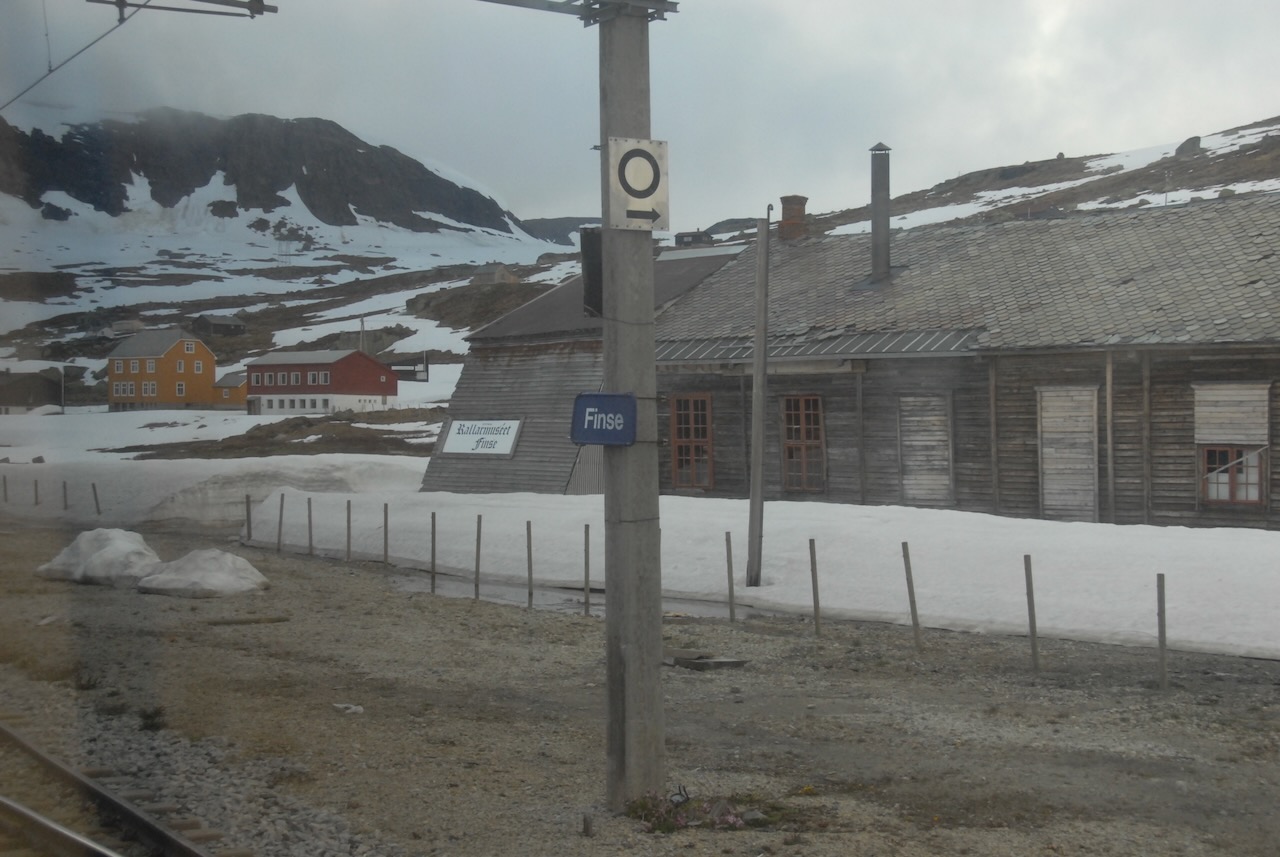
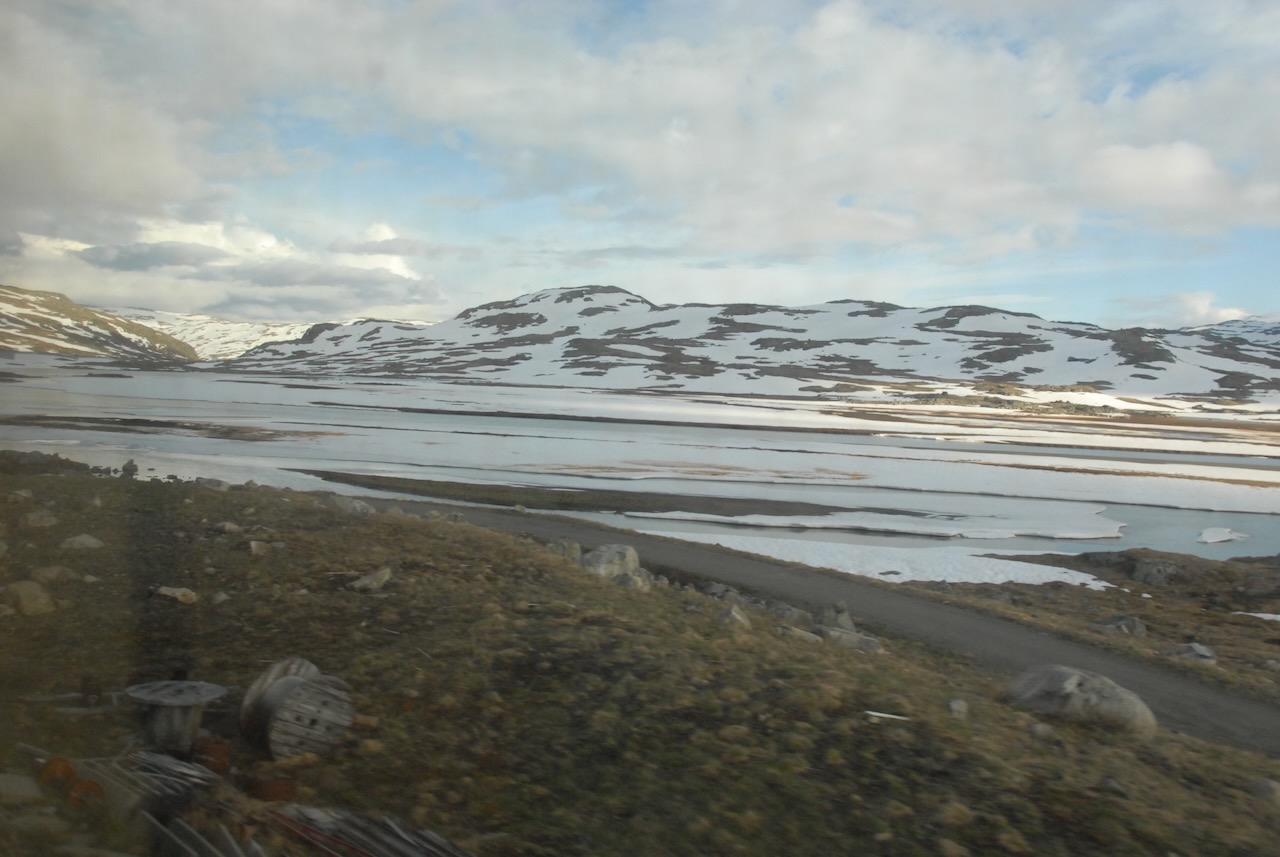
The route runs 82 kilometres from Haugastøl to Flåm, climbing from 1,000 metres to 1,343 metres at Fagernut before descending to sea level. The first section to Finse is gentle and suitable for families – 27 kilometres on good gravel. Beyond Finse the terrain gets wilder. At the Klevagjelet gorge, the stone arch bridge Kleivabrua is one of the most impressive structures on the entire Bergen Line. Most people walk this narrow section.
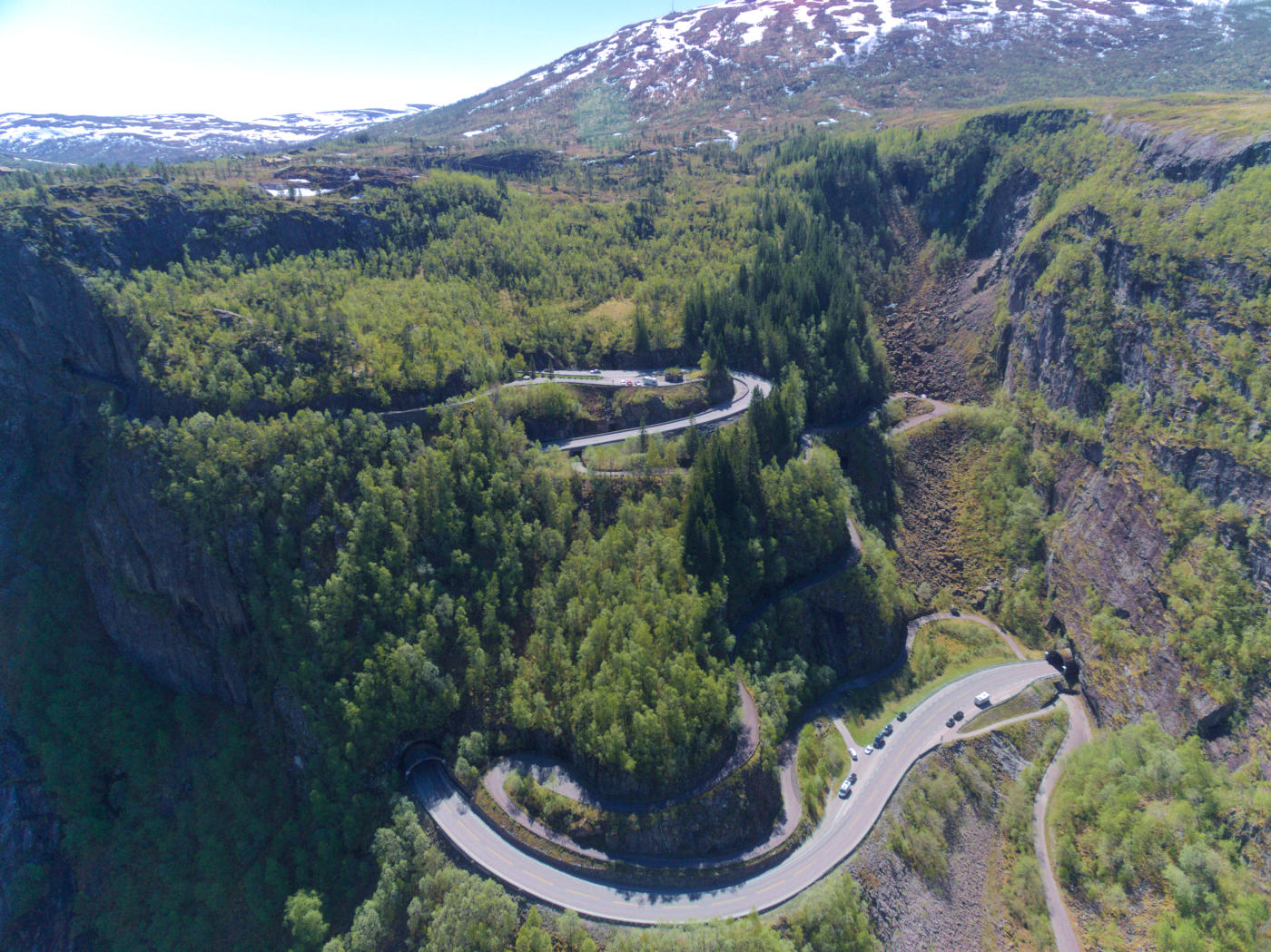
The finale is dramatic. From near Myrdal, the road plunges through 21 hairpin bends down Myrdalsberget. This descent is steep and rough. Brakes overheat quickly. Many cyclists end up walking parts of it.
The cycling season runs from mid-July to mid-September, though the Haugastøl-Finse section often opens earlier. Train space for bicycles is limited, so book ahead or rent at Haugastøl, Finse or Flåm. There is no mobile coverage on long stretches. And the descent to Flåm shares the road with cars, so watch the corners.
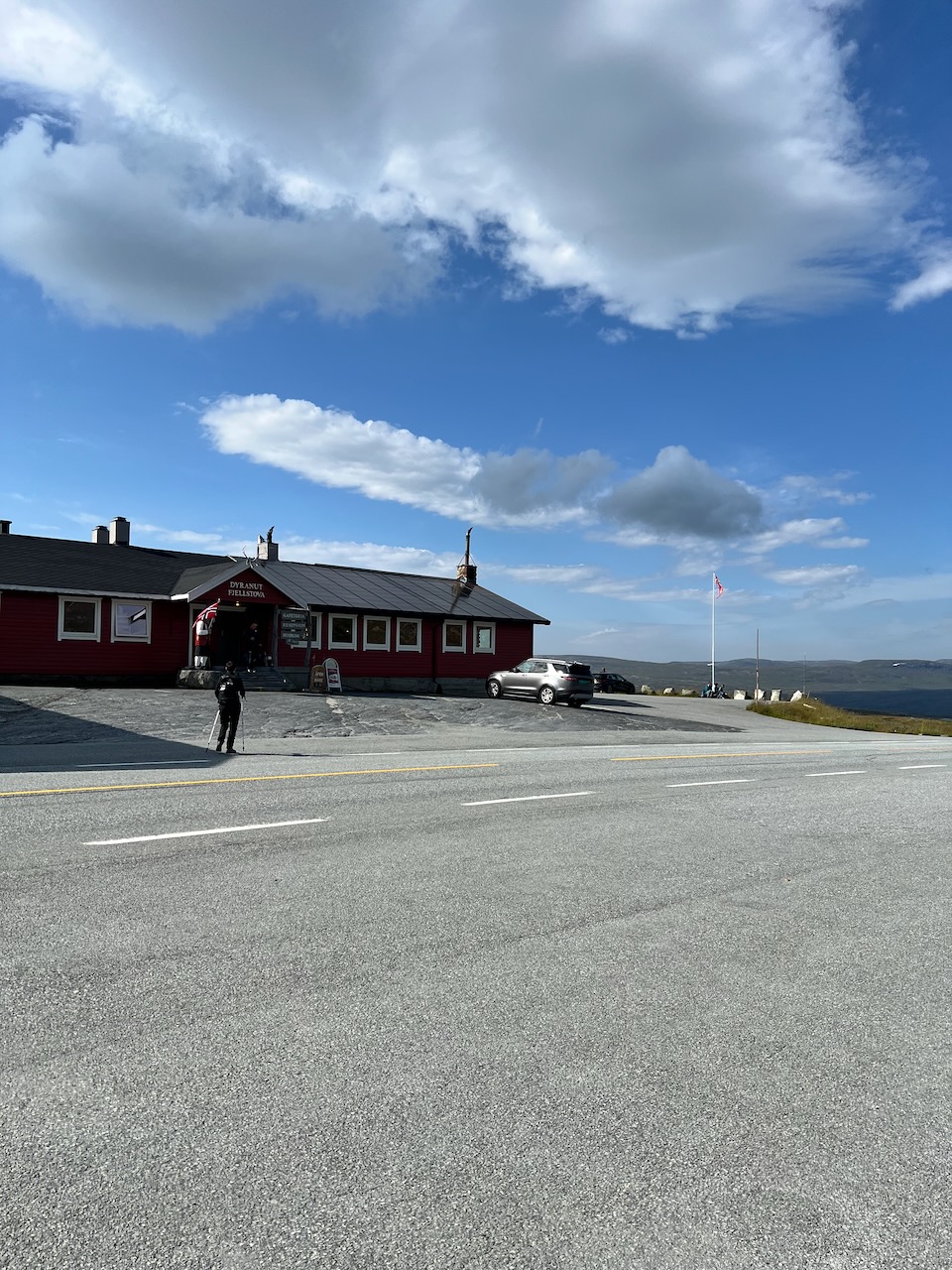
Worth stopping: the Rallar Museum at Finse shows how the workers lived. Fagernut vokterbolig at 1,310 metres has a summer café in a heritage-listed railway guard's house. Café Rallaren at Myrdal station has bike repair on the platform.