Trysil is where modern competitive skiing began. On 22 January 1862, a ski race was held here that historian Roland Huntford calls "the first truly modern ski race." The Trysilgutten ski club, founded in 1861, is one of the oldest in the world. The legend of Trysil-Knut, a poem published the same year about a patriotic skier from the valley, became a national epic about the joy of skiing.
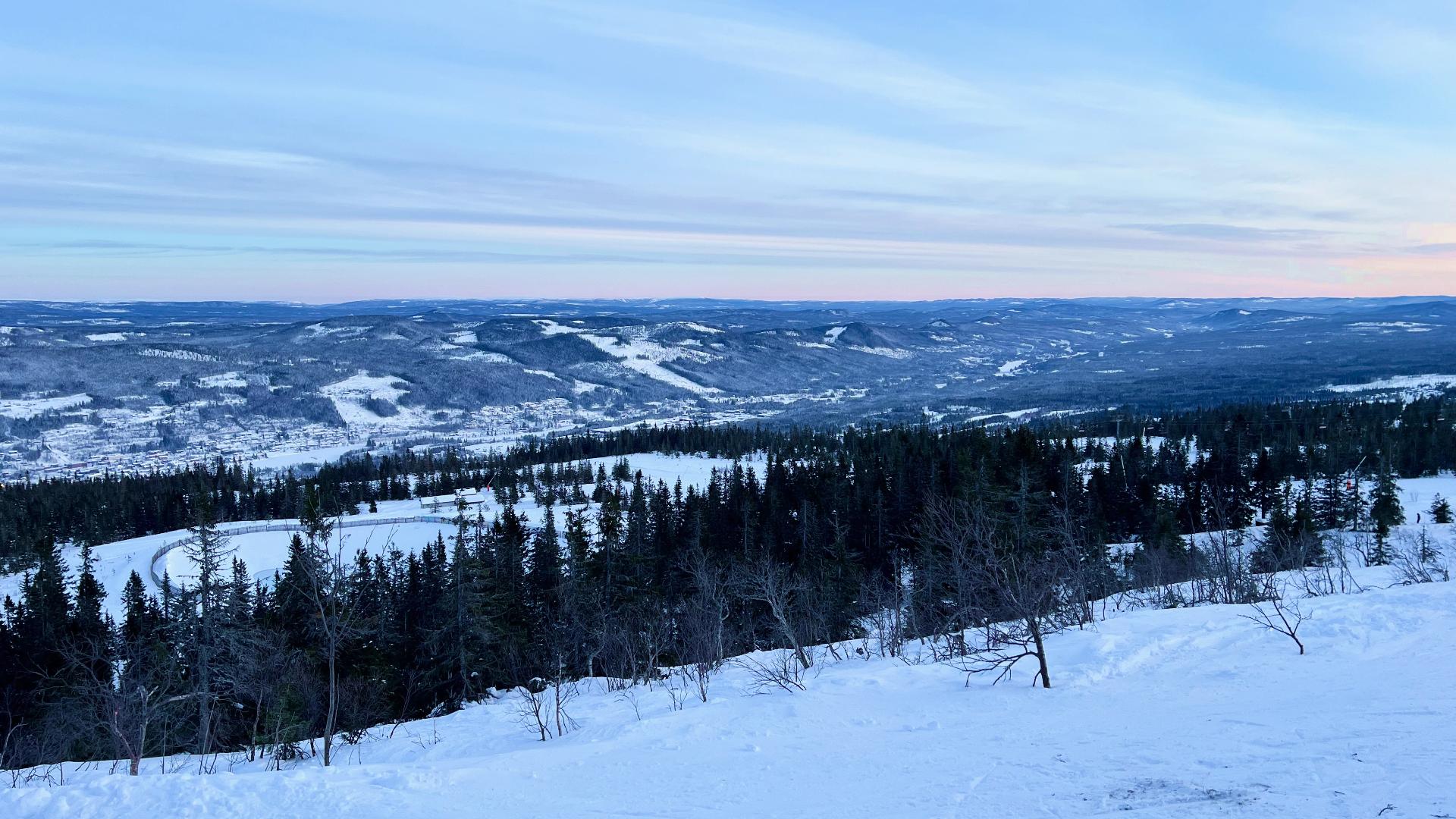
Today the town centre is Innbygda, a compact village with about 3,000 residents. It has what you need practically but is not a destination in itself outside ski season. Trysilfjellet, the big forested mountain to the west, is Norway's largest ski resort and the main reason most people know the name. The drive from Oslo takes about two and a half hours.
The Trysilelva river runs through the municipality, 140 km of water that becomes Klarälven once it crosses into Sweden, eventually reaching Lake Vänern and the sea at Gothenburg. This was the last river in Norway used for traditional timber floating, a practice that defined the local economy for centuries. The surrounding forests are dense and vast, stretching to the Swedish border about 25 km east.
Today the town centre is Innbygda, a compact village with about 3,000 residents. It has what you need practically but is not a destination in itself outside ski season. Trysilfjellet, the big forested mountain to the west, is Norway's largest ski resort and the main reason most people know the name. The drive from Oslo takes about two and a half hours.
The Trysilelva river runs through the municipality, 140 km of water that becomes Klarälven once it crosses into Sweden, eventually reaching Lake Vänern and the sea at Gothenburg. This was the last river in Norway used for traditional timber floating, a practice that defined the local economy for centuries. The surrounding forests are dense and vast, stretching to the Swedish border about 25 km east.