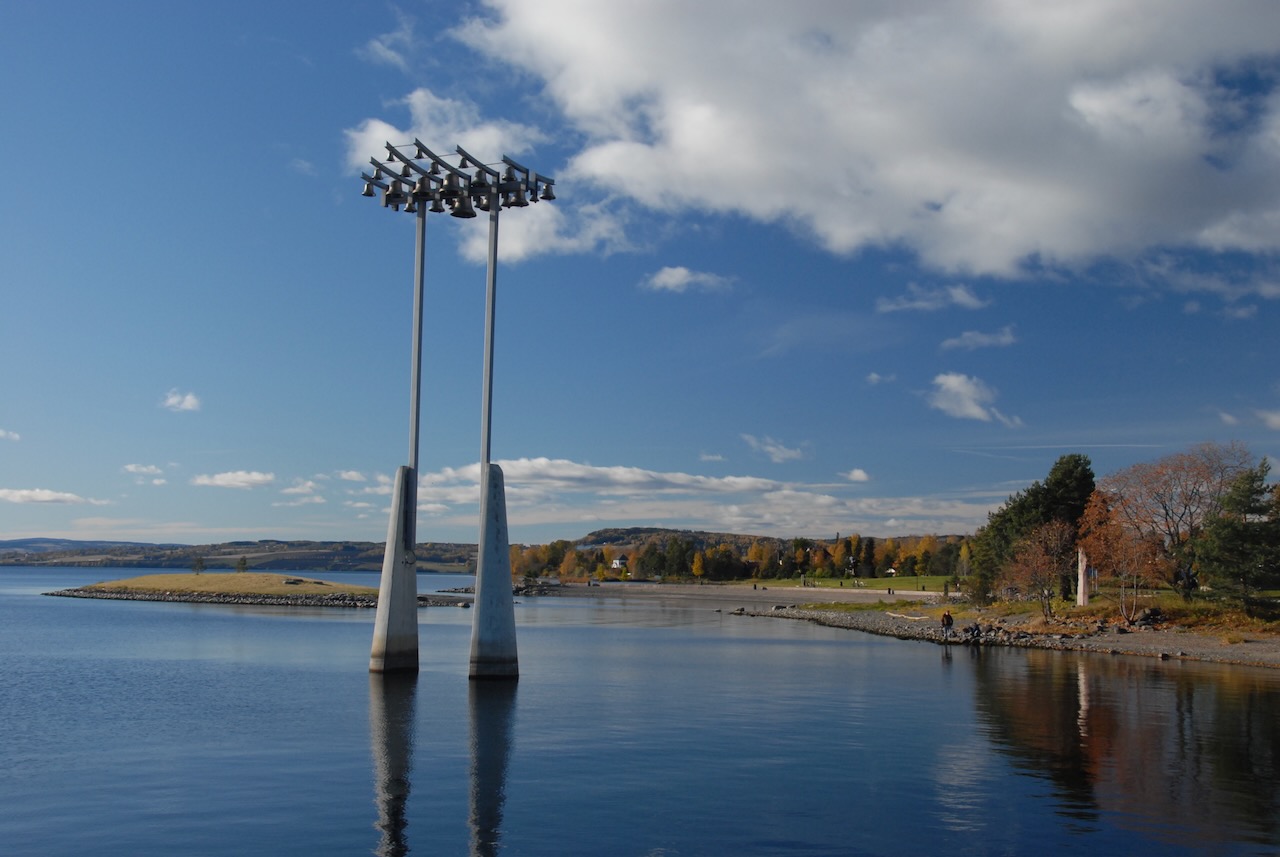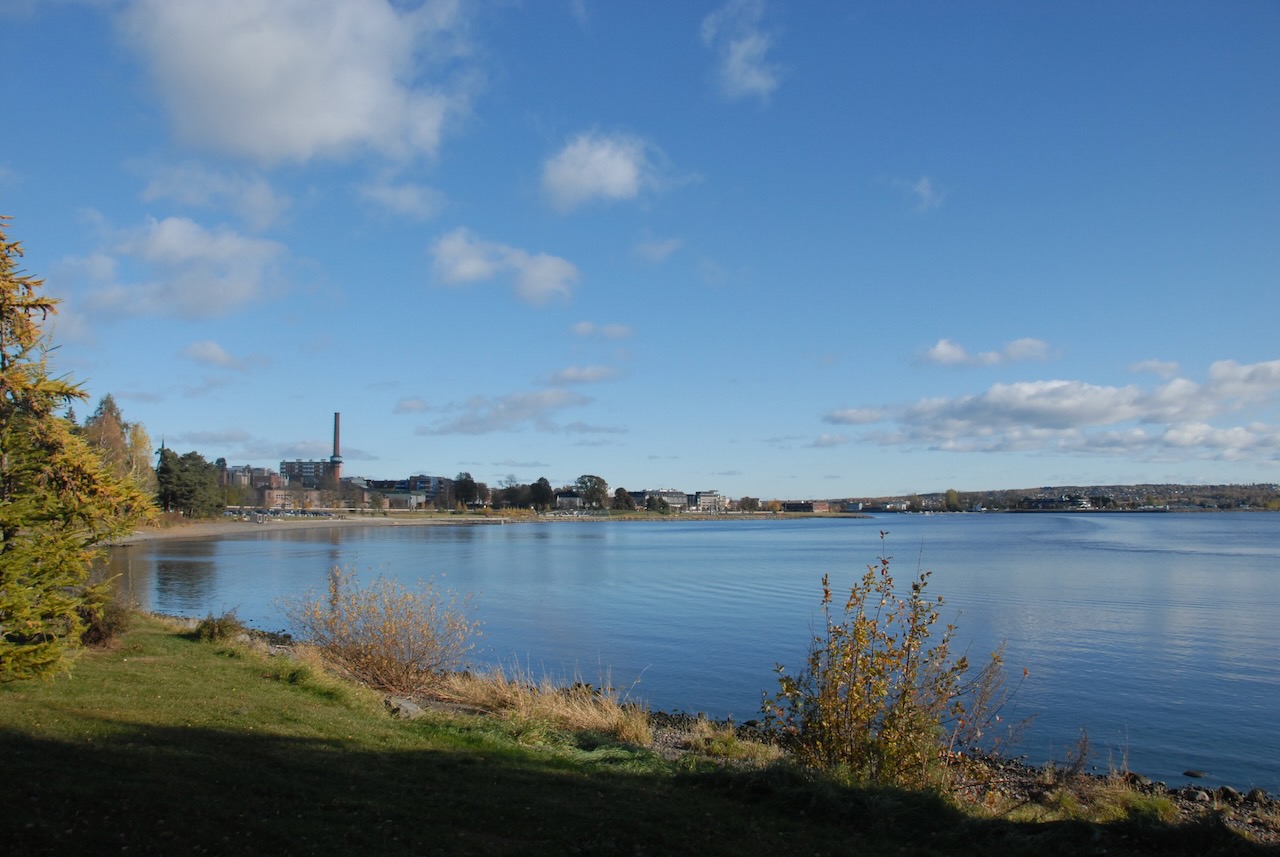
Hamar sits on the shores of Mjøsa, Norway's largest lake. Around 32,000 people live here today. But this is actually the second Hamar - the original city was destroyed over 450 years ago.
The first Hamar was a medieval trading town, one of only eight in Norway and the only one not on the coast. It grew up around a bishop's seat established in 1152, when a papal legate - who later became Pope Hadrian IV - came to organise the Norwegian church. For 400 years the town flourished with a cathedral, monastery, school and market. The Hamarkrøniken, a chronicle from the 1500s, describes it as a prosperous place with streets of craftsmen and fishermen.
Then in 1567, during the Nordic Seven Years' War, Swedish troops burned and destroyed the town. The cathedral was blown up with gunpowder. The population scattered. Hamar ceased to exist as a city for nearly 300 years.
The modern Hamar was re-established by Parliament in 1848, built slightly east of the medieval site. The arrival of the railway - reaching here from Oslo in 1880 - helped the new town grow.
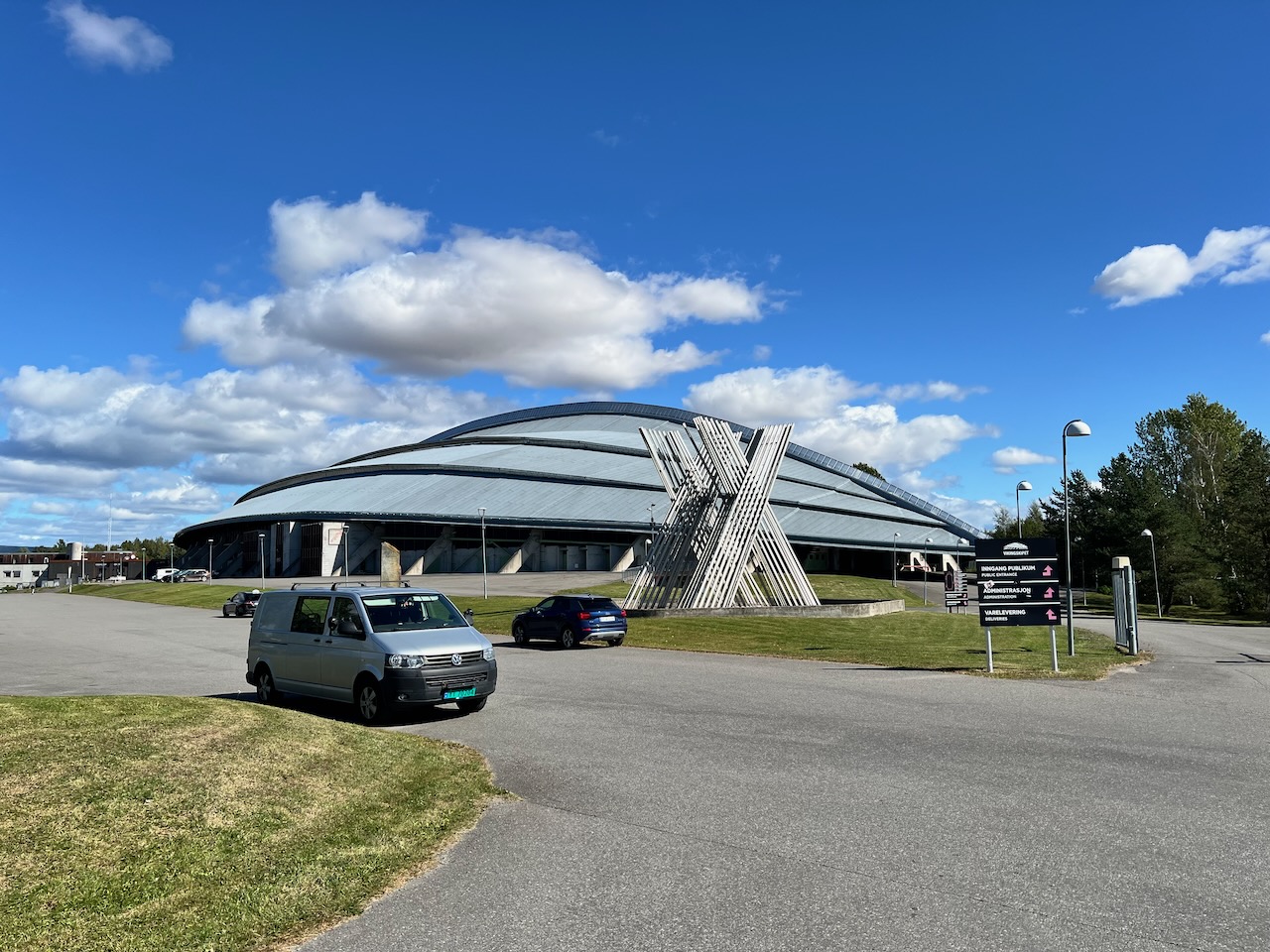
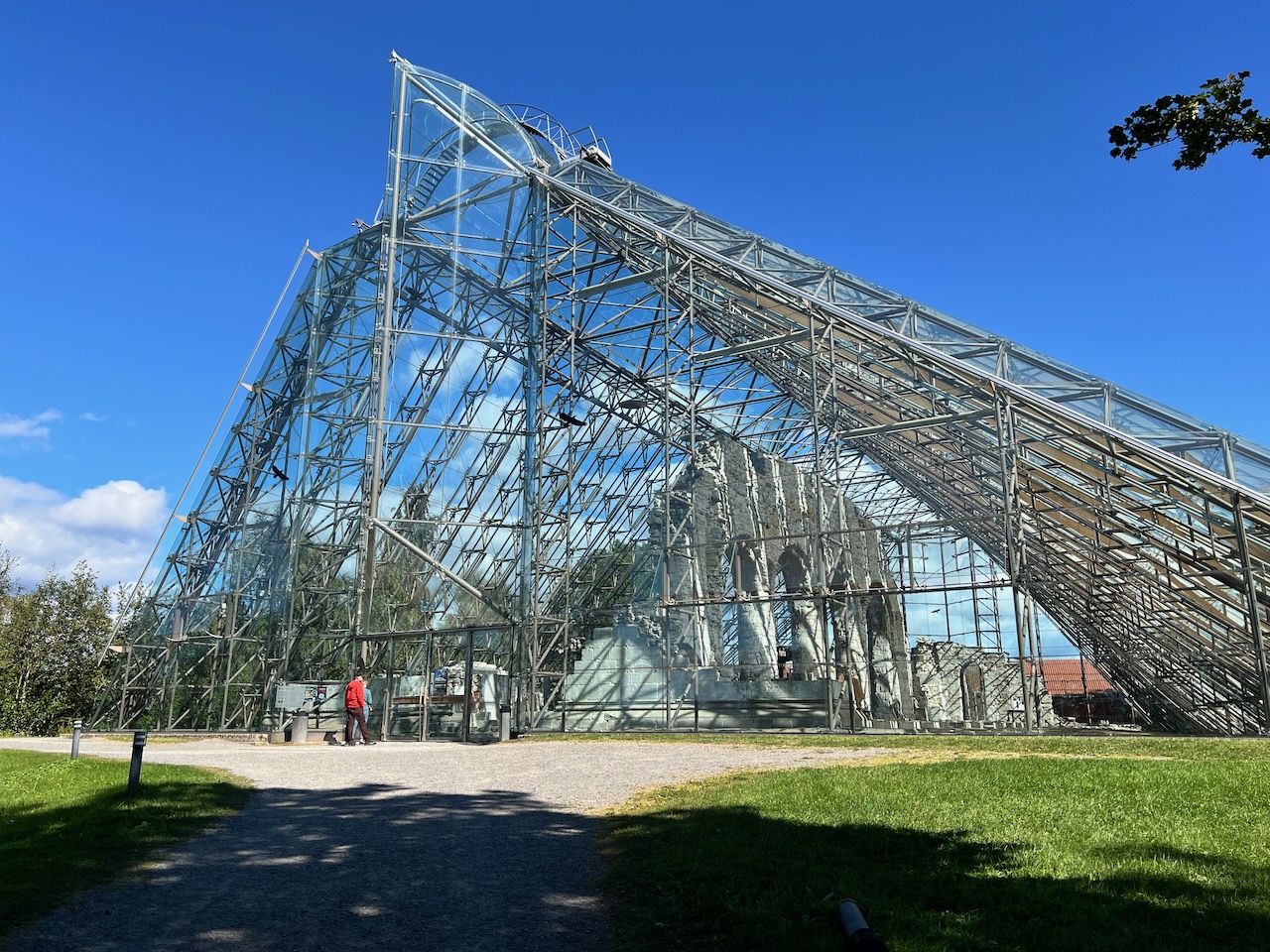
The Olympic hall Vikingskipet is hard to miss - the upside-down Viking ship shape stands out from both the E6 and the train. The town centre has pleasant streets and a waterfront with an iconic 1950s diving tower, but the real draws are on the outskirts: the medieval ruins at Domkirkeodden, now called "Norway's Pompeii" after recent archaeological discoveries, and the Railway Museum.
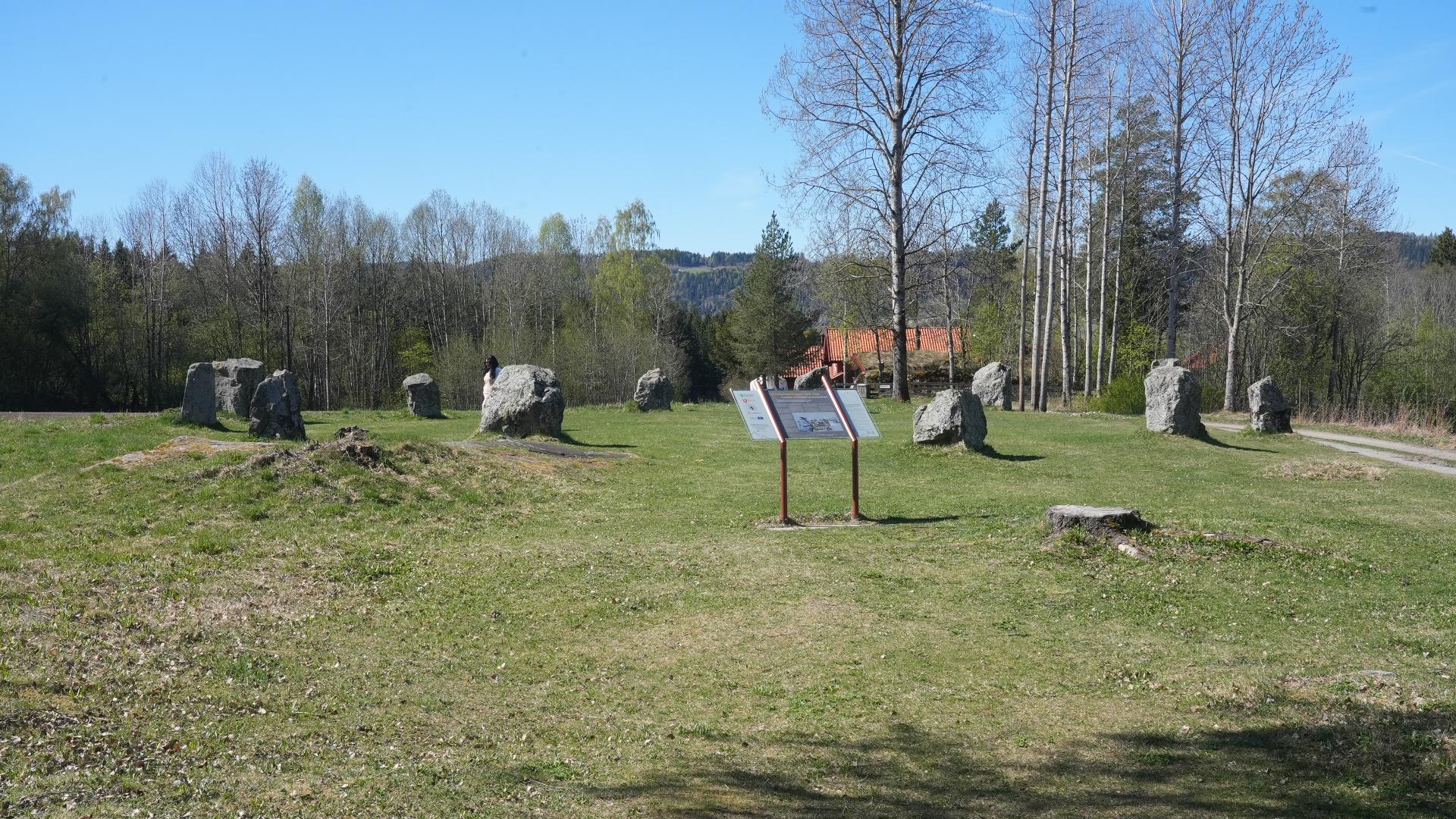
Recent excavations have found the lost medieval town almost intact under the soil - buildings, streets, even a medieval dice. Unlike other Norwegian medieval sites, nothing was built on top, so it's preserved like a time capsule. Archaeologists are just beginning to uncover it.
Hamar is well connected. By train it's about 1 hour 20 minutes from Oslo, with regular departures - making it an easy day trip from the capital. The E6 passes just east of the centre. If you have time for the museums, it's worth a stop. If you're just passing through, at least know you're passing a place with a remarkable history hiding just below the surface.