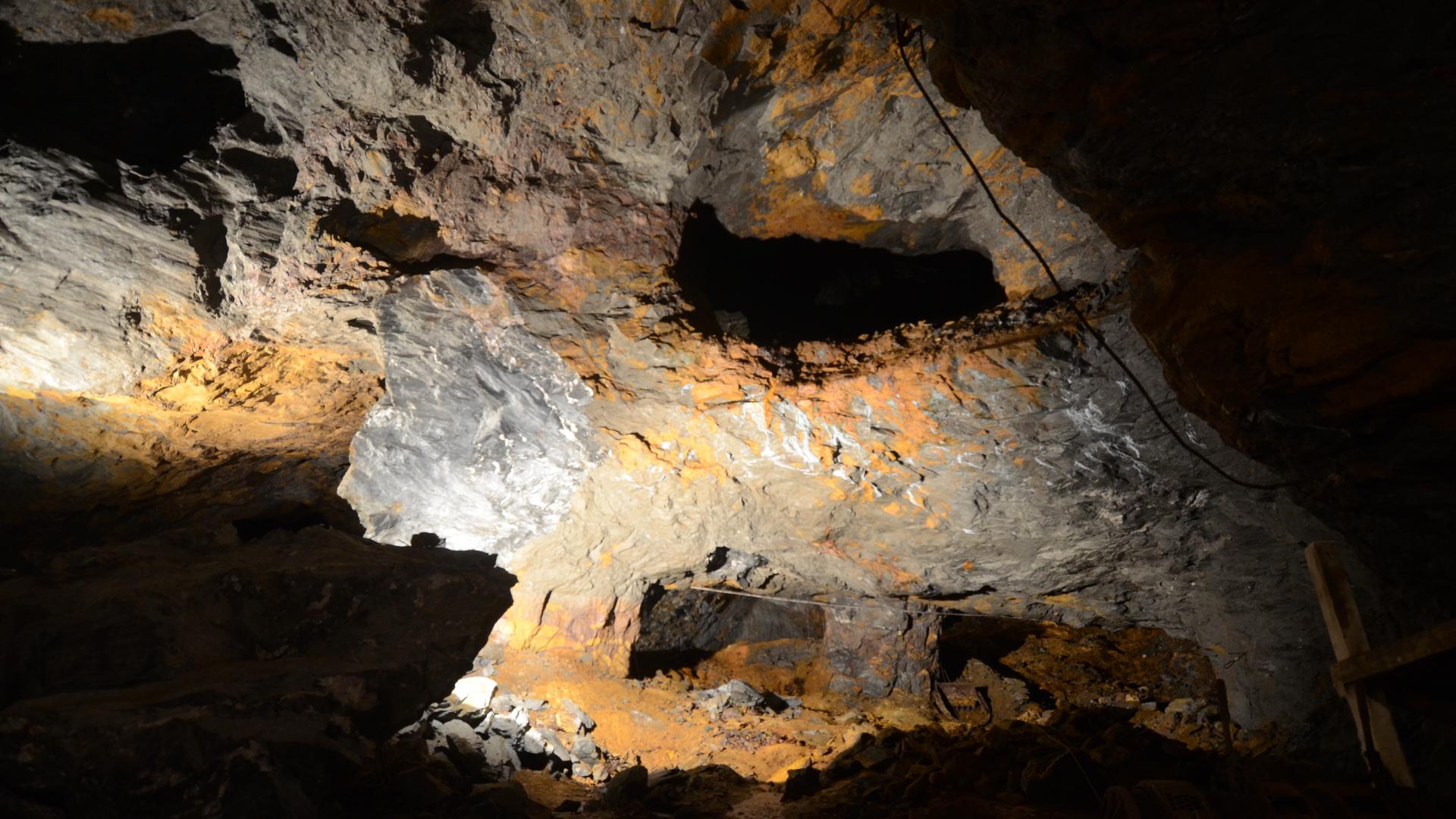
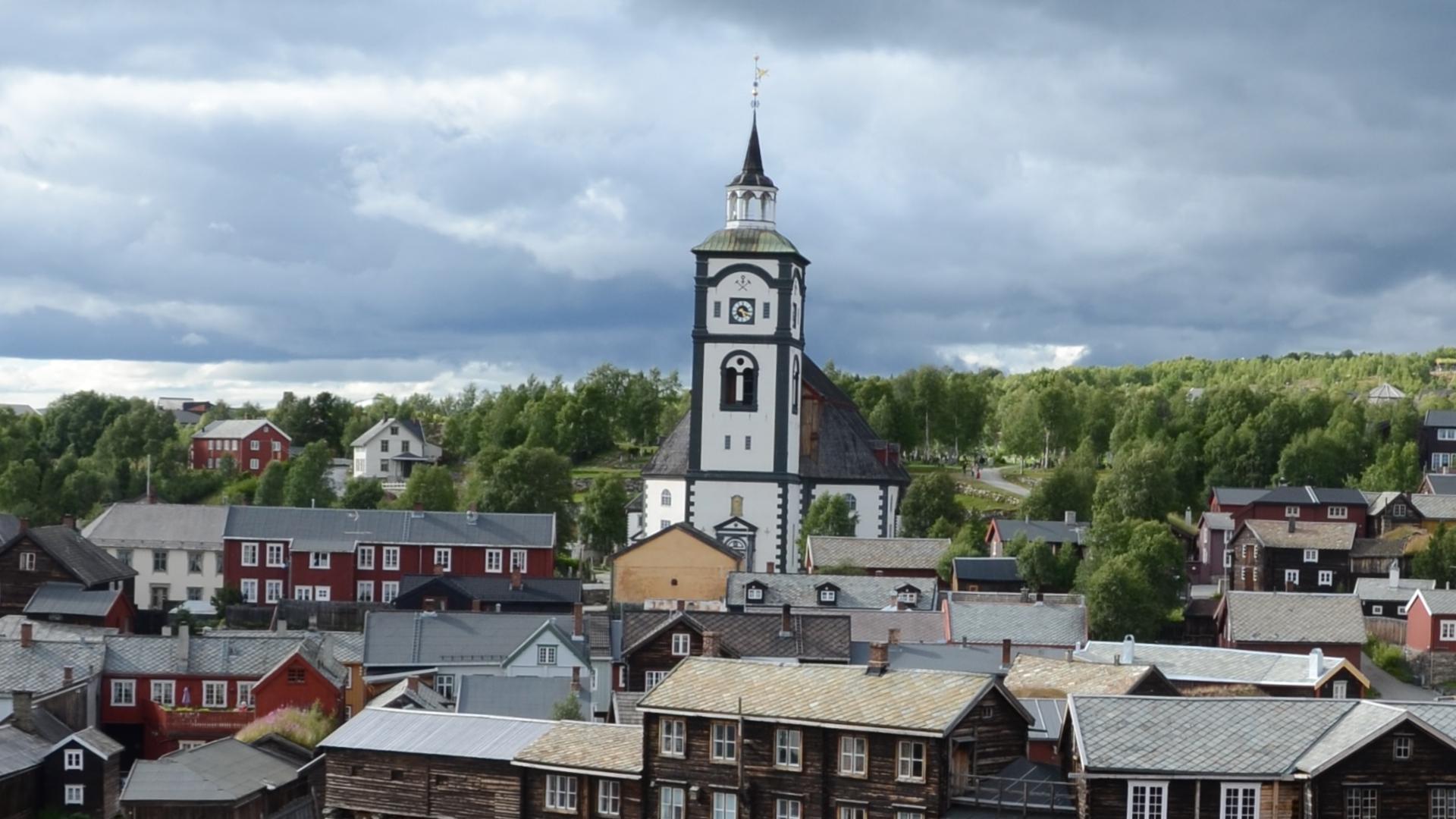
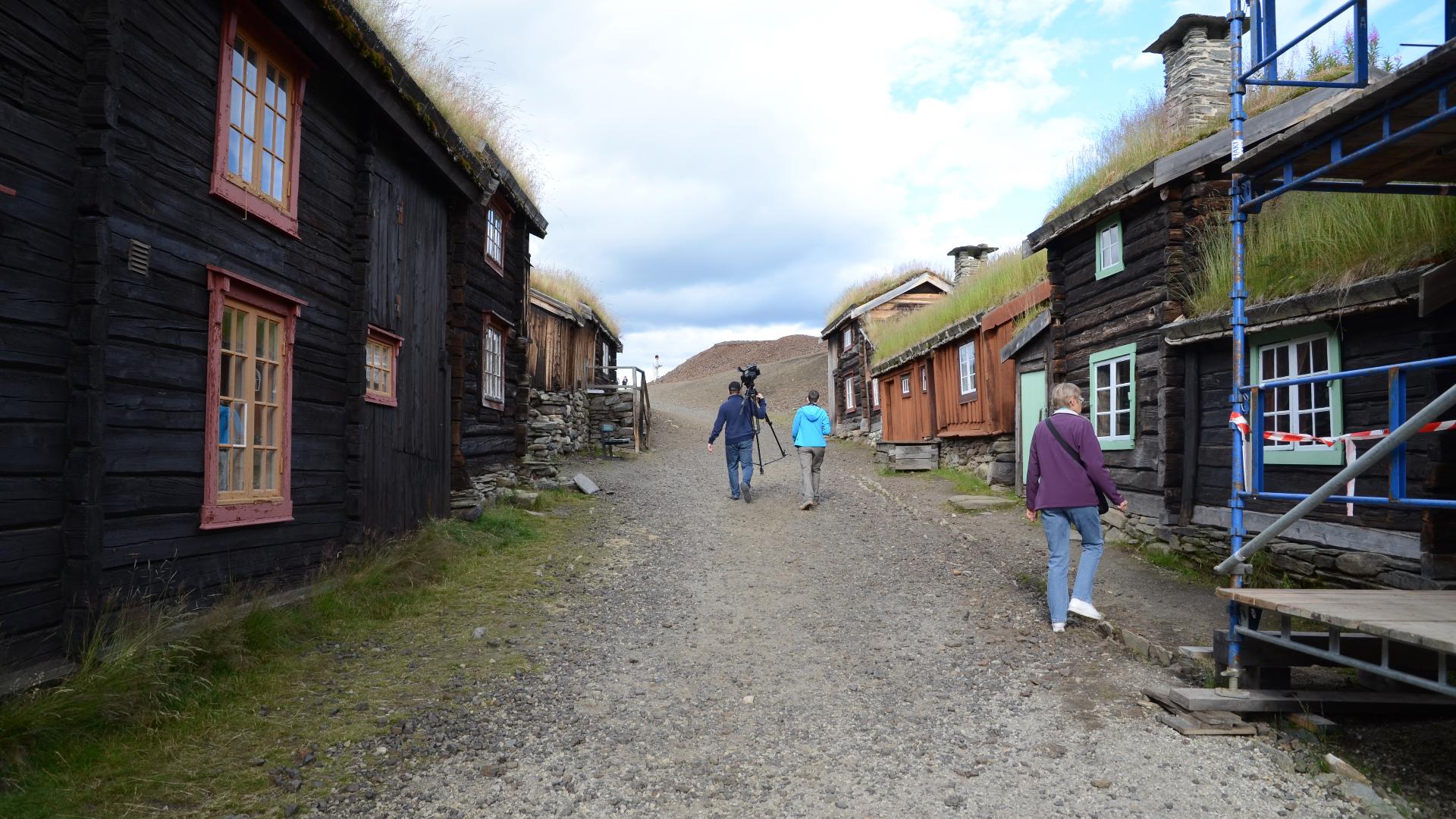
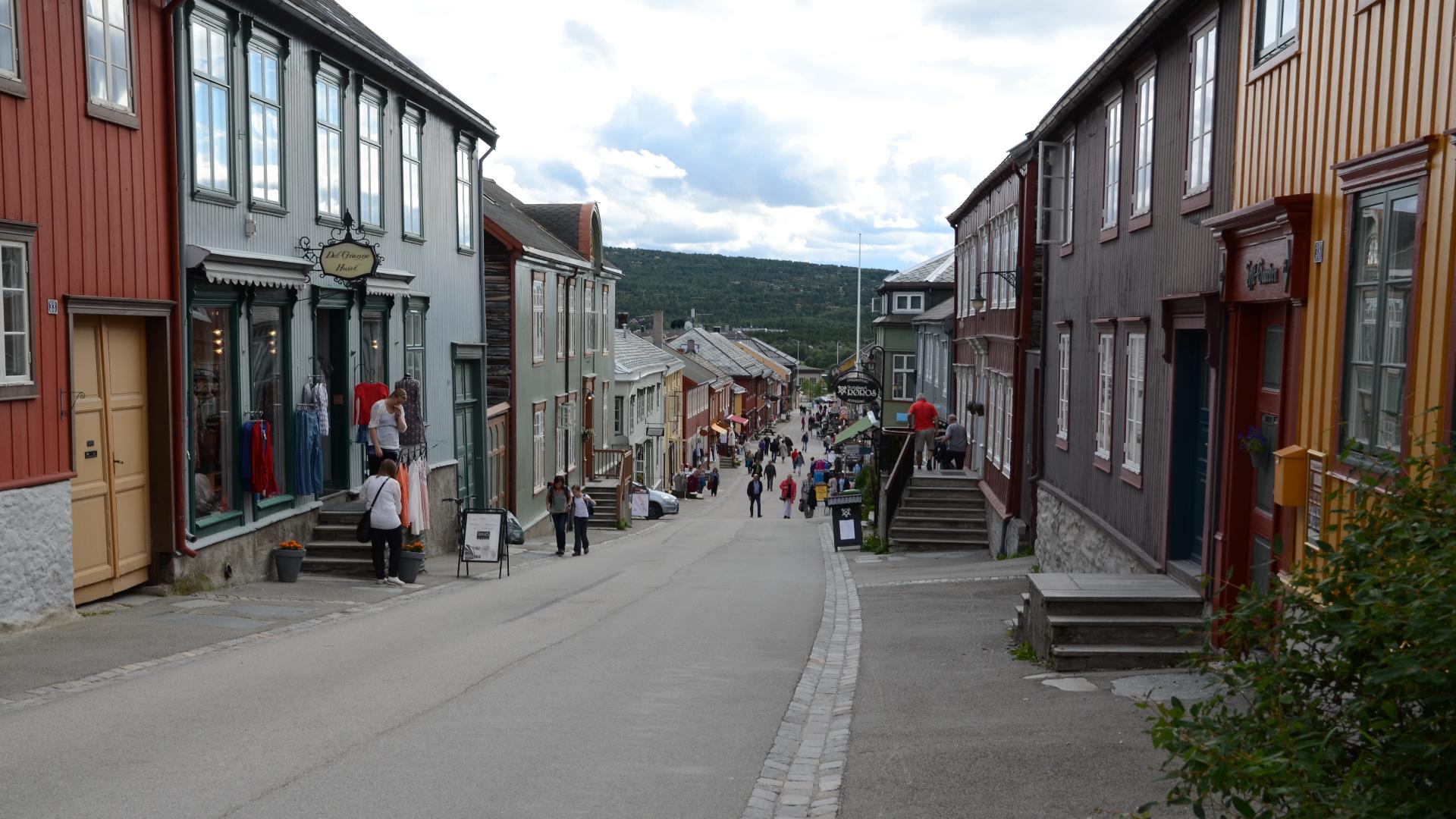
In 1895, the Røros Copper Works needed to modernize or die. The company had been smelting copper with water wheels and charcoal for over 250 years, but competition from modern mines was crushing profits. Their answer was electricity, and the result was a Norwegian first: the country's first high-voltage three-phase power transmission.
Built in 1895-1896 at the outlet of lake Aursunden, the Kuråsfossen station transmitted power at 5,000 volts to the smelting works at Røros, roughly 20 kilometres away. This was a bold technical gamble at a time when long-distance power transmission was still experimental across Europe. The station gave the aging Copper Works a few more decades of life before the company finally closed in 1977 after 333 years of operation.
The power station was decommissioned in 1965 and now serves as a museum. In 2010, it was included in the expanded UNESCO World Heritage Site as part of the industrial landscape that supported the Røros mining operation. The building sits by the falls where the river drops out of Aursunden, and visitors can see the original turbine hall and equipment.
Built in 1895-1896 at the outlet of lake Aursunden, the Kuråsfossen station transmitted power at 5,000 volts to the smelting works at Røros, roughly 20 kilometres away. This was a bold technical gamble at a time when long-distance power transmission was still experimental across Europe. The station gave the aging Copper Works a few more decades of life before the company finally closed in 1977 after 333 years of operation.
The power station was decommissioned in 1965 and now serves as a museum. In 2010, it was included in the expanded UNESCO World Heritage Site as part of the industrial landscape that supported the Røros mining operation. The building sits by the falls where the river drops out of Aursunden, and visitors can see the original turbine hall and equipment.