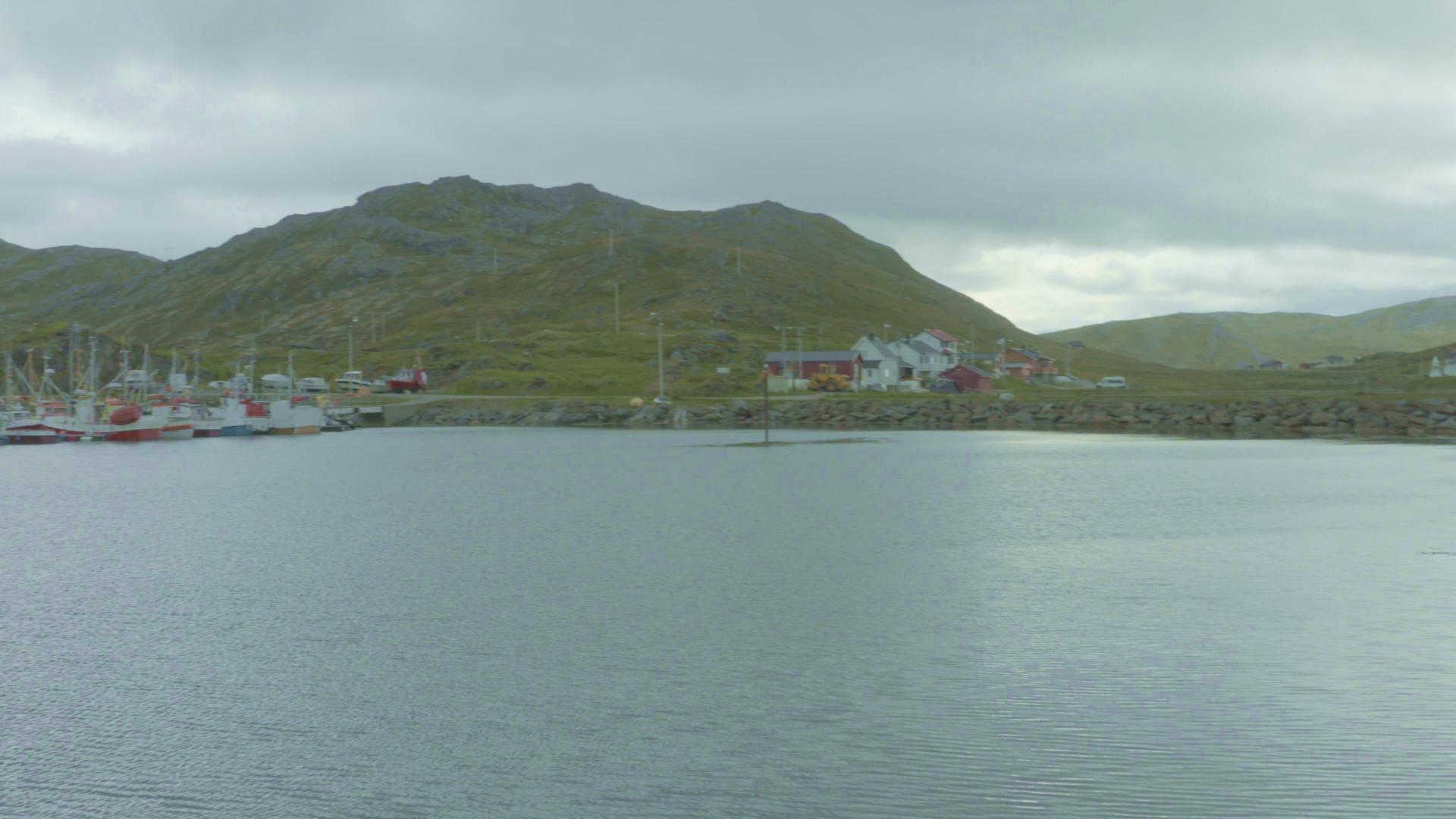
Kiberg is a tiny fishing village just south of Vardø with a story of heroism, betrayal, and a 50-year wait for an apology.
The village was so deeply connected to Russia through centuries of Pomor trade that it earned the nickname Lille Moskva, Little Moscow. When the German occupation began in 1940, that connection became something else entirely. In September 1940, three fishing boats slipped out of Kiberg harbour carrying 48 refugees to the Soviet Union. There, the NKVD recruited some of them as agents. They returned to occupied Finnmark as partisans, spying on German shipping and military movements from behind enemy lines in the same fjords where they had fished their entire lives.
The partisans operated at enormous personal risk, providing intelligence that contributed to Allied operations in the Arctic. Several were captured and killed by the Germans. Those who survived expected recognition when the war ended.
Instead, they received suspicion. Norwegian surveillance police treated the surviving partisans as potential Soviet spies and kept them under close observation throughout the Cold War. For decades, the men who had risked everything fighting the Nazis were treated as security threats by their own country. It was not until 1992, nearly half a century later, that King Harald V apologised on behalf of the Norwegian state.
The Kiberg Partisan Museum documents this story in the village where it began. It is a small museum in a small place, but the layers of the story, from Pomor trade to wartime resistance to Cold War paranoia to royal apology, are among the most powerful in Finnmark.
The village was so deeply connected to Russia through centuries of Pomor trade that it earned the nickname Lille Moskva, Little Moscow. When the German occupation began in 1940, that connection became something else entirely. In September 1940, three fishing boats slipped out of Kiberg harbour carrying 48 refugees to the Soviet Union. There, the NKVD recruited some of them as agents. They returned to occupied Finnmark as partisans, spying on German shipping and military movements from behind enemy lines in the same fjords where they had fished their entire lives.
The partisans operated at enormous personal risk, providing intelligence that contributed to Allied operations in the Arctic. Several were captured and killed by the Germans. Those who survived expected recognition when the war ended.
Instead, they received suspicion. Norwegian surveillance police treated the surviving partisans as potential Soviet spies and kept them under close observation throughout the Cold War. For decades, the men who had risked everything fighting the Nazis were treated as security threats by their own country. It was not until 1992, nearly half a century later, that King Harald V apologised on behalf of the Norwegian state.
The Kiberg Partisan Museum documents this story in the village where it began. It is a small museum in a small place, but the layers of the story, from Pomor trade to wartime resistance to Cold War paranoia to royal apology, are among the most powerful in Finnmark.