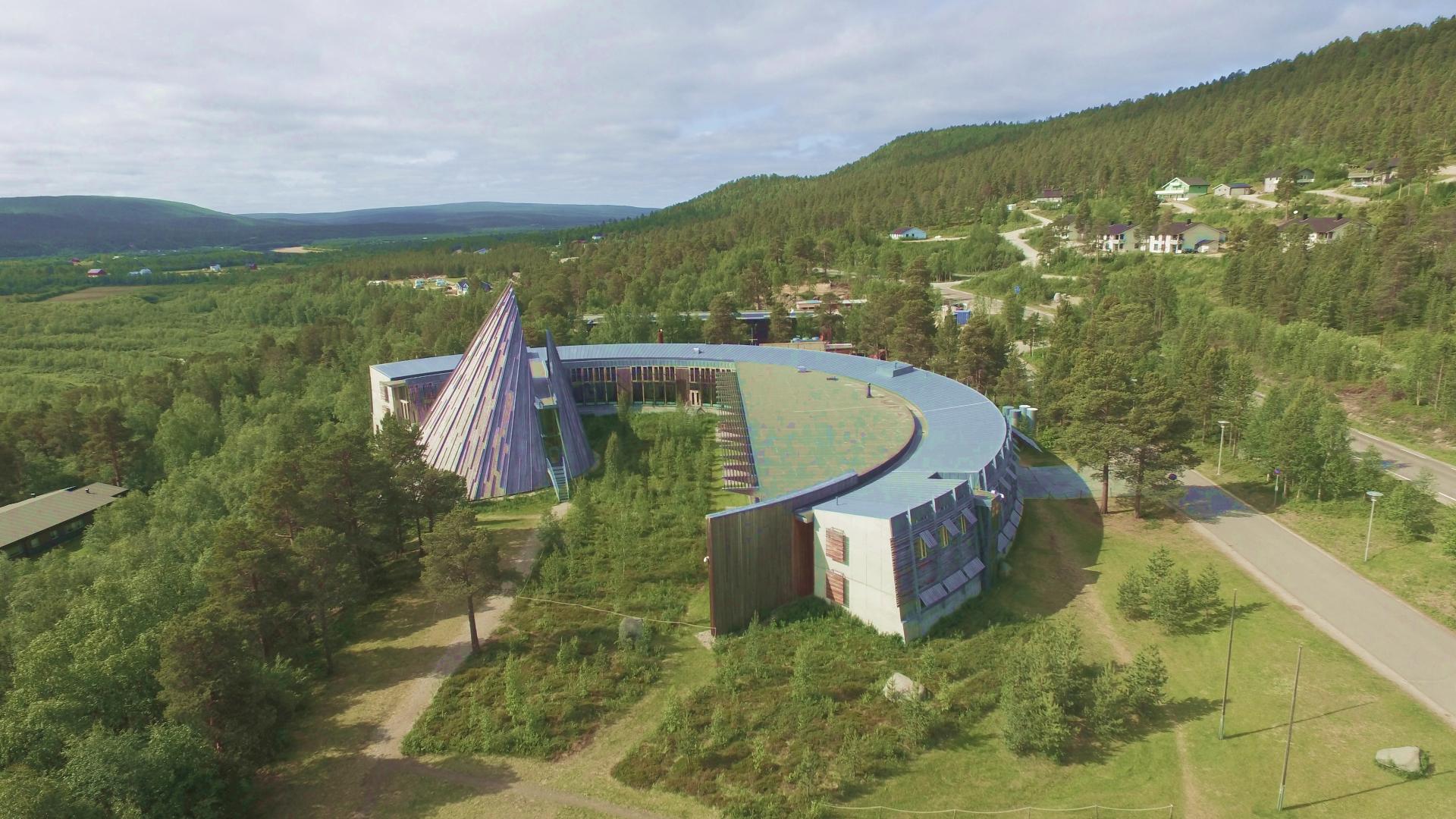
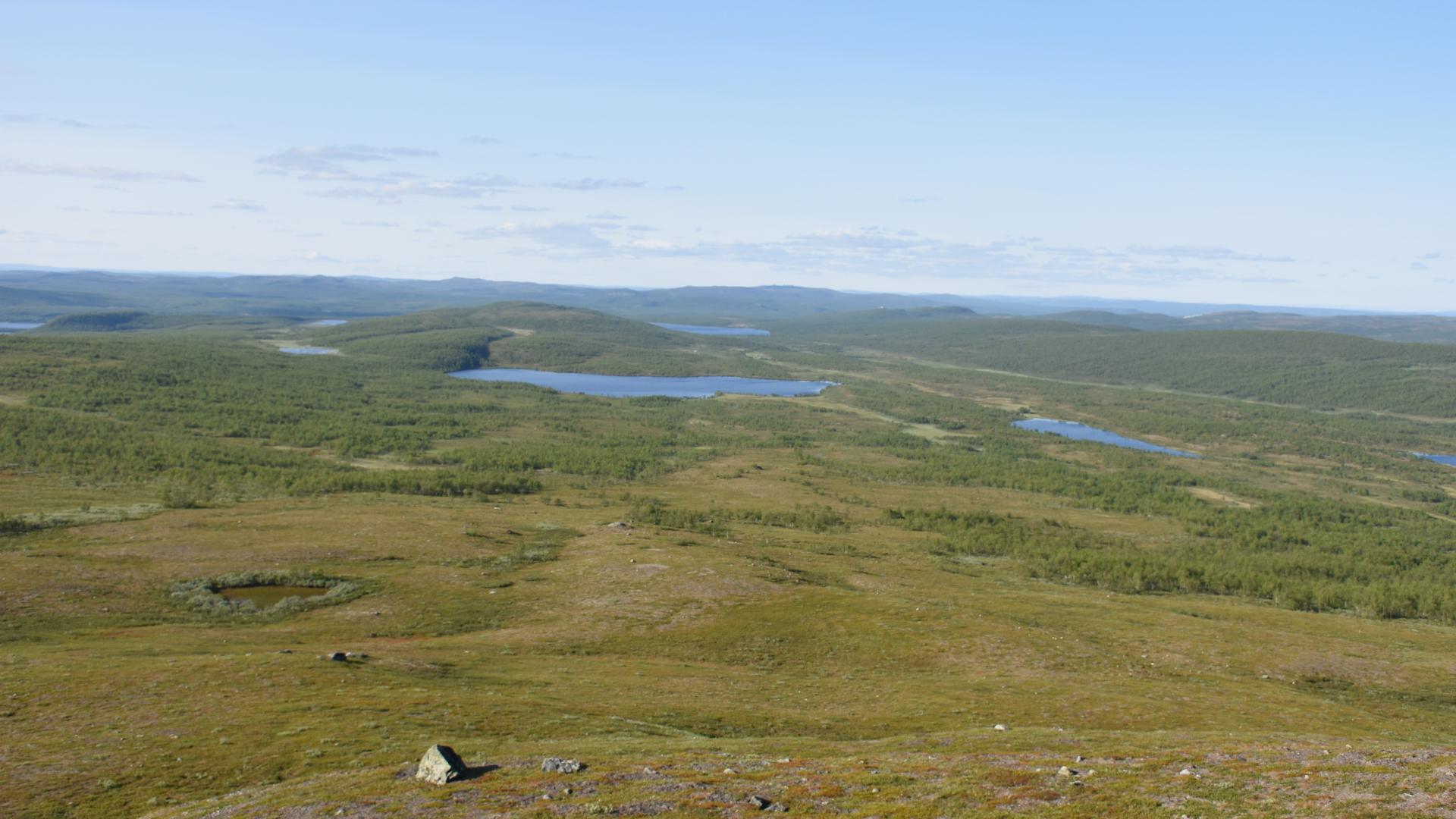
Kárášjohka, the unofficial Sami capital, is a small town of around 2,500 people where the Karasjohka and Iessjohka rivers meet on the Finnmarksvidda plateau. It sits on the E6 highway and holds a concentration of Sami cultural institutions found nowhere else in Norway: the Sami Parliament, the national museum, the national library, and NRK Sápmi, the Sami-language broadcaster.
The old church, built in 1807, is the most remarkable survivor in all of Finnmark. When the retreating German army burned every building in the county during the scorched-earth withdrawal of 1944, Karasjok church was the only structure in the entire town left standing. Some accounts credit a local German officer who refused the demolition order; others say the fire simply did not reach it. Either way, it remains Finnmark's oldest timber church and the county's most tangible link to a pre-war world that was otherwise completely erased.
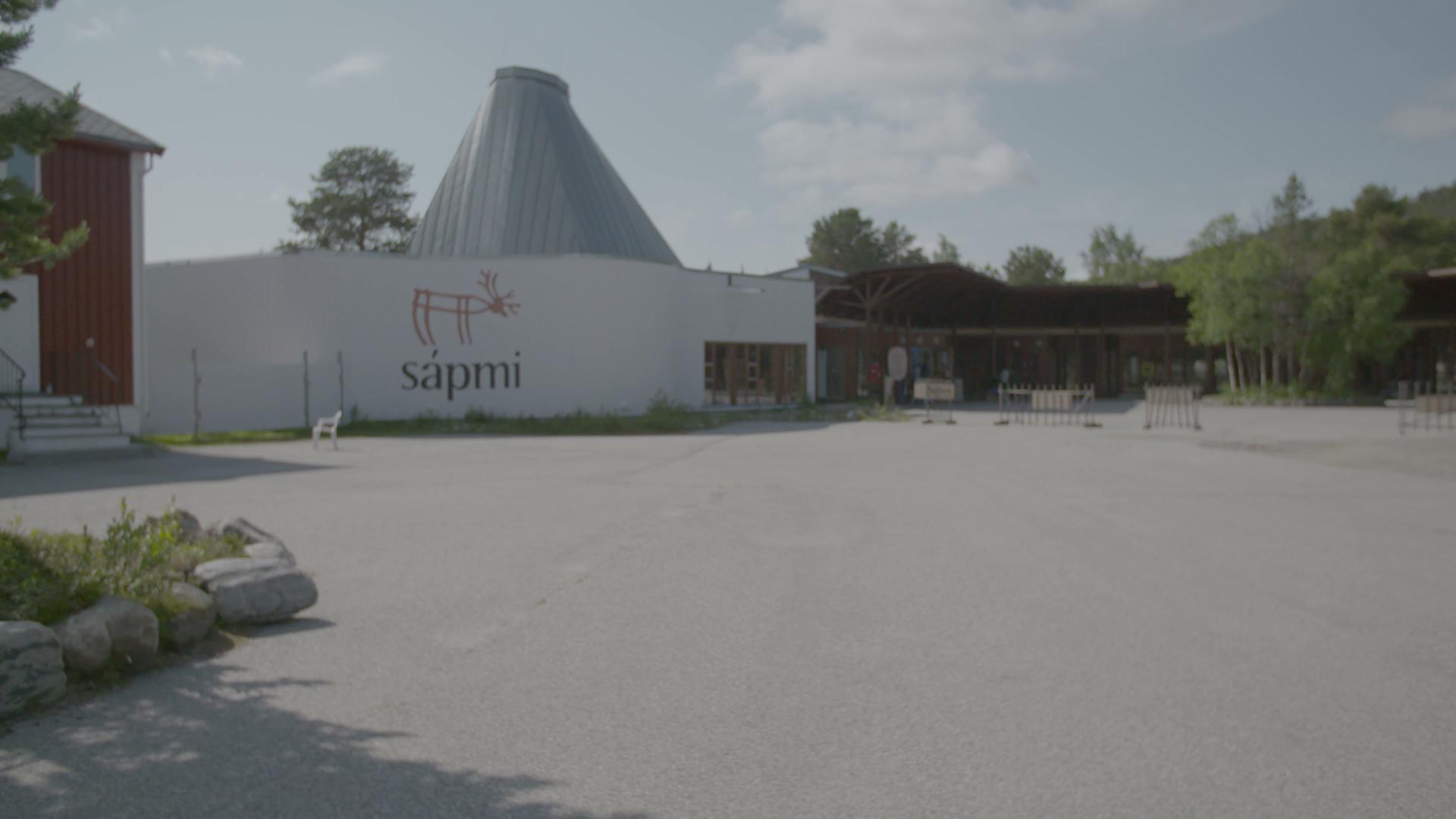
The De Samiske Samlinger, the Sami Collections, was founded in 1972 as the first and largest Sami museum in Norway. Now part of the RiddoDuottarMuseat foundation, its collection of around 5,000 objects includes traditional clothing, silverwork, tools, and artefacts spanning centuries of Sami life. The outdoor open-air section features traditional buildings, storage structures, and displays on reindeer husbandry.
Nearby, the Sami Centre for Contemporary Art hosts monthly rotating exhibitions of indigenous artists working in modern forms, free of charge. The town also holds the annual Sami Easter Festival, when reindeer racing, joik concerts, and the Sami Grand Prix music competition draw visitors from across the Nordic countries. Karasjok regularly records Norway's coldest winter temperatures, with readings below minus 40 not unusual.
The old church, built in 1807, is the most remarkable survivor in all of Finnmark. When the retreating German army burned every building in the county during the scorched-earth withdrawal of 1944, Karasjok church was the only structure in the entire town left standing. Some accounts credit a local German officer who refused the demolition order; others say the fire simply did not reach it. Either way, it remains Finnmark's oldest timber church and the county's most tangible link to a pre-war world that was otherwise completely erased.
The De Samiske Samlinger, the Sami Collections, was founded in 1972 as the first and largest Sami museum in Norway. Now part of the RiddoDuottarMuseat foundation, its collection of around 5,000 objects includes traditional clothing, silverwork, tools, and artefacts spanning centuries of Sami life. The outdoor open-air section features traditional buildings, storage structures, and displays on reindeer husbandry.
Nearby, the Sami Centre for Contemporary Art hosts monthly rotating exhibitions of indigenous artists working in modern forms, free of charge. The town also holds the annual Sami Easter Festival, when reindeer racing, joik concerts, and the Sami Grand Prix music competition draw visitors from across the Nordic countries. Karasjok regularly records Norway's coldest winter temperatures, with readings below minus 40 not unusual.