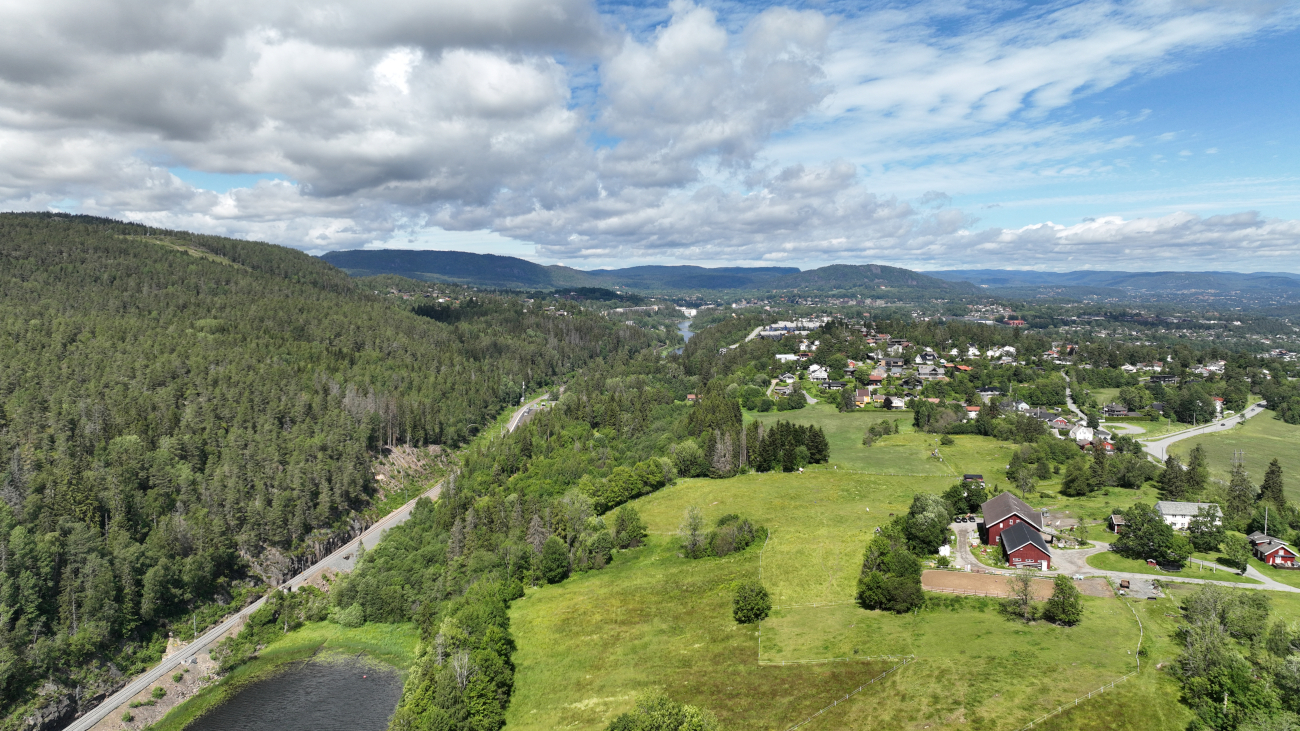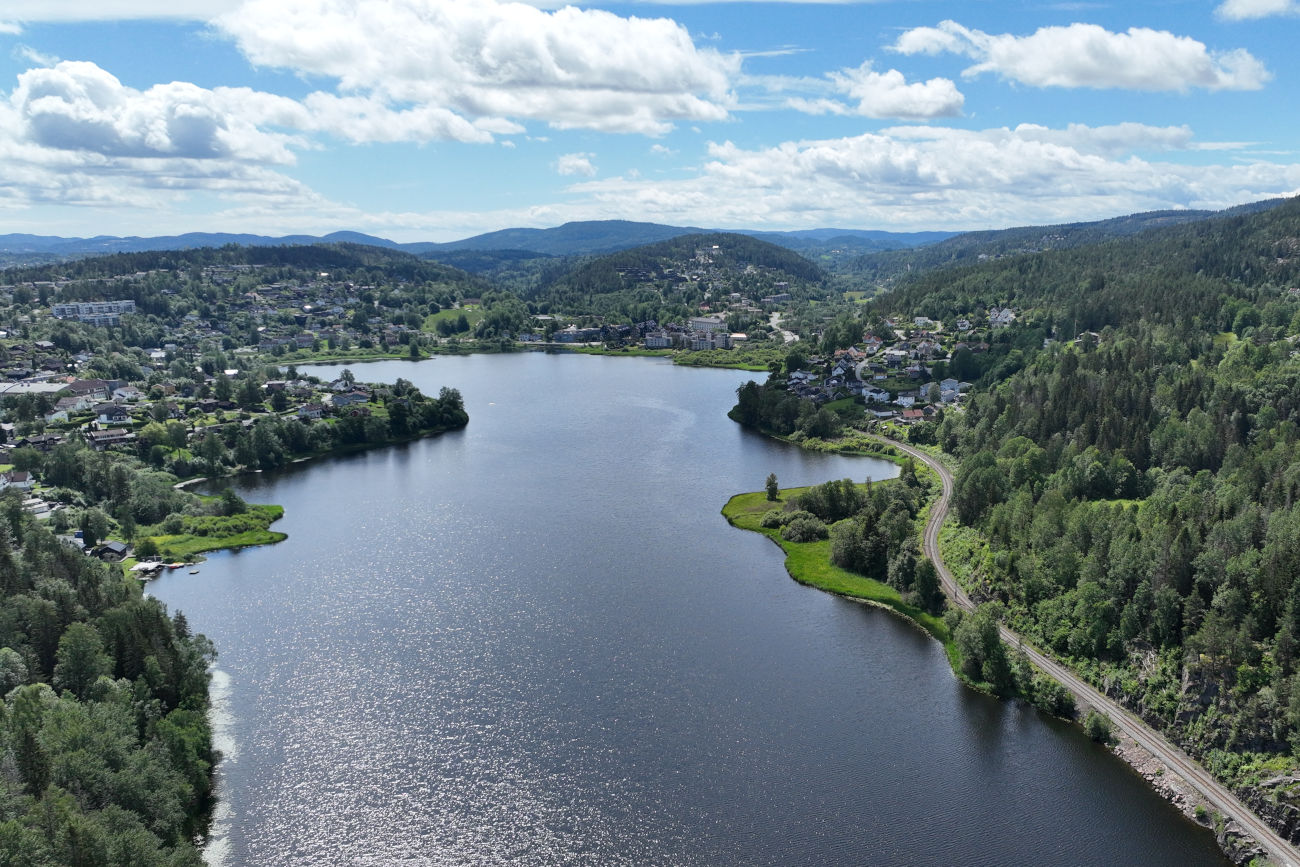
Heggedal was once a proper industrial village, hard to imagine now in this quiet corner of Asker. At its peak, multiple factories ran here simultaneously and the village had a strong workers' movement, a rare thing in what is today one of Norway's wealthiest municipalities.
The waterfall powered the first factory: Christiania Tændstikfabrik, a match factory from 1874. In 1883, Hans Otto Røhr started Sætre Kjeksfabrikk here, a biscuit factory that would become one of Norway's most recognized brands. Røhr had learned the trade in England and failed once already in Drammen before trying again in Heggedal. The factory had no electricity, so power from the water mill was transferred through a wire rope system strung through the forest, looking something like a ski lift between the river and the bakery. When the biscuit factory burned in 1905, it moved to Oslo rather than rebuilding. The match factory had already burned in 1895. A rubber goods factory took over in 1906, producing 200,000 pairs of boots a year under the Viking brand. Then came Heggedal Ullvarefabrikk in 1921, a wool textile mill with over 200 employees by the late 1930s. Foreign competition ended that in 1958.
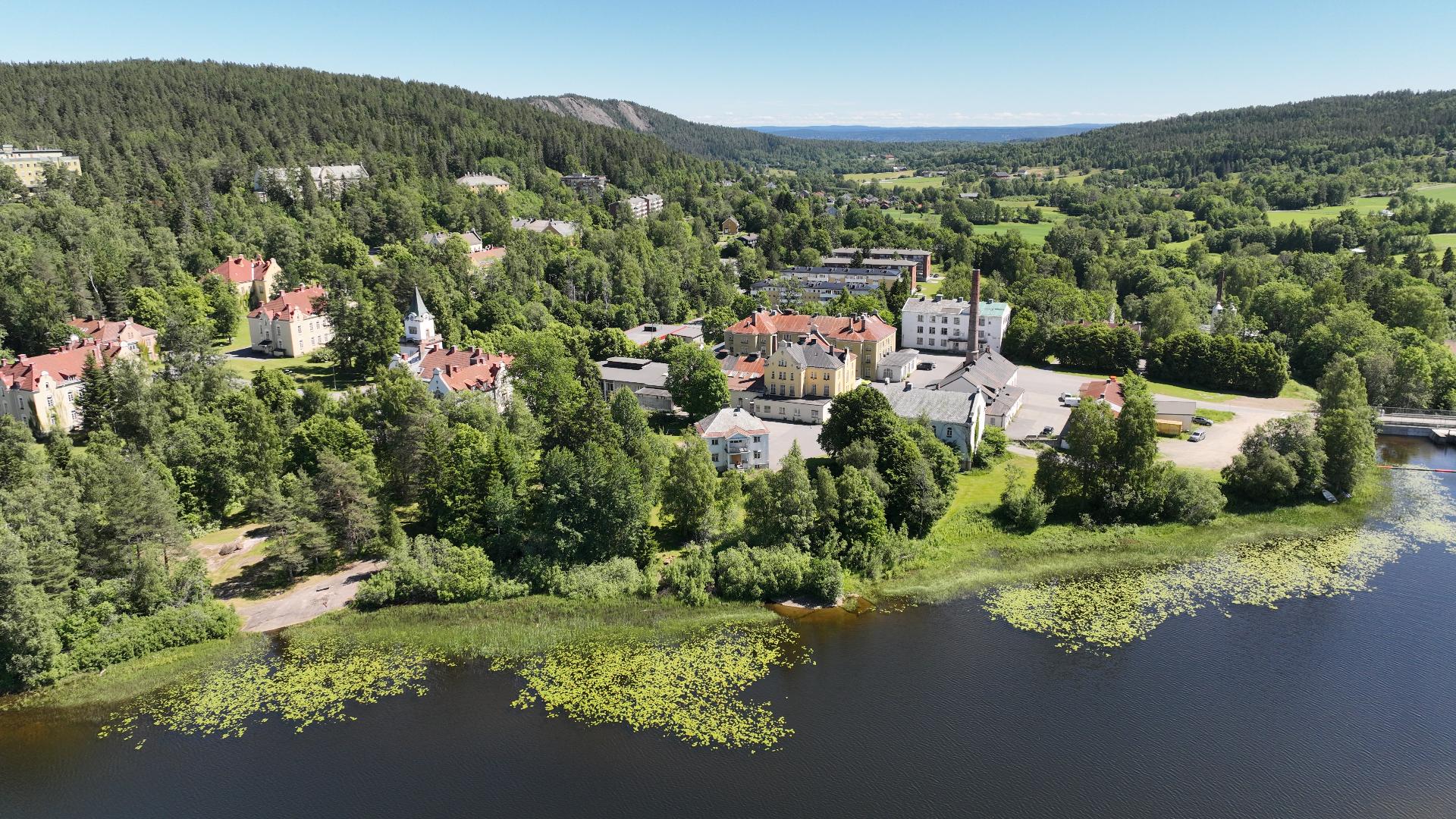
The brick factory buildings still stand in the village centre. From 1985 they housed artist studios, but rising rents pushed most artists out to the old Dikemark psychiatric hospital nearby, where about sixty of them now work in the former ward buildings.
The Spikkestad rail line still stops in Heggedal, connecting the village to Oslo in about forty minutes.
If you are hearing this, you have found the home village of Xplore Norway. Not many tourists make it here.
The waterfall powered the first factory: Christiania Tændstikfabrik, a match factory from 1874. In 1883, Hans Otto Røhr started Sætre Kjeksfabrikk here, a biscuit factory that would become one of Norway's most recognized brands. Røhr had learned the trade in England and failed once already in Drammen before trying again in Heggedal. The factory had no electricity, so power from the water mill was transferred through a wire rope system strung through the forest, looking something like a ski lift between the river and the bakery. When the biscuit factory burned in 1905, it moved to Oslo rather than rebuilding. The match factory had already burned in 1895. A rubber goods factory took over in 1906, producing 200,000 pairs of boots a year under the Viking brand. Then came Heggedal Ullvarefabrikk in 1921, a wool textile mill with over 200 employees by the late 1930s. Foreign competition ended that in 1958.
The brick factory buildings still stand in the village centre. From 1985 they housed artist studios, but rising rents pushed most artists out to the old Dikemark psychiatric hospital nearby, where about sixty of them now work in the former ward buildings.
The Spikkestad rail line still stops in Heggedal, connecting the village to Oslo in about forty minutes.
If you are hearing this, you have found the home village of Xplore Norway. Not many tourists make it here.