 Easy
Easy
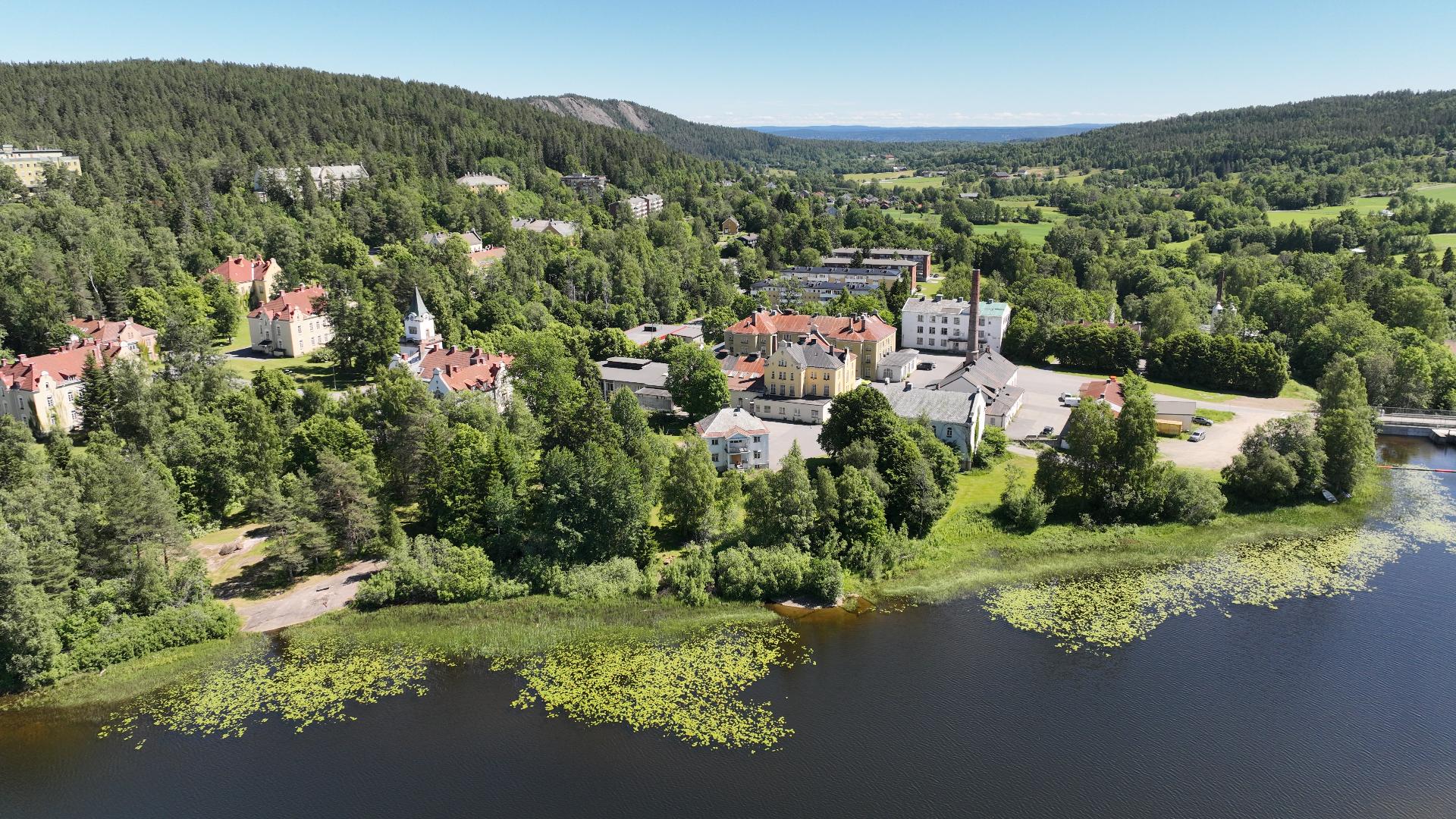
Kjekstadmarka Kjekstadmarka is the south-western corner of Oslomarka. It lies between Asker, Røyken and Lier, and is much less visited than Nordmarka or Østmarka.
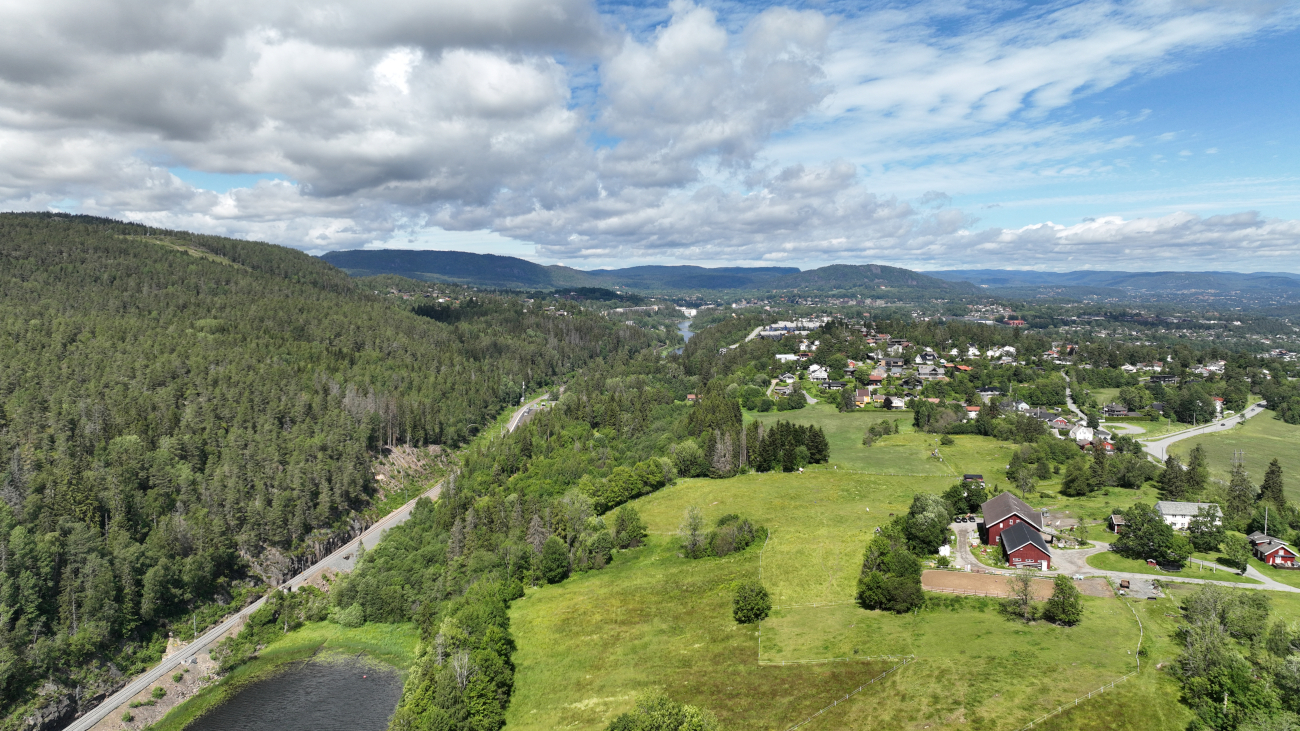
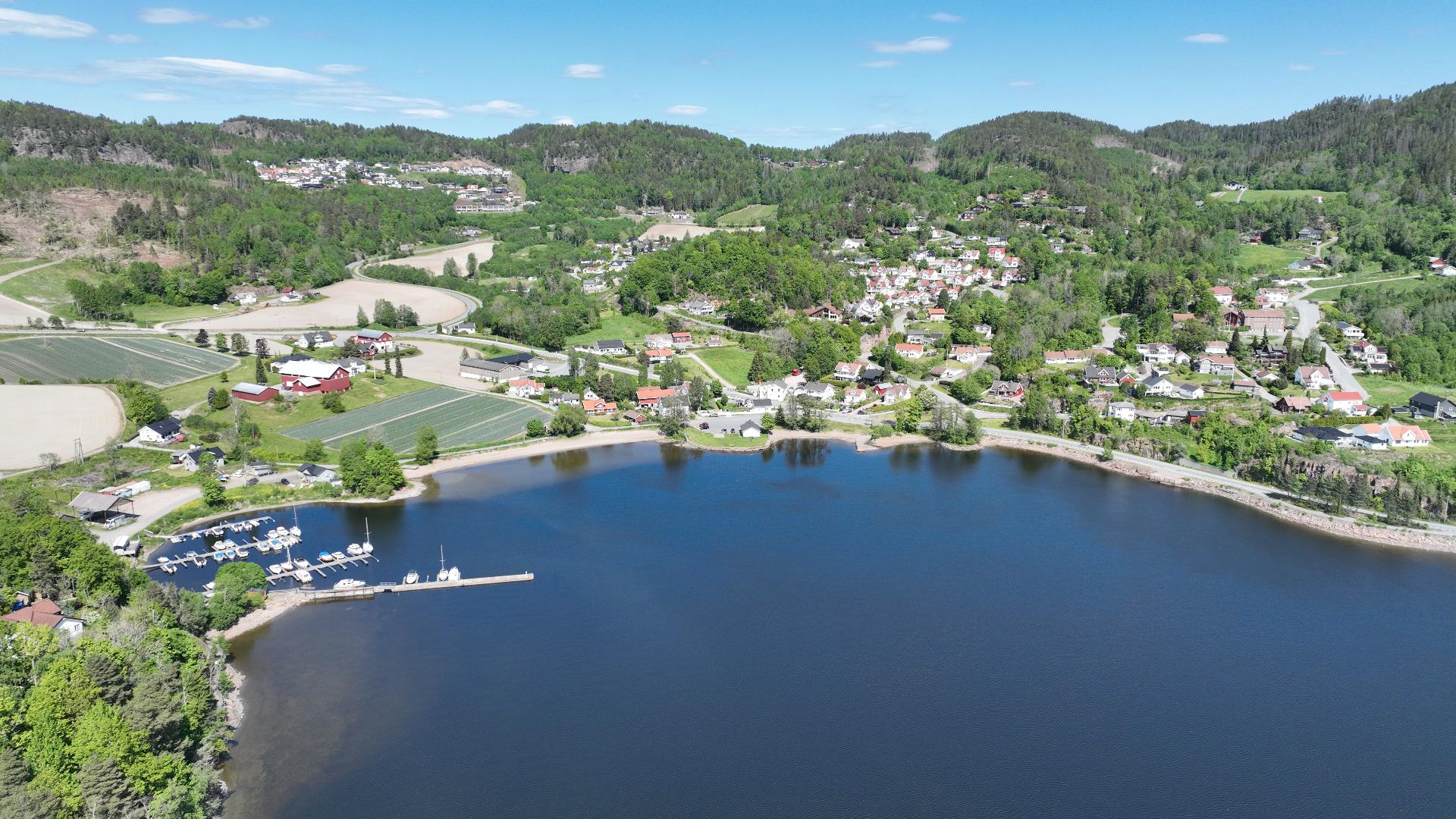
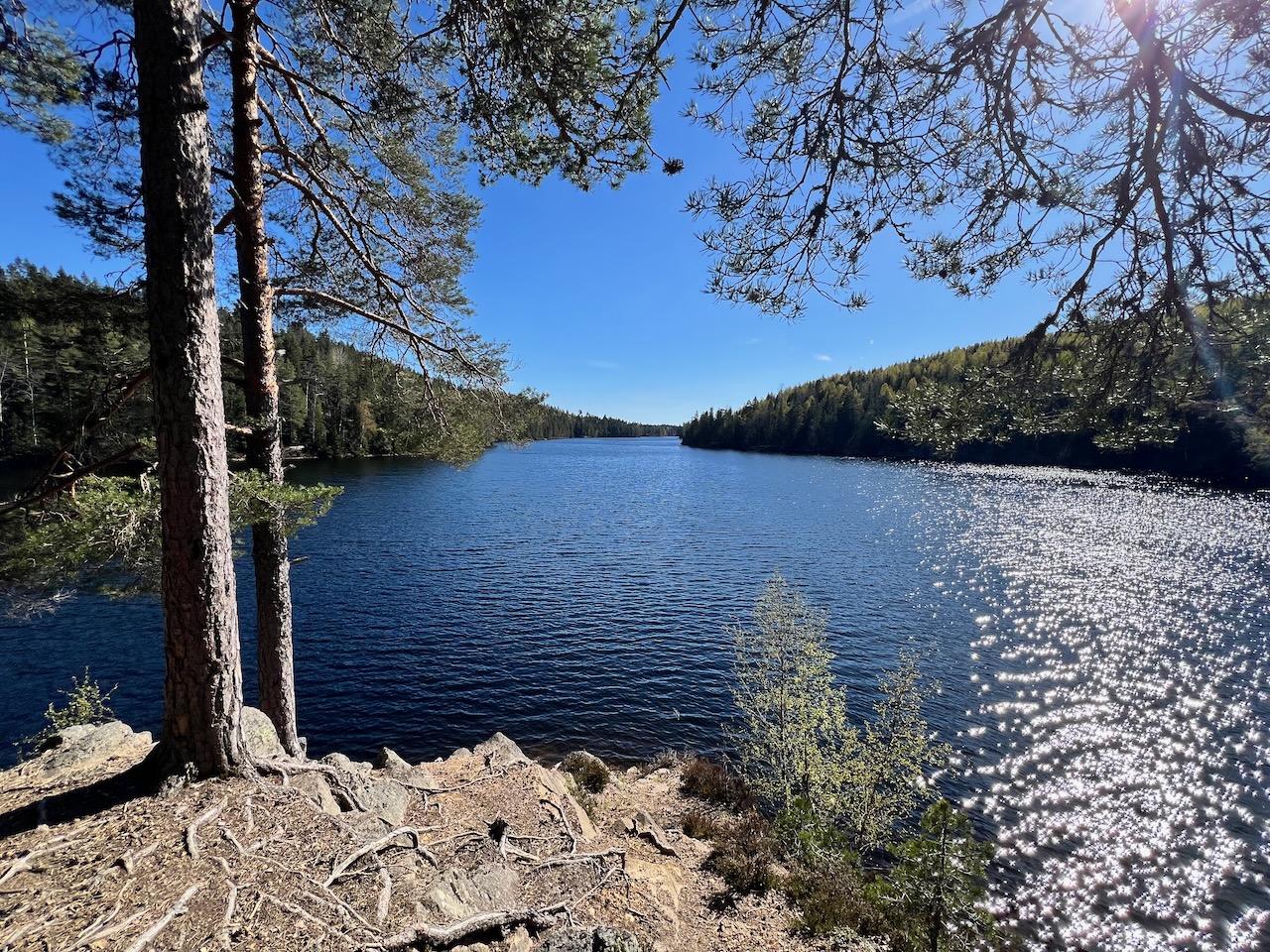
For that reason, it's a good area to escape the crowds. The terrain is varied with pine forests, bogs, and small lakes. Brennåsen at 361 metres is the highest point. The area is easy to reach from the E18 between Oslo and Drammen, or by train to Spikkestad on the Spikkestadbanen.
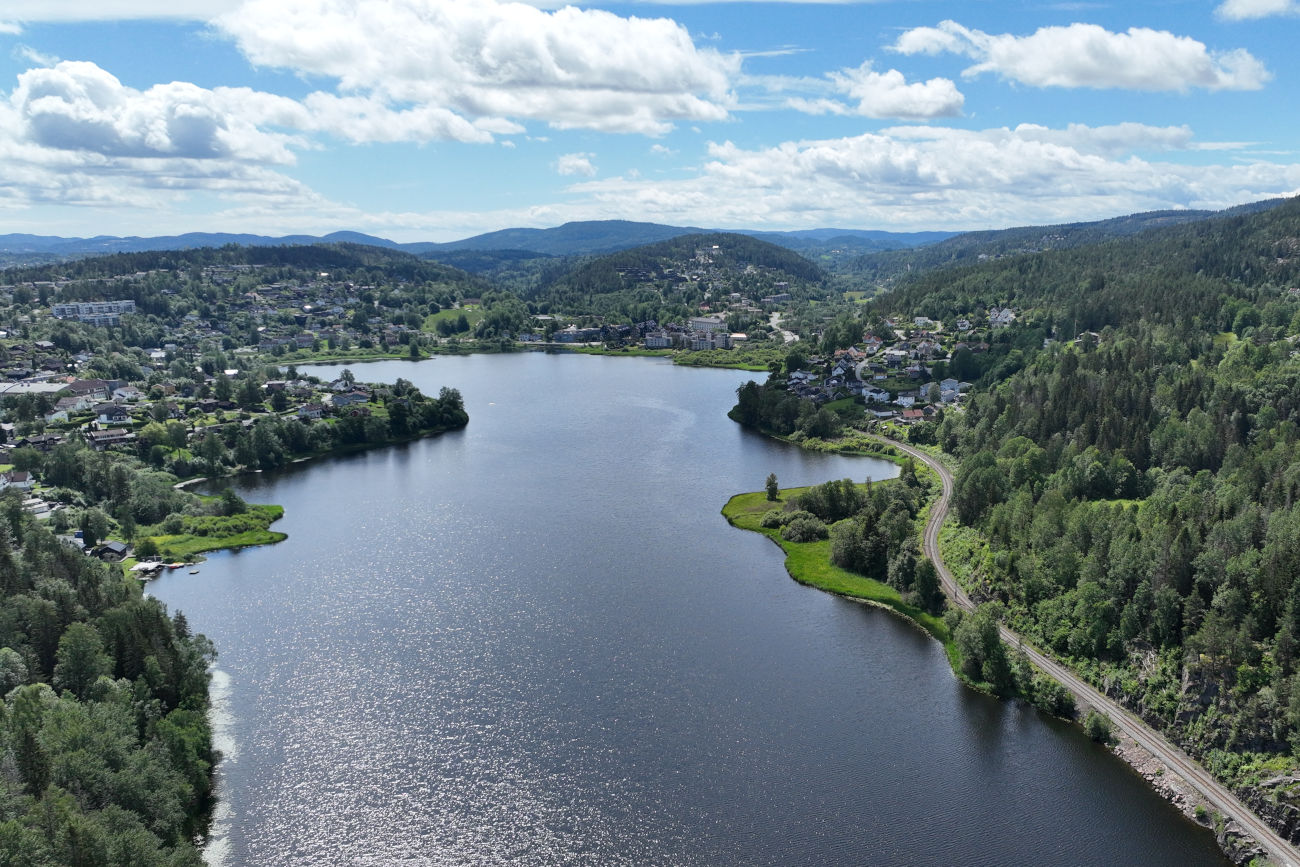
Skiforeningen prepares cross-country tracks in winter when there's enough snow. Several hikes are popular here. Skapertjern is a long forest lake that used to be a drinking water source for Drammen. It's now open for swimming and recreation. At the northern end at Skapertjernløkka, you can camp and fish.
There's a DNT cabin called Småvannsbu near a small lake of the same name. It was built during the Second World War for Dikemark Hospital and is now operated by DNT Oslo og Omegn.
At Blåfjell there's another cabin run by Heggedal Idrettslag, with a café open on weekends.
Near Skapertjern you can find the remains of the Sørumlia molybdenum mines. Molybdenum is a metal used in steel alloys, particularly for weapons. Mining started here in 1918 but stopped quickly after the First World War ended. The Germans restarted operations during the Second World War because they needed the metal for their war industry. By 1944, a modern facility was in operation with up to 100 workers, including a flotation plant that could process 80 tonnes of ore per day. They extracted 17 tonnes of pure molybdenum before the mines were shut down in May 1945. Today you can see ruins of the old buildings, foundations and fenced-off mine shafts. Don't go into the tunnels.
On the eastern edge of Kjekstadmarka, just west of Heggedal, lies Underlandsåsen. The landscape here is different – polished granite slabs and open pine forest. This area has a dramatic wartime history. A cabin called Bekkestua was used by the Osvald Group, a communist-led resistance organisation that was actually Norway's most active sabotage group from 1941 to 1944, carrying out around 110 actions.
The cabin had been used as a hideout and for weapons training since 1942. In summer 1944, after the Germans discovered their headquarters at Sollia on Hadeland, Bekkestua became the Osvald Group's main base. Their leader Asbjørn Sunde, codename "Osvald", stayed there with his family. In November 1944, Sunde and two comrades were resting in the cabin after having shot three German soldiers.
The Germans tracked them down. The Norwegians shot their way out and escaped, killing one German in the firefight. As revenge, the Germans burned Bekkestua and several other cabins.
After the war, Bekkestua was rebuilt on the same spot. Today it's a small museum, owned by Asker Municipality and maintained by the local history society. You can reach it via a signposted detour from the blue-marked loop trail around Underlandsåsen, which starts at Heggedal station.
The area has good parking at several starting points. Dikemark has a car park at Krokekra for hikes to Småvannsbu. Myrvoll at the end of Skapertjernveien is a starting point for the Skapertjern lake loop. From Gullaugkleiva you can walk the old Drammensbanen railway line, which is now a flat path with views over the fjord.
For that reason, it's a good area to escape the crowds. The terrain is varied with pine forests, bogs, and small lakes. Brennåsen at 361 metres is the highest point. The area is easy to reach from the E18 between Oslo and Drammen, or by train to Spikkestad on the Spikkestadbanen.
Skiforeningen prepares cross-country tracks in winter when there's enough snow. Several hikes are popular here. Skapertjern is a long forest lake that used to be a drinking water source for Drammen. It's now open for swimming and recreation. At the northern end at Skapertjernløkka, you can camp and fish.
There's a DNT cabin called Småvannsbu near a small lake of the same name. It was built during the Second World War for Dikemark Hospital and is now operated by DNT Oslo og Omegn.
At Blåfjell there's another cabin run by Heggedal Idrettslag, with a café open on weekends.
Near Skapertjern you can find the remains of the Sørumlia molybdenum mines. Molybdenum is a metal used in steel alloys, particularly for weapons. Mining started here in 1918 but stopped quickly after the First World War ended. The Germans restarted operations during the Second World War because they needed the metal for their war industry. By 1944, a modern facility was in operation with up to 100 workers, including a flotation plant that could process 80 tonnes of ore per day. They extracted 17 tonnes of pure molybdenum before the mines were shut down in May 1945. Today you can see ruins of the old buildings, foundations and fenced-off mine shafts. Don't go into the tunnels.
On the eastern edge of Kjekstadmarka, just west of Heggedal, lies Underlandsåsen. The landscape here is different – polished granite slabs and open pine forest. This area has a dramatic wartime history. A cabin called Bekkestua was used by the Osvald Group, a communist-led resistance organisation that was actually Norway's most active sabotage group from 1941 to 1944, carrying out around 110 actions.
The cabin had been used as a hideout and for weapons training since 1942. In summer 1944, after the Germans discovered their headquarters at Sollia on Hadeland, Bekkestua became the Osvald Group's main base. Their leader Asbjørn Sunde, codename "Osvald", stayed there with his family. In November 1944, Sunde and two comrades were resting in the cabin after having shot three German soldiers.
The Germans tracked them down. The Norwegians shot their way out and escaped, killing one German in the firefight. As revenge, the Germans burned Bekkestua and several other cabins.
After the war, Bekkestua was rebuilt on the same spot. Today it's a small museum, owned by Asker Municipality and maintained by the local history society. You can reach it via a signposted detour from the blue-marked loop trail around Underlandsåsen, which starts at Heggedal station.
The area has good parking at several starting points. Dikemark has a car park at Krokekra for hikes to Småvannsbu. Myrvoll at the end of Skapertjernveien is a starting point for the Skapertjern lake loop. From Gullaugkleiva you can walk the old Drammensbanen railway line, which is now a flat path with views over the fjord.