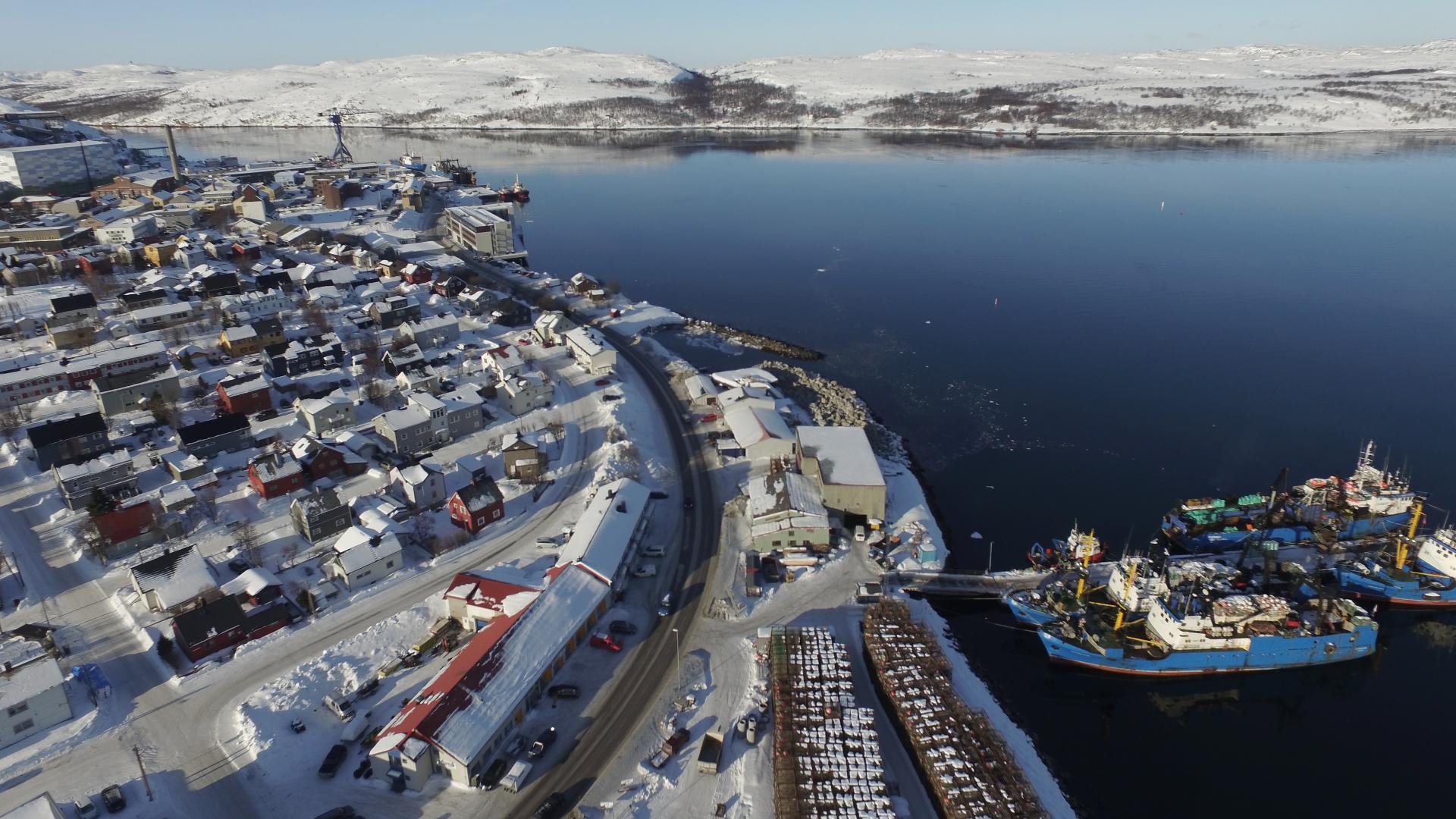
Bugøynes, known locally as Pykeija in Kven, is a fishing village on the south shore of the Varangerfjord that feels like a piece of Finland transplanted to the Arctic coast. The first Finnish settlers arrived around 1840, part of a larger wave of Kven migration from northern Finland and the Tornedalen valley in Sweden, many of them fleeing the devastating famine that struck Finland in 1866 to 1868. Their descendants still speak Finnish in daily life, making Bugøynes one of the last living Kven communities in Norway.
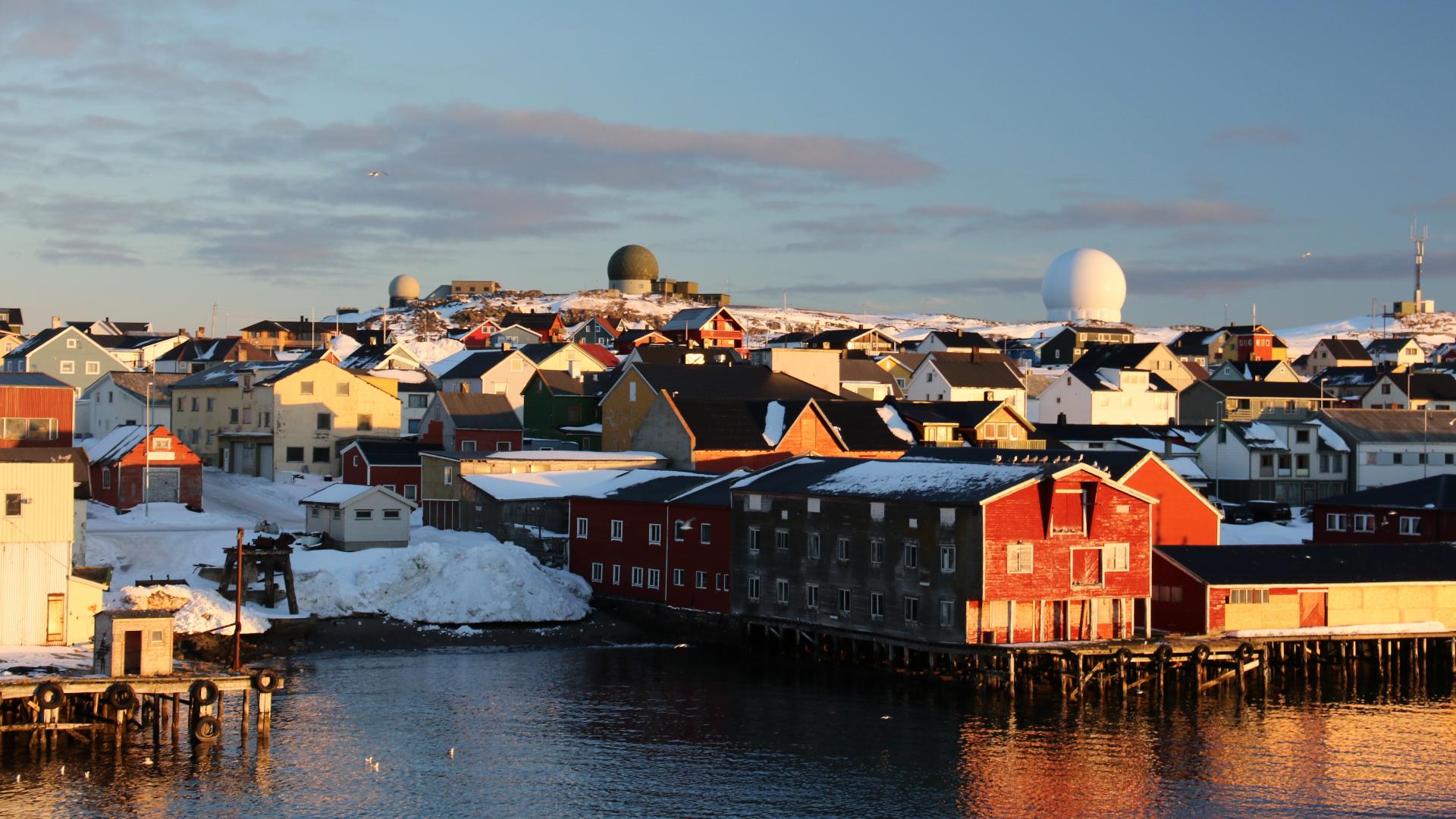
The village is also one of the very few places in Finnmark where pre-war buildings survive. When the German army burned the county in 1944, Bugøynes was largely spared, making its wooden houses a rare physical link to a world that was otherwise erased across all of Finnmark.
In 1989, the village made international headlines when the local fishery was sold at a forced auction and the residents advertised the entire village for sale. The story could have ended there, but it did not. The Soviet Union had introduced king crabs from the Pacific Ocean into the Barents Sea in the 1960s, and by the 1990s the crabs had spread along the coast to Varanger. Bugøynes reinvented itself as Norway's king crab capital, and the giant crabs, some weighing up to 10 kilograms, now sustain the village. Several operators run king crab safaris where visitors catch, cook, and eat the crabs on the spot.
The village also hosts an annual Finnish sauna festival, celebrating the other thing the Kven immigrants brought with them.
The village is also one of the very few places in Finnmark where pre-war buildings survive. When the German army burned the county in 1944, Bugøynes was largely spared, making its wooden houses a rare physical link to a world that was otherwise erased across all of Finnmark.
In 1989, the village made international headlines when the local fishery was sold at a forced auction and the residents advertised the entire village for sale. The story could have ended there, but it did not. The Soviet Union had introduced king crabs from the Pacific Ocean into the Barents Sea in the 1960s, and by the 1990s the crabs had spread along the coast to Varanger. Bugøynes reinvented itself as Norway's king crab capital, and the giant crabs, some weighing up to 10 kilograms, now sustain the village. Several operators run king crab safaris where visitors catch, cook, and eat the crabs on the spot.
The village also hosts an annual Finnish sauna festival, celebrating the other thing the Kven immigrants brought with them.