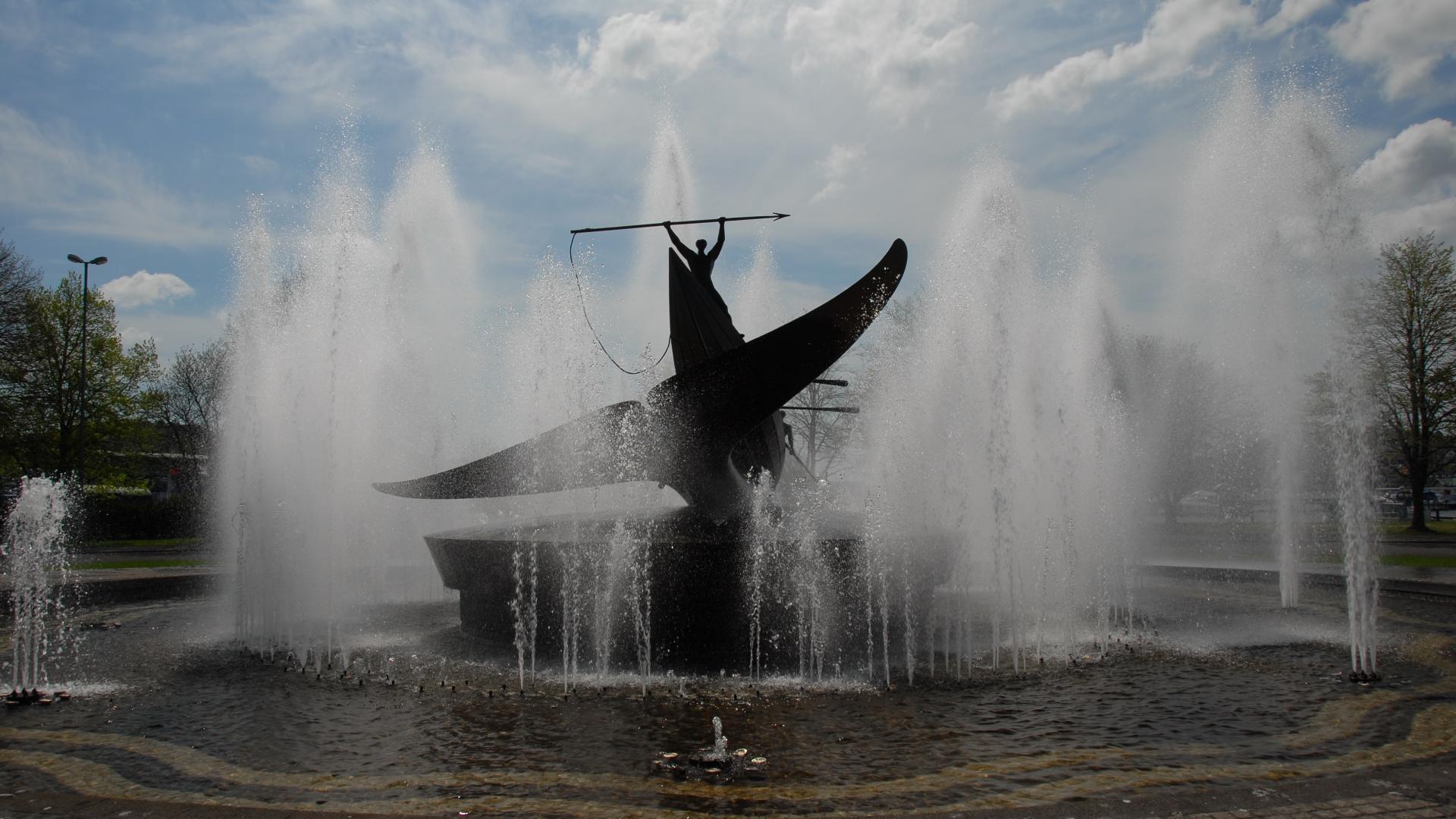
Sandefjord était autrefois la ville la plus riche de Norvège, et sa richesse provenait de la chasse à la baleine. Au début des années 1900, les armateurs de Sandefjord contrôlaient une part considérable de la flotte baleinière mondiale, envoyant des navires-usines et des baleiniers en Antarctique pour chasser les baleines bleues, les rorquals communs et les baleines à bosse. Cette richesse a permis de financer la construction de hôtels particuliers, de parcs et de bâtiments publics qui caractérisent encore aujourd’hui le centre-ville. Le Hvalfangstmuseet, le seul musée au monde entièrement consacré à la chasse à la baleine, retrace cette histoire complexe dans son intégralité. À Museumsbrygga, le Southern Actor, dernier navire baleinier de l’ère industrielle encore entièrement opérationnel, est amarré et fait office d’exposition flottante.
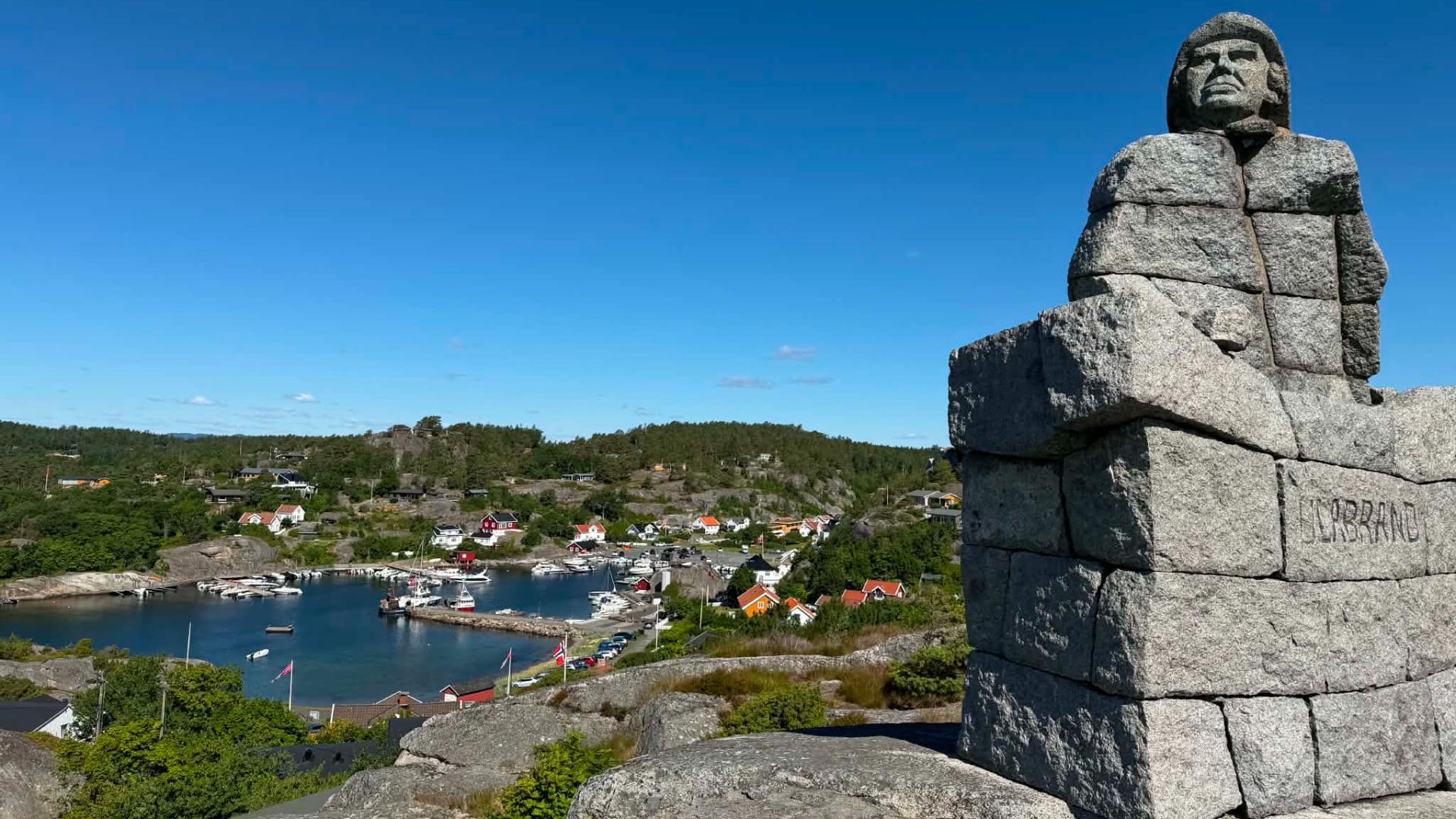
La chasse à la baleine a connu un effondrement dans les années 1960, mais Sandefjord a su se réinventer. Aujourd’hui, c’est une agréable ville balnéaire dotée de près de 150 kilomètres de côtes, de criques abritées et de plages de sable. Elle détient également la curieuse particularité d’avoir plus de sculptures par habitant que n’importe quelle autre ville de Norvège : une centaine d’œuvres réalisées par plus de 50 artistes sont disséminées dans les rues et les parcs, notamment au Midtasen Skulpturpark qui surplombe le fjord.
C'est également à Sandefjord que le drakkar de Gokstad a été découvert en 1880, dans un tumulus situé dans une ferme juste à la périphérie de la ville. Le navire se trouve aujourd'hui à Oslo, mais le tumulus de Gokstadhaugen peut toujours être visité.
La chasse à la baleine a connu un effondrement dans les années 1960, mais Sandefjord a su se réinventer. Aujourd’hui, c’est une agréable ville balnéaire dotée de près de 150 kilomètres de côtes, de criques abritées et de plages de sable. Elle détient également la curieuse particularité d’avoir plus de sculptures par habitant que n’importe quelle autre ville de Norvège : une centaine d’œuvres réalisées par plus de 50 artistes sont disséminées dans les rues et les parcs, notamment au Midtasen Skulpturpark qui surplombe le fjord.
C'est également à Sandefjord que le drakkar de Gokstad a été découvert en 1880, dans un tumulus situé dans une ferme juste à la périphérie de la ville. Le navire se trouve aujourd'hui à Oslo, mais le tumulus de Gokstadhaugen peut toujours être visité.