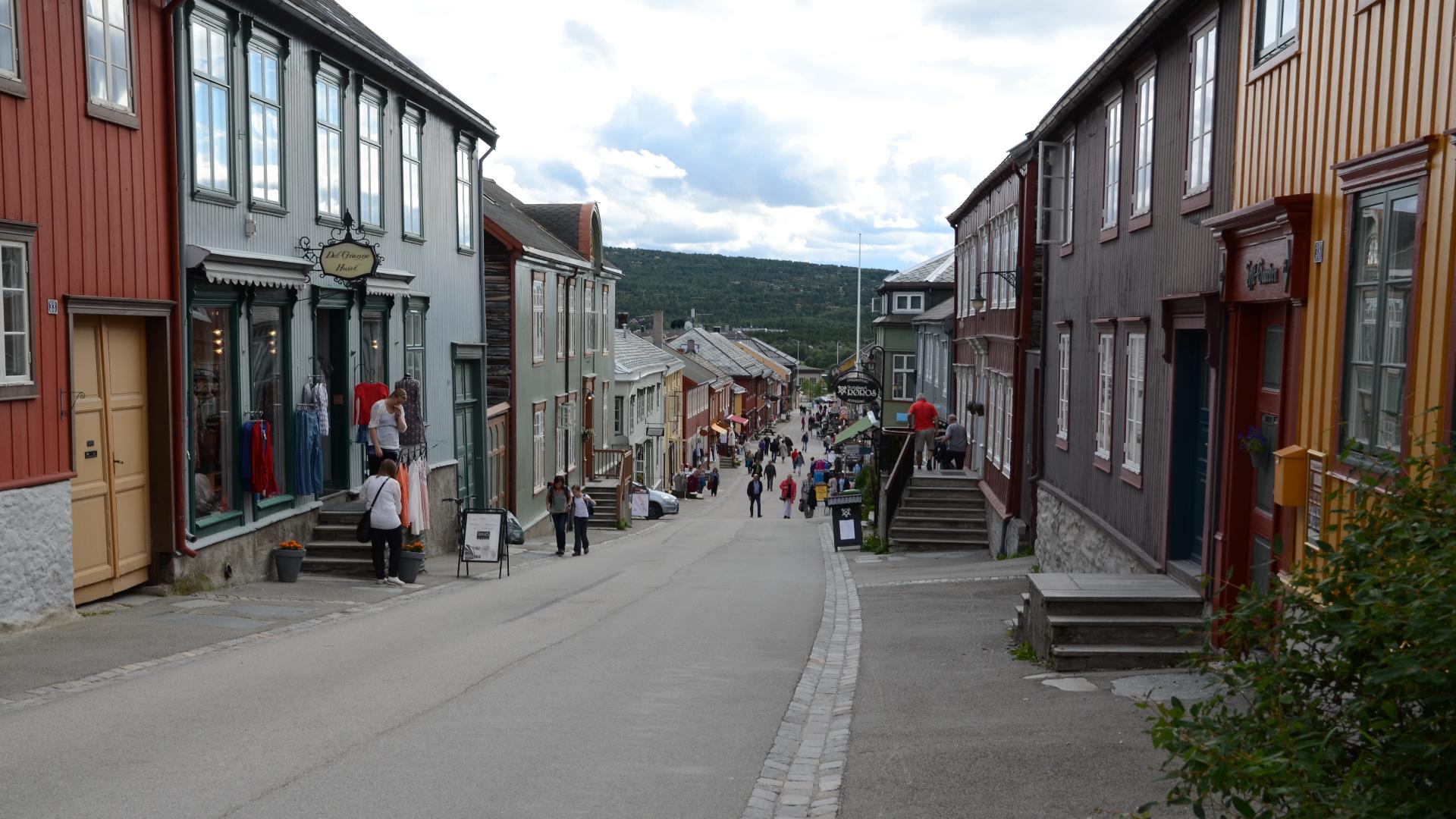
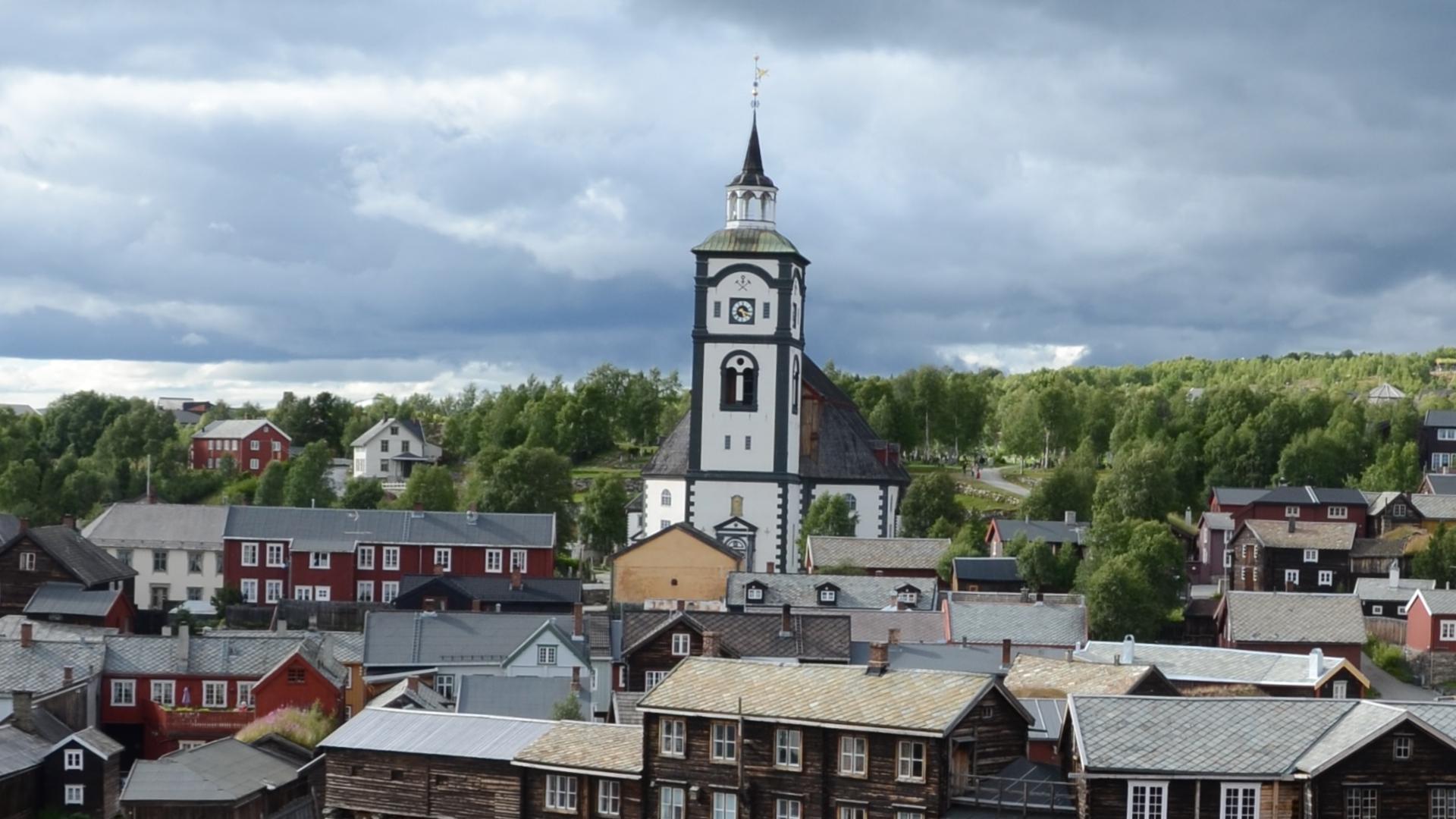
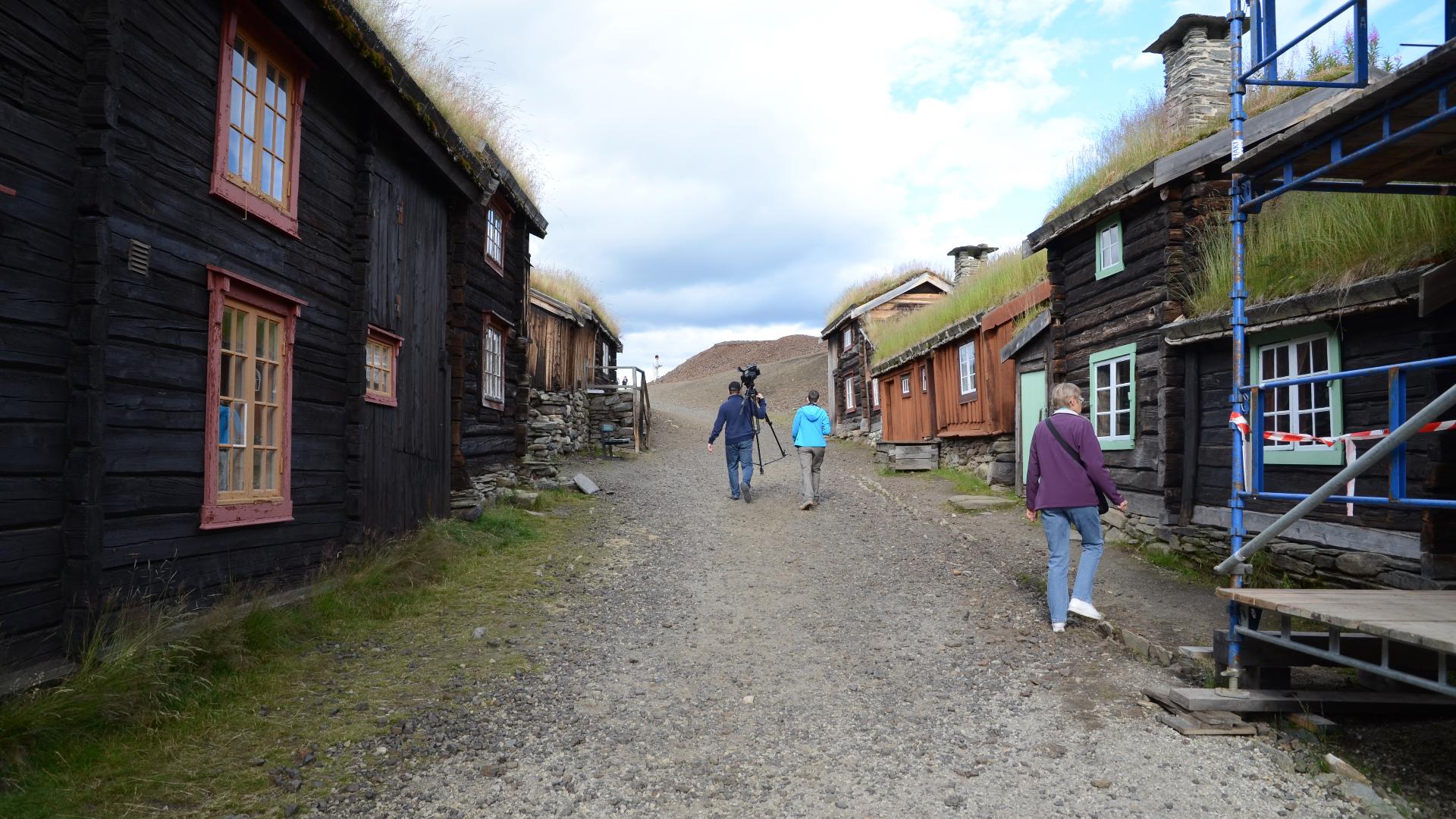
In 1904, a new copper mine opened in the mountains between Kvikne and Tynset, and within a few years it had grown into a small community. At its peak between 1916 and 1919, Røstvangen employed 260 workers and had its own post office, bakery, meeting hall, shops, residential buildings, barracks and even a cinema. For a remote mountain location, it was remarkably well-equipped.
The mine extracted copper-bearing pyrite, and the operation expanded rapidly through the First World War when copper prices were high. But when the war ended and prices collapsed, the company could not adjust. In 1921, Røstvangen went bankrupt in what was one of the largest corporate failures in Norway at the time. The entire community disappeared almost overnight as workers left for other jobs.
The site today is a striking example of a boom-and-bust mining story. Foundations, slag heaps and the remains of the mine buildings are still visible in the landscape. The whole operation lasted just 17 years, but it left its mark on the mountain and on the history of Østerdalen.
The mine extracted copper-bearing pyrite, and the operation expanded rapidly through the First World War when copper prices were high. But when the war ended and prices collapsed, the company could not adjust. In 1921, Røstvangen went bankrupt in what was one of the largest corporate failures in Norway at the time. The entire community disappeared almost overnight as workers left for other jobs.
The site today is a striking example of a boom-and-bust mining story. Foundations, slag heaps and the remains of the mine buildings are still visible in the landscape. The whole operation lasted just 17 years, but it left its mark on the mountain and on the history of Østerdalen.