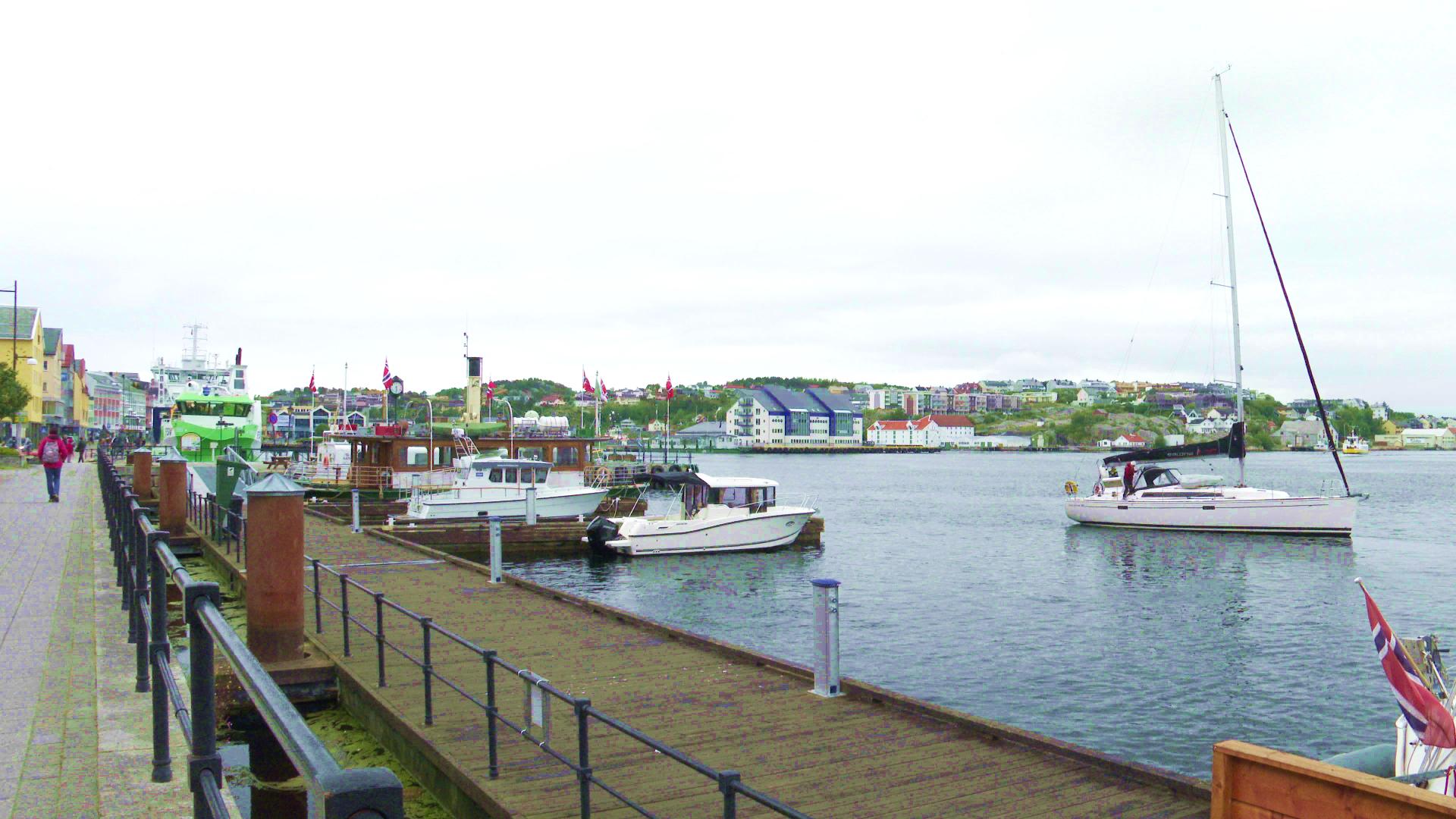
On the island of Gomalandet in Kristiansund stands Milnbrygga, a massive clipfish wharf whose oldest section dates to 1749. Inside is the Norsk Klippfiskmuseum, and stepping through the door is like walking into the 18th century: the walls still smell of salt and dried cod after nearly three centuries of use.
Clipfish, klippfisk, is cod split, salted and dried on coastal rocks. The technique arrived from the Netherlands and Spain in the 1690s and transformed Kristiansund from a small harbour into one of Norway's wealthiest trading towns. By the 1700s the town was exporting thousands of tonnes to Catholic southern Europe, where dried cod was essential for Lent and fast days. Portugal, Spain and Brazil became the biggest markets, and Kristiansund families built fortunes that shaped the town's distinctive four-island architecture.
The museum guides visitors through the wharf's untouched interior, showing traditional production methods through photographs, tools and first-hand accounts. Several photo exhibitions document life on the drying grounds: women and children turning fish on the rocks, men loading barrels onto sailing ships. The Milnbrygga wharf was built in stages by the Gordon trading family starting in 1749 and remained in active use into the post-war period. Easiest access is by taking the Sundbåten harbour ferry to the Gomalandet stop.
Clipfish, klippfisk, is cod split, salted and dried on coastal rocks. The technique arrived from the Netherlands and Spain in the 1690s and transformed Kristiansund from a small harbour into one of Norway's wealthiest trading towns. By the 1700s the town was exporting thousands of tonnes to Catholic southern Europe, where dried cod was essential for Lent and fast days. Portugal, Spain and Brazil became the biggest markets, and Kristiansund families built fortunes that shaped the town's distinctive four-island architecture.
The museum guides visitors through the wharf's untouched interior, showing traditional production methods through photographs, tools and first-hand accounts. Several photo exhibitions document life on the drying grounds: women and children turning fish on the rocks, men loading barrels onto sailing ships. The Milnbrygga wharf was built in stages by the Gordon trading family starting in 1749 and remained in active use into the post-war period. Easiest access is by taking the Sundbåten harbour ferry to the Gomalandet stop.