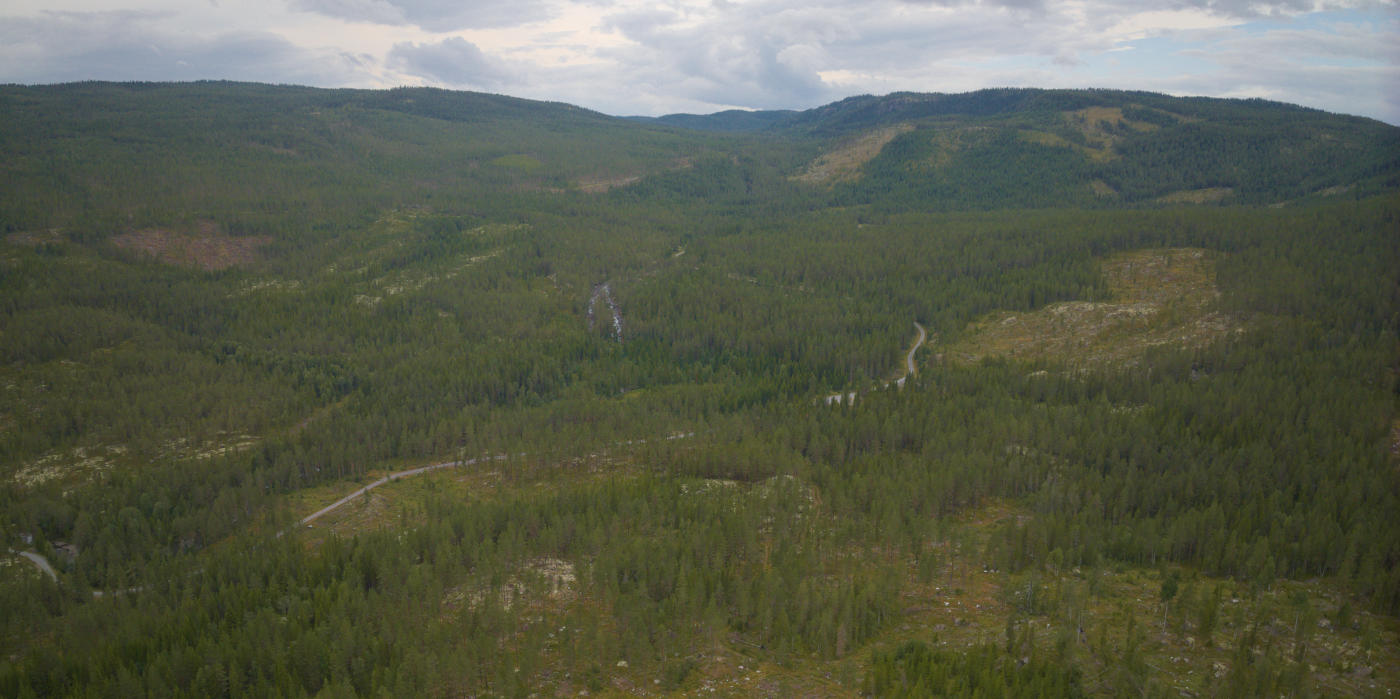
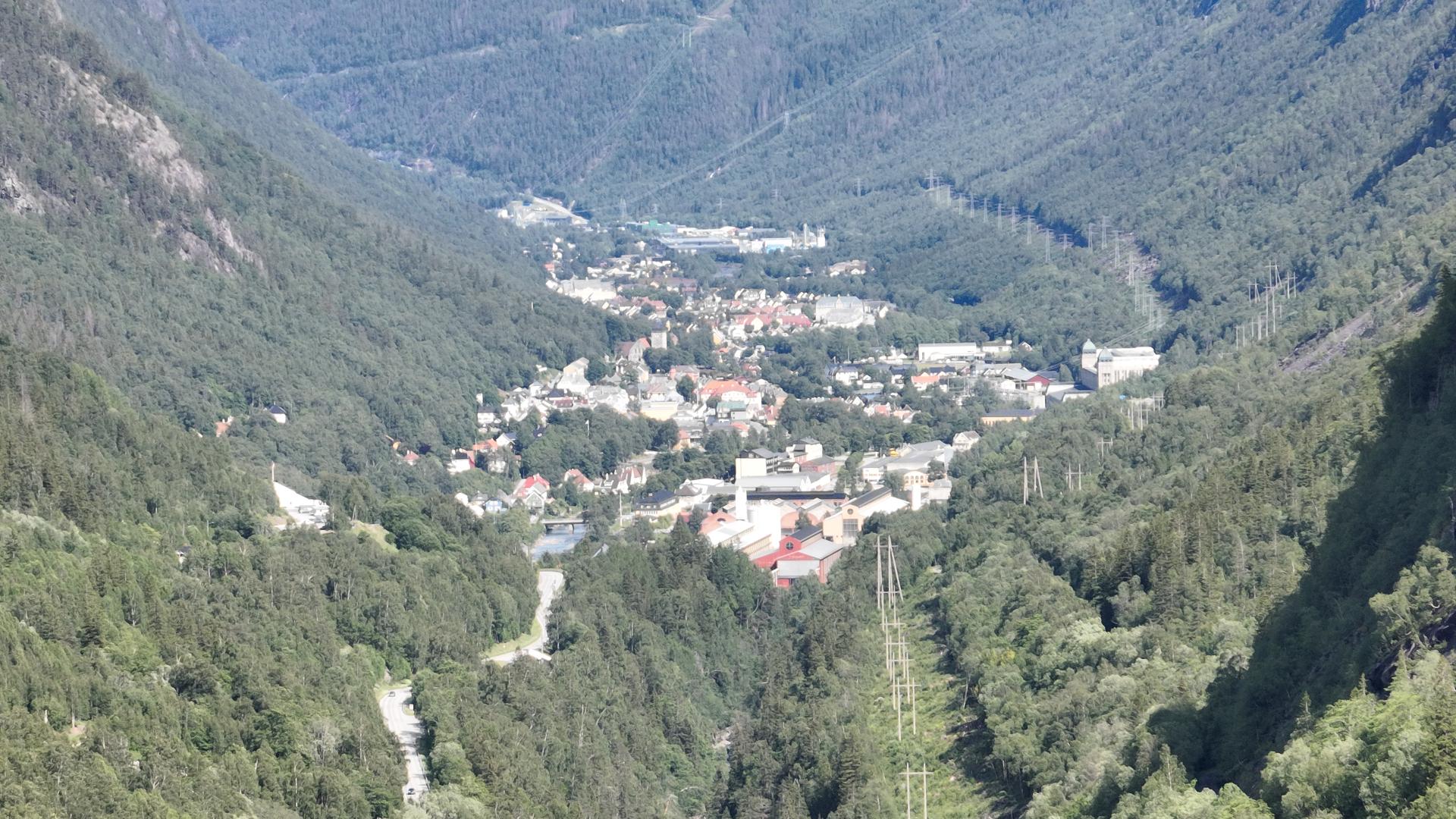
Nore kraftverk at Rødberg is the oldest power station that Statkraft still operates. The first turbines started in March 1928, and for several years it was Norway's largest power station. It produces 206 megawatts from a 363-metre head, dropping water from the Tunnhovd reservoir down to Rødbergdammen.
The station building is 220 metres long, built in a neo-classical style that reflects how seriously Norway took its power infrastructure in the 1920s. The original eight Pelton turbines from the late 1920s are still running, nearly a century later.
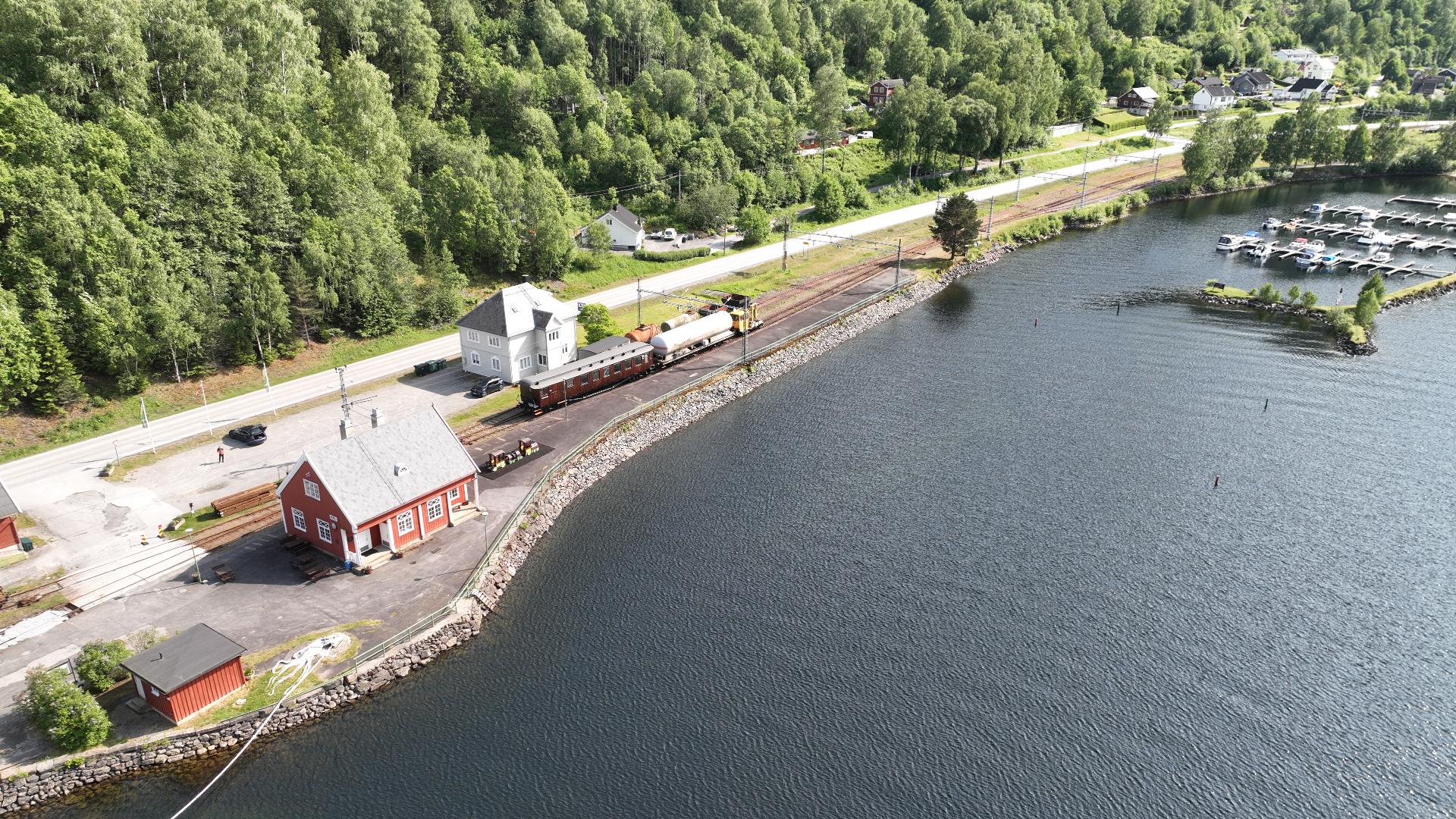
The story behind Nore is really the story of Norway deciding to own its own energy. After independence from Sweden in 1905, the state purchased waterfall rights in Numedalslagen in 1907. The Numedalsbanen railway was built specifically to transport the heavy machinery needed for construction. When the station finally came online in 1928, Norway was in an economic downturn and could not sell the power. The government seriously considered selling the whole thing. Rising consumption through the 1930s saved it, and today state-owned hydropower is one of Norway's competitive advantages.
The station is not open to the public as a museum, but the building is visible from the road at Rødberg and was designated by NVE in 2006 as one of 27 particularly valuable cultural monuments in Norwegian hydropower.
The station building is 220 metres long, built in a neo-classical style that reflects how seriously Norway took its power infrastructure in the 1920s. The original eight Pelton turbines from the late 1920s are still running, nearly a century later.
The story behind Nore is really the story of Norway deciding to own its own energy. After independence from Sweden in 1905, the state purchased waterfall rights in Numedalslagen in 1907. The Numedalsbanen railway was built specifically to transport the heavy machinery needed for construction. When the station finally came online in 1928, Norway was in an economic downturn and could not sell the power. The government seriously considered selling the whole thing. Rising consumption through the 1930s saved it, and today state-owned hydropower is one of Norway's competitive advantages.
The station is not open to the public as a museum, but the building is visible from the road at Rødberg and was designated by NVE in 2006 as one of 27 particularly valuable cultural monuments in Norwegian hydropower.