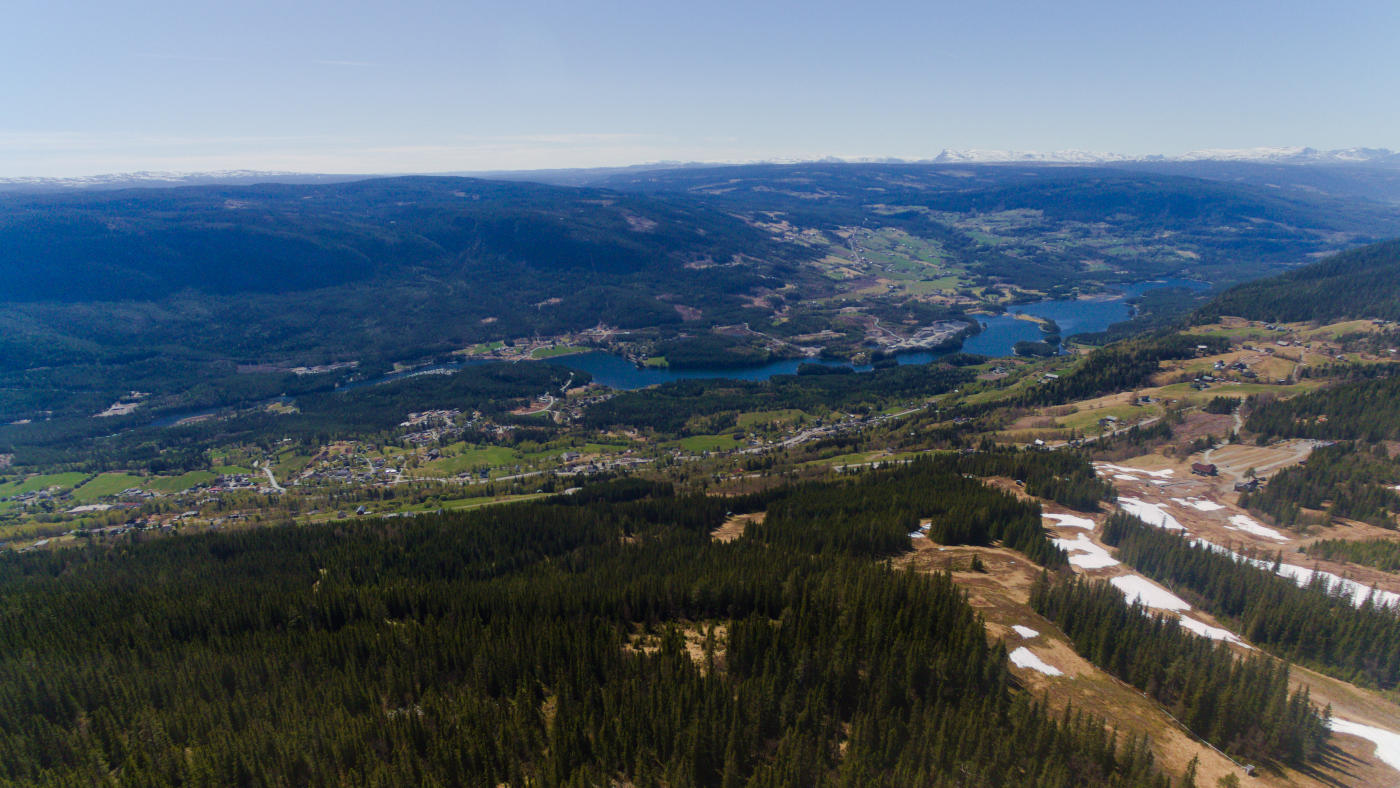
Gardnos meteorite crater lies just north of the road here, about 6 kilometres from Nesbyen. Around 546 million years ago, a rock some 200 to 300 metres across slammed into the Earth at perhaps 20 kilometres per second, releasing energy equivalent to thousands of atomic bombs. The impact created a crater 5 kilometres wide and probably 700 metres deep.
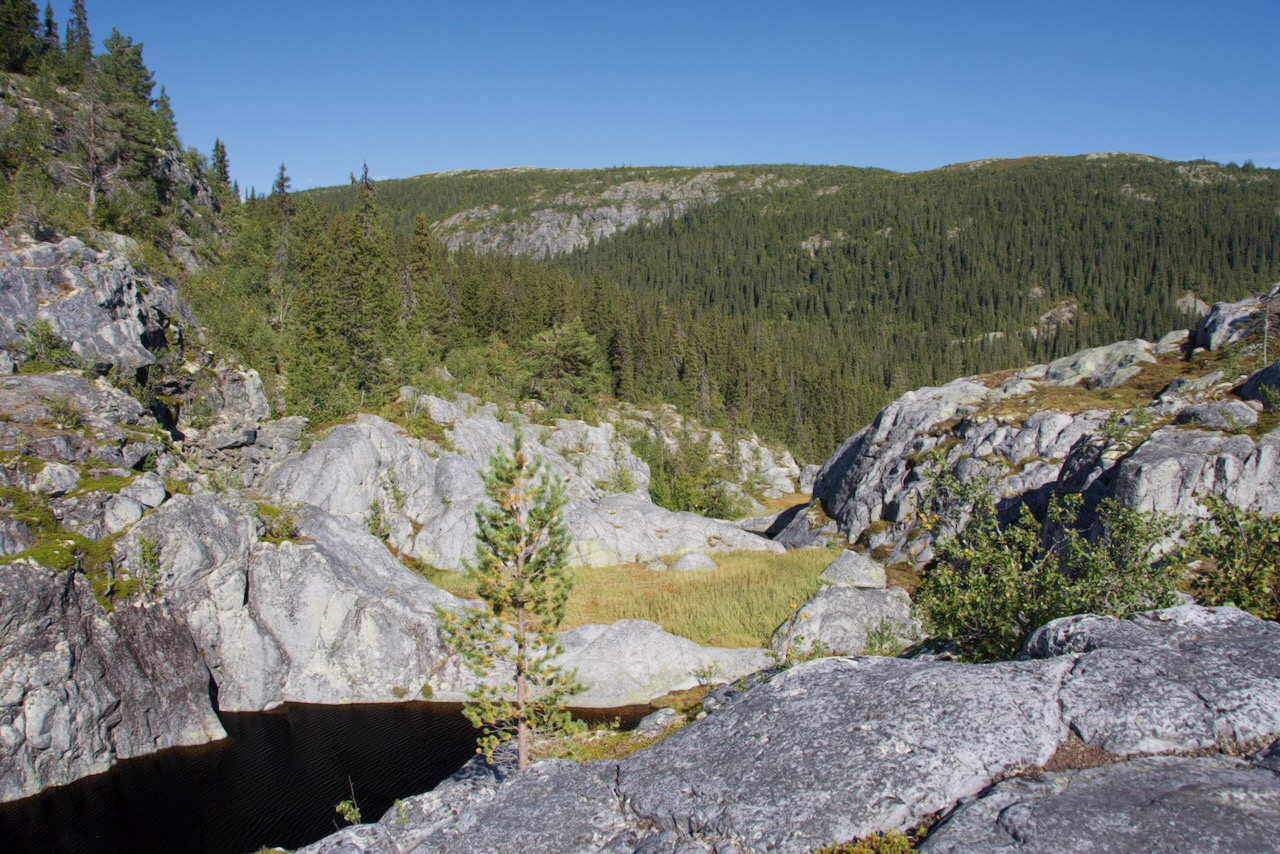
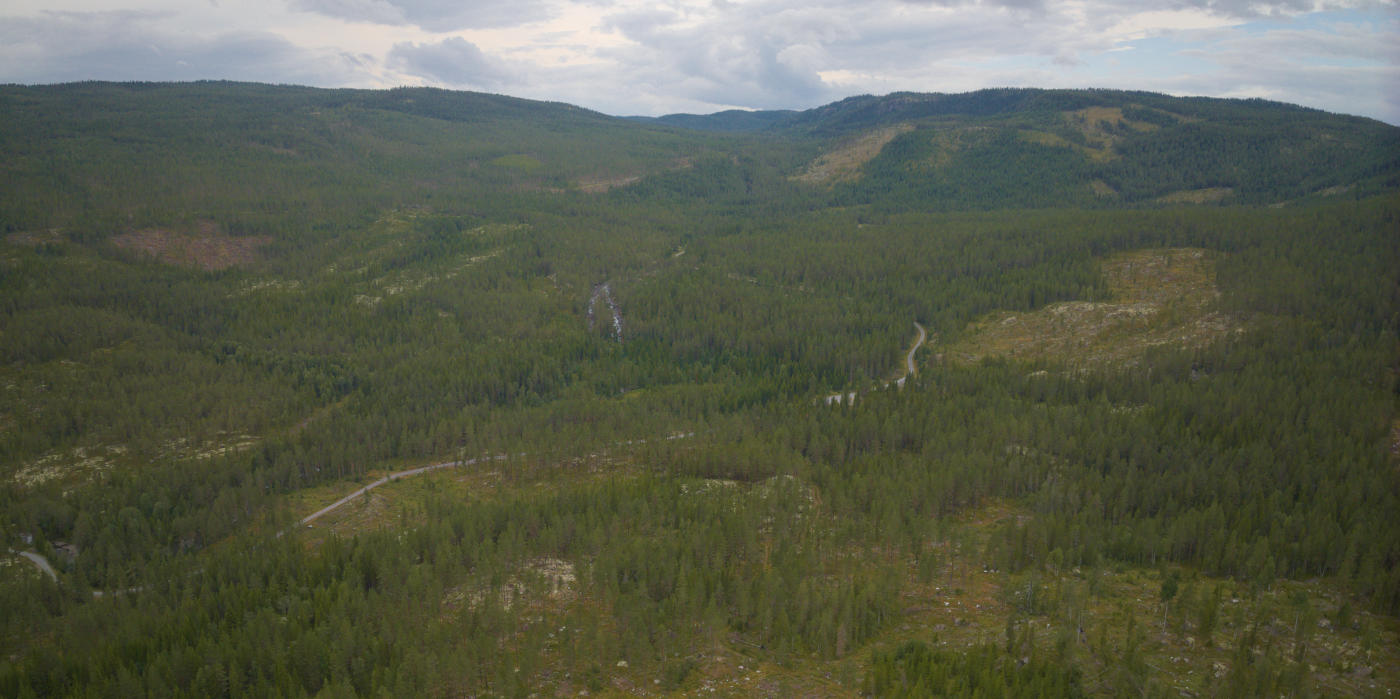
You would never guess any of this by looking at the landscape today. Mountain formation, hundreds of millions of years of erosion, and multiple ice ages have worn the crater down until it looks like just another peaceful valley. Geologists first noticed something unusual here in 1948, but assumed it was volcanic. Only in 1990 did scientists confirm it was a meteorite impact, after discovering shatter cones - distinctive rock formations that only extreme shock waves can create.
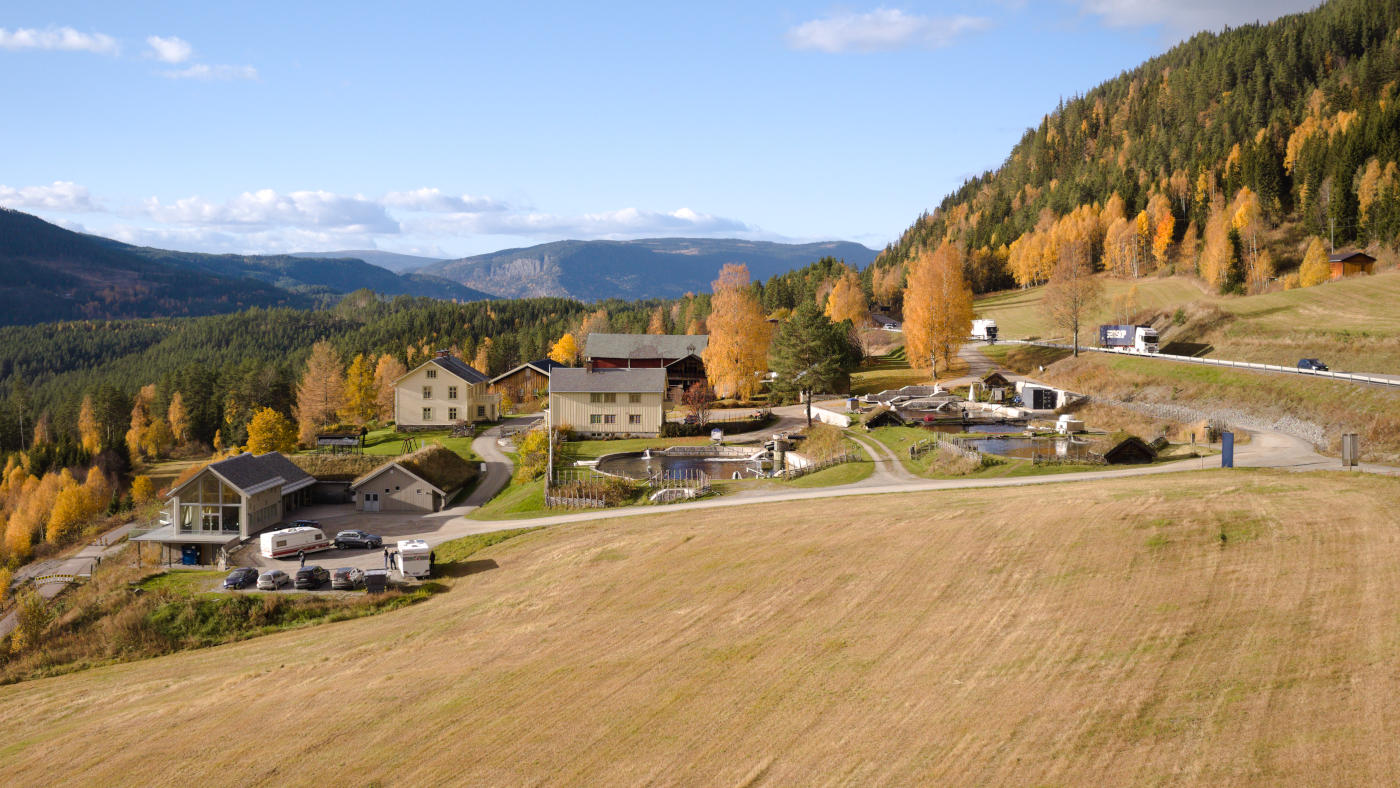
What makes Gardnos special is accessibility. You can actually drive into the centre of the crater, making it one of the most accessible impact sites in the world. Look for the "Gardnos breccia" - black rock studded with white fragments, fused together by the impact. The rock even contains microdiamonds formed under the extreme pressure.
The visitor centre offers guided tours during summer, typically mid-June to mid-August.