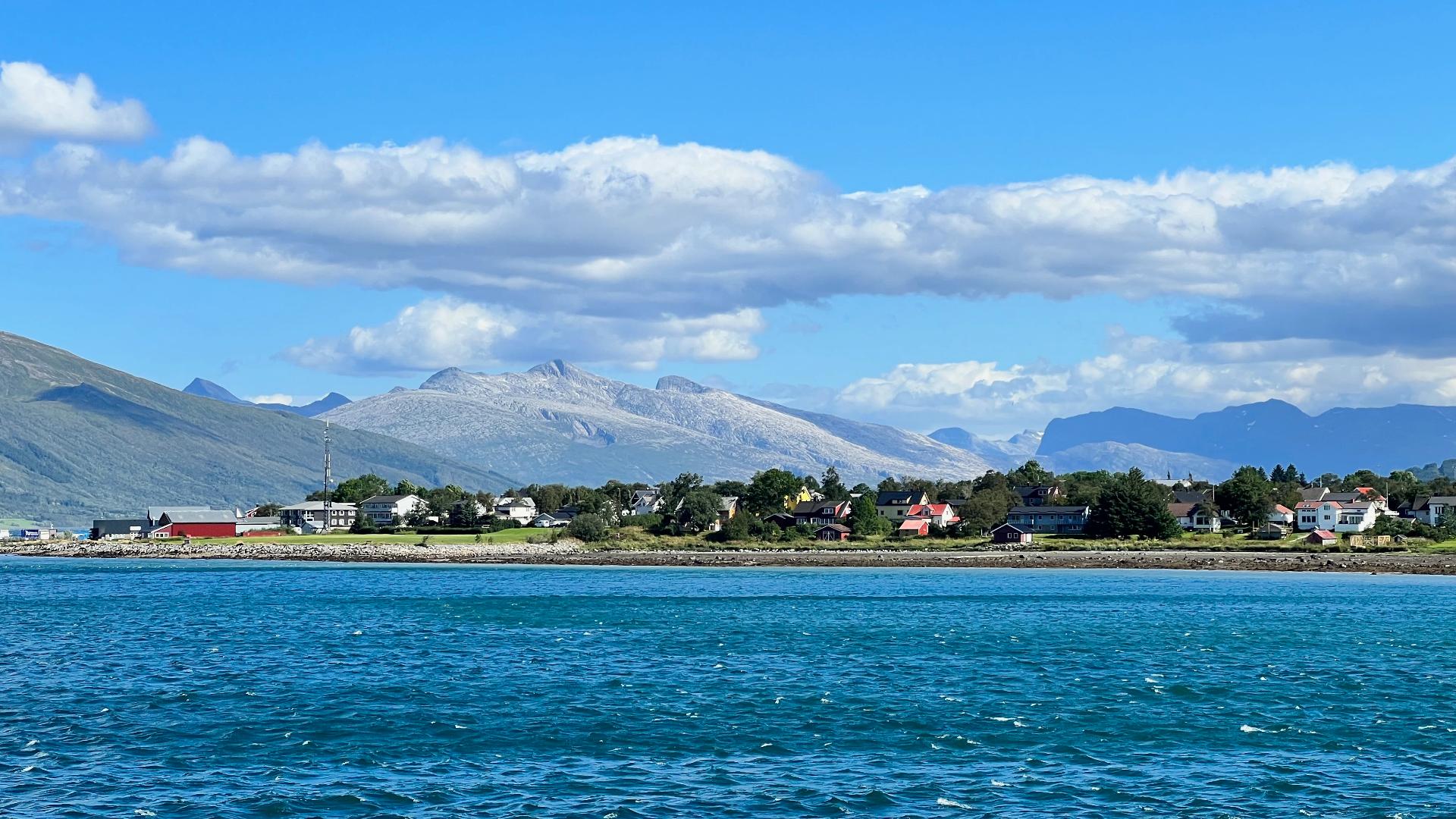
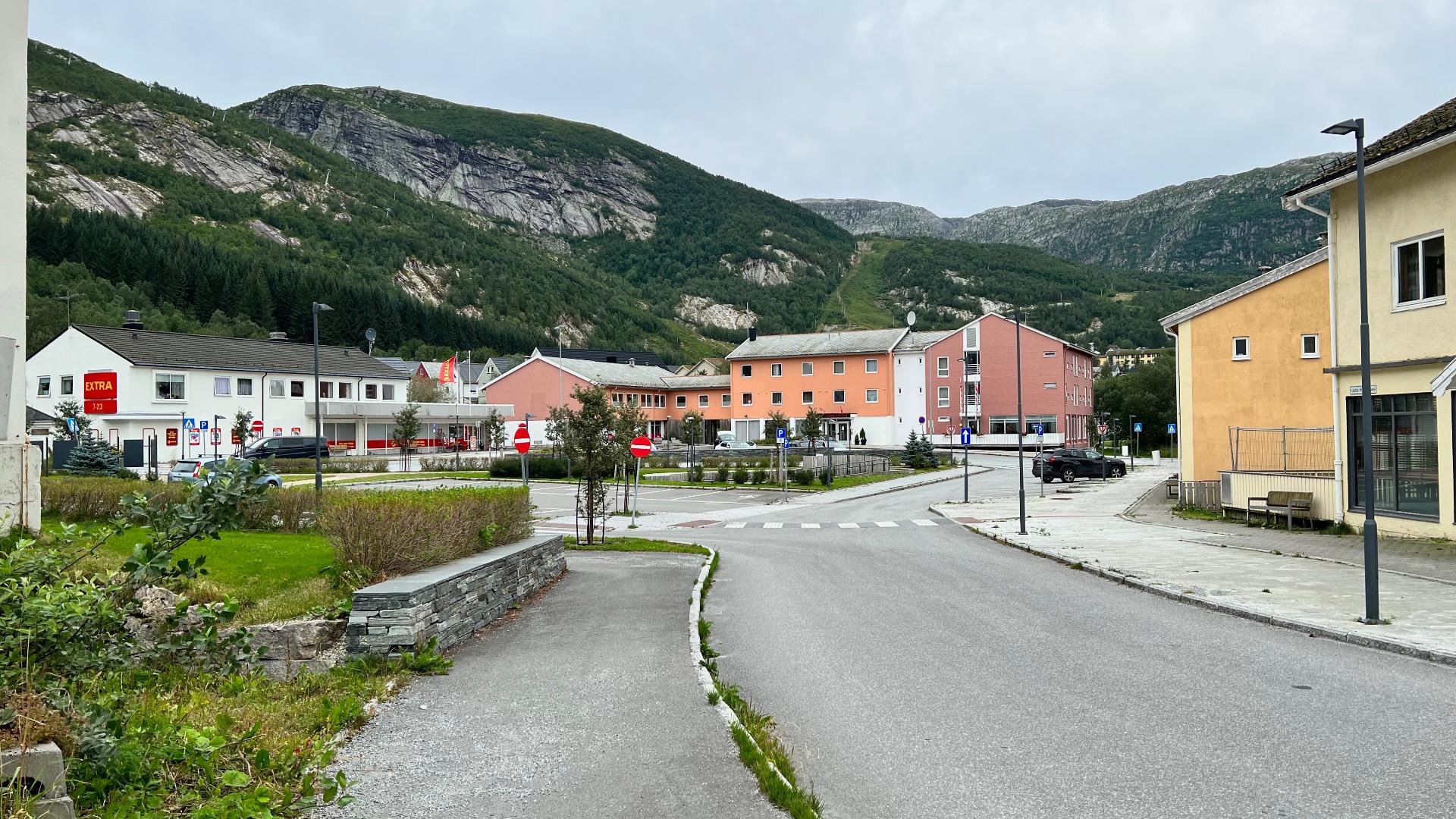
Mo i Rana is Helgeland's largest town and Nordland's second city after Bodø, sitting 80 kilometres south of the Arctic Circle at the head of Ranfjorden. Its modern identity was forged by a single parliamentary decision in 1946: build a state steelworks here.
Norsk Jernverk opened on 19 April 1955 after nine years of construction; three had been planned. Of the first 750 workers, only 60 to 70 had any industrial experience. The rest came off farms and fishing boats. The population tripled from 8,800 to over 22,000 in less than two decades. At its peak, the steelworks employed over 4,000 people in a town of 25,000, making it one of the most company-dependent communities in Norway. Then the 1975 global steel crisis hit. After a decade of restructuring, Parliament voted on 9 June 1988 to end state ownership and ore-based steel production. The closure was traumatic: thousands lost their jobs, and a generation's identity dissolved with them.
But Mo i Rana reinvented itself. The old steelworks site became Mo Industripark, now one of Norway's largest and greenest industrial parks with around 110 companies and 2,500 jobs. Campus Helgeland brought university programmes to town, and a SINTEF research lab provides industrial R&D. Meanwhile, up in the Dunderlandsdalen valley, Rana Gruber has been mining iron ore since 1964 and is still very much alive, listed on the Oslo Stock Exchange and producing concentrate from four deposits.
Down at the waterfront, the British sculptor Antony Gormley's Havmannen stands knee-deep in the fjord: an 11-metre, 60-tonne granite figure with its back to the town, gazing out to sea. Erected in 1995 as part of the Skulpturlandskap Nordland project, it divided the town when it arrived. Some called it a waste of money. Others saw a symbol of a community that had learned to face the open water again after the steelworks turned its back.
Norsk Jernverk opened on 19 April 1955 after nine years of construction; three had been planned. Of the first 750 workers, only 60 to 70 had any industrial experience. The rest came off farms and fishing boats. The population tripled from 8,800 to over 22,000 in less than two decades. At its peak, the steelworks employed over 4,000 people in a town of 25,000, making it one of the most company-dependent communities in Norway. Then the 1975 global steel crisis hit. After a decade of restructuring, Parliament voted on 9 June 1988 to end state ownership and ore-based steel production. The closure was traumatic: thousands lost their jobs, and a generation's identity dissolved with them.
But Mo i Rana reinvented itself. The old steelworks site became Mo Industripark, now one of Norway's largest and greenest industrial parks with around 110 companies and 2,500 jobs. Campus Helgeland brought university programmes to town, and a SINTEF research lab provides industrial R&D. Meanwhile, up in the Dunderlandsdalen valley, Rana Gruber has been mining iron ore since 1964 and is still very much alive, listed on the Oslo Stock Exchange and producing concentrate from four deposits.
Down at the waterfront, the British sculptor Antony Gormley's Havmannen stands knee-deep in the fjord: an 11-metre, 60-tonne granite figure with its back to the town, gazing out to sea. Erected in 1995 as part of the Skulpturlandskap Nordland project, it divided the town when it arrived. Some called it a waste of money. Others saw a symbol of a community that had learned to face the open water again after the steelworks turned its back.