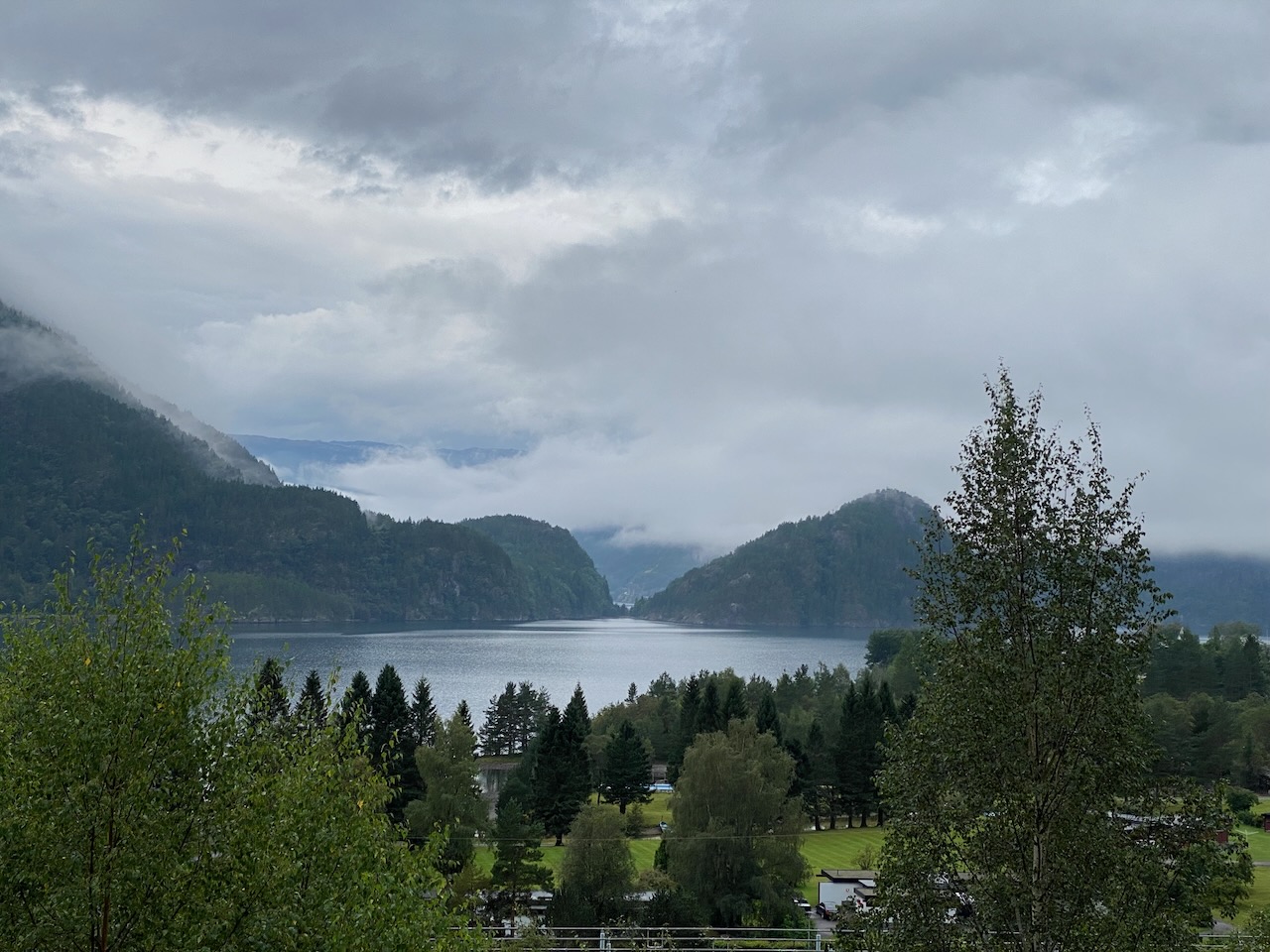
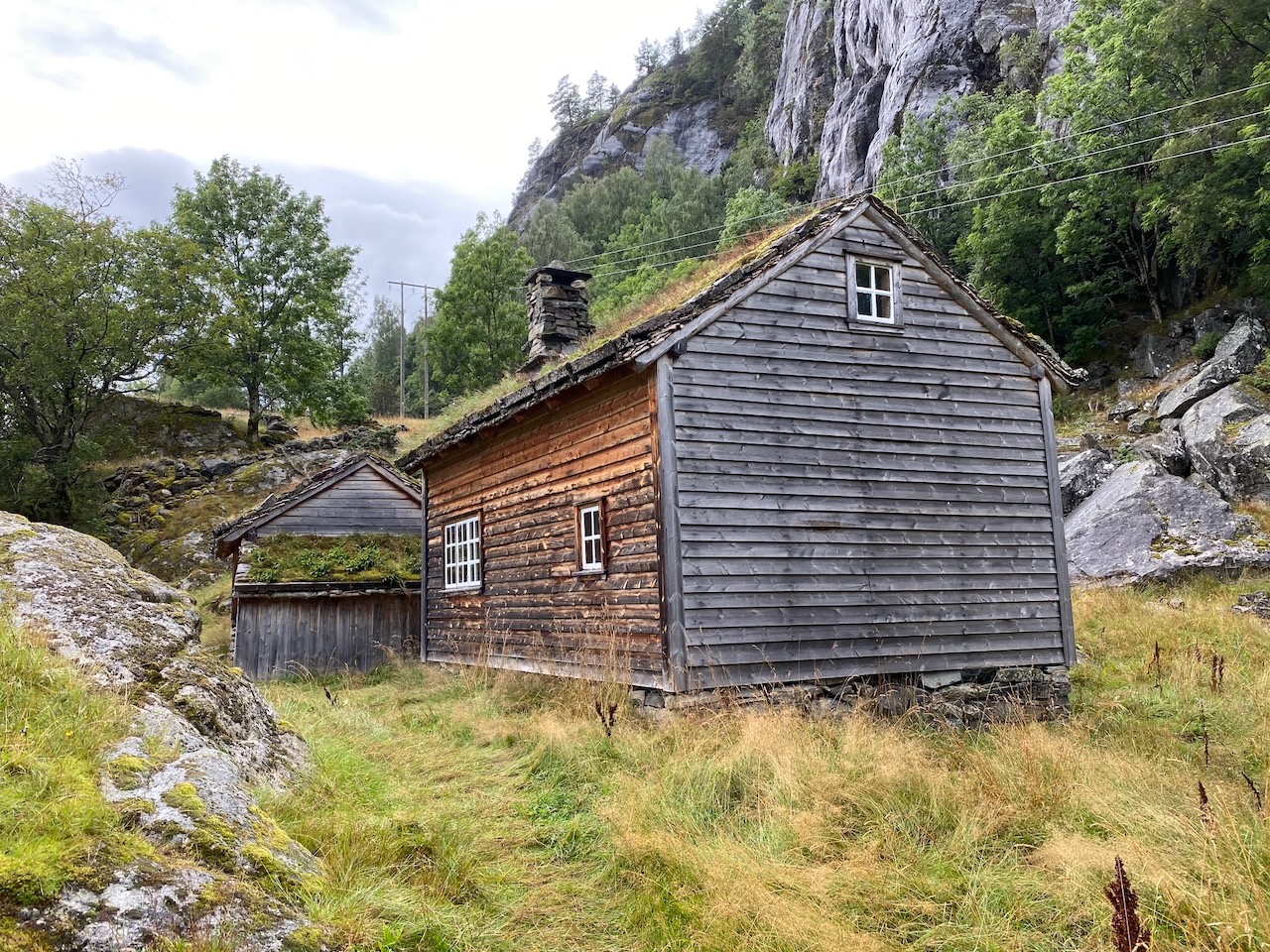
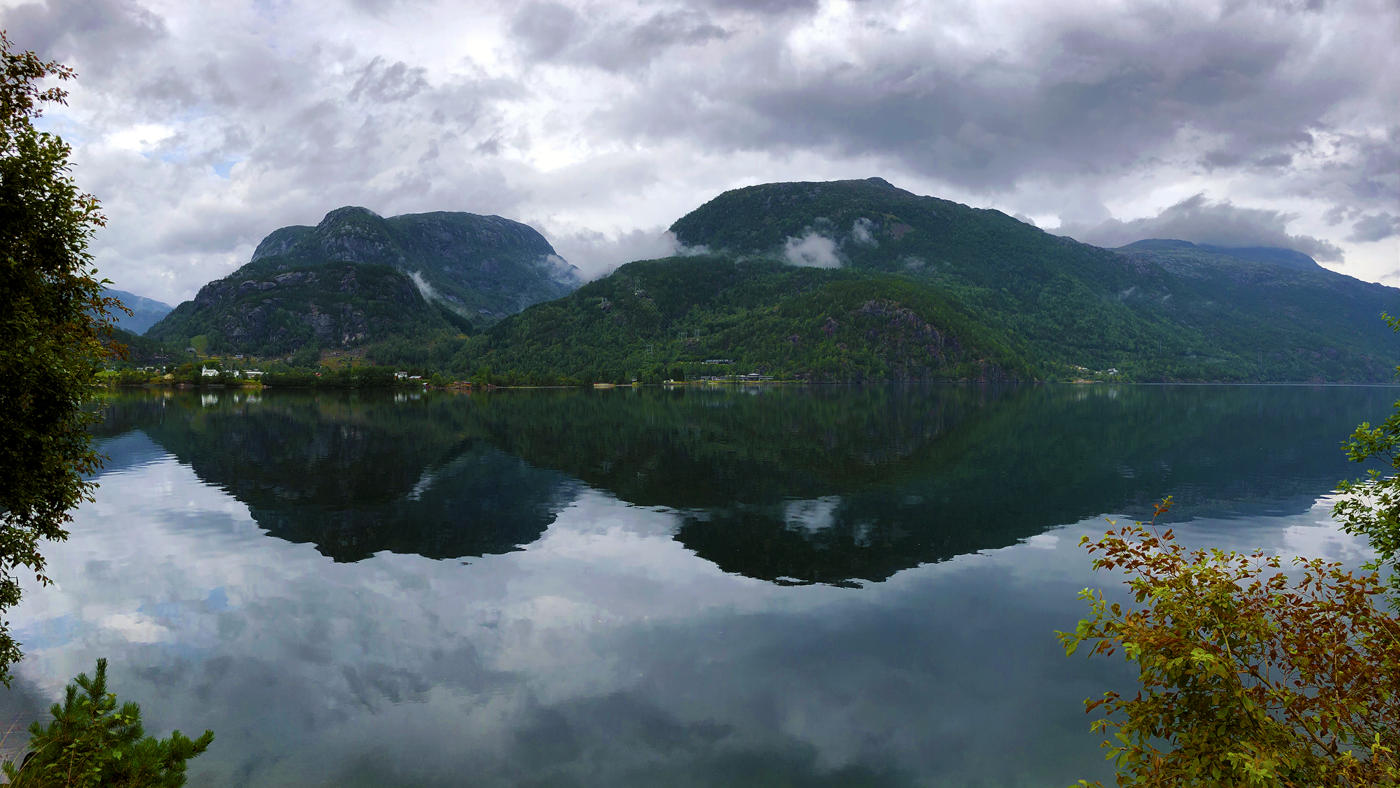
Nearly 300 metres above Hylsfjorden in Suldal, 13 buildings from the 18th and 19th centuries cluster together in one of the best-preserved klyngetun in western Norway. A klyngetun, or cluster farmstead, was a distinctly Western Norwegian settlement pattern where multiple families had their houses grouped together irregularly, with shared and subdivided fields around them. This communal arrangement arose through repeated inheritance divisions: when property was split, each field plot was divided fairly, creating an increasingly complex patchwork where families depended on each other. The form was common along the coast from the Middle Ages until the land reform of 1859 forced reorganization. Litunet is one of the last places where you can see this vanished way of life intact.
The buildings were constructed using traditional handicraft techniques that point far back in history, well before the structures themselves were built. The farmyard arrangement has a medieval character, with separate buildings for dwelling, storage, and animals. The cultural landscape around the farm shows the marks of centuries of painstaking mountain agriculture: small cultivated patches, stone fences called steingjerde, and clearance cairns, the stones removed from fields and piled up generation after generation. Riksantikvaren legally protected the site in 1974, and it is now part of Ryfylkemuseet.
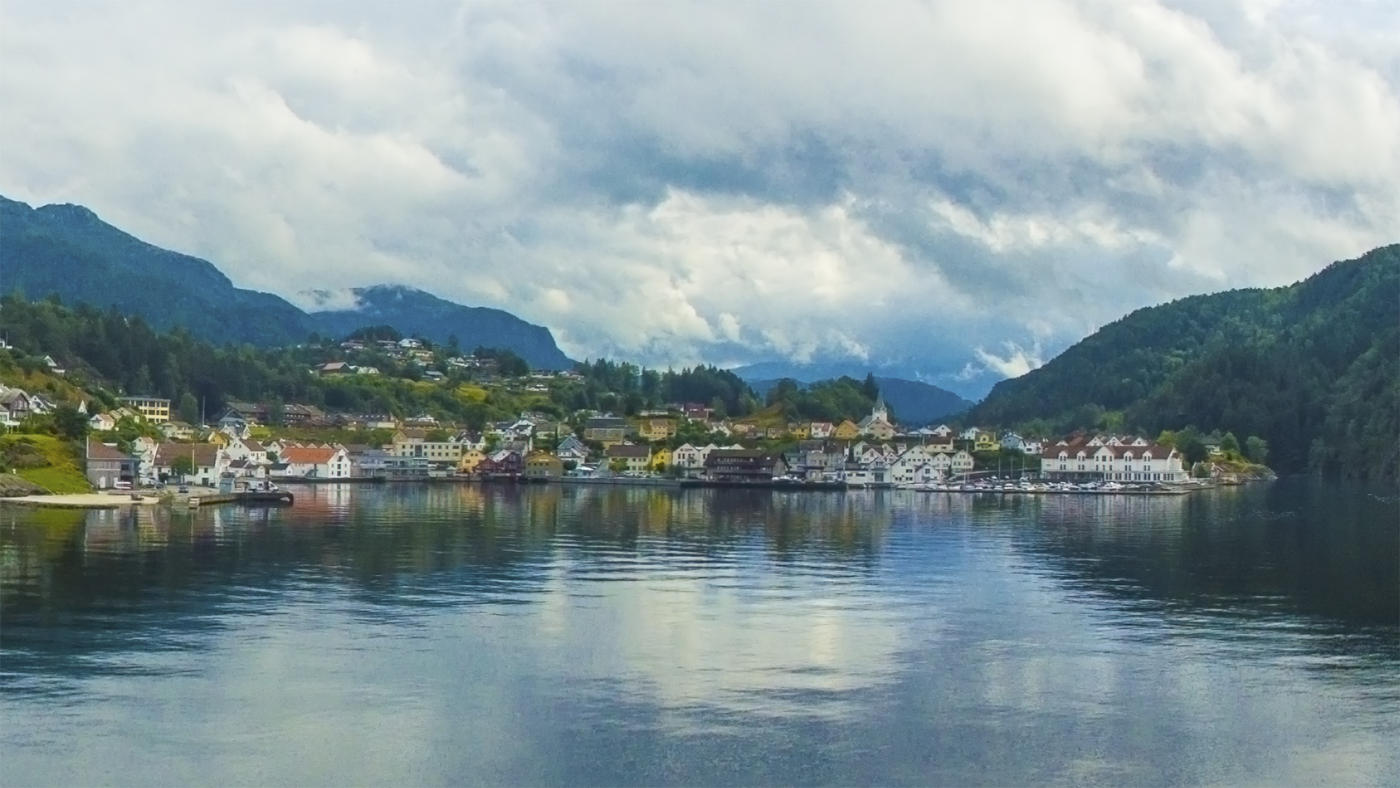
The most dramatic way to visit is by boat. Helgøy Skyssbåt operates a Hylsfjord cruise that docks at Linaustet, the farm's old boathouse at fjord level, where a museum guide meets visitors and leads them up the steep historical trail to the farmyard. The climb is nearly 300 vertical metres, so good shoes are essential. Visitors are also welcome to explore the grounds on their own outside guided hours.
The buildings were constructed using traditional handicraft techniques that point far back in history, well before the structures themselves were built. The farmyard arrangement has a medieval character, with separate buildings for dwelling, storage, and animals. The cultural landscape around the farm shows the marks of centuries of painstaking mountain agriculture: small cultivated patches, stone fences called steingjerde, and clearance cairns, the stones removed from fields and piled up generation after generation. Riksantikvaren legally protected the site in 1974, and it is now part of Ryfylkemuseet.
The most dramatic way to visit is by boat. Helgøy Skyssbåt operates a Hylsfjord cruise that docks at Linaustet, the farm's old boathouse at fjord level, where a museum guide meets visitors and leads them up the steep historical trail to the farmyard. The climb is nearly 300 vertical metres, so good shoes are essential. Visitors are also welcome to explore the grounds on their own outside guided hours.