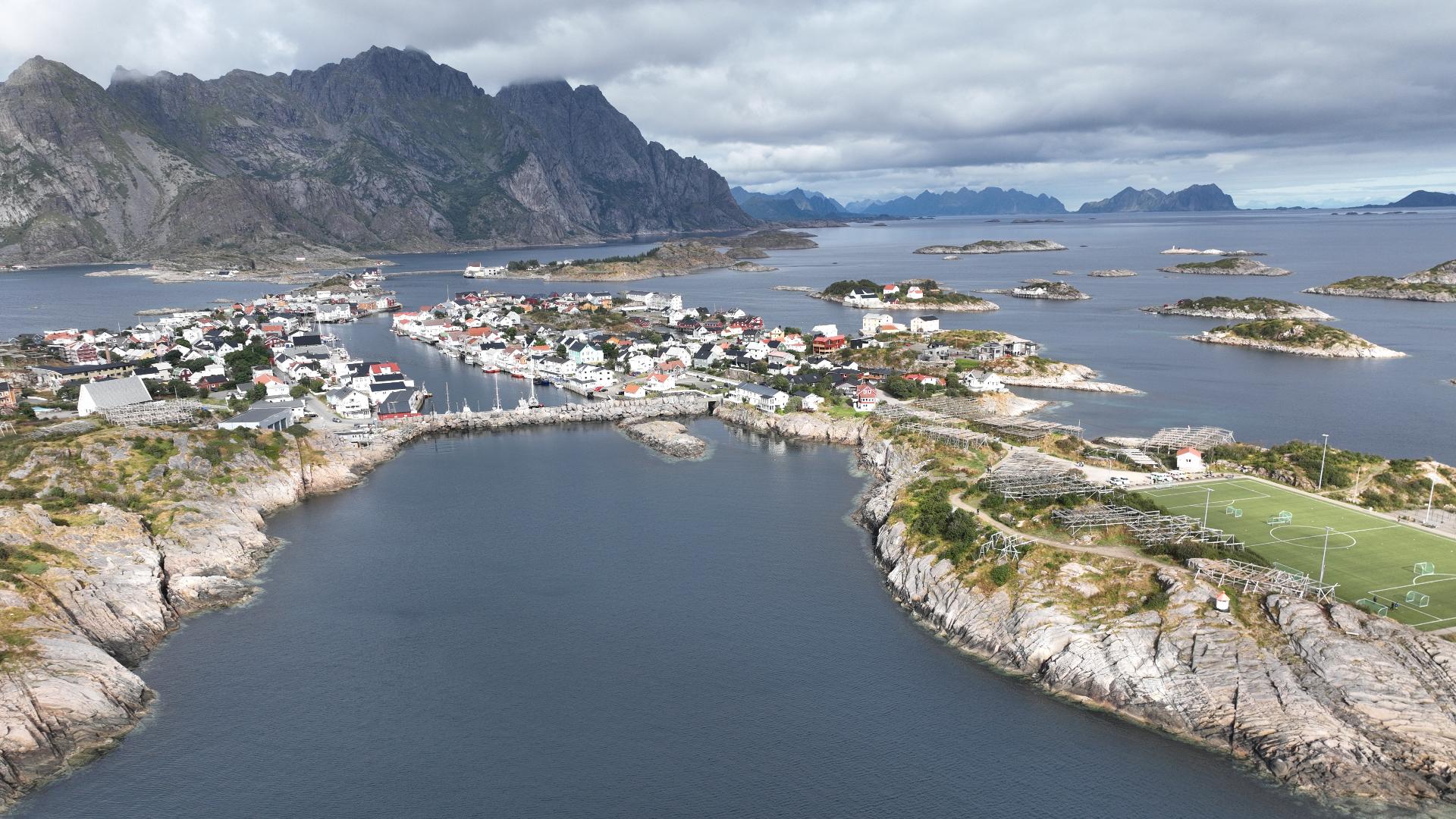
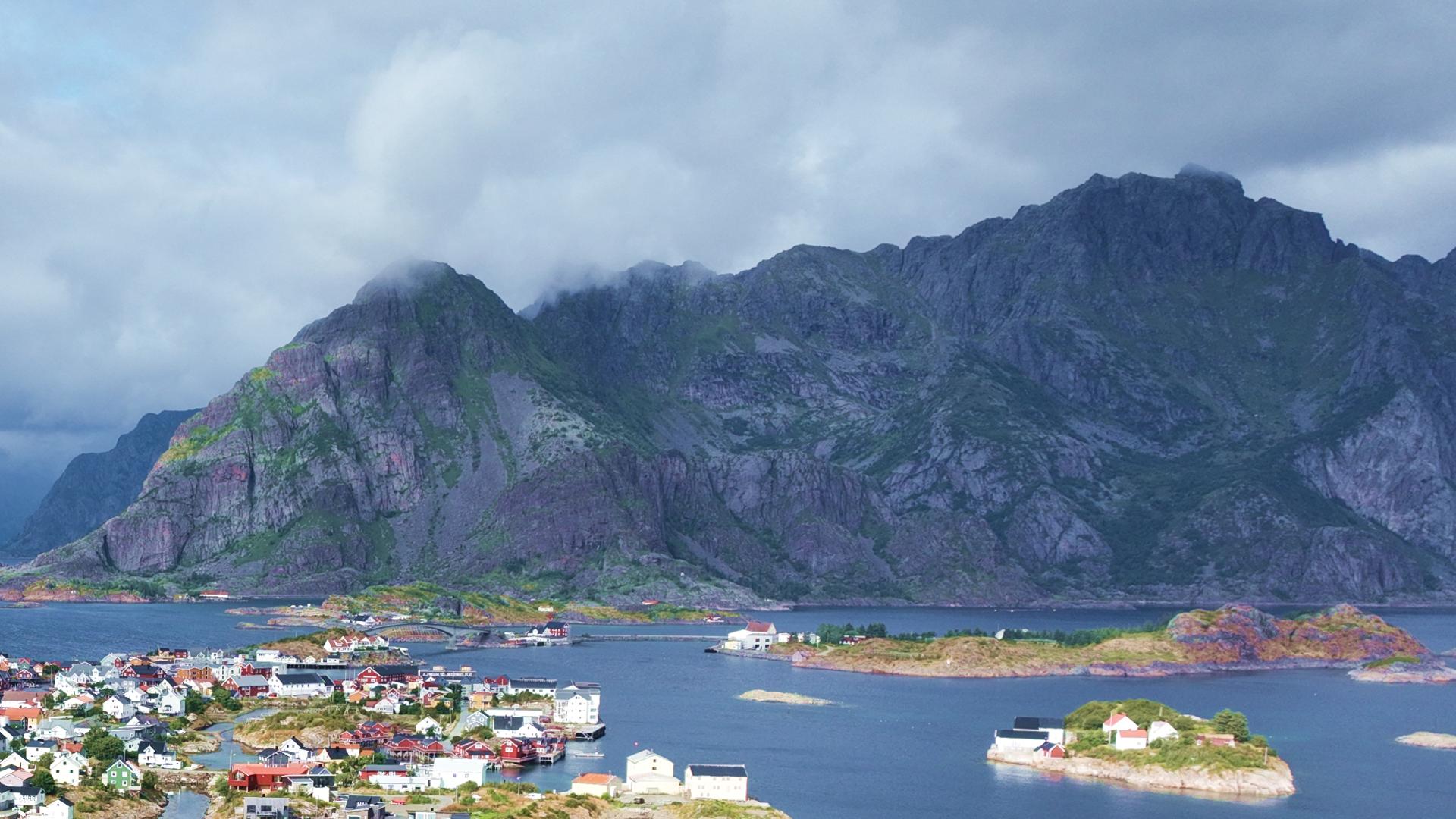
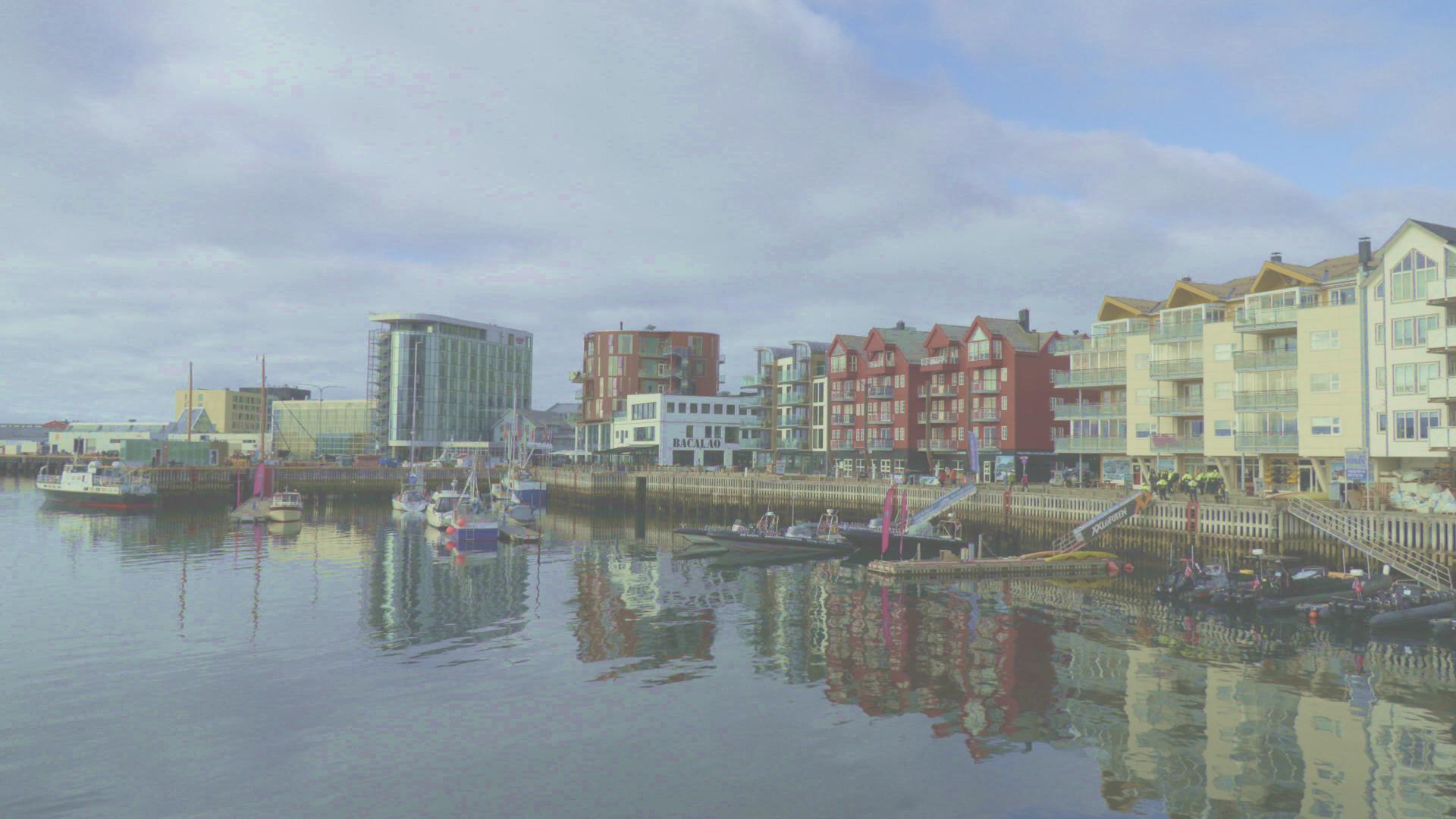
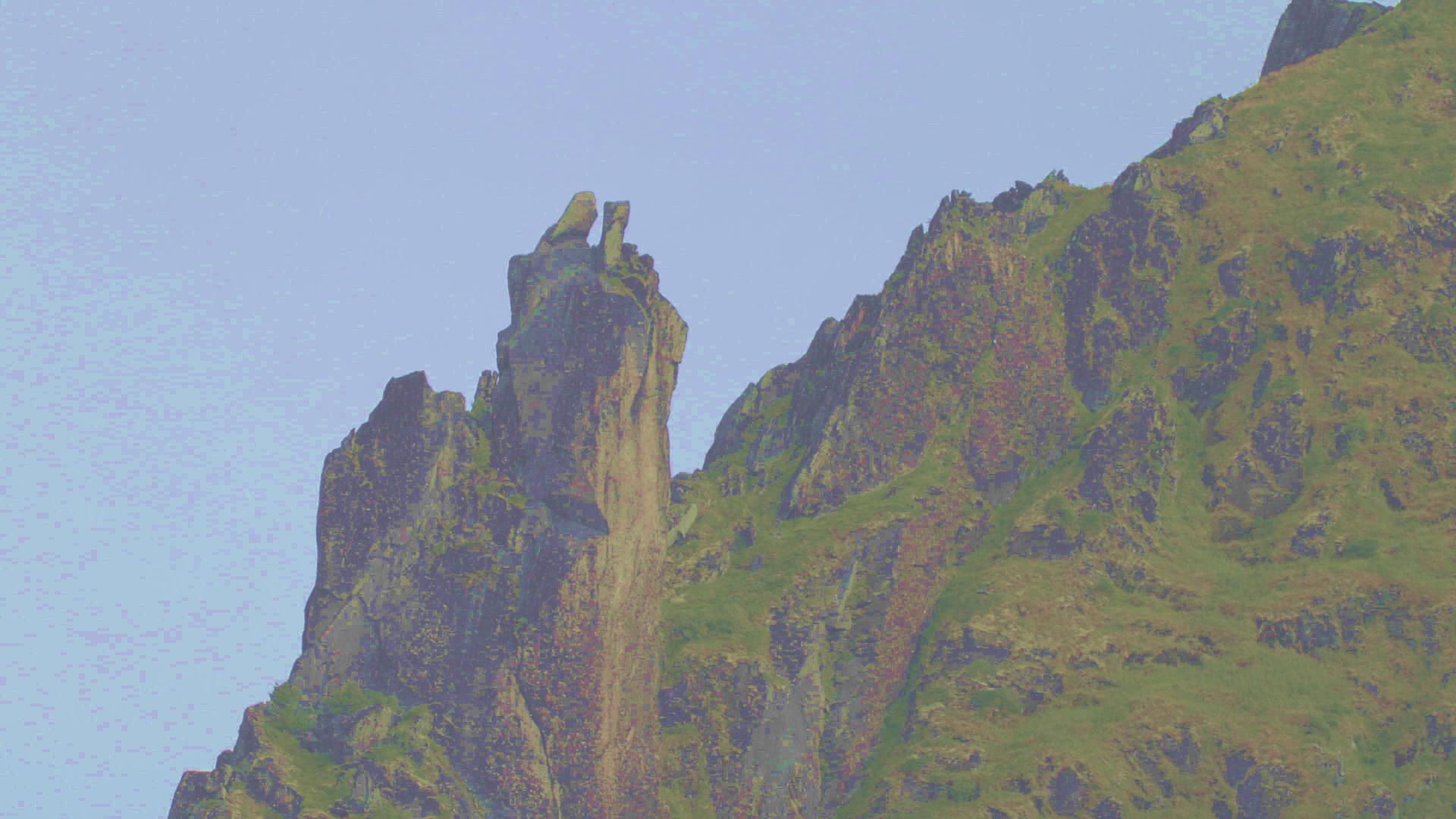
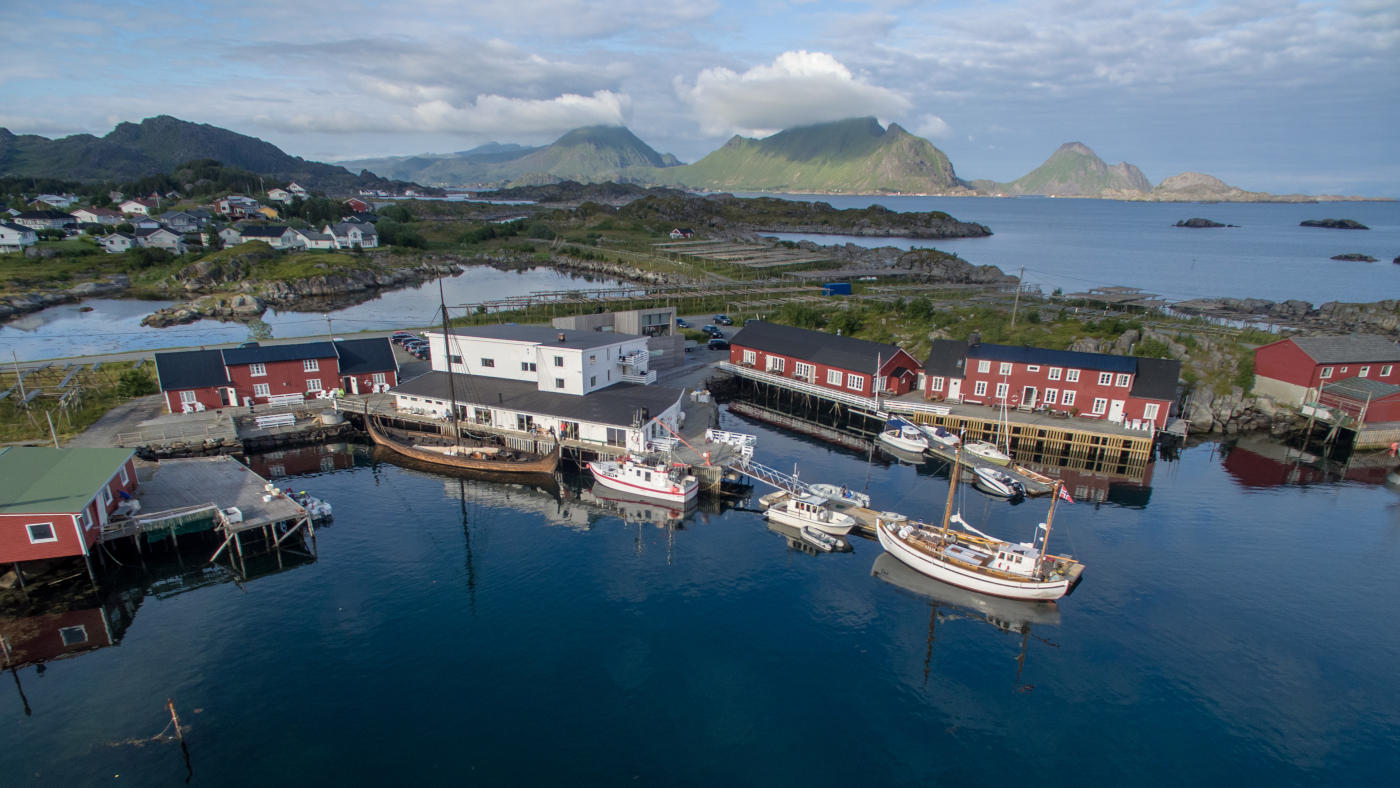
For over two centuries, the tiny island of Grøtøy in Steigen held enormous power over the coast. Together with neighbouring Manshausen, it operated as a royal-privilege trading post from the 1690s, eventually becoming one of Nordland's largest. During the Lofoten fishing season, up to a thousand people crammed onto these small islands. Nordland's biggest wooden building, an 80-metre-long wharf, was built here in the late 1800s. The post had its own bank and post office, Steigen's first of each.
The system was brutally simple. Royal privileges gave the trading post a monopoly: fishermen had no choice but to sell their catch at Grøtøy at whatever price the merchant set, and buy their supplies at whatever markup he chose. This debt trap kept coastal communities locked in poverty for generations. When Norway finally abolished the privilege system and engine-powered boats freed fishermen from having to live near the trading posts, the 230-year-old operation collapsed. Grøtøy went bankrupt in 1924.
The islands sat largely abandoned for decades. Then in 2010, polar explorer Børge Ousland, the first person to cross Antarctica solo and unsupported, bought Manshausen. He brought in architect Snorre Stinessen, who designed striking glass-and-timber sea cabins cantilevered over the water. The old stone quays and ruins are preserved alongside the modern architecture. It is now an award-winning island resort, sitting on the bones of an empire that once kept an entire coastline in debt.
The system was brutally simple. Royal privileges gave the trading post a monopoly: fishermen had no choice but to sell their catch at Grøtøy at whatever price the merchant set, and buy their supplies at whatever markup he chose. This debt trap kept coastal communities locked in poverty for generations. When Norway finally abolished the privilege system and engine-powered boats freed fishermen from having to live near the trading posts, the 230-year-old operation collapsed. Grøtøy went bankrupt in 1924.
The islands sat largely abandoned for decades. Then in 2010, polar explorer Børge Ousland, the first person to cross Antarctica solo and unsupported, bought Manshausen. He brought in architect Snorre Stinessen, who designed striking glass-and-timber sea cabins cantilevered over the water. The old stone quays and ruins are preserved alongside the modern architecture. It is now an award-winning island resort, sitting on the bones of an empire that once kept an entire coastline in debt.