Gjerstad is one of Agder's smallest municipalities, a landscape of deep forest and still lakes where the line crosses from Telemark into Agder. Only a few hundred people live here, yet the station nearly became a junction for one of southern Norway's most ambitious unbuilt railways.
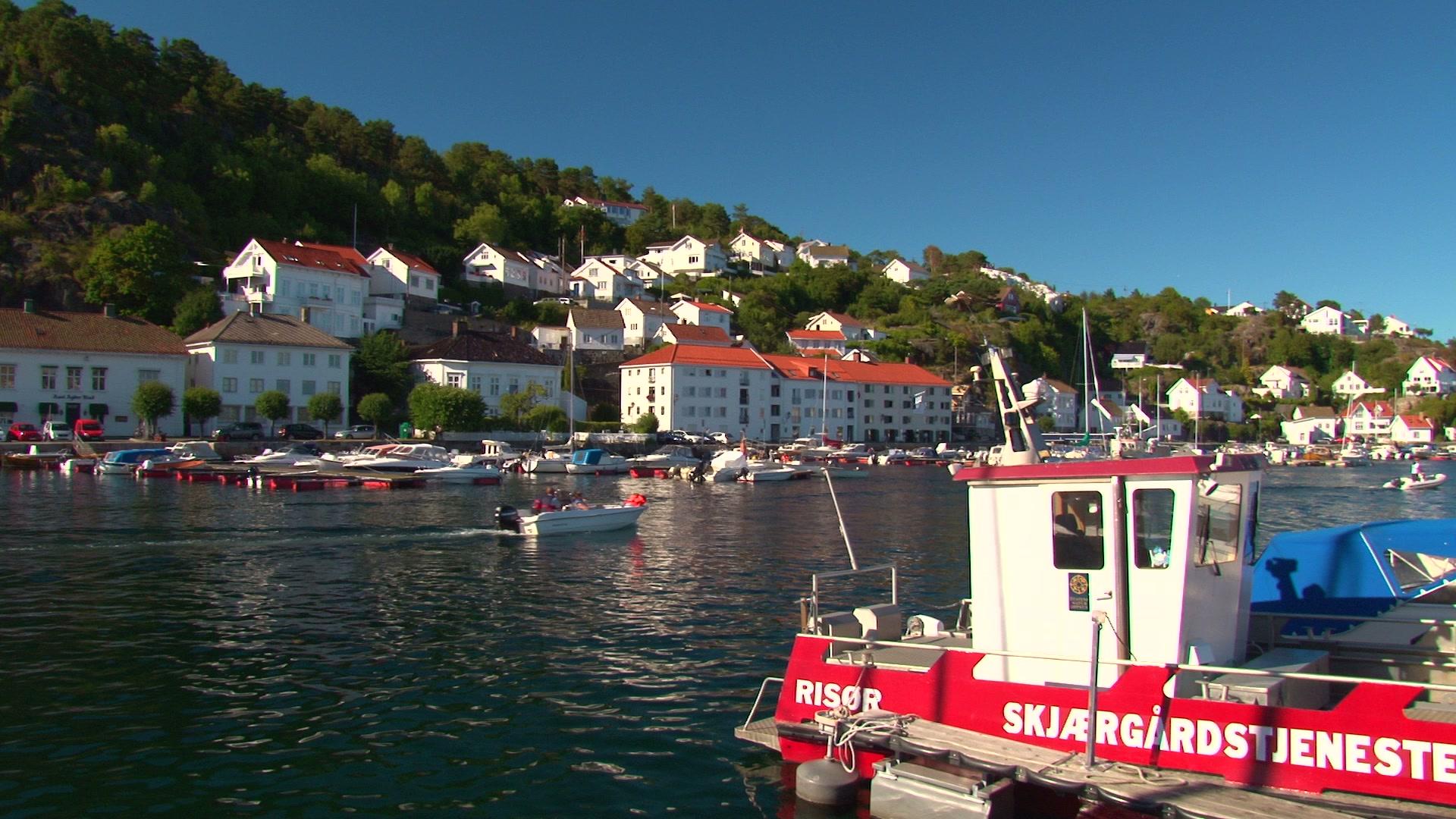
In the 1890s, the coastal town of Risør was in a panic. The planned Sørlandsbanen would run through the interior, bypassing the coast entirely. For Risør, which depended on timber shipped from the inland valleys, this was an existential threat: the railway would redirect trade toward Arendal and Kragerø instead. The town's railway committee warned in 1883 that the city's very survival was at stake.
Their answer was the Risørbanen, a branch line from Risør through Skorstøl here in Gjerstad, onward through Vegårshei and Åmli, all the way to Tveitsund in Nissedal, Telemark, where iron ore deposits promised new industry. Engineers surveyed the route in 1897-1899: four sections, an estimated cost of nearly four million kroner, and a four-hour journey at 20 kilometres per hour.
It never happened. The county council repeatedly delayed the project, fearing local railways would undermine political support for the main Sørlandsbanen. By 1918, when the question resurfaced, roads and motor cars had overtaken the idea. The Risørbanen became a forgotten chapter, its detailed plans now archived at KUBEN in Arendal.
In the 1890s, the coastal town of Risør was in a panic. The planned Sørlandsbanen would run through the interior, bypassing the coast entirely. For Risør, which depended on timber shipped from the inland valleys, this was an existential threat: the railway would redirect trade toward Arendal and Kragerø instead. The town's railway committee warned in 1883 that the city's very survival was at stake.
Their answer was the Risørbanen, a branch line from Risør through Skorstøl here in Gjerstad, onward through Vegårshei and Åmli, all the way to Tveitsund in Nissedal, Telemark, where iron ore deposits promised new industry. Engineers surveyed the route in 1897-1899: four sections, an estimated cost of nearly four million kroner, and a four-hour journey at 20 kilometres per hour.
It never happened. The county council repeatedly delayed the project, fearing local railways would undermine political support for the main Sørlandsbanen. By 1918, when the question resurfaced, roads and motor cars had overtaken the idea. The Risørbanen became a forgotten chapter, its detailed plans now archived at KUBEN in Arendal.