 Easy
Easy
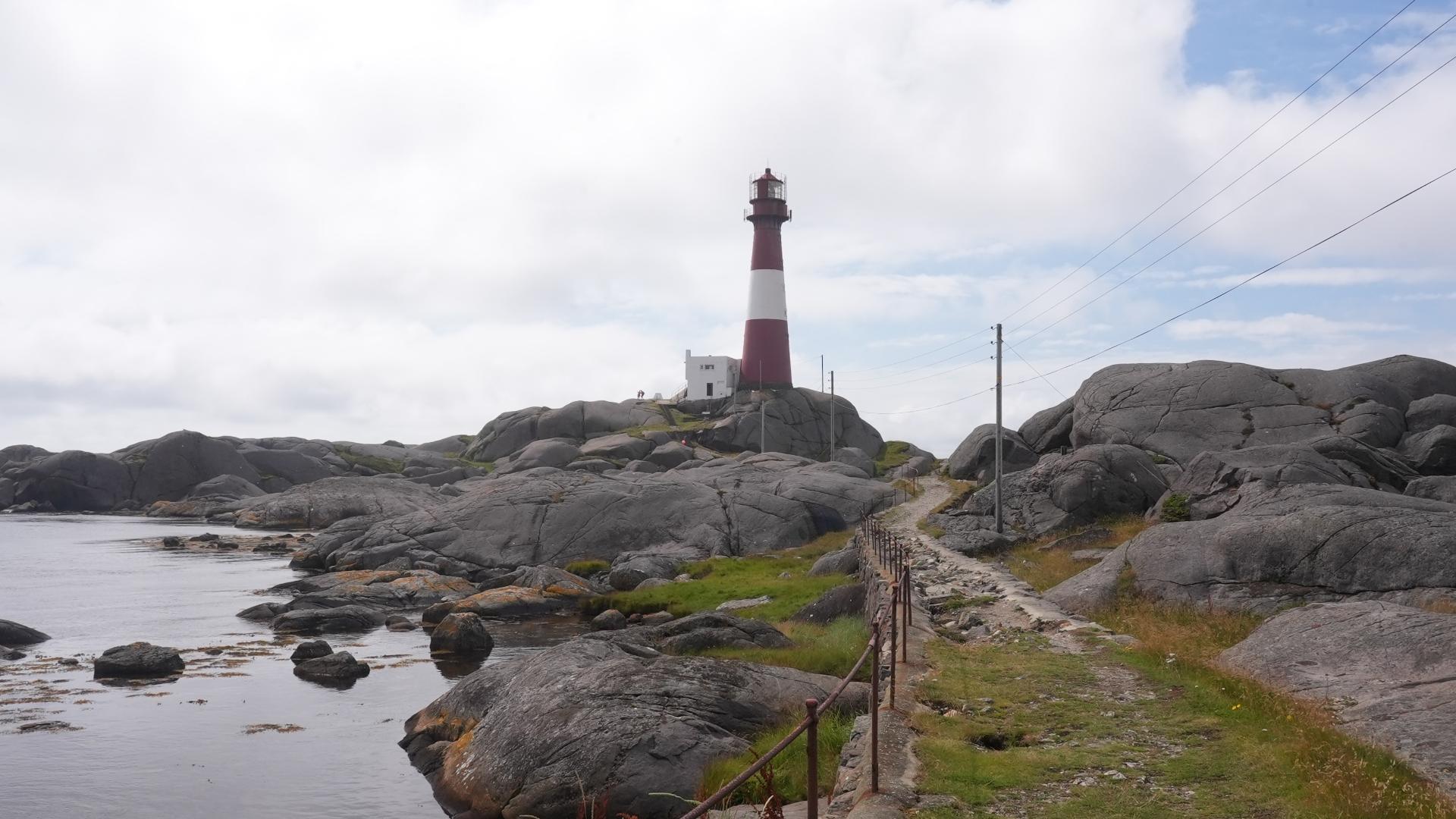
Erected in 1854, Eigerøy fyr was the first cast-iron lighthouse in Norway. The 17-metre tower was manufactured in Stavanger and assembled on site, then lined with roughly 70,000 bricks for insulation and stability. Its second-order Fresnel lens, one of the most powerful on the Norwegian coast, throws a beam visible for over 20 nautical miles. The lighthouse marks the southwestern corner of Eigerøy island, guarding the approach to Egersund harbour from the open North Sea.
During World War II, the German forces fortified the headland around the lighthouse as part of their coastal defences. Bunkers, trenches, and gun emplacements were built into the rocky terrain. Unusually, some of the gun turrets installed here were armoured Norwegian turrets taken from the country's own coastal defences after the capitulation in 1940 and reused by the occupiers. These turrets are still visible, creating a strange juxtaposition: Norwegian-made weapons turned against their makers' allies, now rusting in concrete next to the elegant Victorian lighthouse.
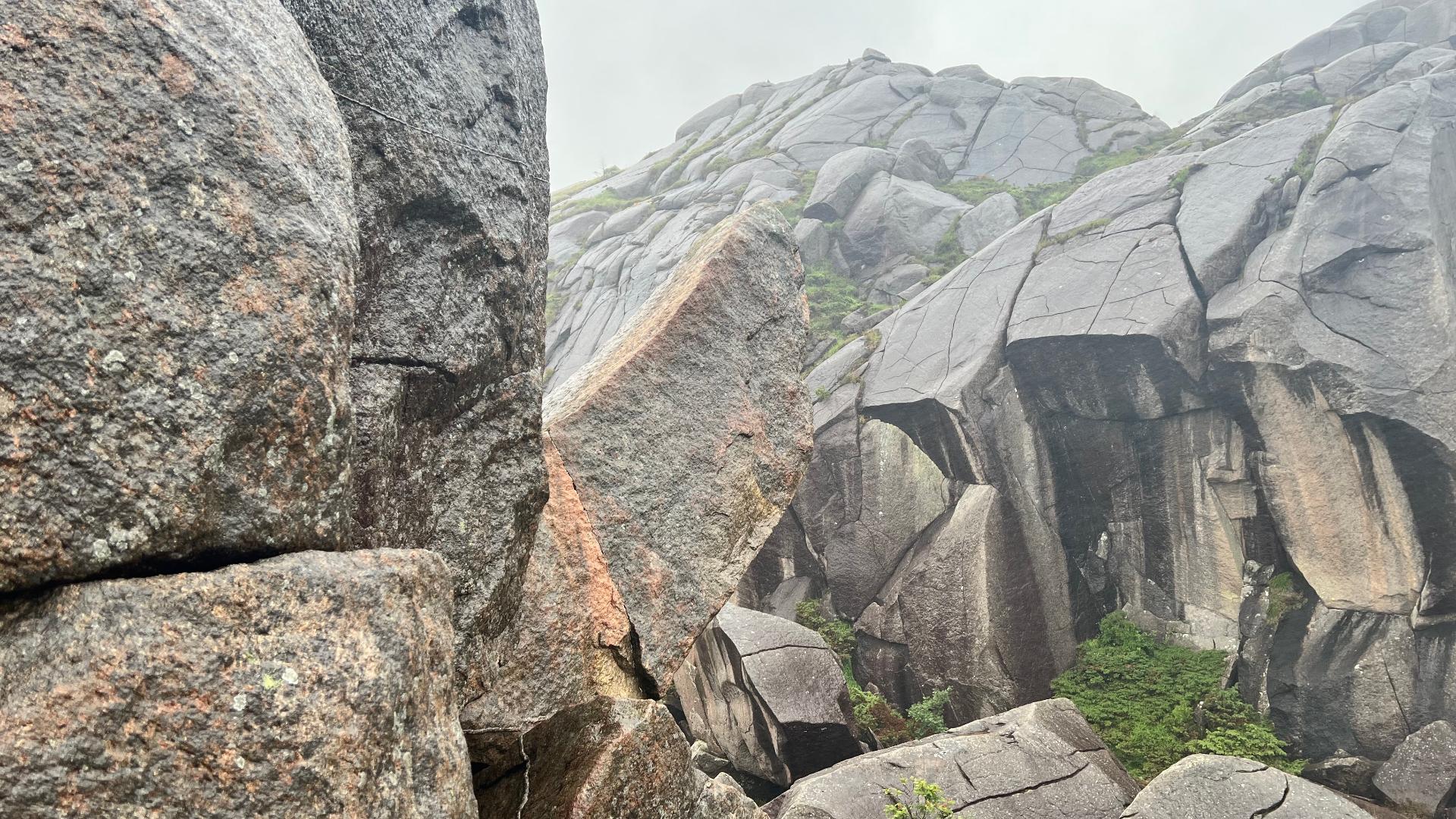
The lighthouse was automated in 1983 and legally protected in 1998. Since 2022, the keeper's house has been run by Dalane Turlag and DNT as a staffed tourist cabin sleeping 12 guests. The area around the lighthouse is a popular walking destination with marked paths along the exposed coastline. The bedrock here is anorthosite, the pale stone characteristic of Magma UNESCO Global Geopark, formed 930 million years ago in conditions similar to those found on the Moon's surface.
During World War II, the German forces fortified the headland around the lighthouse as part of their coastal defences. Bunkers, trenches, and gun emplacements were built into the rocky terrain. Unusually, some of the gun turrets installed here were armoured Norwegian turrets taken from the country's own coastal defences after the capitulation in 1940 and reused by the occupiers. These turrets are still visible, creating a strange juxtaposition: Norwegian-made weapons turned against their makers' allies, now rusting in concrete next to the elegant Victorian lighthouse.
The lighthouse was automated in 1983 and legally protected in 1998. Since 2022, the keeper's house has been run by Dalane Turlag and DNT as a staffed tourist cabin sleeping 12 guests. The area around the lighthouse is a popular walking destination with marked paths along the exposed coastline. The bedrock here is anorthosite, the pale stone characteristic of Magma UNESCO Global Geopark, formed 930 million years ago in conditions similar to those found on the Moon's surface.