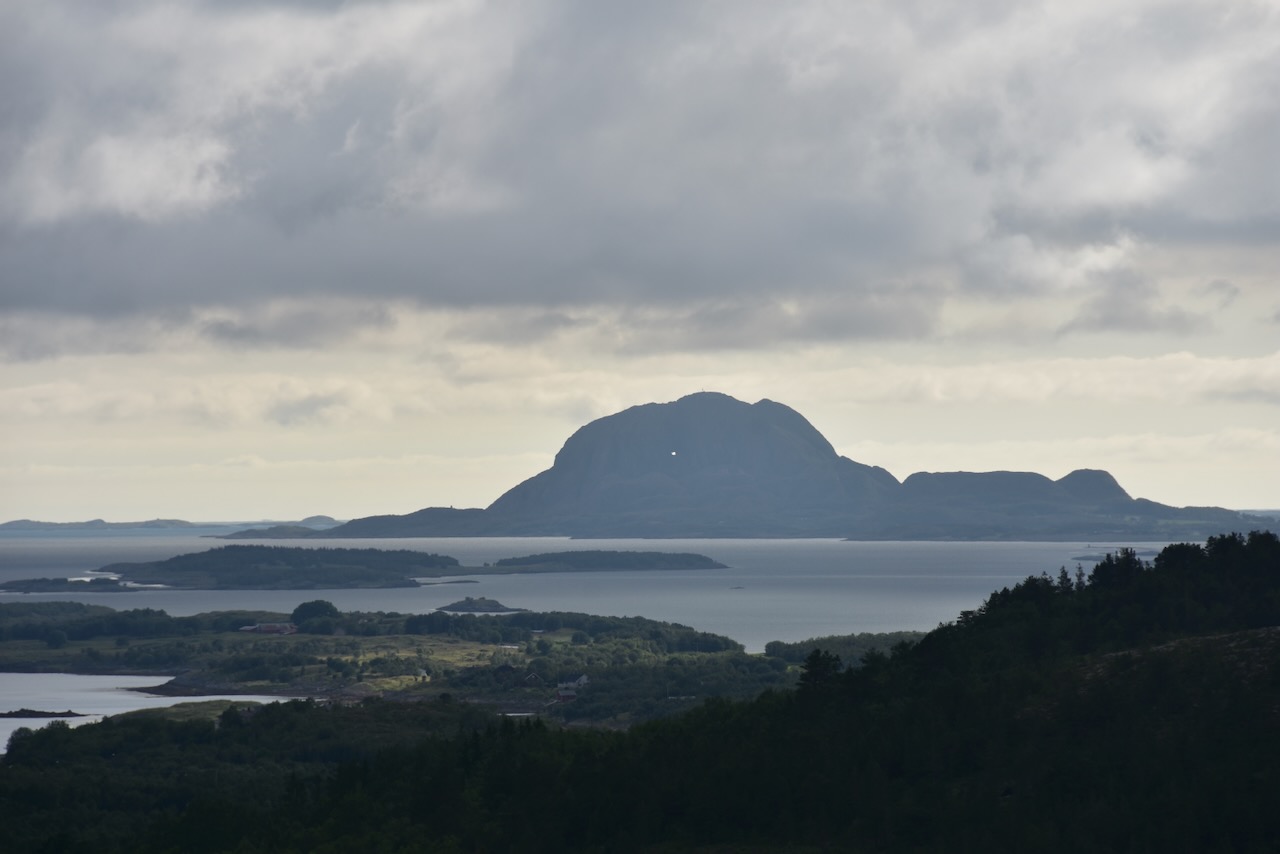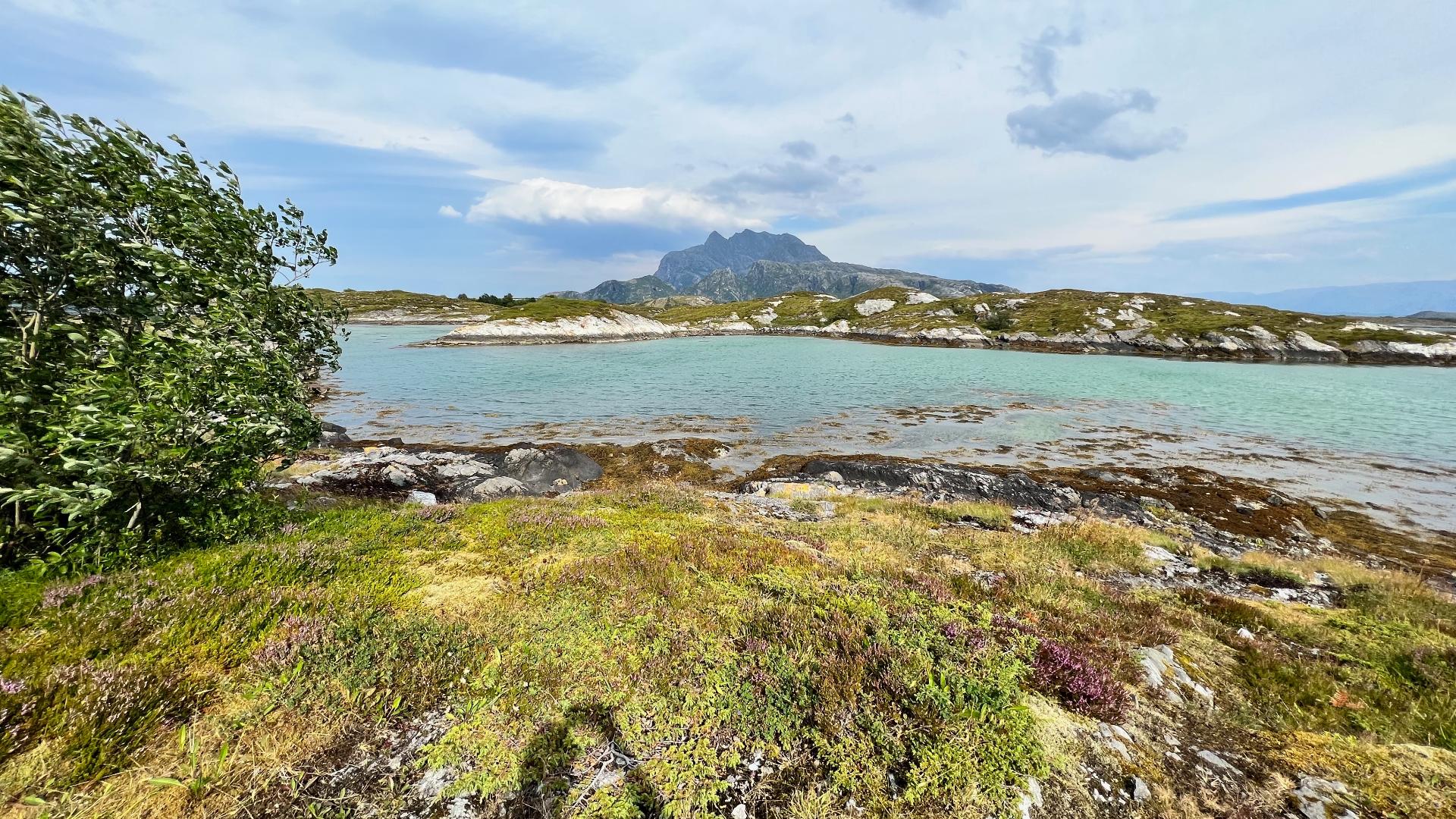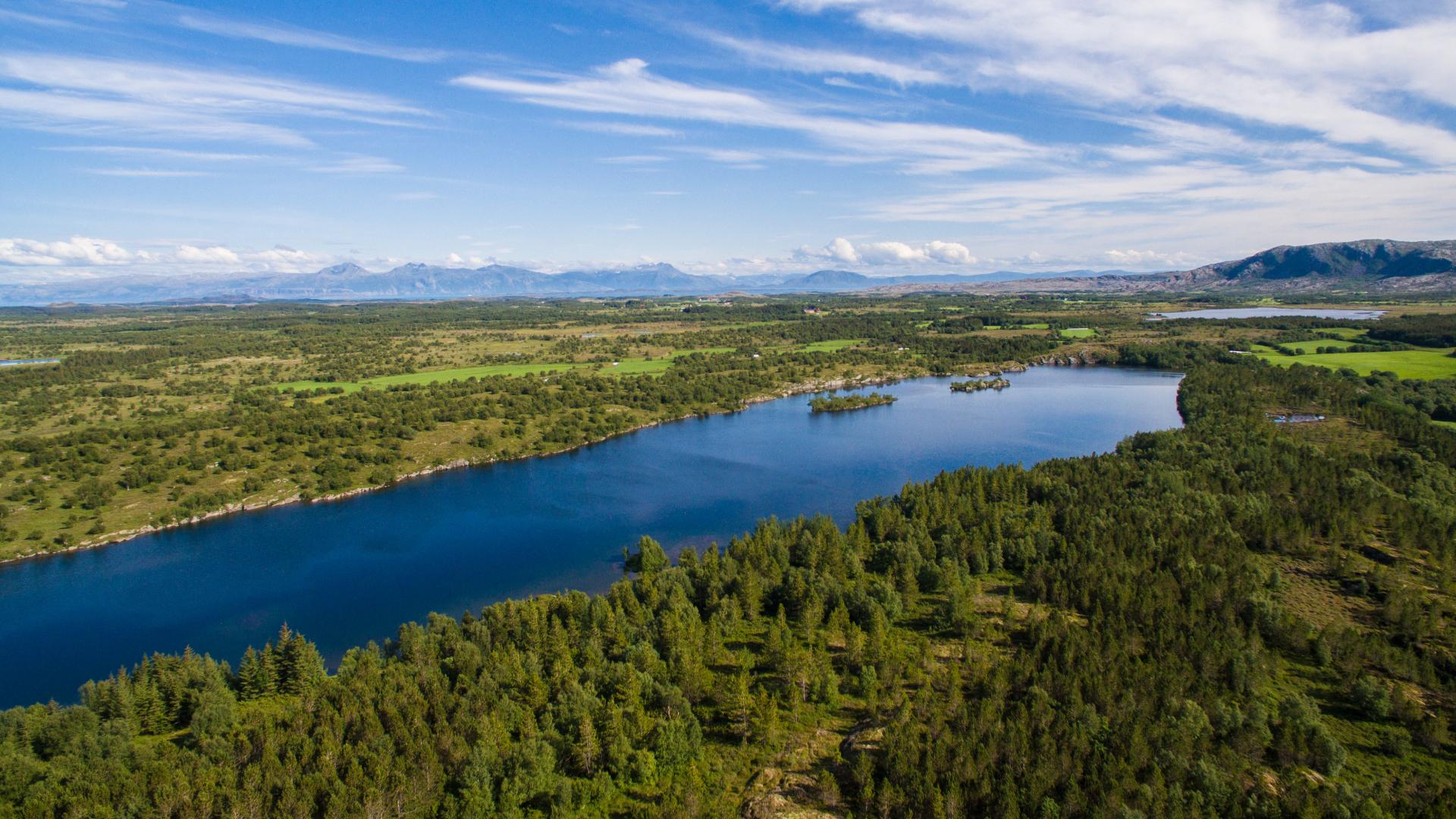
The Vega Archipelago is one of Norway’s eight UNESCO World Heritage Sites, inscribed in 2004 for a cultural landscape shaped by over a thousand years of eider duck husbandry. But human history here goes back much further than that.
The name Vega comes from the Old Norse word veig, meaning ‘fluid’ or ‘liquid’, a reference to the many lakes and marshes on the island. Before 1891 it was called Vegø. The name has nothing to do with the star.
When the ice retreated after the last glaciation, Vega was one of the first ice-free areas along the Norwegian coast. People arrived early. In 1974, settlement sites over 10,000 years old were discovered at Mohalsen, including what may be the oldest known house in the Nordic countries. At Åsgården, archaeologists found the largest Stone Age settlement in the Nordics: around 20 houses, the oldest dating back 9,500 years. These early coastal people fished for cod, haddock, and halibut, hunted seals, and gathered seabirds and mussels.
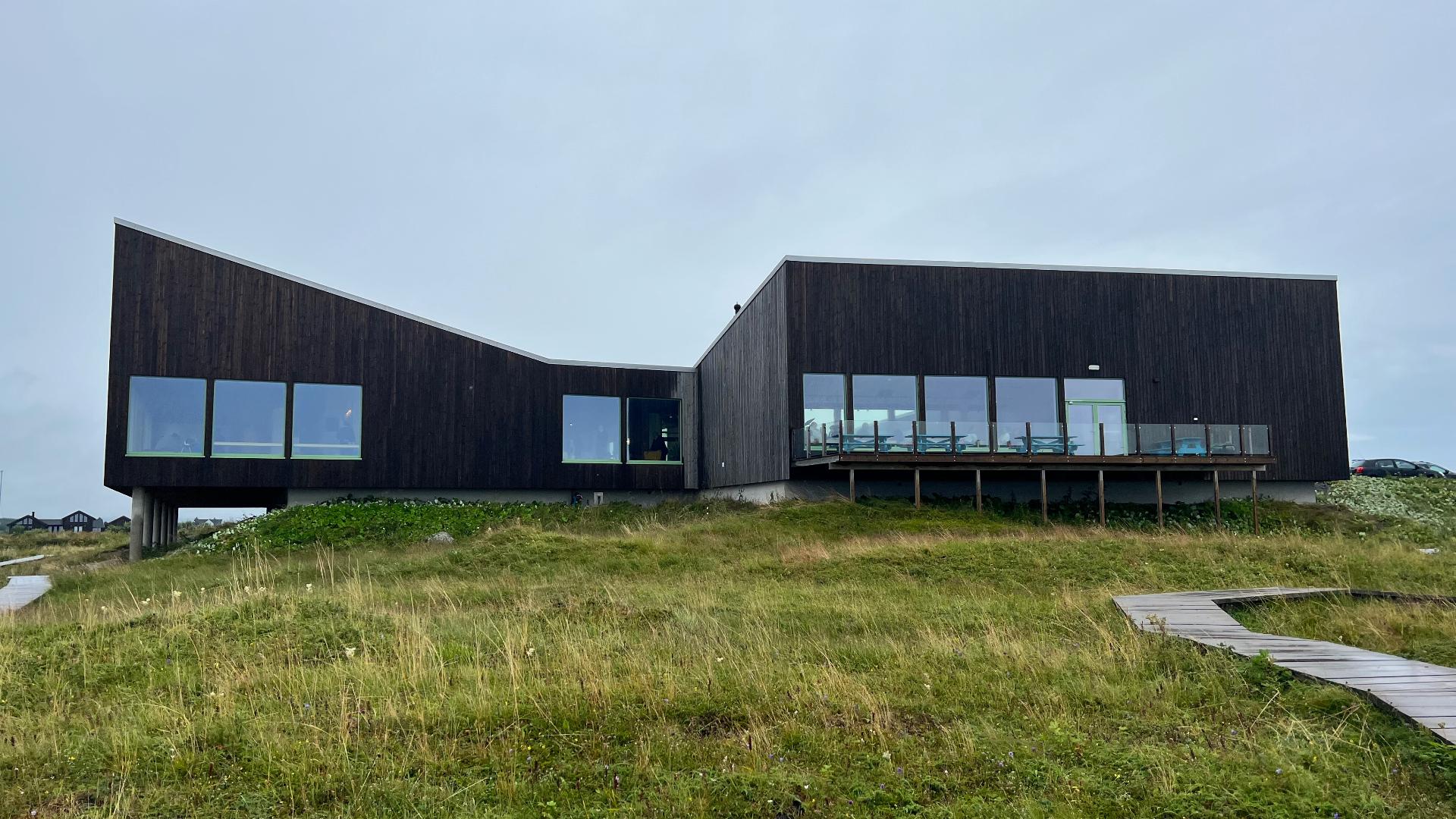
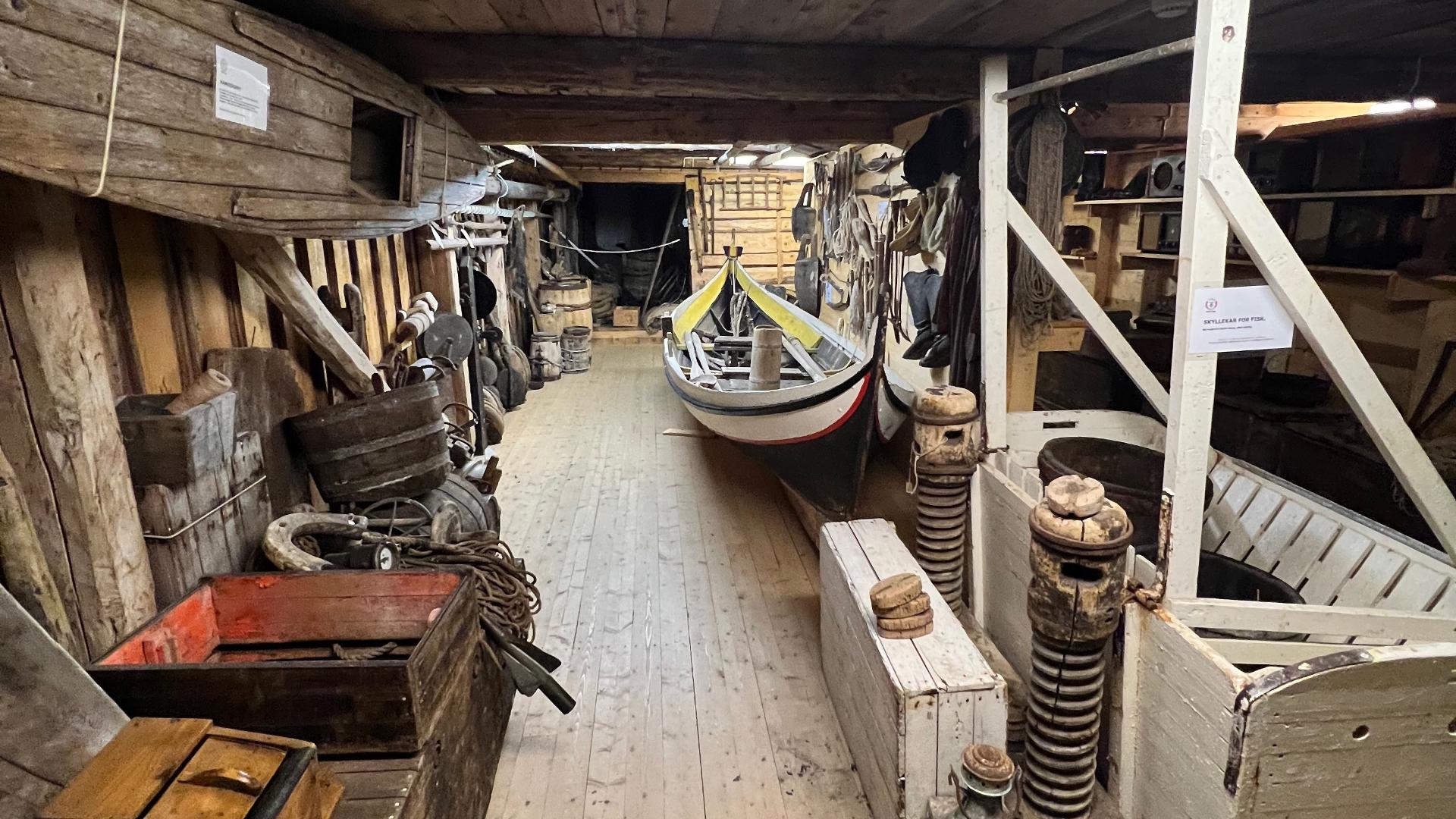
By the 9th century, the islands had become a major centre for eider down production, which accounted for roughly a third of the islanders’ income. The tradition is still alive: on several of the outer islets, bird tenders build small shelters to attract nesting eider ducks, protect them through the breeding season, then carefully harvest the down. The World Heritage Centre on the northern side of the island, near the hamlet of Holand, tells this story in detail.
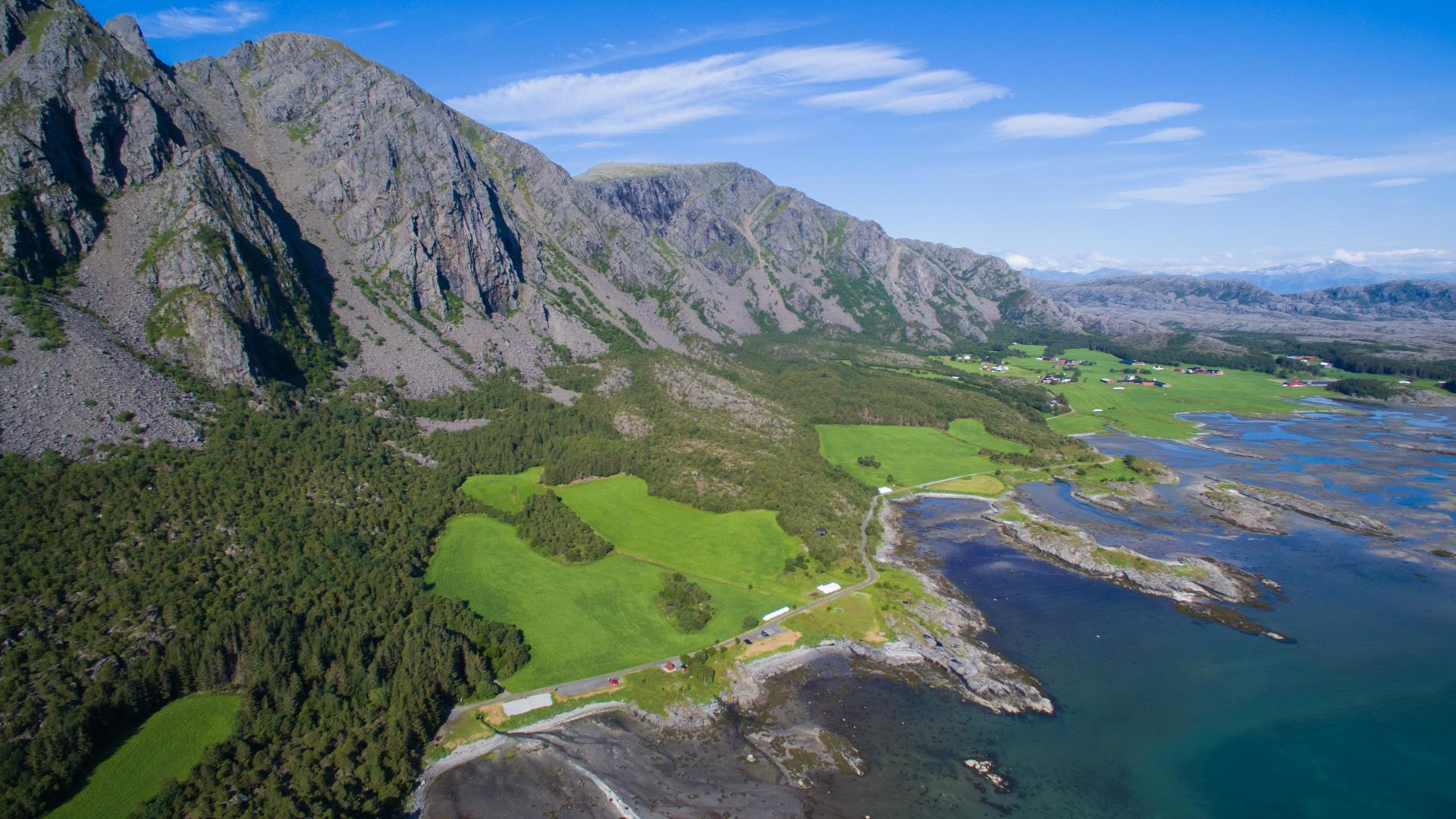
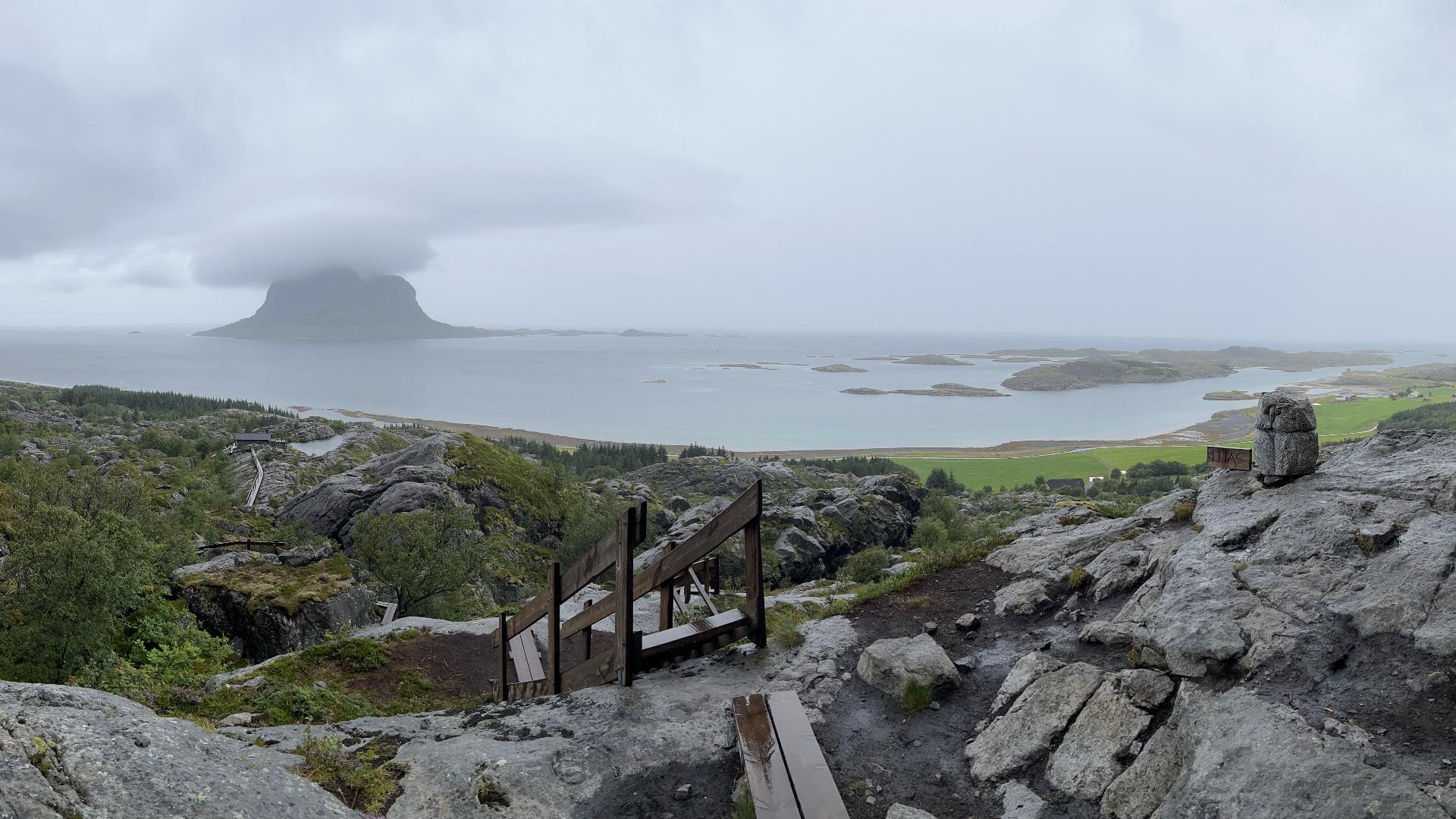
The landscape may surprise you. Vega is more open farmland than you might expect for a Norwegian island; agriculture has always been important here. Stavmarken Gård still breeds pigs and makes sausages sold in supermarkets across the region. There are sand beaches near Eidem on the southwestern tip, and mountains in the south and west with good hiking, including the Vegatrappa staircase up Ravnfloget.
Vega can be visited in about a day. The main ferry runs from Horn near Brønnøysund every two hours, and another from Tjøtta south of Sandnessjøen two to three times daily. Express boats run from both Brønnøysund and Sandnessjøen. There is a bus on the island along the main road. Many attractions are closed outside summer.
The name Vega comes from the Old Norse word veig, meaning ‘fluid’ or ‘liquid’, a reference to the many lakes and marshes on the island. Before 1891 it was called Vegø. The name has nothing to do with the star.
When the ice retreated after the last glaciation, Vega was one of the first ice-free areas along the Norwegian coast. People arrived early. In 1974, settlement sites over 10,000 years old were discovered at Mohalsen, including what may be the oldest known house in the Nordic countries. At Åsgården, archaeologists found the largest Stone Age settlement in the Nordics: around 20 houses, the oldest dating back 9,500 years. These early coastal people fished for cod, haddock, and halibut, hunted seals, and gathered seabirds and mussels.
By the 9th century, the islands had become a major centre for eider down production, which accounted for roughly a third of the islanders’ income. The tradition is still alive: on several of the outer islets, bird tenders build small shelters to attract nesting eider ducks, protect them through the breeding season, then carefully harvest the down. The World Heritage Centre on the northern side of the island, near the hamlet of Holand, tells this story in detail.
The landscape may surprise you. Vega is more open farmland than you might expect for a Norwegian island; agriculture has always been important here. Stavmarken Gård still breeds pigs and makes sausages sold in supermarkets across the region. There are sand beaches near Eidem on the southwestern tip, and mountains in the south and west with good hiking, including the Vegatrappa staircase up Ravnfloget.
Vega can be visited in about a day. The main ferry runs from Horn near Brønnøysund every two hours, and another from Tjøtta south of Sandnessjøen two to three times daily. Express boats run from both Brønnøysund and Sandnessjøen. There is a bus on the island along the main road. Many attractions are closed outside summer.