Very Difficult
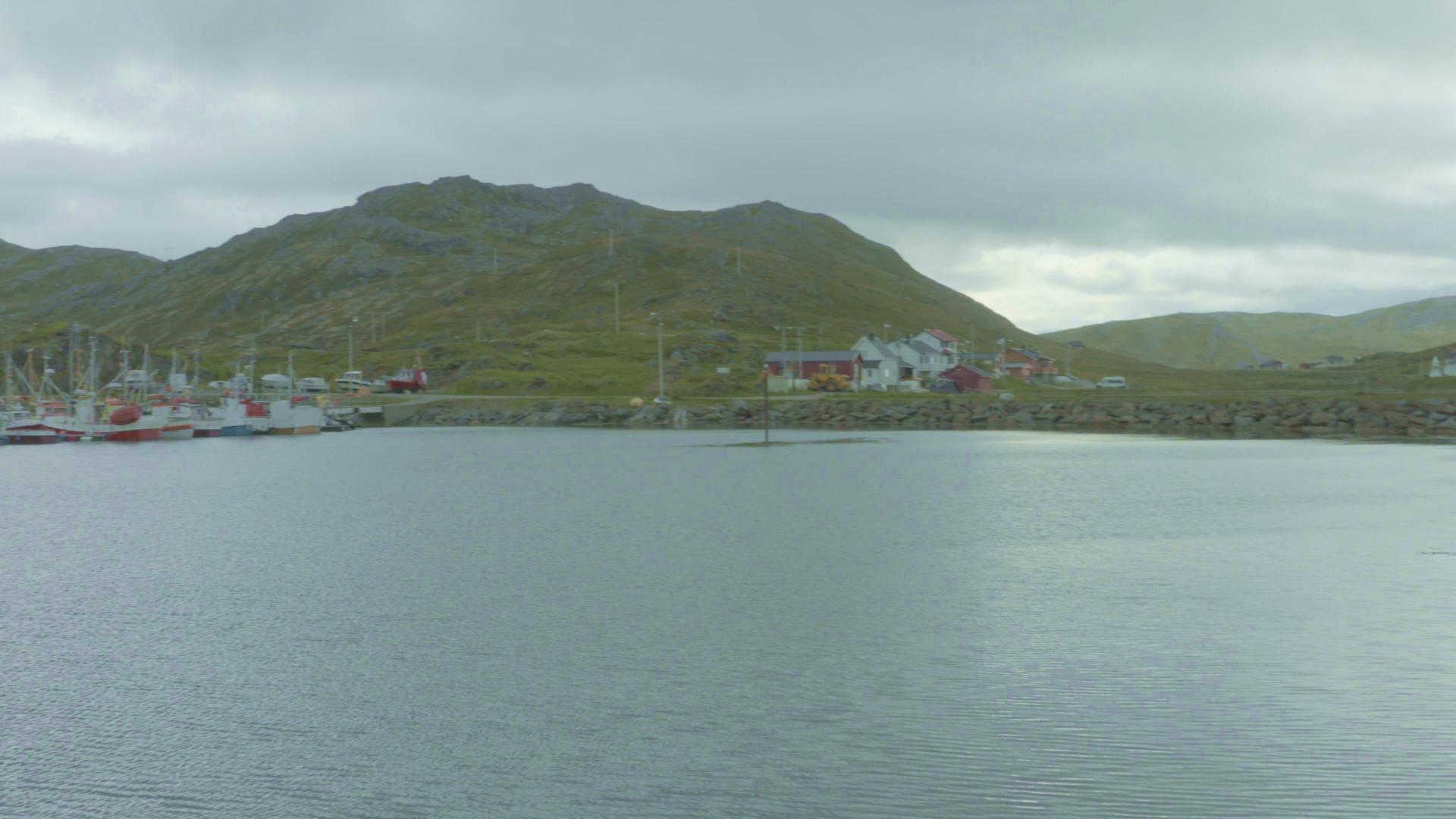
Varangerhalvøya National Park covers 1,804 square kilometres of Arctic tundra on the Varanger peninsula, a landscape that has remained essentially unchanged since the last Ice Age. This is expedition-level wilderness: no roads cross the park, trails are minimal, and the terrain of boggy plateau, stony ridges, and exposed headlands demands serious navigation skills.
The park is one of the most important birdwatching areas in Northern Europe, protecting breeding grounds for species found at the very edge of their range. Snowy Owls, Long-tailed Skuas, Gyrfalcons, and numerous wader species nest on the tundra, and the coastal sections support seabird colonies. Serious birders travel from across Europe specifically for the Varanger experience, with biotope bird-watching huts placed at strategic locations throughout the peninsula.
At Mortensnes, on the E75 along the southern coast, 10,000 years of settlement are visible in the landscape: 250 to 300 Sami graves, Stone Age tent rings, and traces of cultures that hunted and fished here since the ice retreated. The archaeological site is accessible from the road and worth a brief stop.
The interior of the park is for experienced hikers only. The massive reindeer trapping system at Noiddiidčearru, a two-day hike each way, is one of the most significant archaeological sites in the region, though authorities actively discourage casual visitors to prevent further damage from cairn-building tourists.
The park is one of the most important birdwatching areas in Northern Europe, protecting breeding grounds for species found at the very edge of their range. Snowy Owls, Long-tailed Skuas, Gyrfalcons, and numerous wader species nest on the tundra, and the coastal sections support seabird colonies. Serious birders travel from across Europe specifically for the Varanger experience, with biotope bird-watching huts placed at strategic locations throughout the peninsula.
At Mortensnes, on the E75 along the southern coast, 10,000 years of settlement are visible in the landscape: 250 to 300 Sami graves, Stone Age tent rings, and traces of cultures that hunted and fished here since the ice retreated. The archaeological site is accessible from the road and worth a brief stop.
The interior of the park is for experienced hikers only. The massive reindeer trapping system at Noiddiidčearru, a two-day hike each way, is one of the most significant archaeological sites in the region, though authorities actively discourage casual visitors to prevent further damage from cairn-building tourists.