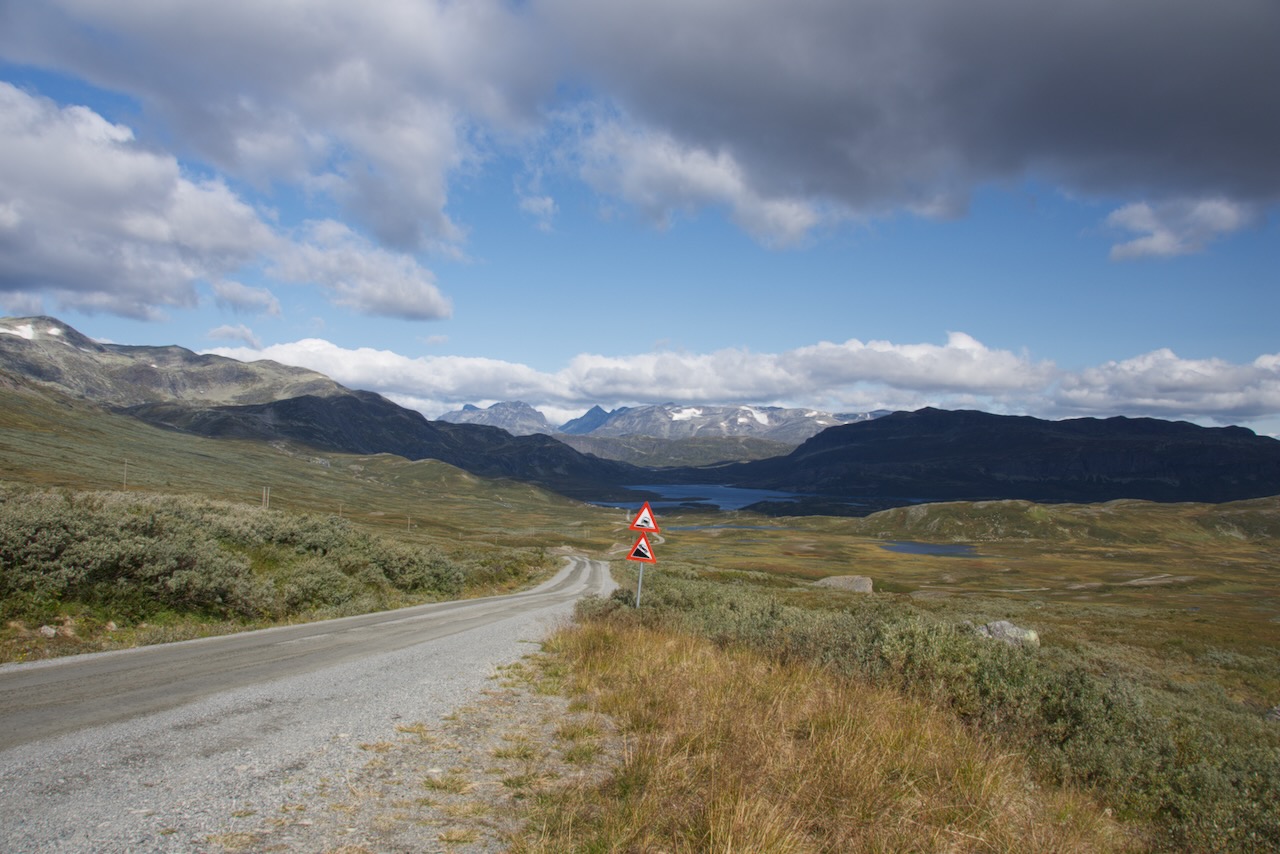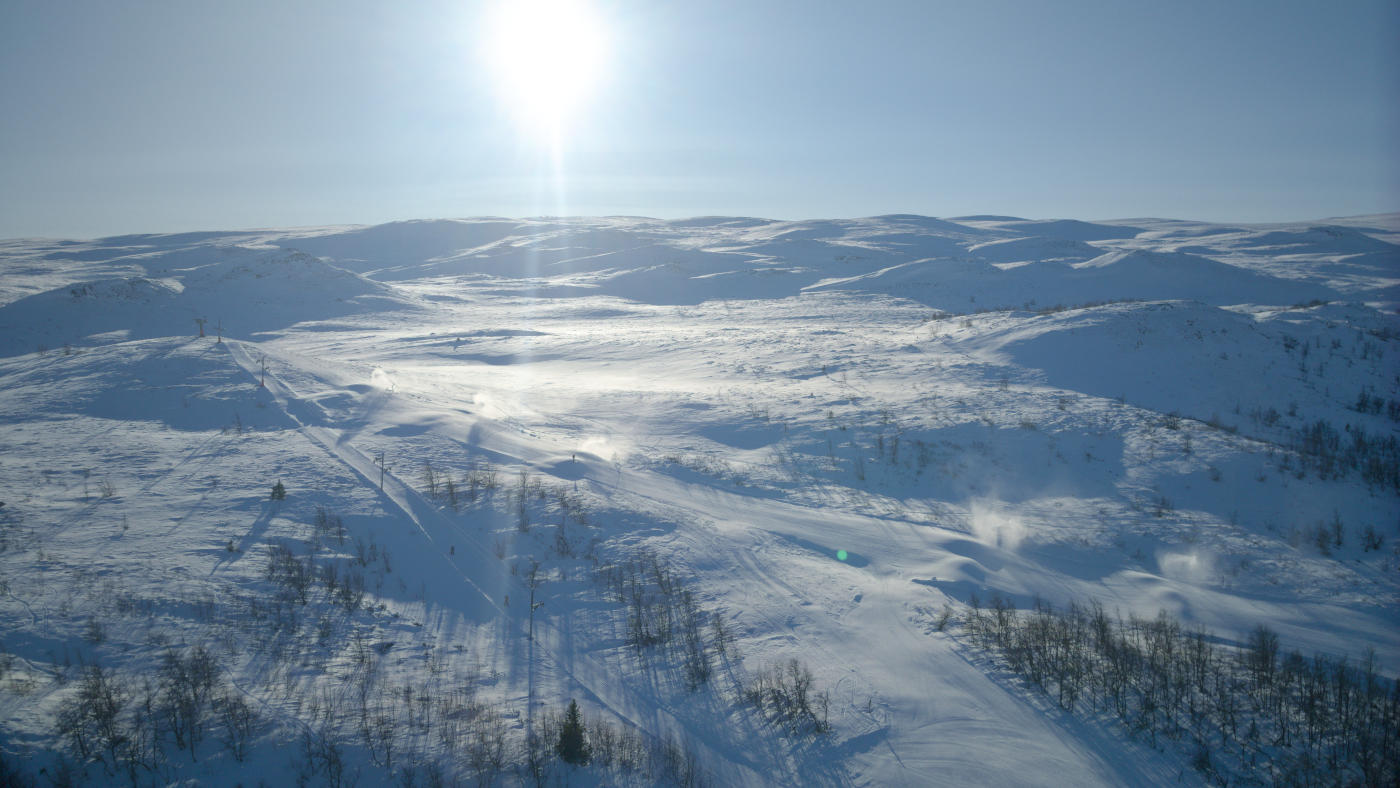
Vang is the westernmost municipality in Valdres, and this is where the landscape changes dramatically. Behind you lie the rolling hills and gentle valleys of eastern Norway. Ahead, the mountains rise sharply towards Filefjell and Jotunheimen, and beyond them the fjords of the west coast. For thousands of years, travellers have stopped here before tackling the mountain crossing.
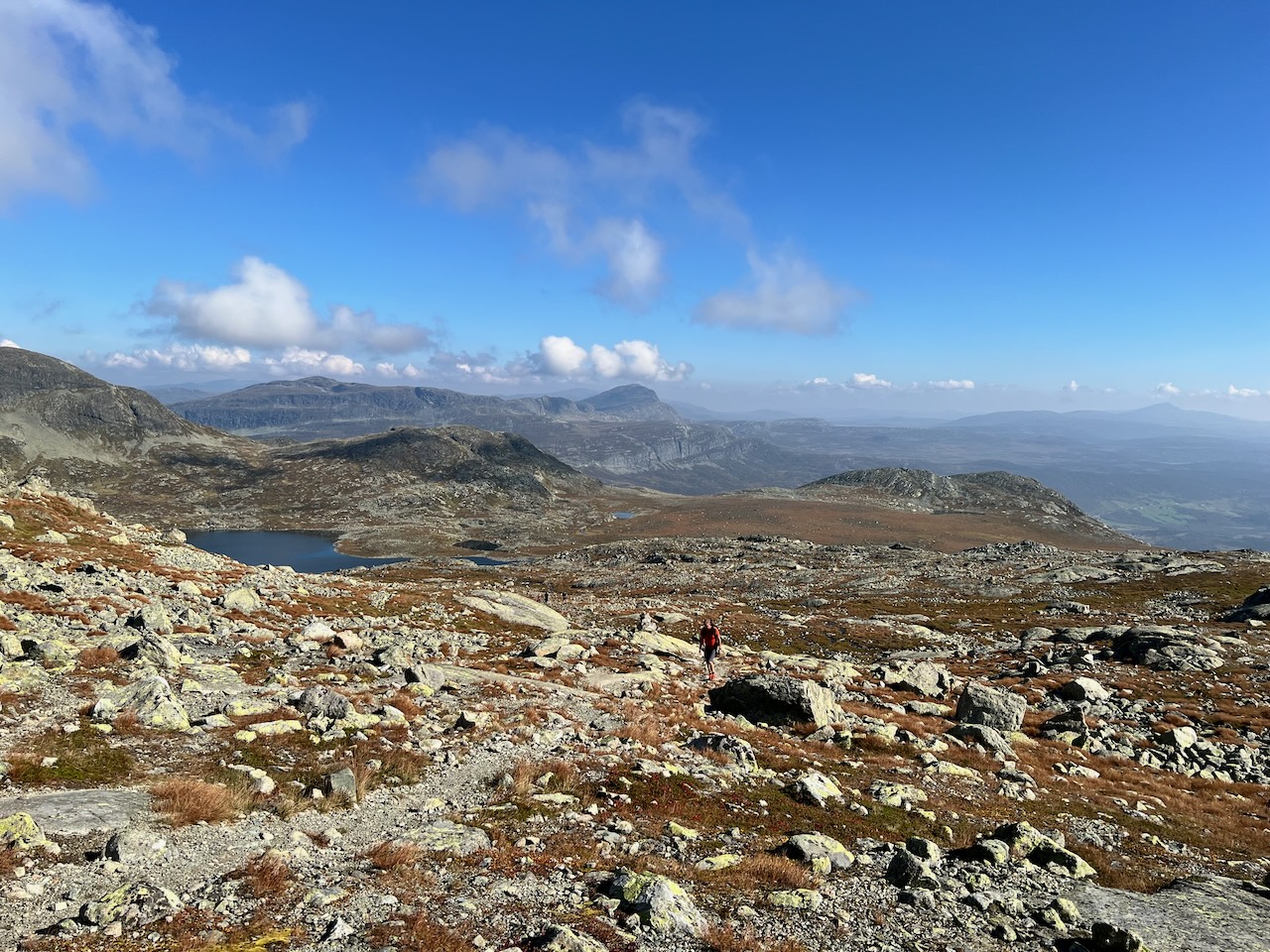
The village centre, sometimes called Grindaheim, sits on the southern shore of lake Vangsmjøse. It's a small place – the entire municipality has only around 1,650 inhabitants – but it punches well above its weight historically. Nearly 90 percent of the municipality lies above 900 metres, and the highest point, Vestre Kalvehøgdi, reaches 2,208 metres.
The Vangstein
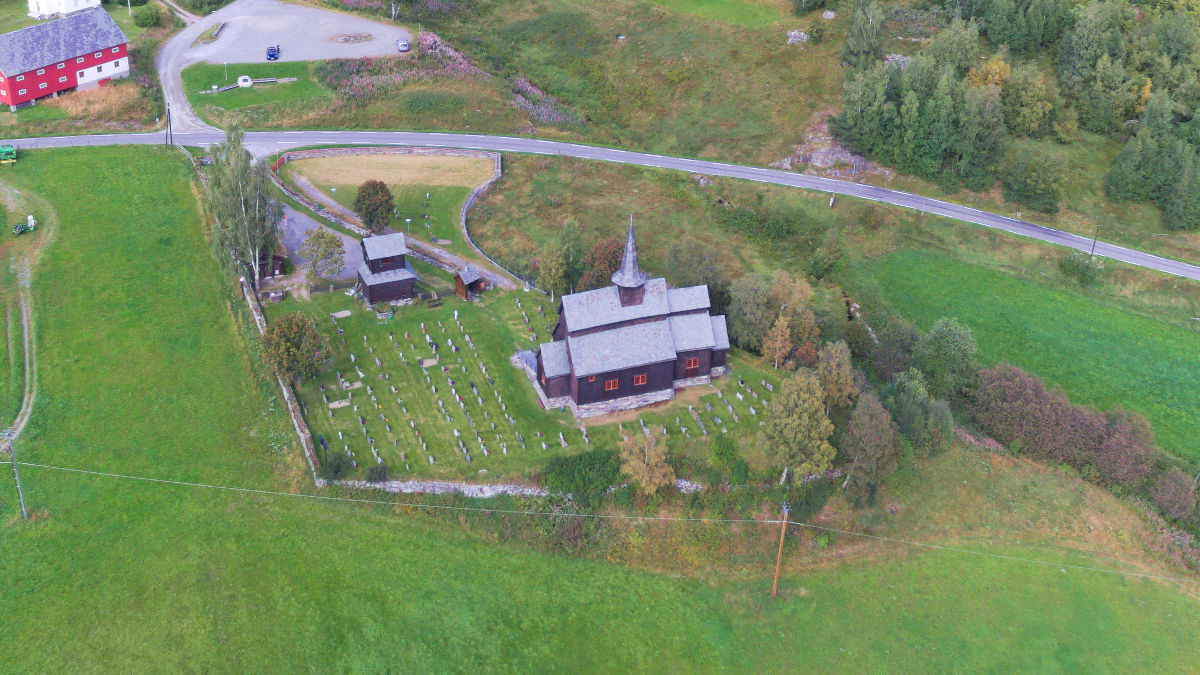
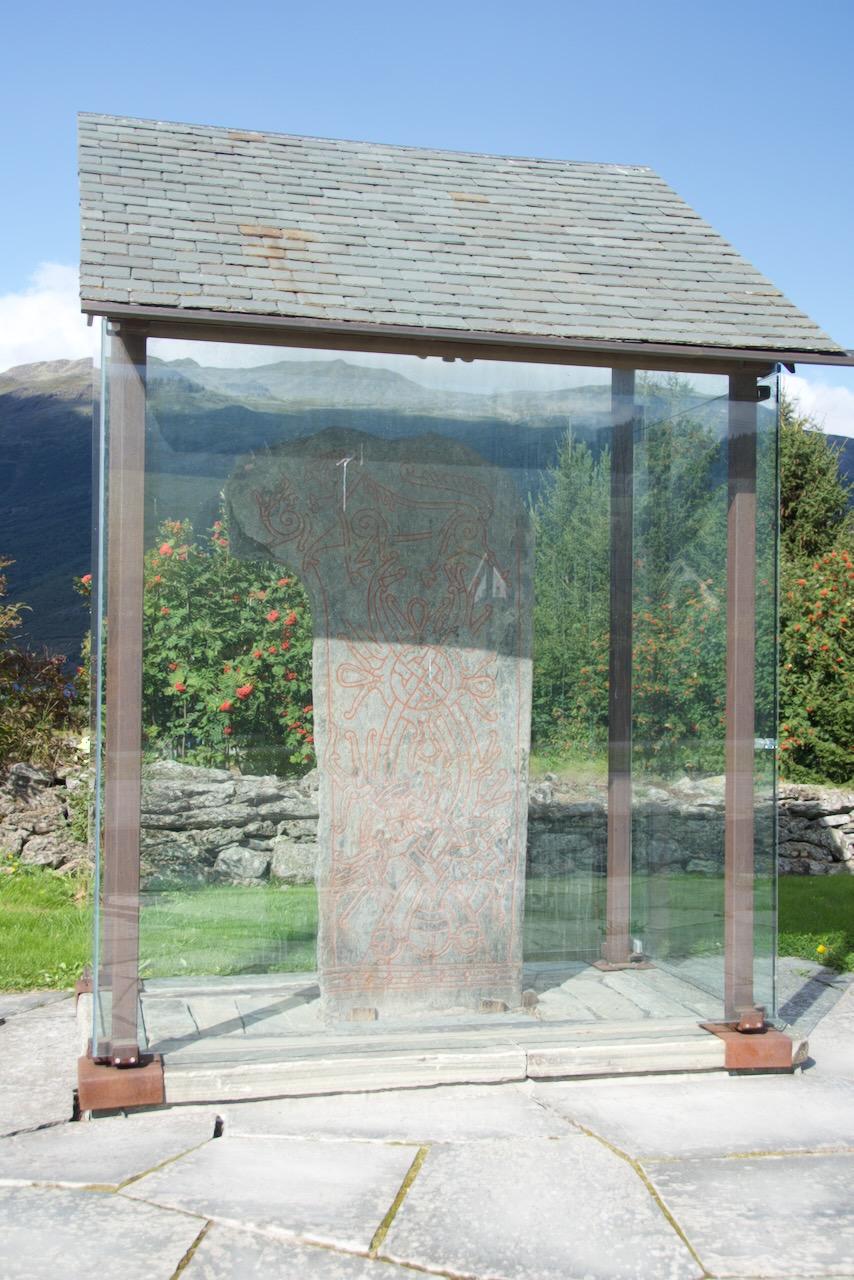
In the churchyard next to the modern Vang kirke (built 1840), you'll find one of Norway's most impressive runestones. The Vangsteinen dates from the early 11th century, from the transitional period between paganism and Christianity. The 2.15-metre-high slate slab is decorated in the Ringerike style – in fact, it's considered one of the finest examples of this artistic tradition anywhere in Scandinavia, comparable to the famous Jellinge stones in Denmark.
The stone's carvings show a rosette cross (or perhaps a stylised tree) and a lion, intertwined with elaborate patterns. The runic inscription reads roughly: "Gåse's sons erected this stone for Gunnar, their brother's son." What makes this stone particularly significant is that it may be the only authentic object telling us about the Christianisation of Valdres – a process described in Snorri's sagas as dramatic and violent, though frustratingly without specific names or places.
The Stave Church That Left
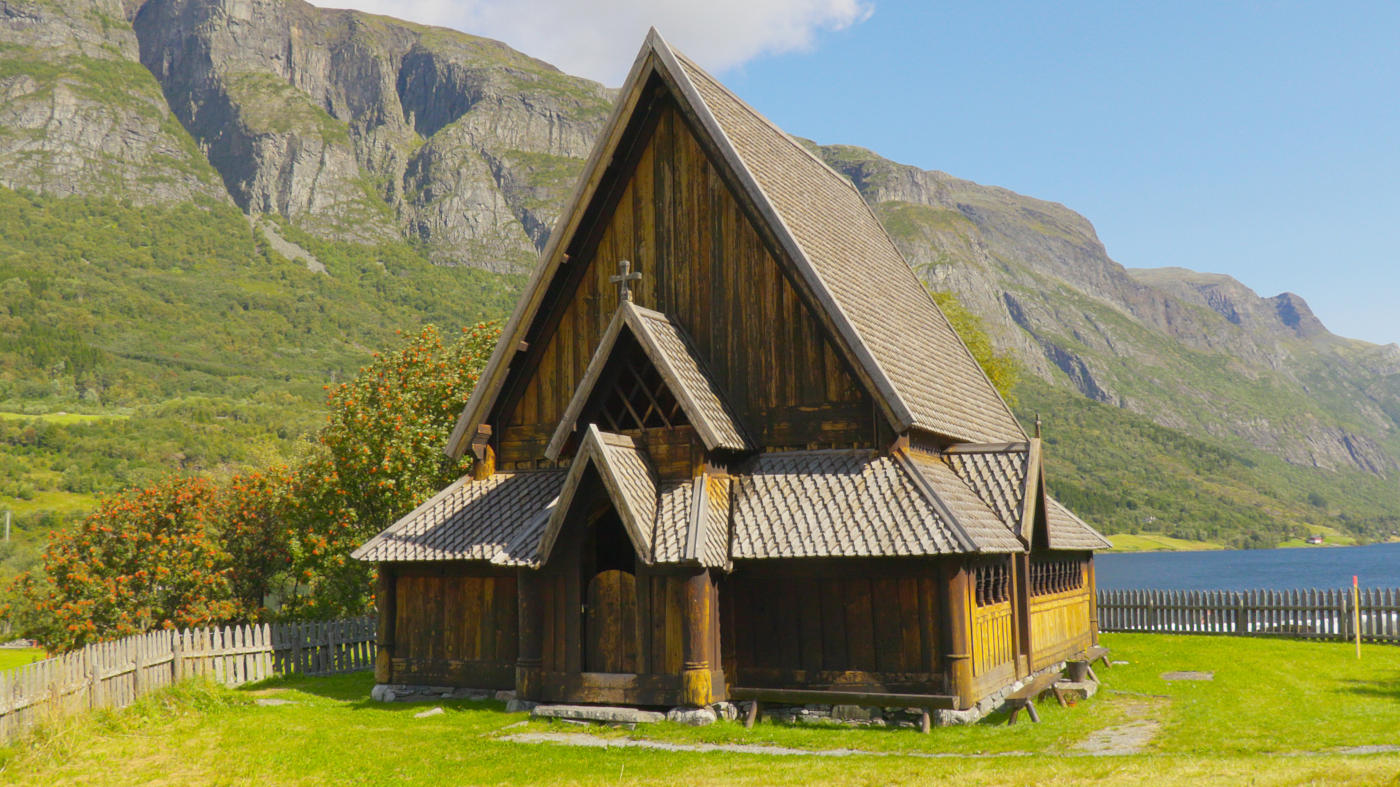
Norway once had hundreds of stave churches. Today only 28 remain in the country – and there's one more in Poland. That Polish church originally stood right here in Vang, next to where the runestone still stands.
By 1832, the medieval stave church had grown too small and fallen into disrepair. The local council decided to demolish it. The painter Johan Christian Dahl, who had documented Norway's stave churches and understood their cultural value, was horrified. He tried everything to save it – proposing it be moved to the palace park in Christiania, or to Bergen as a museum piece. When a local farmer named Knut Nordsveen offered free land to relocate the church within the parish, that offer too was rejected. Nordsveen was so devastated that he sold his farm and emigrated to America.
In January 1841, Dahl bought the church at auction himself for 86 speciedaler. Unable to find anyone in Norway willing to take it, he eventually sold it to King Frederick William IV of Prussia. The church was dismantled, shipped by sea to Stettin, transported up the Oder by barge, and finally hauled by horse-drawn wagons to a mountainside in Silesia, 885 metres above sea level. It was consecrated in 1844. Today it stands in Karpacz, Poland, where it receives around 200,000 visitors annually – probably making it the world's most visited stave church.
Back in Vang, a small stone marker in the churchyard indicates where it once stood. If you want to see a stave church that's still here, Øye stavkirke at the western end of the lake has its own remarkable story.
The Princess Who Changed History
According to Snorri Sturluson's sagas, a pivotal moment in Norwegian history happened here. The story goes that Gyda, daughter of King Eirik of Hordaland, was fostered at the farm Kvien in Vang. When Harald (not yet "Hårfagre" – Fairhair) sent men to ask for her hand, she refused. She wouldn't marry a man who ruled only a few counties. Let him prove himself worthy by uniting all of Norway first.
Rather than being insulted, Harald took up the challenge, vowing not to cut or comb his hair until he had conquered the entire country. A decade later, after winning the decisive Battle of Hafrsfjord around 872 AD, he finally got his haircut – and his bride. The legend connects Valdres to the very birth of Norway as a nation.
Modern historians consider this a legend rather than documented fact. But locals still celebrate the story – in recent years, a historical play called "Dronningane på Kongevegen" has dramatised Gyda's famous refusal.
If you're looking for natural attractions, the Slettefjellet road offers access to the distinctive Sputrefossen waterfall, where the water is pushed upwards before falling – we'll tell you more about that route separately.