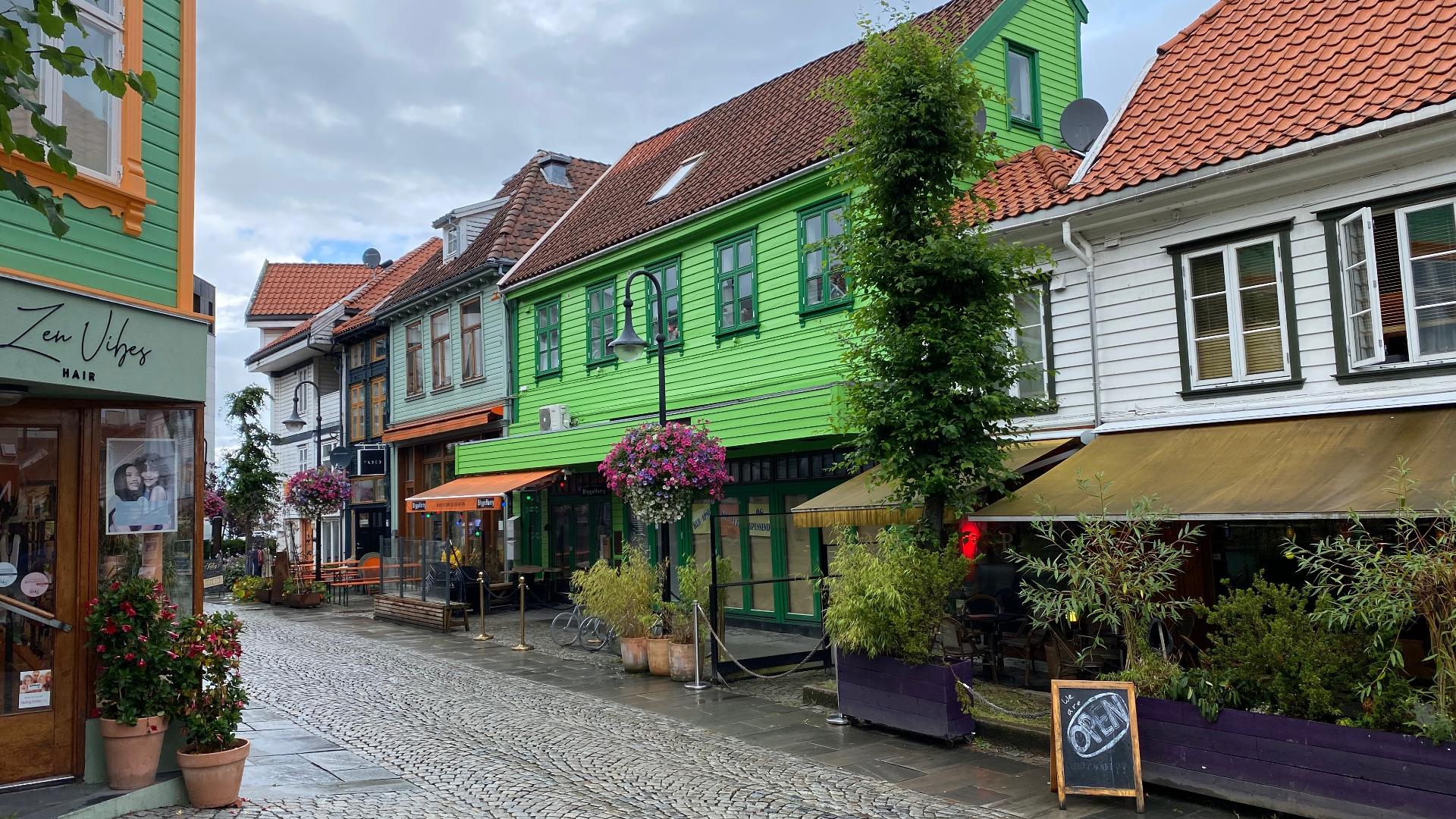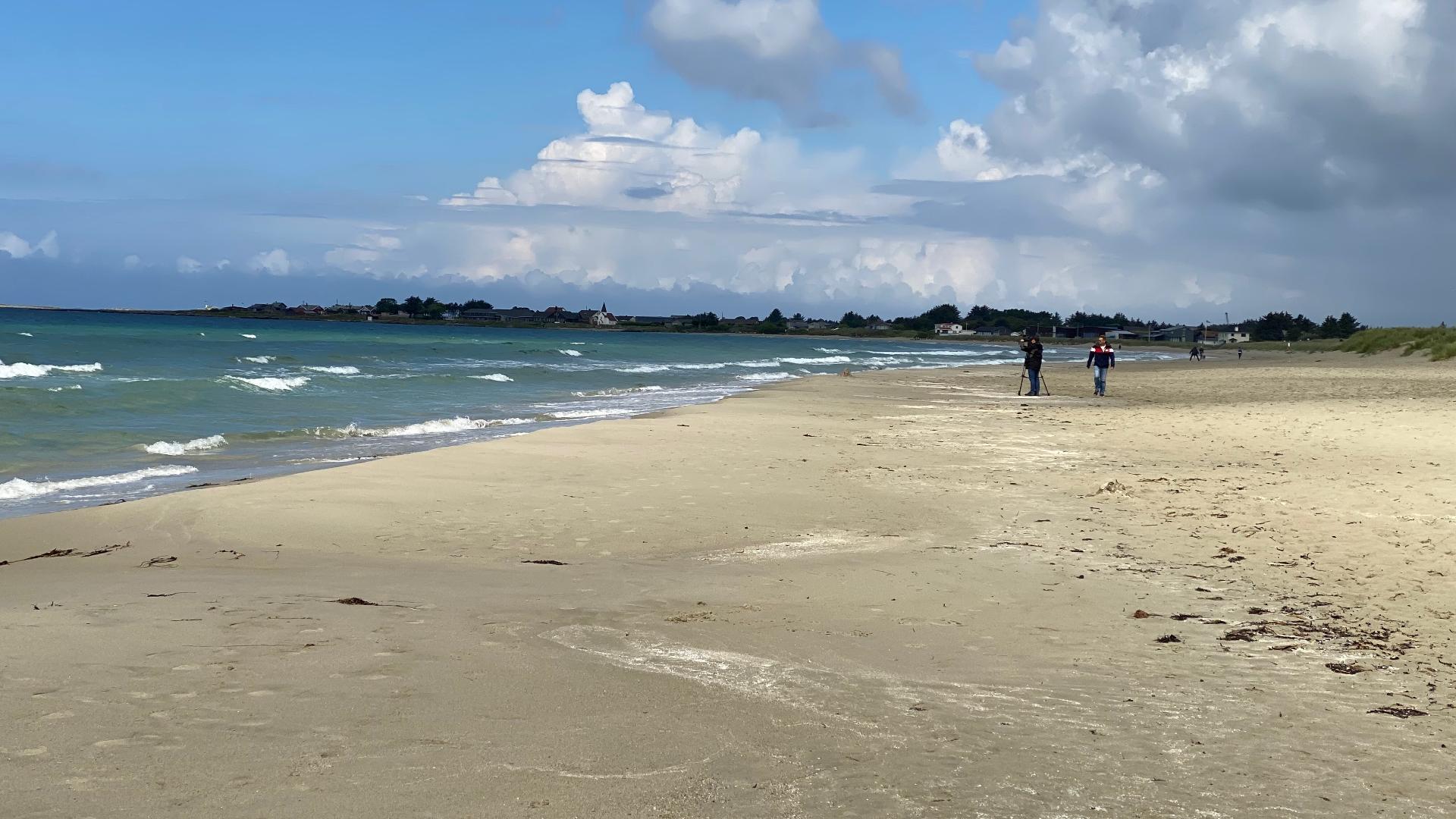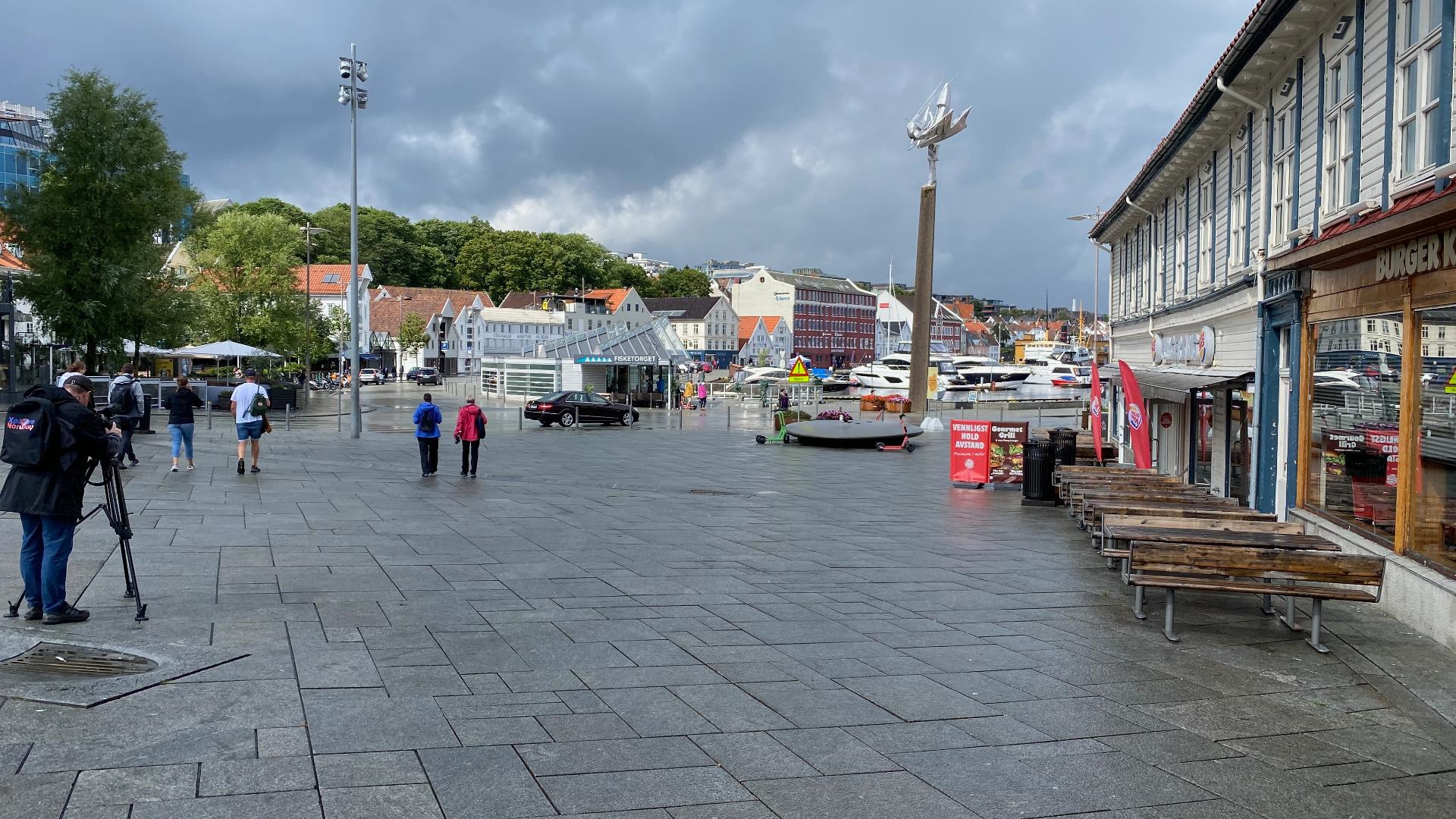
Norway's fourth largest city, population around 150,000, and the capital of its petroleum industry. The region has been important far longer than the oil age. The Battle of Hafrsfjord, fought just outside modern Stavanger around 872, led to the unification of Norway under King Harald Fairhair. The city itself was officially founded in 1125 when the cathedral was completed.
For centuries after that, not much happened. Things changed in the 19th century when sardine fishing and canning took off. Norway's first canning factory opened here in 1873. By the 1920s there were 70 canneries in the city, and Stavanger earned the nickname Norway's canned capital. In 1902, King Oscar II tasted smoked brisling sardines from the Christian Bjelland Company and liked them so much he allowed the company to use his name; the King Oscar brand is still sold worldwide. The last cannery closed in 1983.
The real transformation came in the 1960s when oil was found in the North Sea. Equinor (formerly Statoil) has its headquarters here, and the petroleum industry made the region wealthy almost overnight. Helicopters shuttle constantly between Stavanger Airport and the offshore platforms.
Today Stavanger is also Norway's culinary capital. The Rogaland region produces 80% of Norway's cucumbers and large shares of its tomatoes and other vegetables. Chefs from this region regularly compete at the top of the Bocuse d'Or. The Gladmat festival, held every July around Vågen harbour, is Scandinavia's biggest food festival, running since 1998. RE-NAA, led by chef Sven Erik Renaa, received three Michelin stars in 2024, built entirely around ingredients from Rogaland and the surrounding coastline. It was the first restaurant outside Oslo to receive a Michelin star in the Nordic guide.
The city also has an unexpected street art scene. The NuArt festival, held every September since 2001, brings international street artists to paint the city's walls. Stavanger is now considered one of the most dynamic open-air street art galleries in Europe.
For centuries after that, not much happened. Things changed in the 19th century when sardine fishing and canning took off. Norway's first canning factory opened here in 1873. By the 1920s there were 70 canneries in the city, and Stavanger earned the nickname Norway's canned capital. In 1902, King Oscar II tasted smoked brisling sardines from the Christian Bjelland Company and liked them so much he allowed the company to use his name; the King Oscar brand is still sold worldwide. The last cannery closed in 1983.
The real transformation came in the 1960s when oil was found in the North Sea. Equinor (formerly Statoil) has its headquarters here, and the petroleum industry made the region wealthy almost overnight. Helicopters shuttle constantly between Stavanger Airport and the offshore platforms.
Today Stavanger is also Norway's culinary capital. The Rogaland region produces 80% of Norway's cucumbers and large shares of its tomatoes and other vegetables. Chefs from this region regularly compete at the top of the Bocuse d'Or. The Gladmat festival, held every July around Vågen harbour, is Scandinavia's biggest food festival, running since 1998. RE-NAA, led by chef Sven Erik Renaa, received three Michelin stars in 2024, built entirely around ingredients from Rogaland and the surrounding coastline. It was the first restaurant outside Oslo to receive a Michelin star in the Nordic guide.
The city also has an unexpected street art scene. The NuArt festival, held every September since 2001, brings international street artists to paint the city's walls. Stavanger is now considered one of the most dynamic open-air street art galleries in Europe.