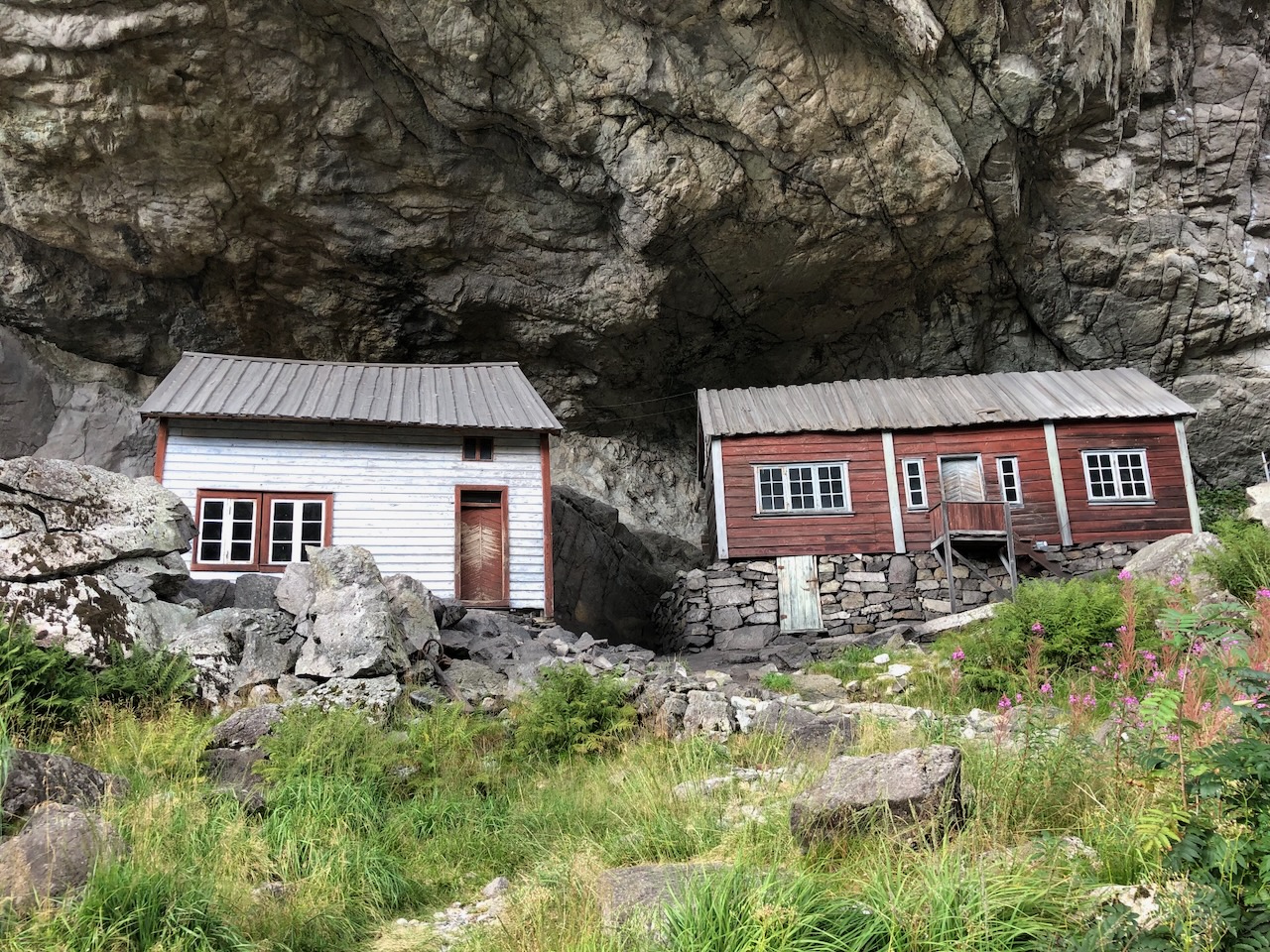
Between Hellvik and Maurhølen in Eigersund municipality, a narrow, winding ridge of sand and gravel snakes across the landscape for roughly two kilometres. This is an esker, a geological formation deposited by meltwater rivers flowing inside or beneath glaciers during the last ice age. What makes this esker remarkable is that it runs uphill in places, proof that the water was under enormous pressure from the ice above, forced to flow against gravity through tunnels in the glacier.
Local legend provides a different explanation. King Olav, later St. Olav, was sailing past Eigersund when the Midgardsormen, the Midgard Serpent from Norse mythology, rose from the sea. Olav killed the beast with his bare hands and threw its body ashore, where it turned to stone. The serpent-like ridge has been called St. Olavsormen ever since. The legend connects the Christian king to the old Norse mythological world, a common pattern in Norwegian folk tradition where saints inherit the deeds of pre-Christian heroes.
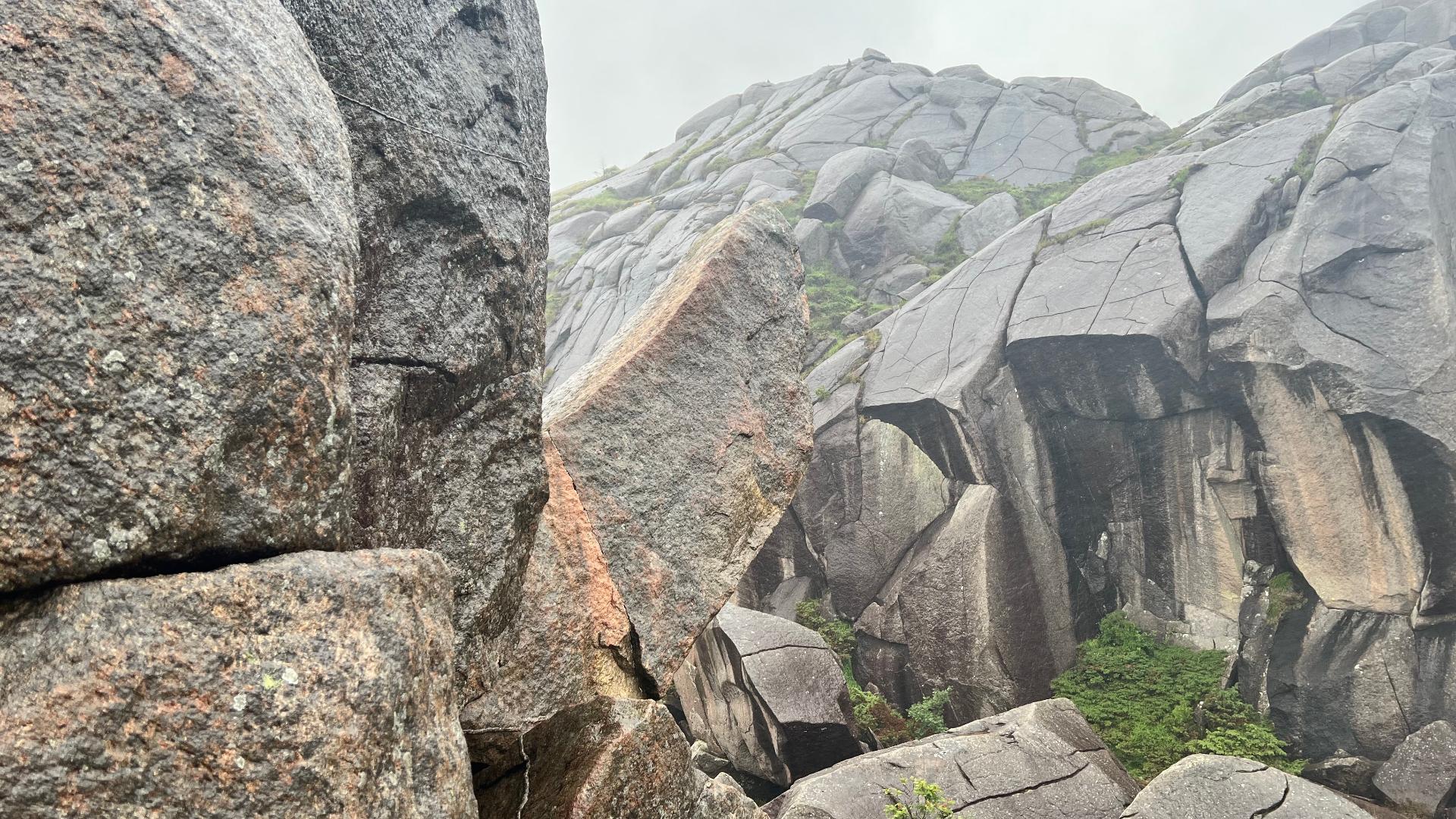
The esker sits on bedrock of anorthosite, a pale, coarse-grained rock formed 930 million years ago, making the Dalane district one of the key areas in Magma UNESCO Global Geopark. An information board at the site explains both the geological formation process and the legend. The ridge is accessible from the road between Hellvik and Hauge i Dalane.
Local legend provides a different explanation. King Olav, later St. Olav, was sailing past Eigersund when the Midgardsormen, the Midgard Serpent from Norse mythology, rose from the sea. Olav killed the beast with his bare hands and threw its body ashore, where it turned to stone. The serpent-like ridge has been called St. Olavsormen ever since. The legend connects the Christian king to the old Norse mythological world, a common pattern in Norwegian folk tradition where saints inherit the deeds of pre-Christian heroes.
The esker sits on bedrock of anorthosite, a pale, coarse-grained rock formed 930 million years ago, making the Dalane district one of the key areas in Magma UNESCO Global Geopark. An information board at the site explains both the geological formation process and the legend. The ridge is accessible from the road between Hellvik and Hauge i Dalane.