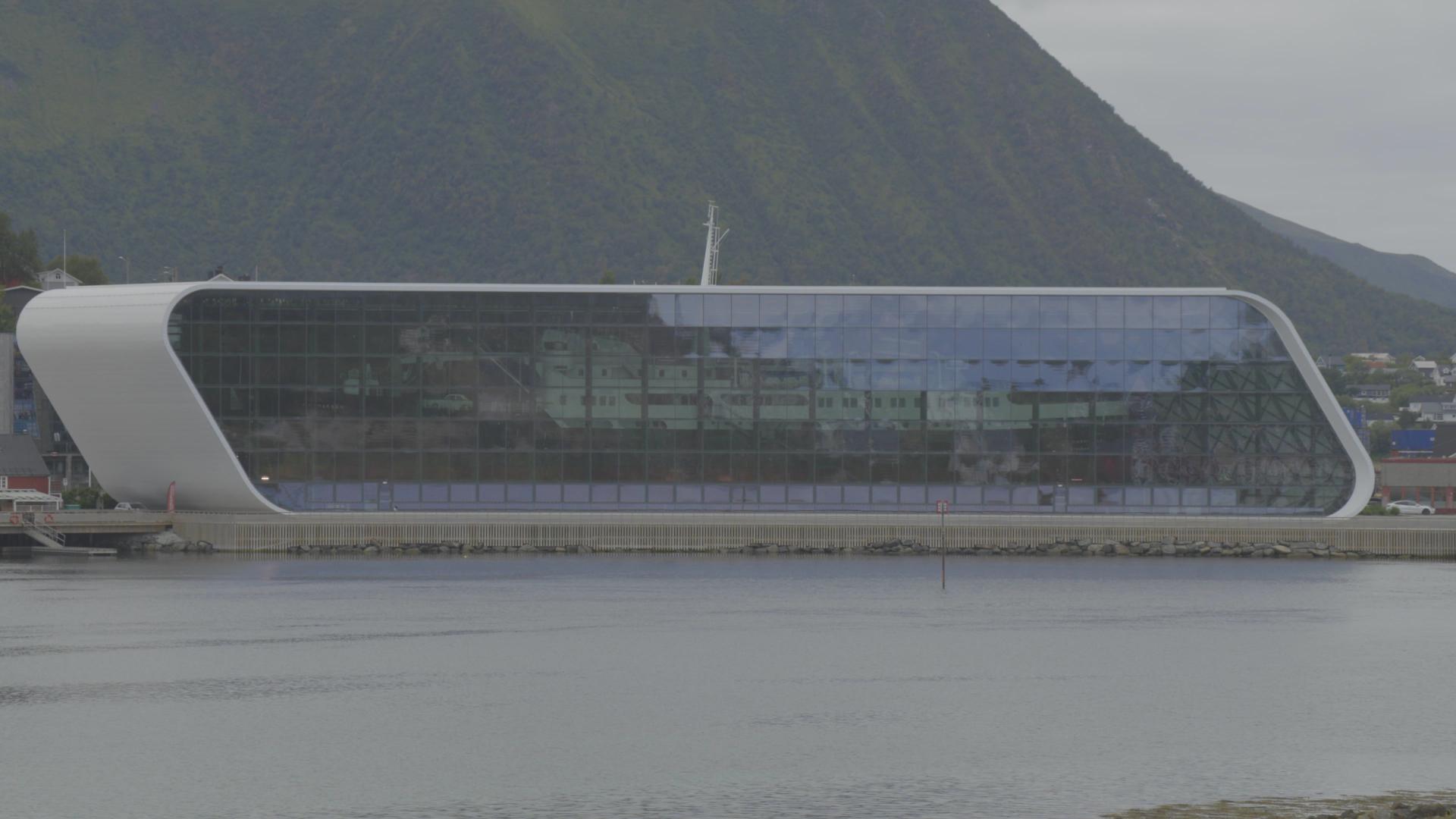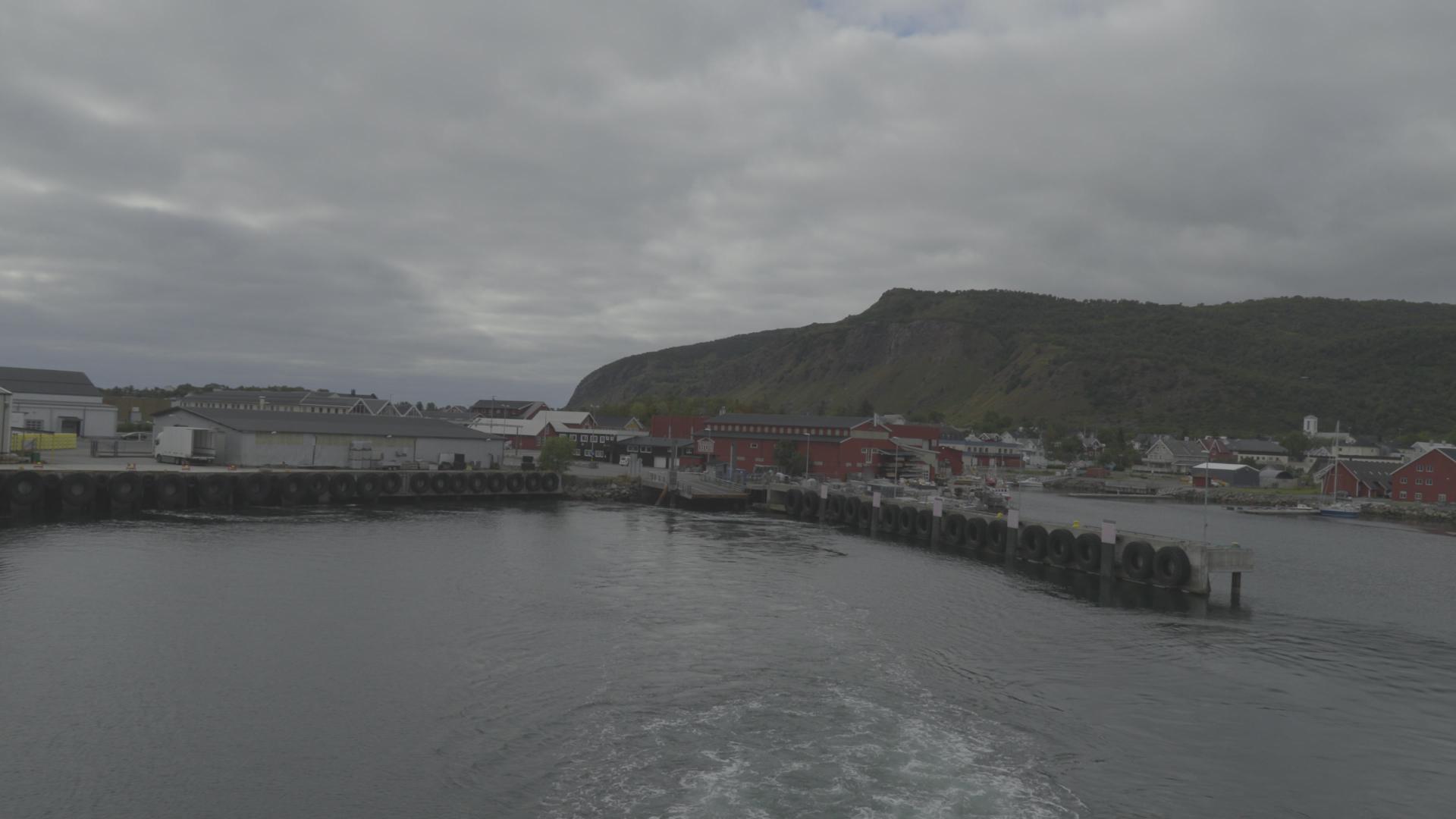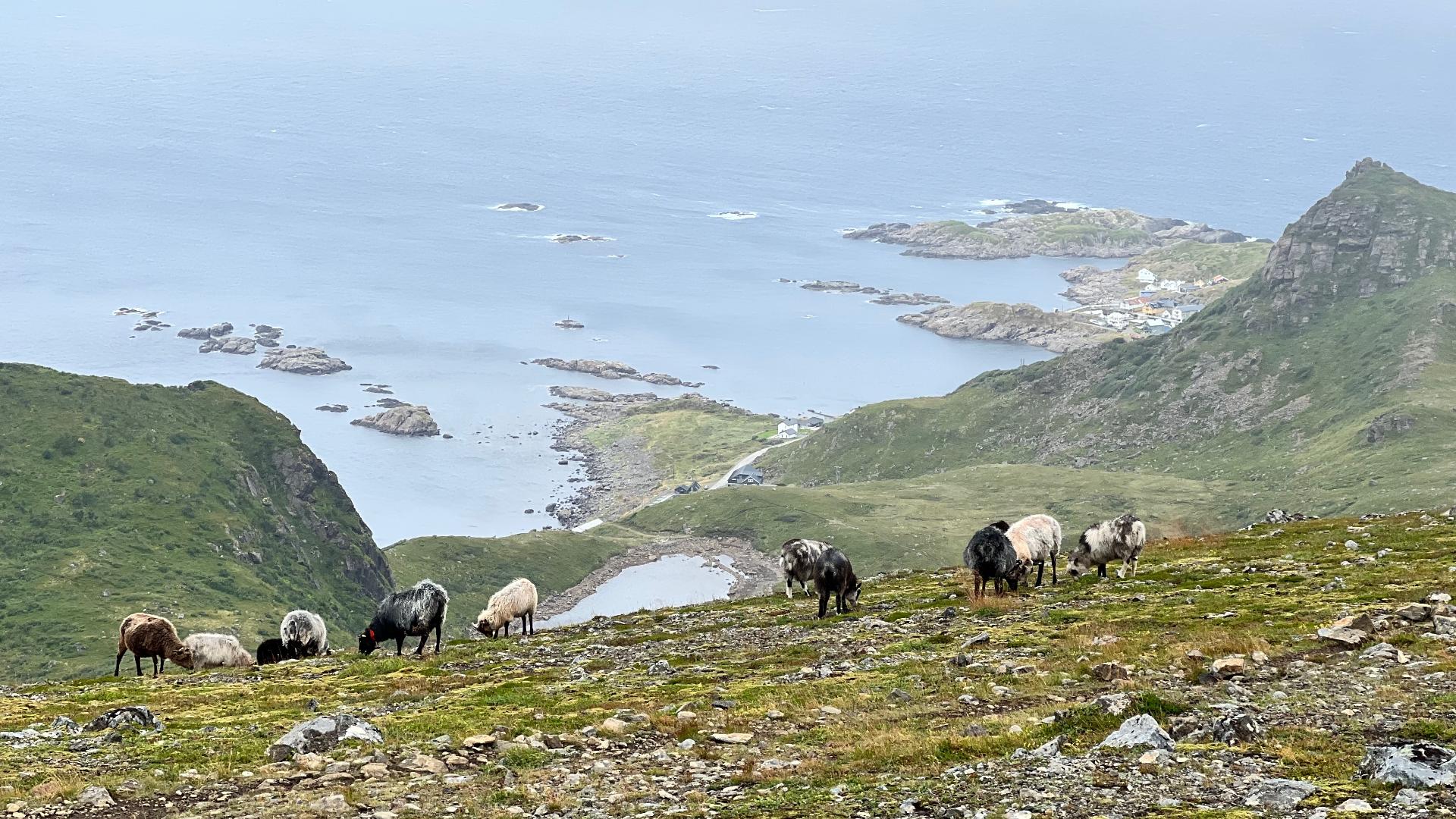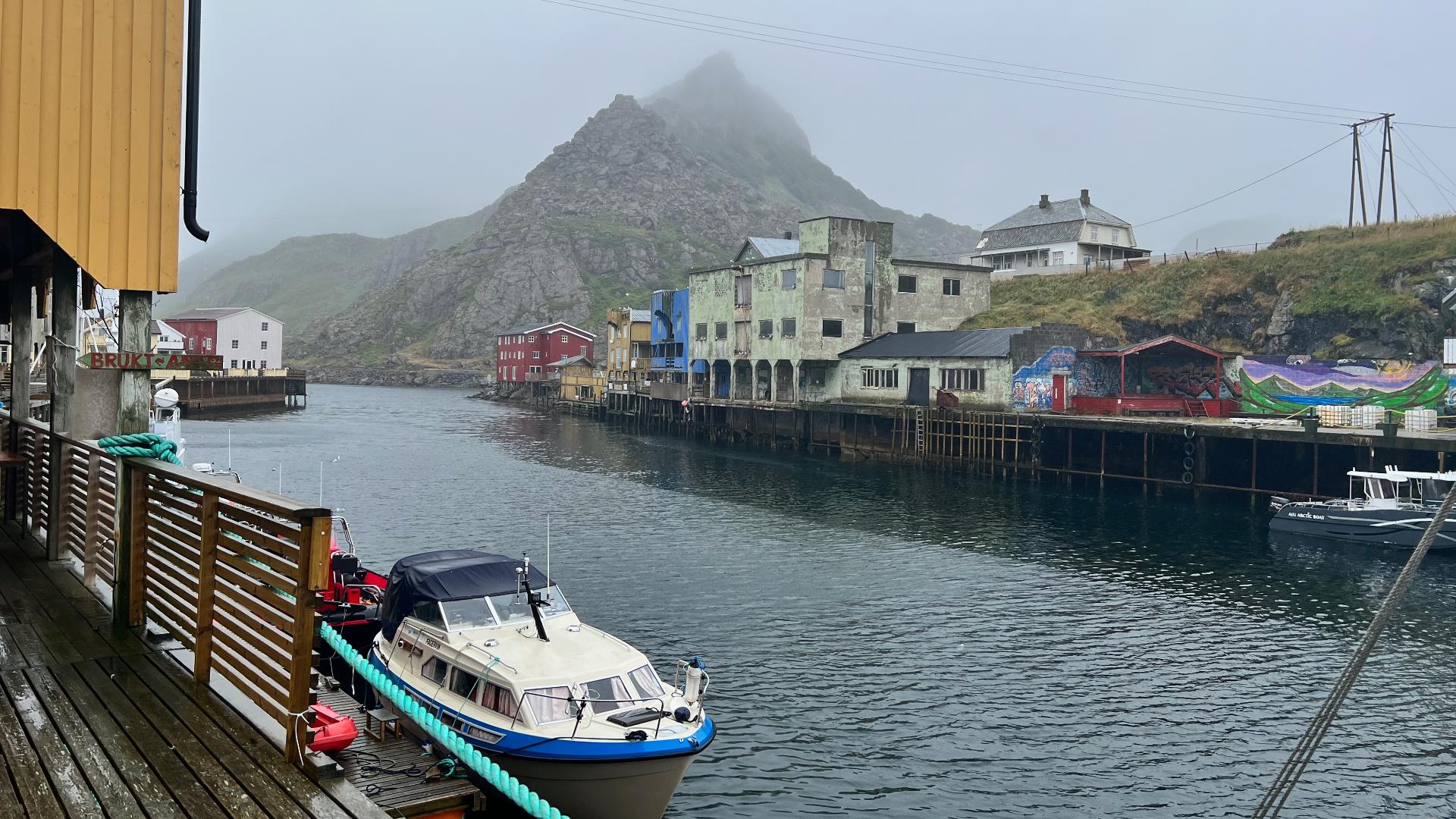
Sortland is the largest town in Vesterålen and the administrative centre of the archipelago. More than 10,000 people live in the municipality, with over half in the town itself. The place was first mentioned in documents in 1370, when a church was noted here. After that, not much happened until the town grew considerably after the Second World War.
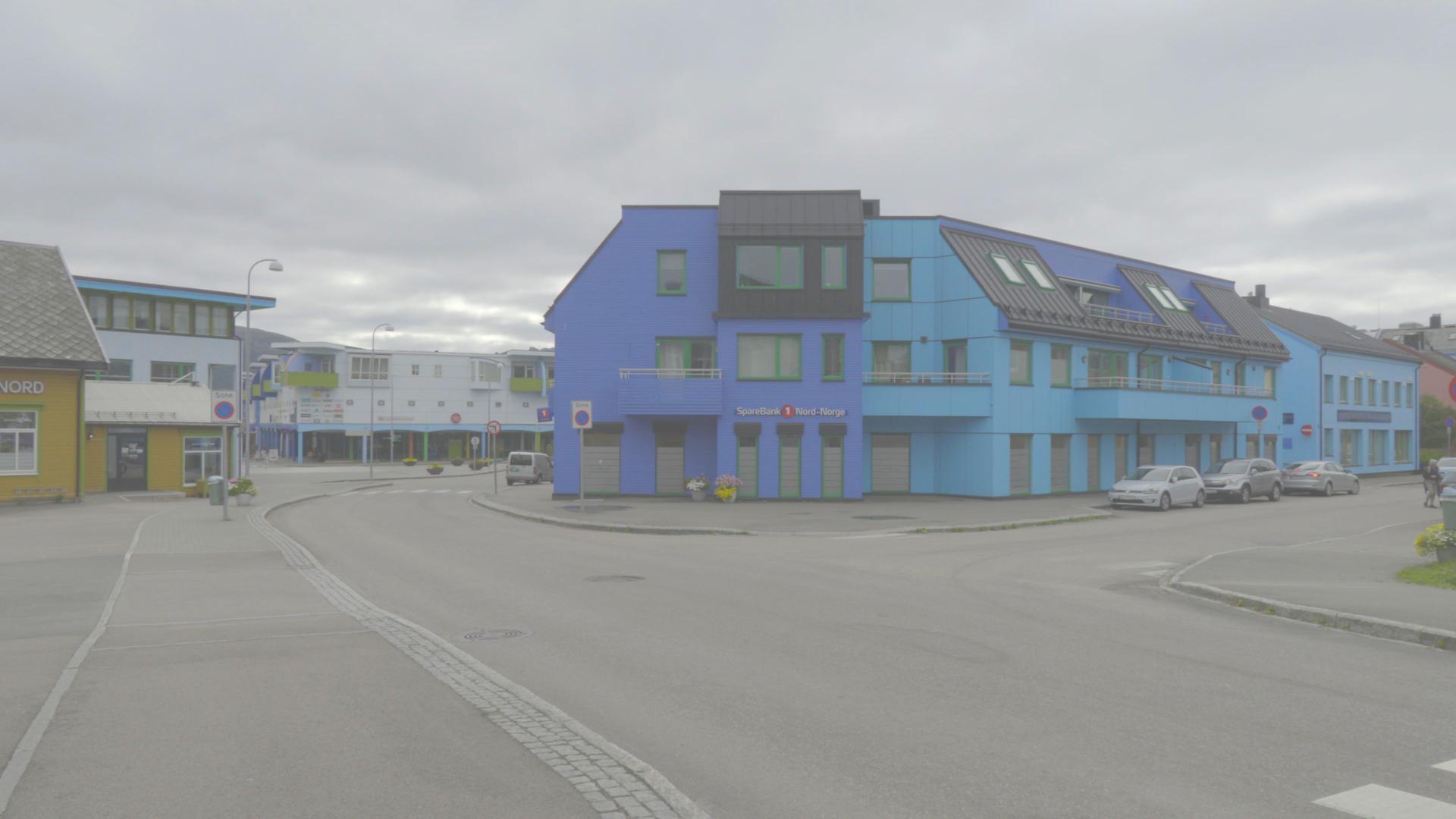
Today Sortland is known as the Blue City. In 1999, artist Bjørn Elvenes proposed the project to the municipality. It was well received and work began. But in 2001, a dispute broke out between Elvenes and the municipality over the artistic direction and copyrights. Both parties continued with their own versions of the project. It was completed in 2006 and generally well received. The neighbouring town of Stokmarknes envied Sortland and thought they should have done it themselves.
The project is more than just blue buildings. Most of them also have poems and quotations painted on them. One building that caused some controversy reads: "2150, Sea level when your great-grandchildren will be in school." The actual sea level is marked with blue paint lower on the building, not where the text is written.
The biggest landmark besides the blue buildings is the huge bridge over Sortlandsundet. It is high enough for the Hurtigruten ships to pass under. The northbound ship passes Sortland at three in the morning, and the southbound ship at half past twelve in the afternoon. Next to the bridge is the base of the Norwegian Coast Guard.
Above town is Sortlandmarka, a large recreational area where Norwegians go hiking and skiing. It is mostly used by locals, and tourists rarely venture there.
Sortland has a large bus station in the centre with connections to various destinations across Vesterålen and Lofoten. The closest airport is in Stokmarknes, but most people fly to Evenes, which has direct flights to Oslo and is much cheaper. The centre can be seen in about an hour. It is also cheaper to stay here than in more touristy places nearby like Nyksund.
Today Sortland is known as the Blue City. In 1999, artist Bjørn Elvenes proposed the project to the municipality. It was well received and work began. But in 2001, a dispute broke out between Elvenes and the municipality over the artistic direction and copyrights. Both parties continued with their own versions of the project. It was completed in 2006 and generally well received. The neighbouring town of Stokmarknes envied Sortland and thought they should have done it themselves.
The project is more than just blue buildings. Most of them also have poems and quotations painted on them. One building that caused some controversy reads: "2150, Sea level when your great-grandchildren will be in school." The actual sea level is marked with blue paint lower on the building, not where the text is written.
The biggest landmark besides the blue buildings is the huge bridge over Sortlandsundet. It is high enough for the Hurtigruten ships to pass under. The northbound ship passes Sortland at three in the morning, and the southbound ship at half past twelve in the afternoon. Next to the bridge is the base of the Norwegian Coast Guard.
Above town is Sortlandmarka, a large recreational area where Norwegians go hiking and skiing. It is mostly used by locals, and tourists rarely venture there.
Sortland has a large bus station in the centre with connections to various destinations across Vesterålen and Lofoten. The closest airport is in Stokmarknes, but most people fly to Evenes, which has direct flights to Oslo and is much cheaper. The centre can be seen in about an hour. It is also cheaper to stay here than in more touristy places nearby like Nyksund.