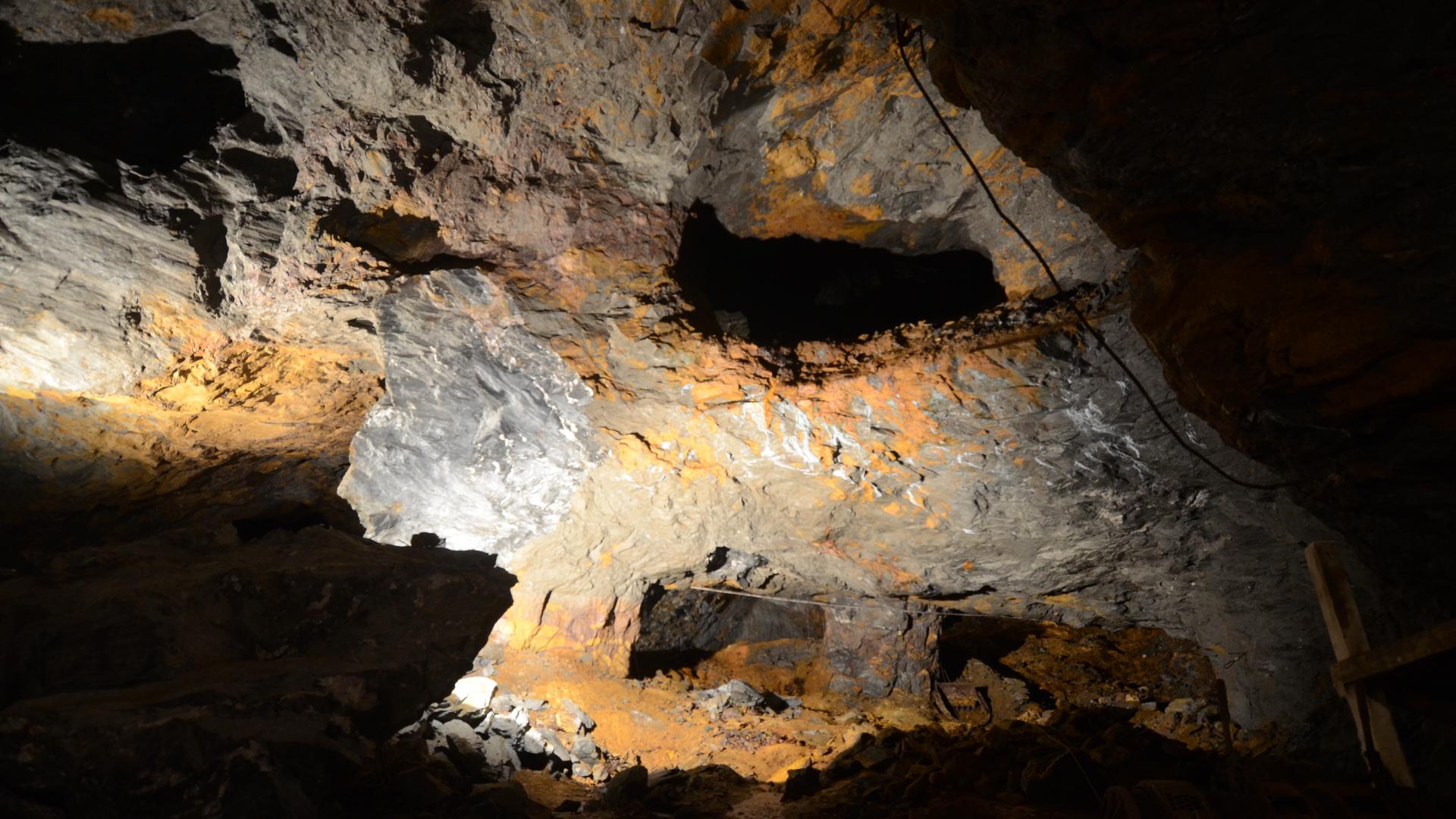
Røros exists because of a reindeer. According to legend, a hunter shot a deer in 1644, and as it fled wounded through the moss, its hooves scraped bare a shiny rock underneath: copper ore. The Danish-Norwegian Crown granted mining privileges and drew a circle around the area called the Circumference: everything inside it, every tree, every waterfall, every person's labour, belonged to the copper works. For 333 years the mines operated, through freezing winters where temperatures dropped below minus 50 degrees, through a Swedish invasion that burned the entire town to the ground in 1679, and through centuries of backbreaking work underground. The copper works finally went bankrupt in 1977.
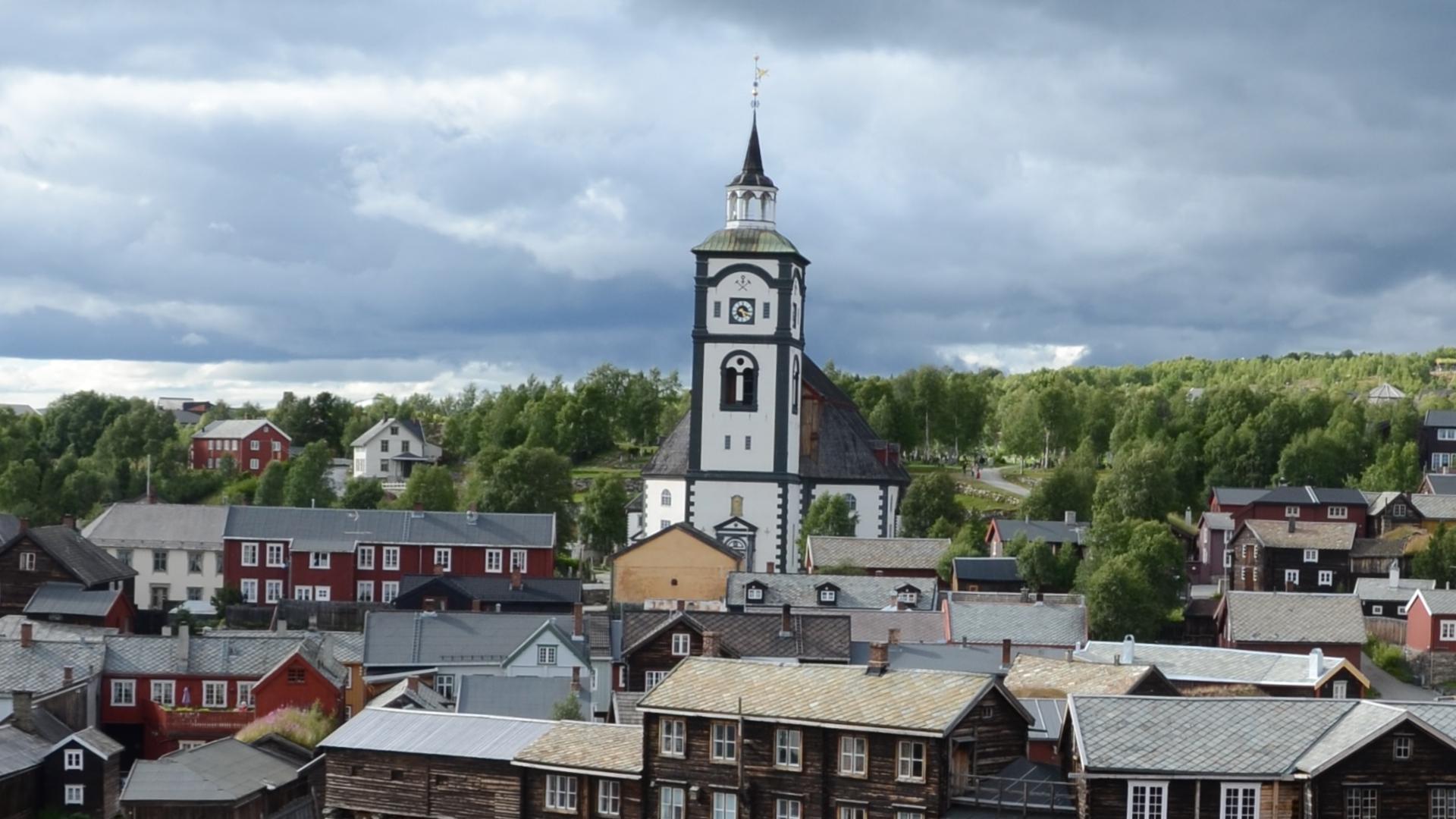
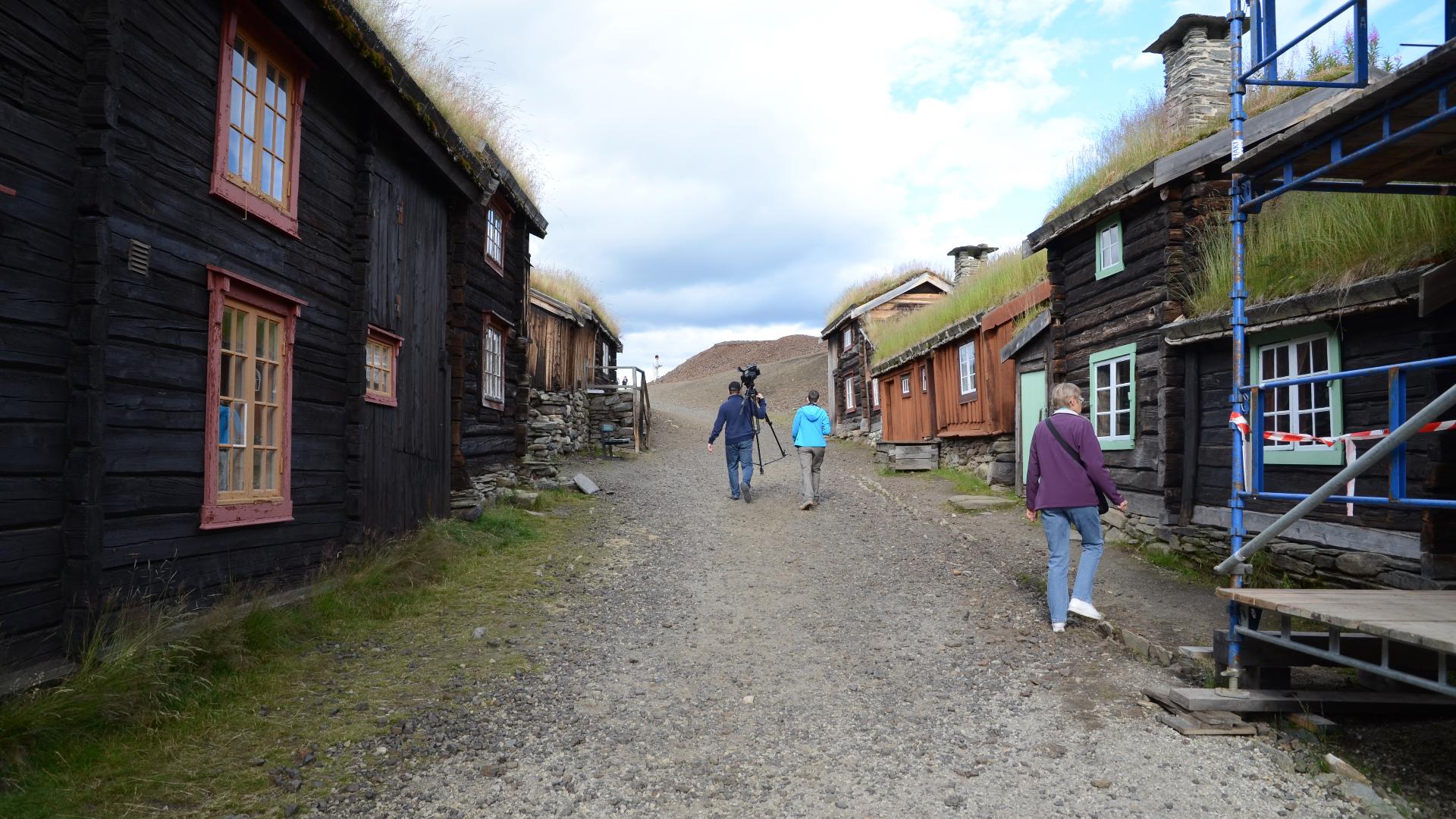
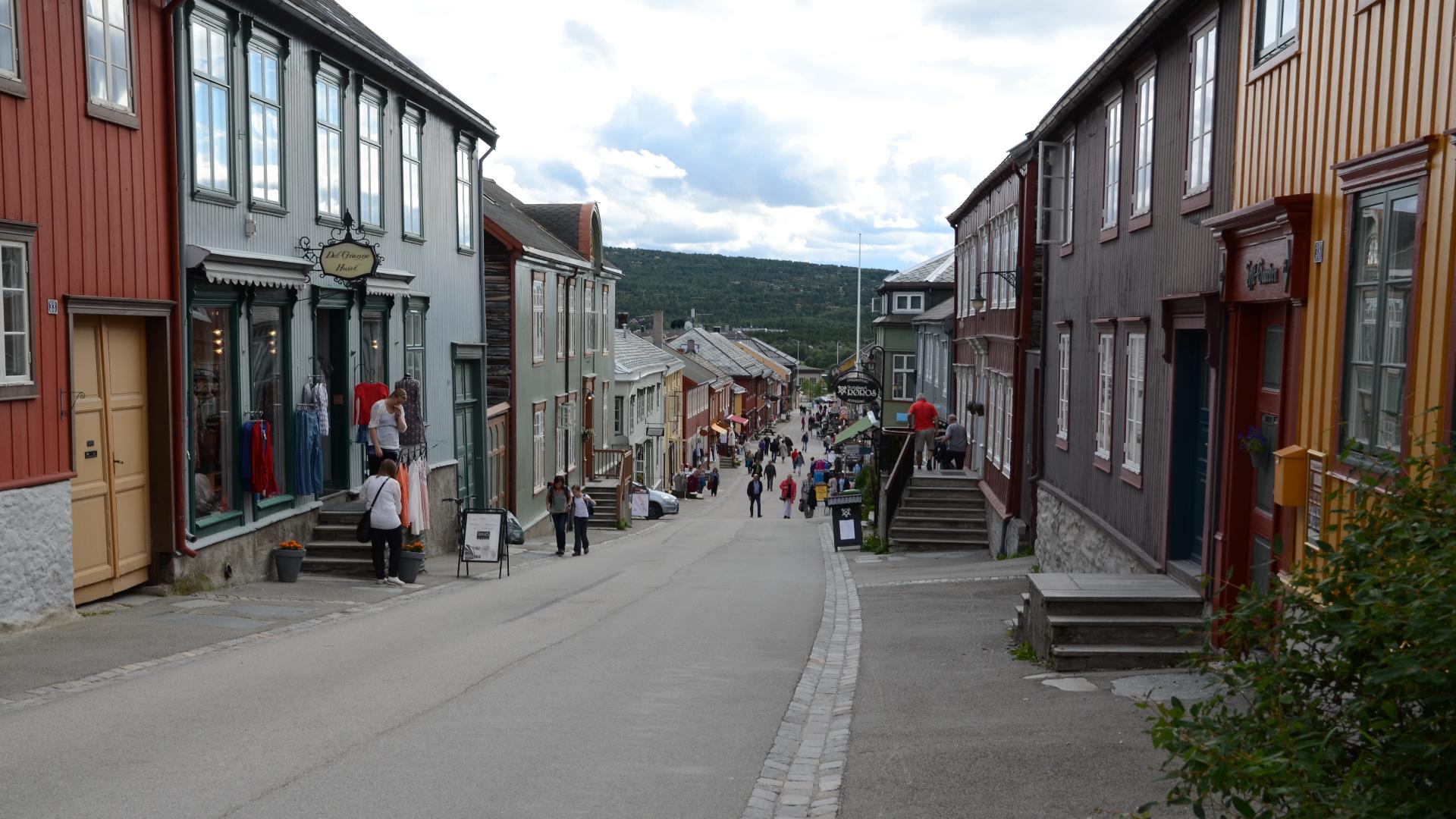
What survived is remarkable. About 2,000 wooden houses from the 17th to 19th centuries still stand, many of them lived in and worked in today. The dark, tarred miners' houses along Sleggveien and the grander directors' residences around the church square tell the story of a town where class divisions were built into the architecture. Bergstadens Ziir, the stone church completed in 1784, seats 1,600 people, making it one of the largest in Norway. The copper works paid for it: 23,000 Riksdaler, equivalent to the combined annual salary of 425 miners. UNESCO added Røros to the World Heritage List in 1980, and expanded the listing in 2010 to include the Circumference and the surrounding cultural landscape.
Røros has reinvented itself around food and craft. Rørosmeieriet, the local dairy cooperative, produces butter and sour cream using traditional cultured methods that have won international recognition. The annual Christmas market, held since 1854, draws tens of thousands of visitors to the wooden streets in early December. The town also has a Sami community with deep roots in reindeer herding across the surrounding mountains. Winter here is not a season but a state of being: Røros holds the southern Norwegian cold record at minus 50.4 degrees Celsius, measured on 13 January 1914.
What survived is remarkable. About 2,000 wooden houses from the 17th to 19th centuries still stand, many of them lived in and worked in today. The dark, tarred miners' houses along Sleggveien and the grander directors' residences around the church square tell the story of a town where class divisions were built into the architecture. Bergstadens Ziir, the stone church completed in 1784, seats 1,600 people, making it one of the largest in Norway. The copper works paid for it: 23,000 Riksdaler, equivalent to the combined annual salary of 425 miners. UNESCO added Røros to the World Heritage List in 1980, and expanded the listing in 2010 to include the Circumference and the surrounding cultural landscape.
Røros has reinvented itself around food and craft. Rørosmeieriet, the local dairy cooperative, produces butter and sour cream using traditional cultured methods that have won international recognition. The annual Christmas market, held since 1854, draws tens of thousands of visitors to the wooden streets in early December. The town also has a Sami community with deep roots in reindeer herding across the surrounding mountains. Winter here is not a season but a state of being: Røros holds the southern Norwegian cold record at minus 50.4 degrees Celsius, measured on 13 January 1914.