The island of Tysnes is named after two Norse gods, and Onarheim is why.
Until around 1530, the island was called Njardarløg, meaning "Njord's domain" - named after the Norse god of the sea, fishing, and wealth. When the Reformation made pagan names unacceptable, the island was renamed after a different headland: Tysnes, meaning "Tyr's headland." They swapped one pagan god for another without apparently noticing.
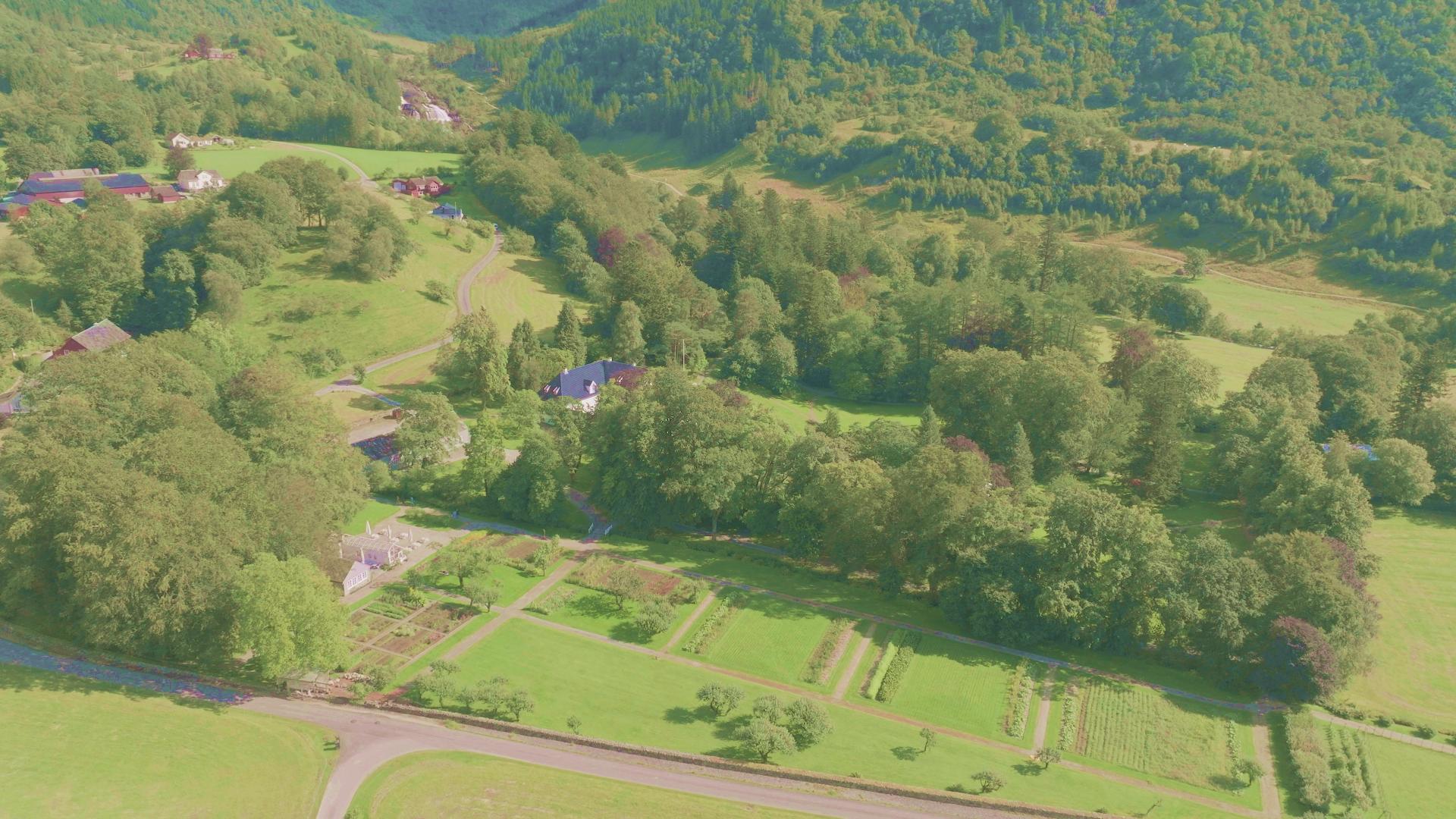
Onarheim was the centre of power on this island for centuries. It was a chieftain's seat in prehistory and likely served as an early assembly site for the Gulatinget, the law court of western Norway, before it moved to Gulen around 950. The surrounding landscape is full of sacred place names: Ve (holy place), Helgastein (holy rock), Godøy (god's island), and Vevatnet (holy lake), suggesting a major pre-Christian cult site.
A stone church was built here in the late 1100s, probably on top of the old pagan gathering site. The current Onarheim church dates from 1893. In the Middle Ages, the Onarheimsgildet guild gathered people from across western Norway every Olsok (29 July) for celebration.
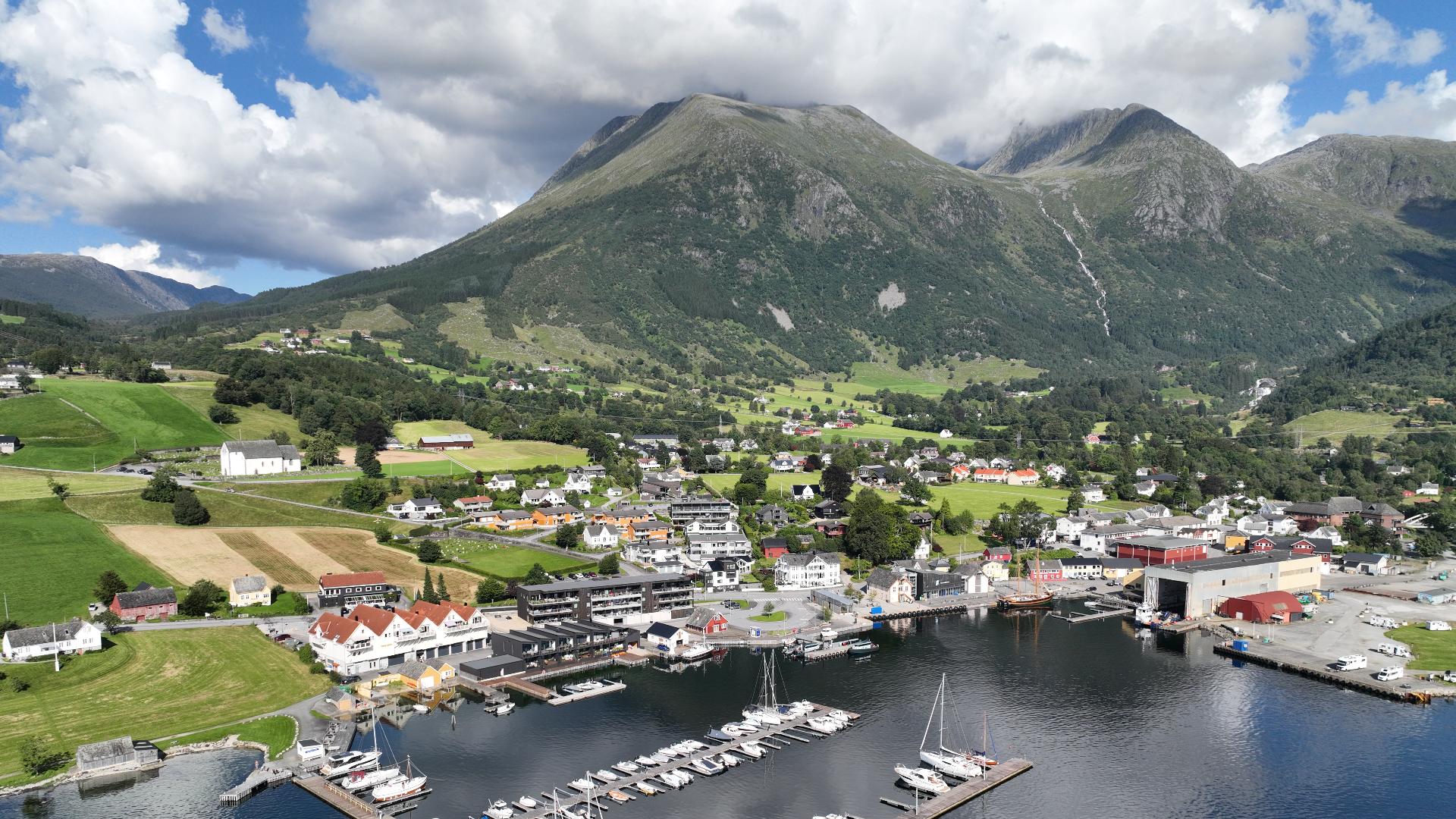
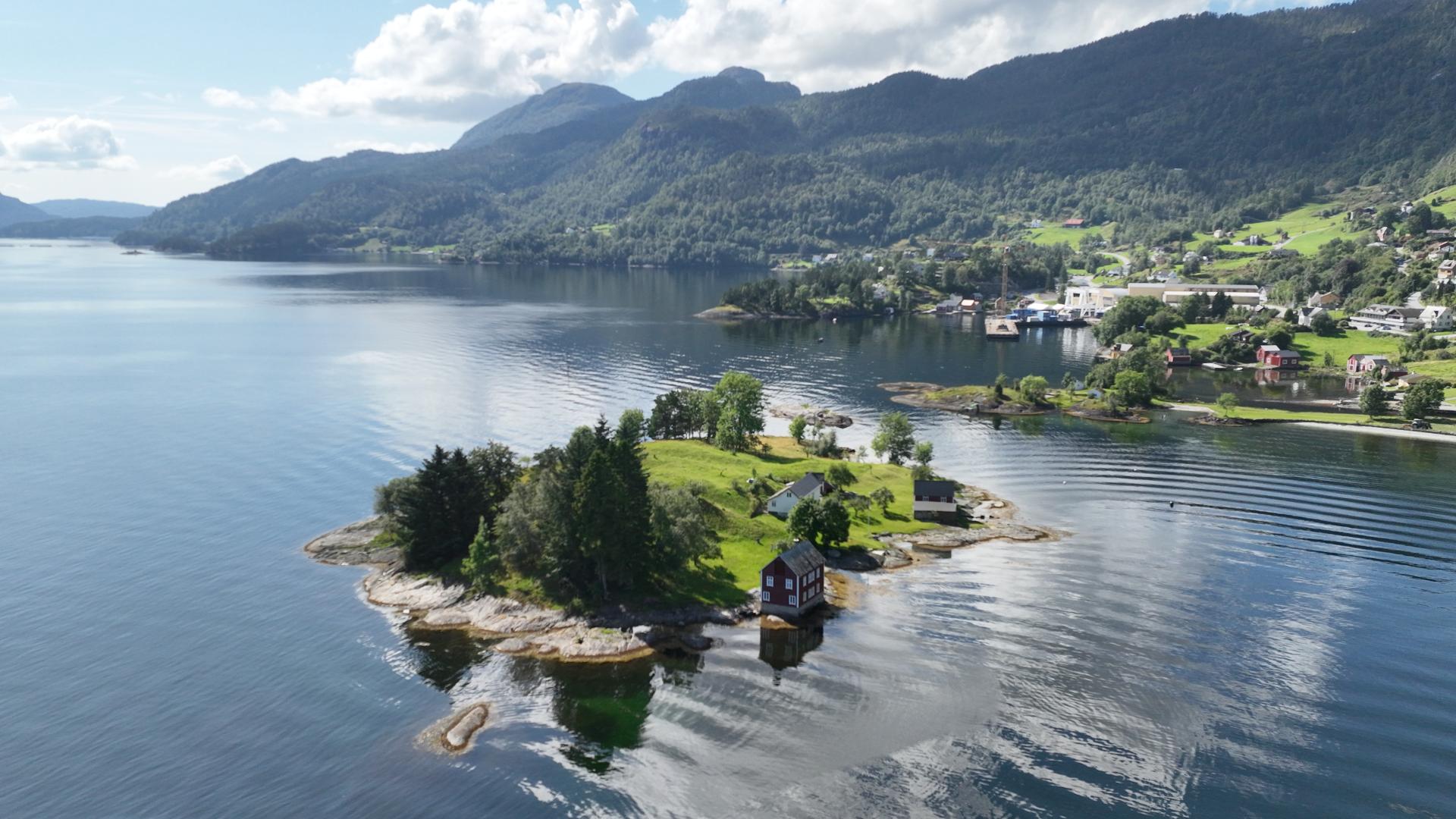
The village today is small and quiet, on the southeastern shore of Tysnesøya facing the Hardangerfjord. The layers of history here are invisible unless you know what to look for.
Until around 1530, the island was called Njardarløg, meaning "Njord's domain" - named after the Norse god of the sea, fishing, and wealth. When the Reformation made pagan names unacceptable, the island was renamed after a different headland: Tysnes, meaning "Tyr's headland." They swapped one pagan god for another without apparently noticing.
Onarheim was the centre of power on this island for centuries. It was a chieftain's seat in prehistory and likely served as an early assembly site for the Gulatinget, the law court of western Norway, before it moved to Gulen around 950. The surrounding landscape is full of sacred place names: Ve (holy place), Helgastein (holy rock), Godøy (god's island), and Vevatnet (holy lake), suggesting a major pre-Christian cult site.
A stone church was built here in the late 1100s, probably on top of the old pagan gathering site. The current Onarheim church dates from 1893. In the Middle Ages, the Onarheimsgildet guild gathered people from across western Norway every Olsok (29 July) for celebration.
The village today is small and quiet, on the southeastern shore of Tysnesøya facing the Hardangerfjord. The layers of history here are invisible unless you know what to look for.