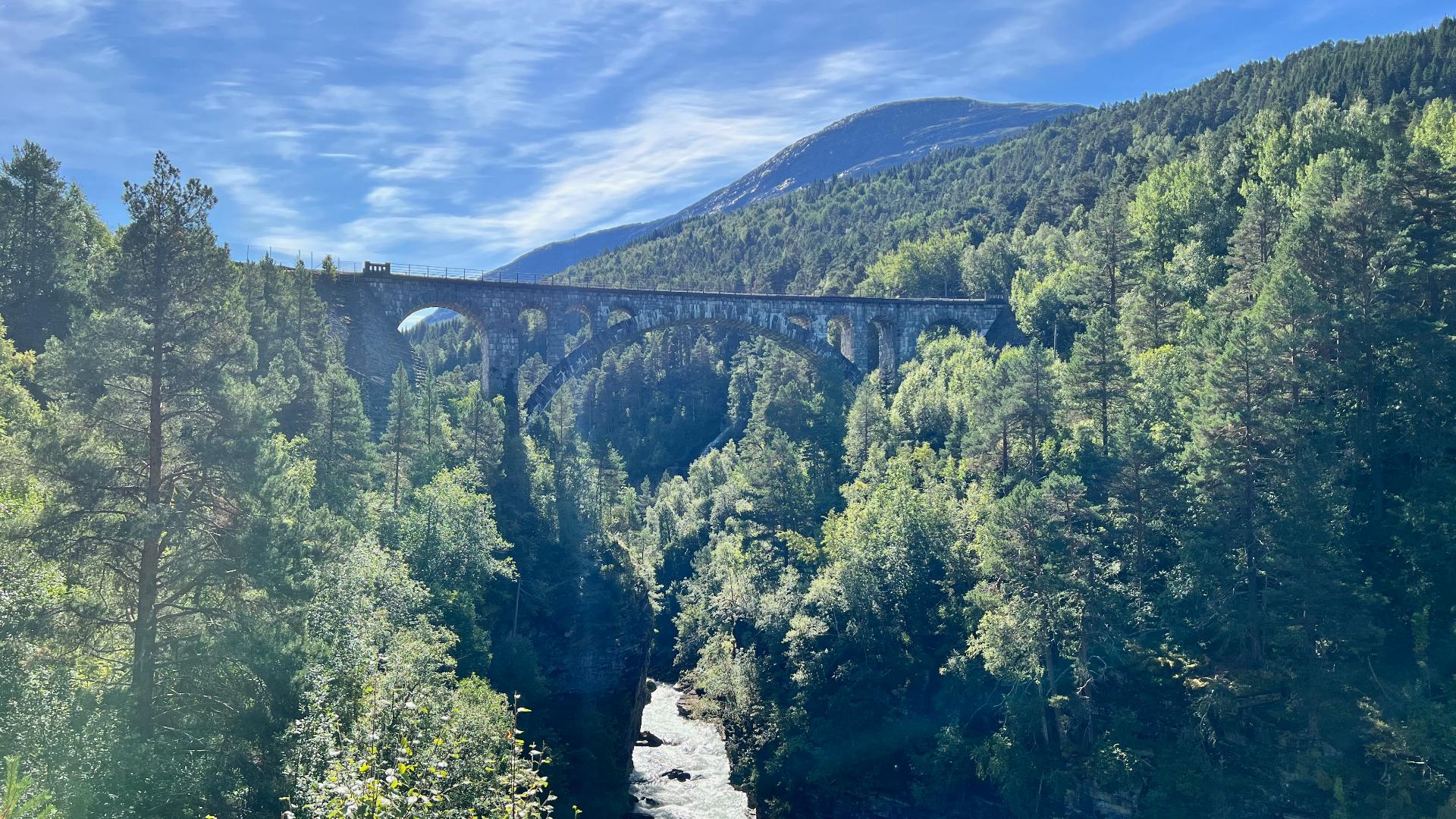
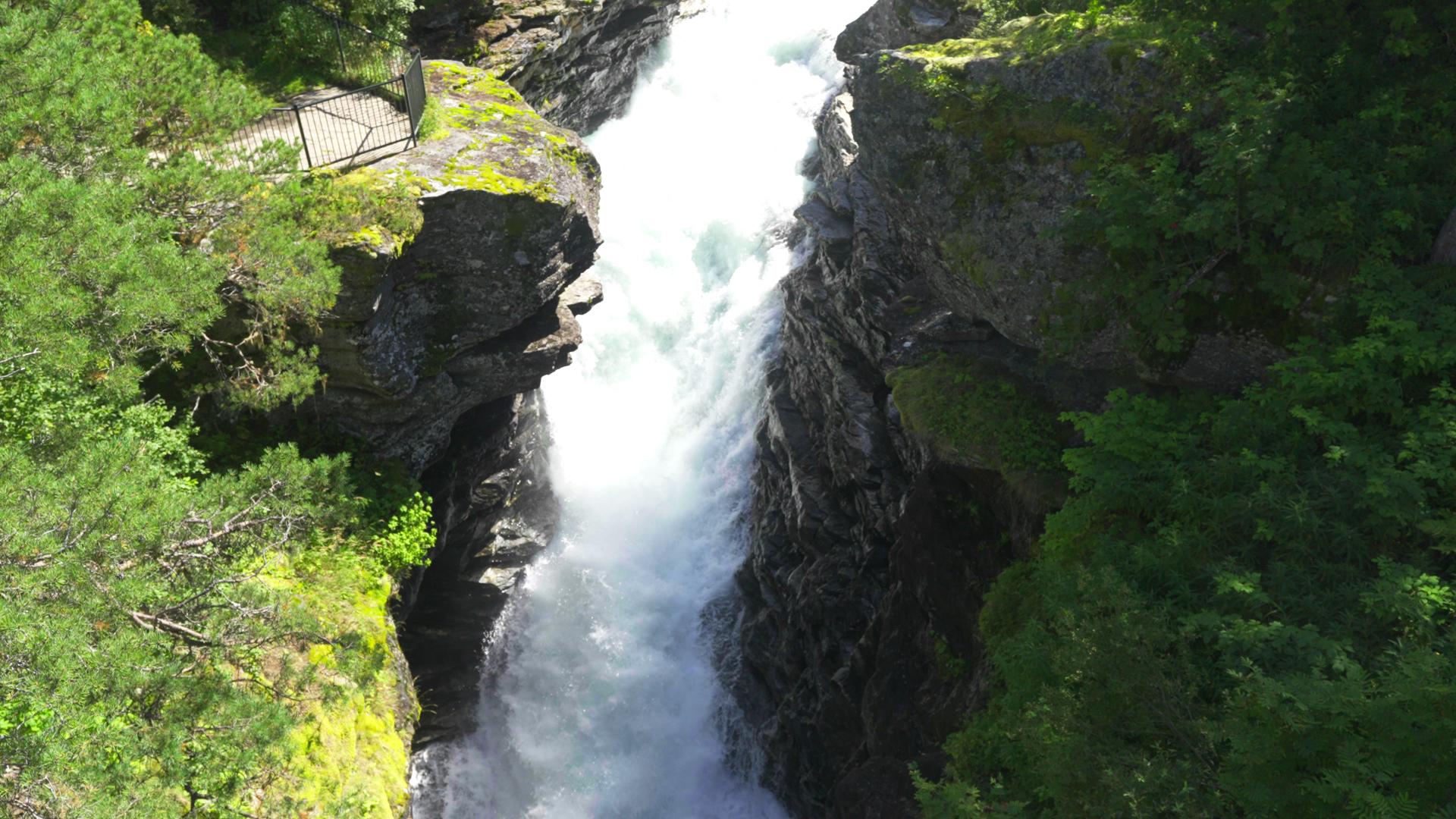
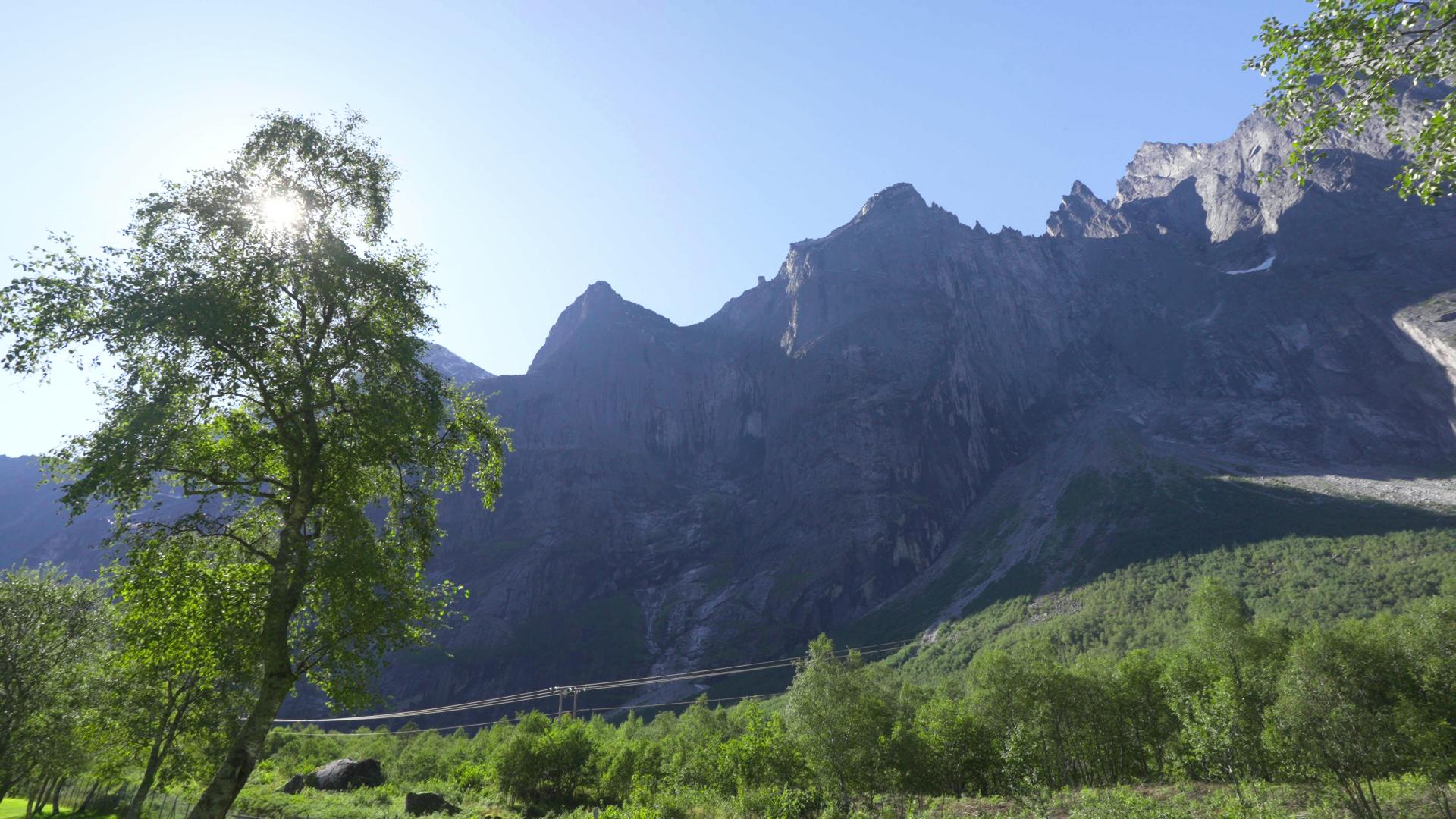
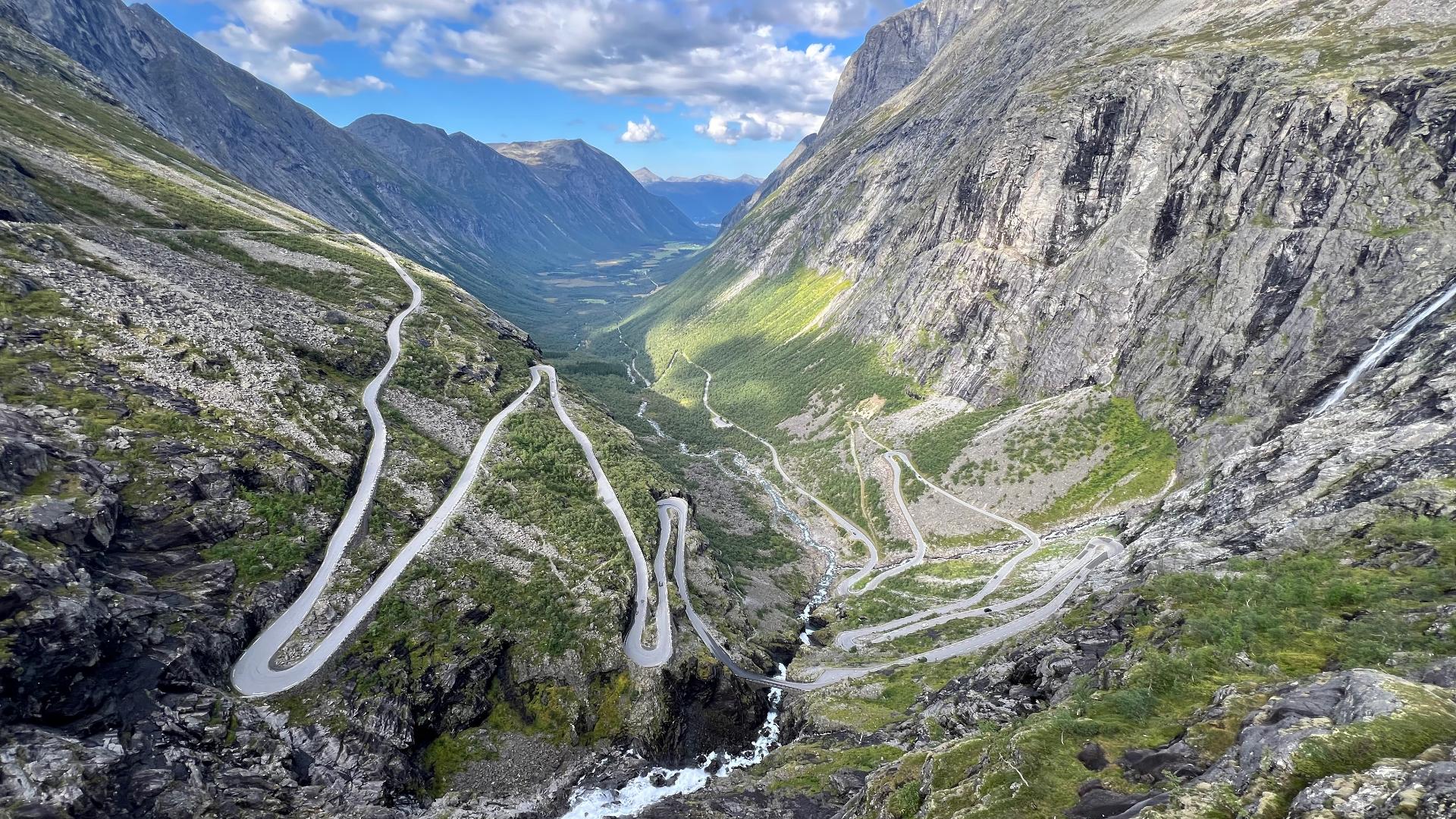
Mardalsfossen drops 655 metres in two stages down the mountainside into Eikesdalen, making it one of the tallest waterfalls in Norway and in Europe. The upper free-fall section alone is 297 metres. When it flows, the sight is genuinely spectacular, a massive column of water plunging into the valley below.
The critical detail: this waterfall only runs from 20 June to 20 August each year. The rest of the year, the water is diverted through tunnels for hydroelectric power. This seasonal arrangement exists because of one of Norway's most famous environmental battles. In 1970, a group of activists, philosophers, and mountaineers occupied the valley in what became known as the Mardøla Action, one of the first major environmental protests in Norwegian history. They lost the fight to stop the power station, but the compromise they won was remarkable: the waterfall would be released every summer so people could still experience it. Other famous Norwegian waterfalls were not so fortunate. Rjukanfossen in Telemark was sacrificed entirely when Sam Eyde harnessed it for Norsk Hydro's industrial power in 1905, and Tyssestrengene near Trolltunga in Hardanger disappeared the same way, both gone permanently with no seasonal reprieve.
The protest was a turning point. It helped launch the modern environmental movement in Norway and led to stronger protections for waterfalls and rivers nationwide. Vøringsfossen in Hardanger later received a similar summer flow agreement when the Sima power station was built, a compromise that likely would not have happened without the precedent Mardøla set. Several other major waterfalls were permanently protected as a direct result of the public debate.
The waterfall is reached via a road into Eikesdalen. A marked trail leads to viewpoints at the base. Plan your visit between late June and mid-August, or you will find nothing but dry rock.
The critical detail: this waterfall only runs from 20 June to 20 August each year. The rest of the year, the water is diverted through tunnels for hydroelectric power. This seasonal arrangement exists because of one of Norway's most famous environmental battles. In 1970, a group of activists, philosophers, and mountaineers occupied the valley in what became known as the Mardøla Action, one of the first major environmental protests in Norwegian history. They lost the fight to stop the power station, but the compromise they won was remarkable: the waterfall would be released every summer so people could still experience it. Other famous Norwegian waterfalls were not so fortunate. Rjukanfossen in Telemark was sacrificed entirely when Sam Eyde harnessed it for Norsk Hydro's industrial power in 1905, and Tyssestrengene near Trolltunga in Hardanger disappeared the same way, both gone permanently with no seasonal reprieve.
The protest was a turning point. It helped launch the modern environmental movement in Norway and led to stronger protections for waterfalls and rivers nationwide. Vøringsfossen in Hardanger later received a similar summer flow agreement when the Sima power station was built, a compromise that likely would not have happened without the precedent Mardøla set. Several other major waterfalls were permanently protected as a direct result of the public debate.
The waterfall is reached via a road into Eikesdalen. A marked trail leads to viewpoints at the base. Plan your visit between late June and mid-August, or you will find nothing but dry rock.