Loen Skylift climbs 1,011 metres from the fjord to the top of Hoven in about five minutes. The gradient hits 60 degrees at its steepest, making it one of the steepest aerial tramways in the world. At its highest point the gondola hangs 170 metres above the ground. There are two cabins, each carrying 45 passengers, built by Swiss manufacturer Garaventa.
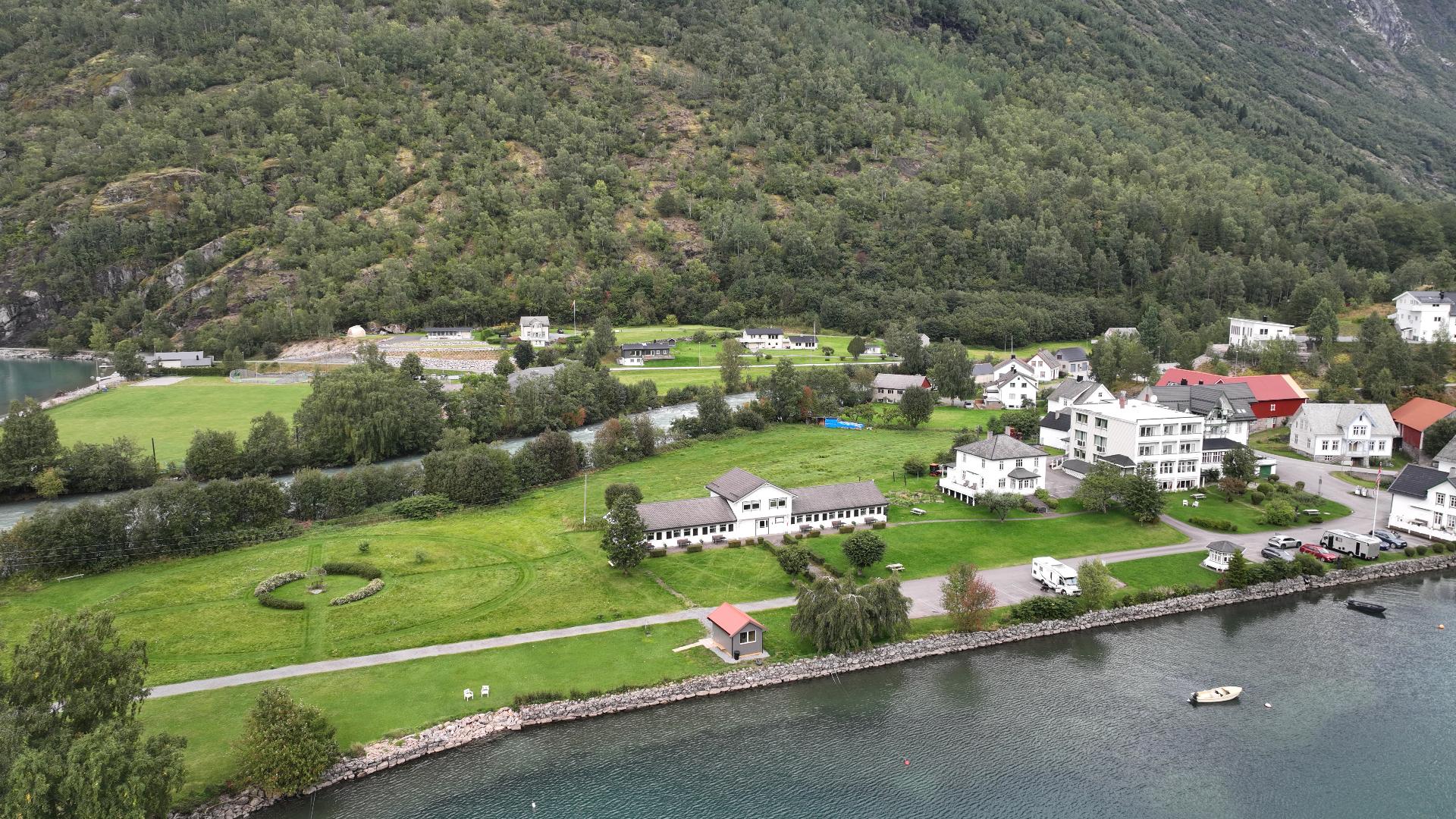
The whole thing exists because of Hotel Alexandra, the big hotel down in the village. The Loen family opened it in 1884, named it after Princess Alexandra of Denmark, and the same family still runs it, now in the fourth and fifth generation. They are also the largest shareholder in Loen Skylift AS, together with Garaventa's parent company Doppelmayr and Stryn municipality. So this is very much a local investment, not some outside corporation dropping in.
Construction started in 2015 and cost 300 million kroner. Queen Sonja opened it on 20 May 2017. There was local opposition during planning, but at the opening the Queen responded: not everyone can walk up the mountain, so it is good that more people get to enjoy the view. It was an immediate hit. The owners expected 55,000 visitors that first year. They got 92,000. Local businesses in Loen saw an 80 percent revenue increase. Bergens Tidende has called it one of the biggest money machines in Norwegian tourism.
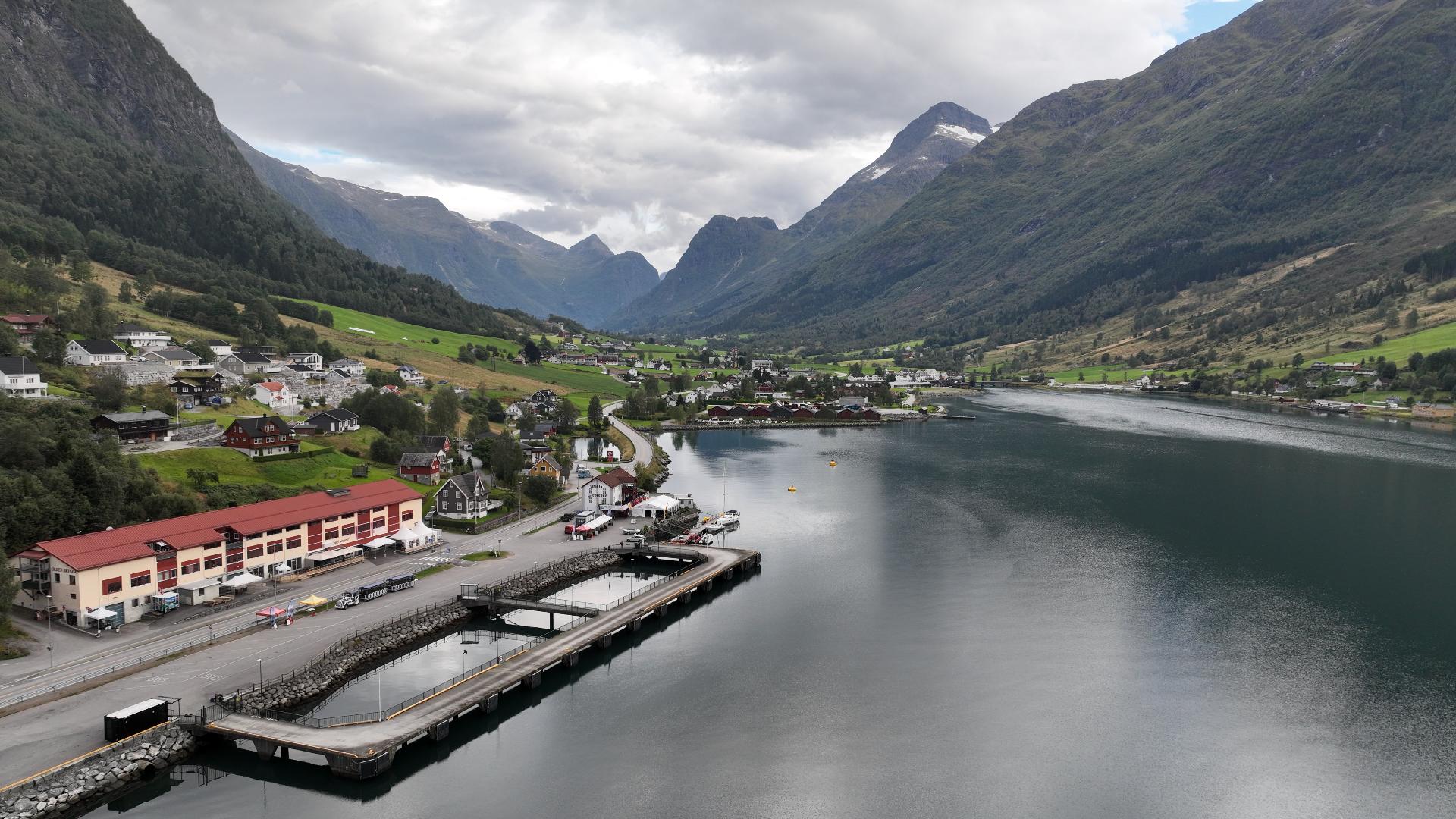
There is a catch though. When cruise ships are docked in Olden, the skylift gets very busy. Queues of an hour or more are common around midday, and they sometimes stop selling tickets altogether. If you are visiting on a cruise ship day, go early morning or late afternoon. The operators try to limit ticket sales to keep waits under an hour, but on peak days that does not always work.
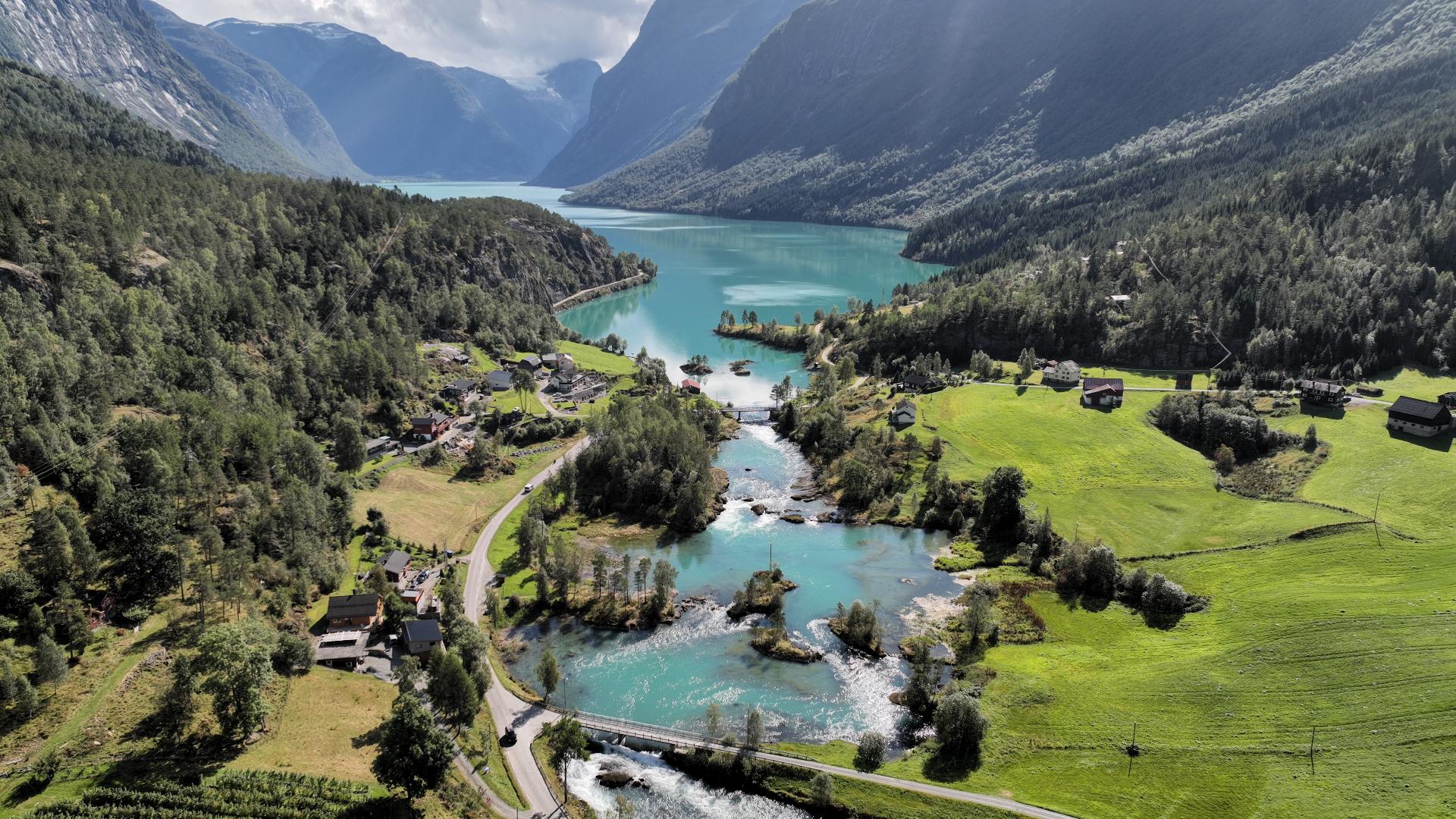
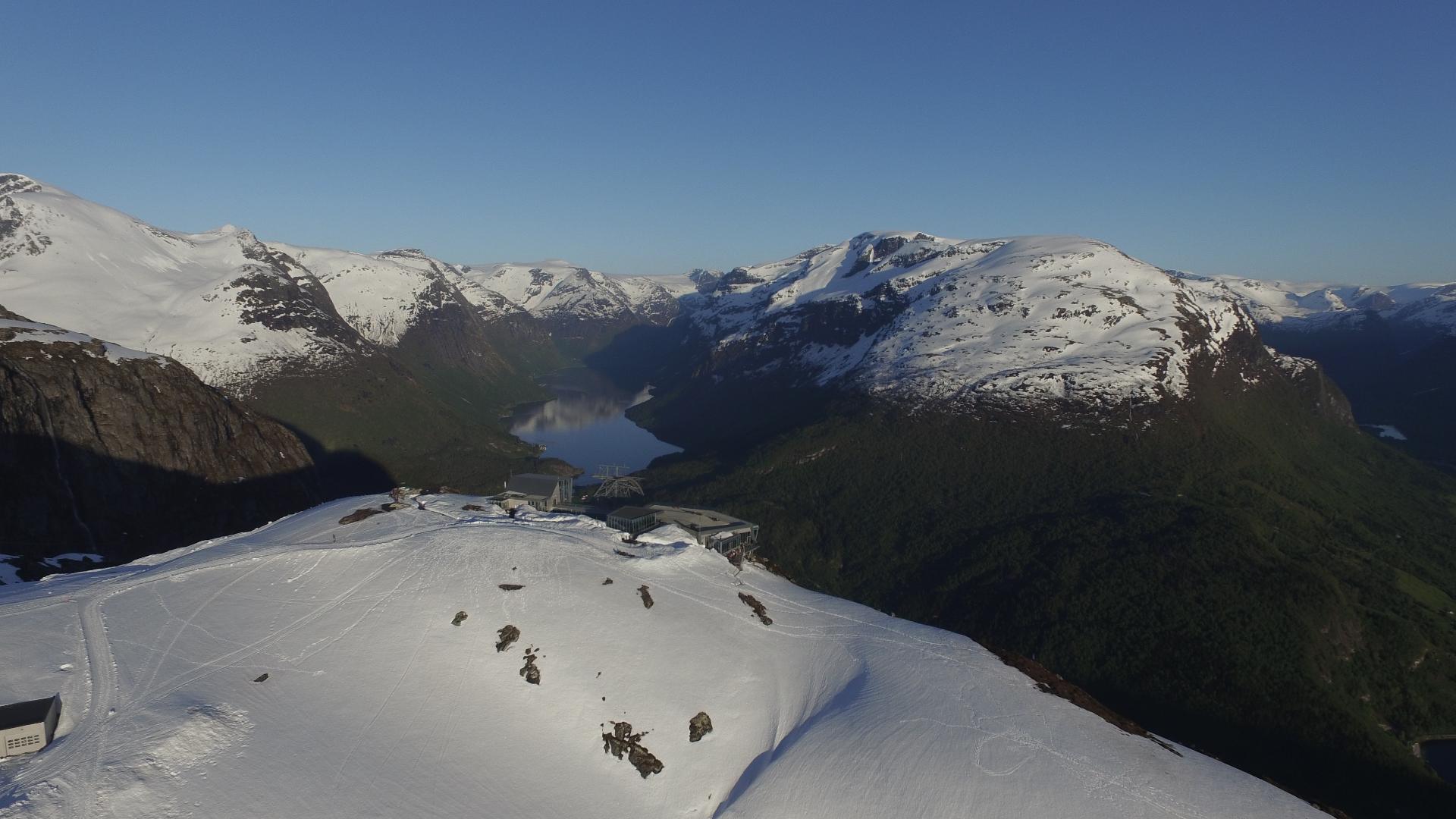
Up top there is a restaurant shaped like an amphitheatre with seating for 370, a bar, and views that stretch across the fjord, the glacier, and Lovatnet. There are hiking trails for all levels. Via Ferrata Loen, which opened in 2012, takes you up a climbing route secured with steel wire that includes the Gjølmunnebrua, a 120-metre suspension bridge crossing a gorge 750 metres above sea level, the longest via ferrata bridge in Europe. Loen has also become popular with paragliders who take the skylift up and fly from the summit, landing near the village, so they can do many flights in a day.
The success of Loen Skylift has had consequences beyond Nordfjord. It triggered what the Norwegian media calls gondola fever. Romsdalsgondolen in Åndalsnes opened in 2020 and sold 106,000 tickets last year. As of 2025, at least seven more gondola projects are being planned across Norway, from Odda to Mosjøen, from Flåm to Sunnmøre. Not everyone is happy about it. The Norwegian Trekking Association has been critical, and a proposed gondola to the edge of Jostedalsbreen national park has sparked real opposition. Critics argue that Norway's unique selling point is untouched nature, and that building gondolas everywhere will destroy exactly what tourists come to see. A researcher at Vestlandsforsking borrowed a term from the Alps: landscape eating. Even the mountaineer Stein P. Aasheim called the Åndalsnes gondola a fairground ride on a mountain that people were already perfectly capable of walking up.
The debate is worth knowing about, because it is genuinely unresolved. But Loen Skylift itself works. Hoven was, as one local opponent of other gondola projects put it quite honestly, an insignificant mountain where nobody but sheep farmers went before. The cable car gave it a purpose, and the village an economy.
The whole thing exists because of Hotel Alexandra, the big hotel down in the village. The Loen family opened it in 1884, named it after Princess Alexandra of Denmark, and the same family still runs it, now in the fourth and fifth generation. They are also the largest shareholder in Loen Skylift AS, together with Garaventa's parent company Doppelmayr and Stryn municipality. So this is very much a local investment, not some outside corporation dropping in.
Construction started in 2015 and cost 300 million kroner. Queen Sonja opened it on 20 May 2017. There was local opposition during planning, but at the opening the Queen responded: not everyone can walk up the mountain, so it is good that more people get to enjoy the view. It was an immediate hit. The owners expected 55,000 visitors that first year. They got 92,000. Local businesses in Loen saw an 80 percent revenue increase. Bergens Tidende has called it one of the biggest money machines in Norwegian tourism.
There is a catch though. When cruise ships are docked in Olden, the skylift gets very busy. Queues of an hour or more are common around midday, and they sometimes stop selling tickets altogether. If you are visiting on a cruise ship day, go early morning or late afternoon. The operators try to limit ticket sales to keep waits under an hour, but on peak days that does not always work.
Up top there is a restaurant shaped like an amphitheatre with seating for 370, a bar, and views that stretch across the fjord, the glacier, and Lovatnet. There are hiking trails for all levels. Via Ferrata Loen, which opened in 2012, takes you up a climbing route secured with steel wire that includes the Gjølmunnebrua, a 120-metre suspension bridge crossing a gorge 750 metres above sea level, the longest via ferrata bridge in Europe. Loen has also become popular with paragliders who take the skylift up and fly from the summit, landing near the village, so they can do many flights in a day.
The success of Loen Skylift has had consequences beyond Nordfjord. It triggered what the Norwegian media calls gondola fever. Romsdalsgondolen in Åndalsnes opened in 2020 and sold 106,000 tickets last year. As of 2025, at least seven more gondola projects are being planned across Norway, from Odda to Mosjøen, from Flåm to Sunnmøre. Not everyone is happy about it. The Norwegian Trekking Association has been critical, and a proposed gondola to the edge of Jostedalsbreen national park has sparked real opposition. Critics argue that Norway's unique selling point is untouched nature, and that building gondolas everywhere will destroy exactly what tourists come to see. A researcher at Vestlandsforsking borrowed a term from the Alps: landscape eating. Even the mountaineer Stein P. Aasheim called the Åndalsnes gondola a fairground ride on a mountain that people were already perfectly capable of walking up.
The debate is worth knowing about, because it is genuinely unresolved. But Loen Skylift itself works. Hoven was, as one local opponent of other gondola projects put it quite honestly, an insignificant mountain where nobody but sheep farmers went before. The cable car gave it a purpose, and the village an economy.