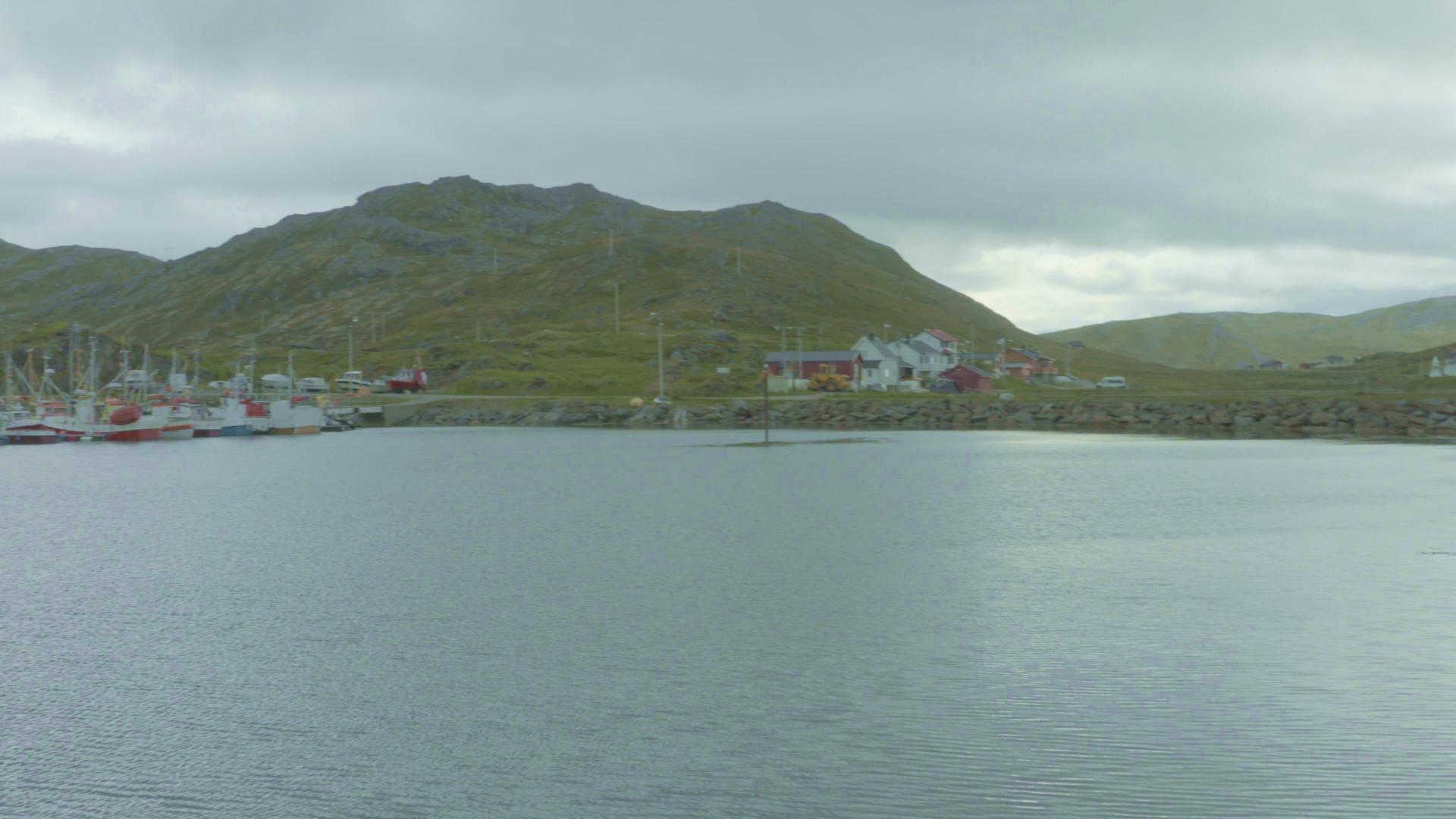
Hornøya is a small island just ten minutes by ferry from Vardø, and it hosts one of the richest seabird colonies in all of Northern Europe. Tens of thousands of birds nest here, including puffins, razorbills, guillemots, kittiwakes, and cormorants, in numbers that visitors describe as simply unbelievable.
The island is Norway's easternmost point and a protected nature reserve. A maintained path leads from the landing point through the nesting areas, allowing close observation without disturbing the birds. The sheer density of life on these cliffs, the noise, the smell, the constant aerial traffic, is an overwhelming sensory experience. For birdwatchers, this is one of the premier sites in Scandinavia.
The breeding season runs from late April through July, with the peak of activity in June. Puffins are the star attraction for most visitors, standing in clusters on the cliff edges with their colourful beaks, apparently unbothered by the humans walking past. The island also offers nesting white-tailed eagles and, on occasion, peregrine falcons.
The ferry runs from Vardø harbour and the schedule varies by season, so checking departure times in advance is essential. The island is exposed to Arctic weather, and crossings can be cancelled in rough conditions. Dress warmly and bring binoculars.
The island is Norway's easternmost point and a protected nature reserve. A maintained path leads from the landing point through the nesting areas, allowing close observation without disturbing the birds. The sheer density of life on these cliffs, the noise, the smell, the constant aerial traffic, is an overwhelming sensory experience. For birdwatchers, this is one of the premier sites in Scandinavia.
The breeding season runs from late April through July, with the peak of activity in June. Puffins are the star attraction for most visitors, standing in clusters on the cliff edges with their colourful beaks, apparently unbothered by the humans walking past. The island also offers nesting white-tailed eagles and, on occasion, peregrine falcons.
The ferry runs from Vardø harbour and the schedule varies by season, so checking departure times in advance is essential. The island is exposed to Arctic weather, and crossings can be cancelled in rough conditions. Dress warmly and bring binoculars.