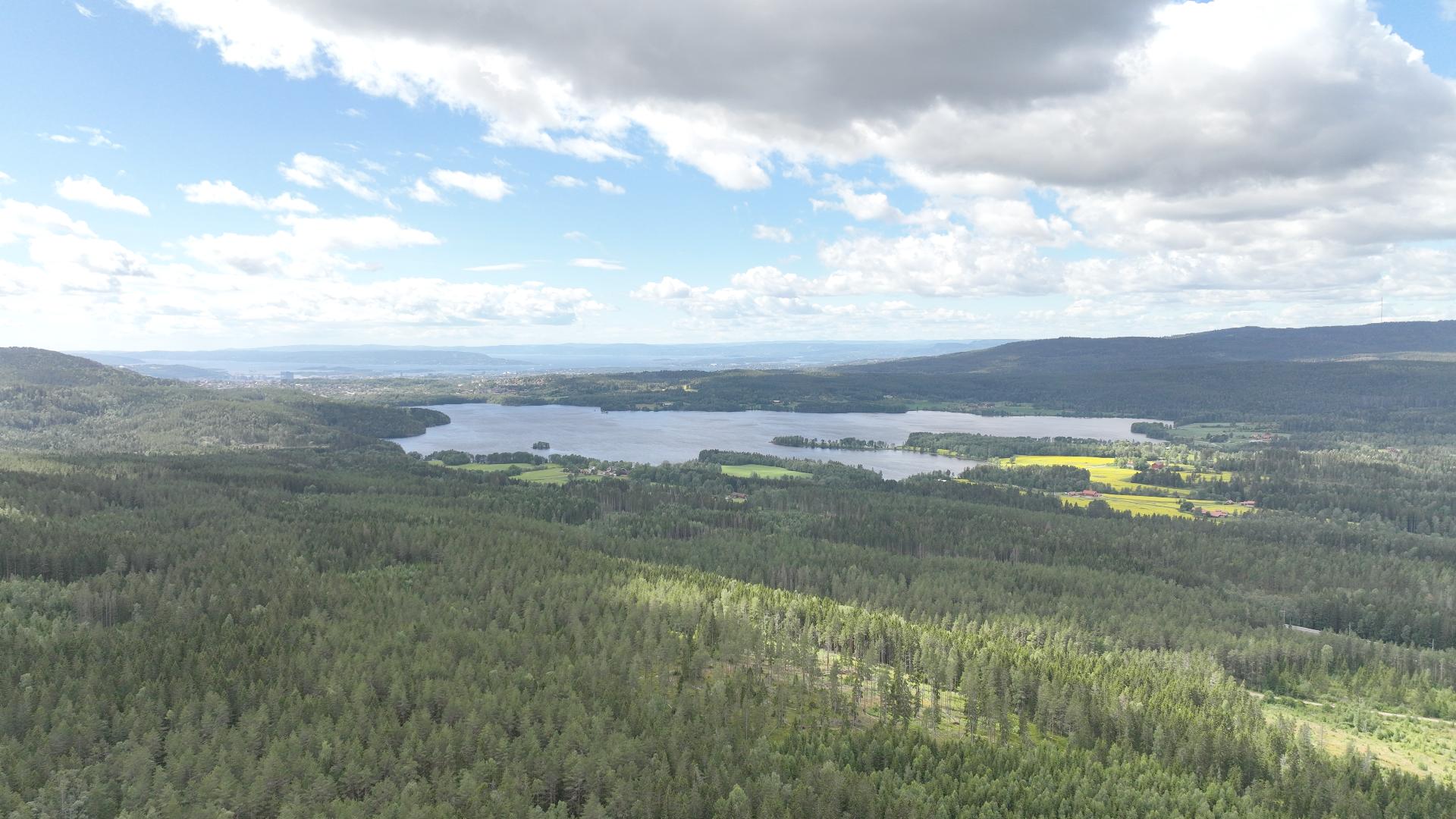
The story of this hilltop facility near Harestua starts with the Cold War, not astronomy. In the early 1950s it was built as a listening post for American intelligence. But in 1954, with a total solar eclipse approaching, the University of Oslo took over and erected a twelve-metre research tower to study the sun. It became the largest solar observatory north of the Alps.
For three decades, researchers here developed new techniques for observing the sun, including spectrograph methods credited with helping to discover solar storms. The observatory was active in solar research from 1954 to 1986, contributing to international understanding of solar activity and its effects on Earth.
Since 1987 it has operated as a science and education centre, introducing Norwegian schoolchildren to astronomy and natural sciences. The architect firm Snøhetta designed the striking Solobservatoriet visitor centre and planetarium, turning the old spy station into one of Norway's most distinctive science venues.
For three decades, researchers here developed new techniques for observing the sun, including spectrograph methods credited with helping to discover solar storms. The observatory was active in solar research from 1954 to 1986, contributing to international understanding of solar activity and its effects on Earth.
Since 1987 it has operated as a science and education centre, introducing Norwegian schoolchildren to astronomy and natural sciences. The architect firm Snøhetta designed the striking Solobservatoriet visitor centre and planetarium, turning the old spy station into one of Norway's most distinctive science venues.