You're now crossing Hardangervidda - Europe's largest mountain plateau. The whole thing covers about 8,000 square kilometres, roughly the size of three average Norwegian counties combined. The national park at its core is 3,422 square kilometres, making it Norway's largest.
The average elevation is around 1,100 metres. You'll notice there are no trees up here - 98 percent of the plateau sits above the treeline. It wasn't always like this. During the warmer period 9,000 to 5,000 years ago, forests of Scots pine covered much of the plateau. You can still find preserved pine logs in the bogs.
People have been crossing here for at least 8,000 years. Stone Age hunters followed the reindeer migrations, and around 250 archaeological sites have been found on the plateau. The ancient drove roads - the Nordmannsslepene - connected east and west Norway for centuries, used for trade in cattle, salt, and later silver from the Kongsberg mines.
Today, Hardangervidda is home to Europe's largest population of wild reindeer - somewhere between 10,000 and 15,000 animals. They migrate between winter grazing lands in the east and calving grounds in the west. You might spot them from the road if you're lucky, but they tend to stay several kilometres away. Bring binoculars. Sometimes in winter the herds decide to stay close to the road, and when that happens, sections can be closed entirely to protect them. The reindeer have a hard enough time in winter without being disturbed - they need every bit of energy to survive. The plateau is also considered the southern limit for Arctic species like the snowy owl and Arctic fox.
In winter, this becomes one of the world's best snowkiting destinations. The treeless terrain, stable winds, and long season - October to May - attract kiters from over 30 countries. Every March, Red Bull Ragnarok brings around 300 competitors for the world's biggest snowkite race. Conditions can be brutal. Some years only a handful of racers manage to finish. Kiters also have to respect temporary exclusion zones when reindeer are nearby.
If you've seen the TV series Ice Road Rescue on National Geographic, you'll recognise this area. Much of the show is filmed right here on Hardangervidda, following the tow truck crews who pull vehicles out of snowdrifts and off icy roads. It's been running since 2015 - now on its tenth season.
But winter also means the roads can close without warning due to blizzards. When that happens, you either wait or drive in convoy behind a snowplough - kolonnekjøring in Norwegian. Waiting times can stretch to several hours. Always check road conditions before setting out, and keep your fuel tank full. There are no petrol stations on the plateau.
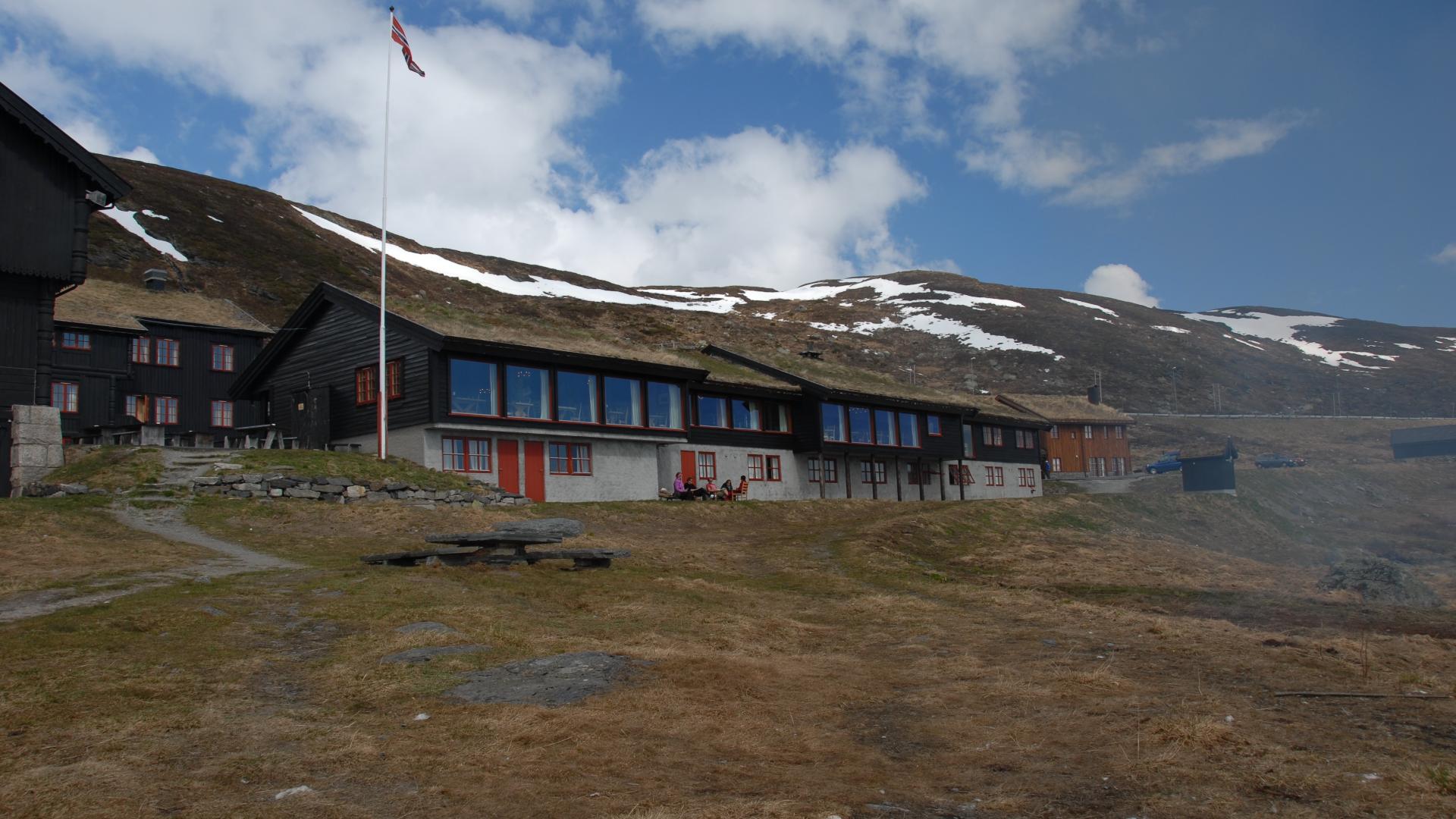
In summer, around 50,000 sheep graze up here, and hikers use the extensive network of DNT cabins.